


Your gut does more than digest food, it helps shape immunity, energy, and day-to-day comfort. Public-health guidance and microbiome research keep pointing to the same foundations, especially fiber intake, plant variety, hydration, activity, sleep, and stress control. The Linus Pauling Institute notes that adults in the United States should aim for 25 to 38 g/day of fiber, while Japan's recommendation is 18 g/day for women and 21 g/day for men. A 2023 review also found that diversified diets with vegetable fiber, vitamins, and micronutrients can improve microbiota biodiversity and short-chain fatty acid production while reducing fungal load in the gut, which makes the case for a practical, food-first routine Linus Pauling Institute gut health guidance.
That food-first message lines up with consumer behavior too. More than 7 in 10 consumers have either tried or want to try prebiotics or probiotics, 57% have tried high-fiber foods and beverages, and at least half of global consumers are trying to increase fiber and probiotics in their diets Cargill digestive health strategies. The smartest ways to improve gut health aren't trendy. They're repeatable habits that make your gut environment easier to work with, and they're usually simpler than people think.
1. Increase Dietary Fiber and Include Prebiotic Foods
Fiber gives beneficial microbes fuel, and it helps stool move with more consistency. Daily fiber intake matters because the gut responds to what you eat over time, not just to one high-fiber meal. A plate built around plants, beans, whole grains, nuts, seeds, and fruit gives the microbiome more to work with, which often supports steadier digestion and better regularity.
A practical approach is to increase fiber in steps instead of changing everything at once. Replace white bread with whole grain, add beans to lunch, and include berries or chia at breakfast. If you use a supplement such as Maximum Health's SuperGreens powders or a Functional Cocoa blend with added fiber support, treat it as a support tool, not the center of the routine. For a more detailed starting point, see these fiber intake recommendations.
Build fiber without triggering bloating
A sudden jump in fiber can cause bloating if water intake stays low or if the increase is too aggressive. Many people tolerate fiber better when they add one or two fiber-rich foods to each meal, such as oats at breakfast, lentils at lunch, and vegetables at dinner. If raw vegetables sit poorly, lightly cooked options are often easier on the gut.
Practical rule: increase fiber gradually, then give your gut a week or two before making another change.
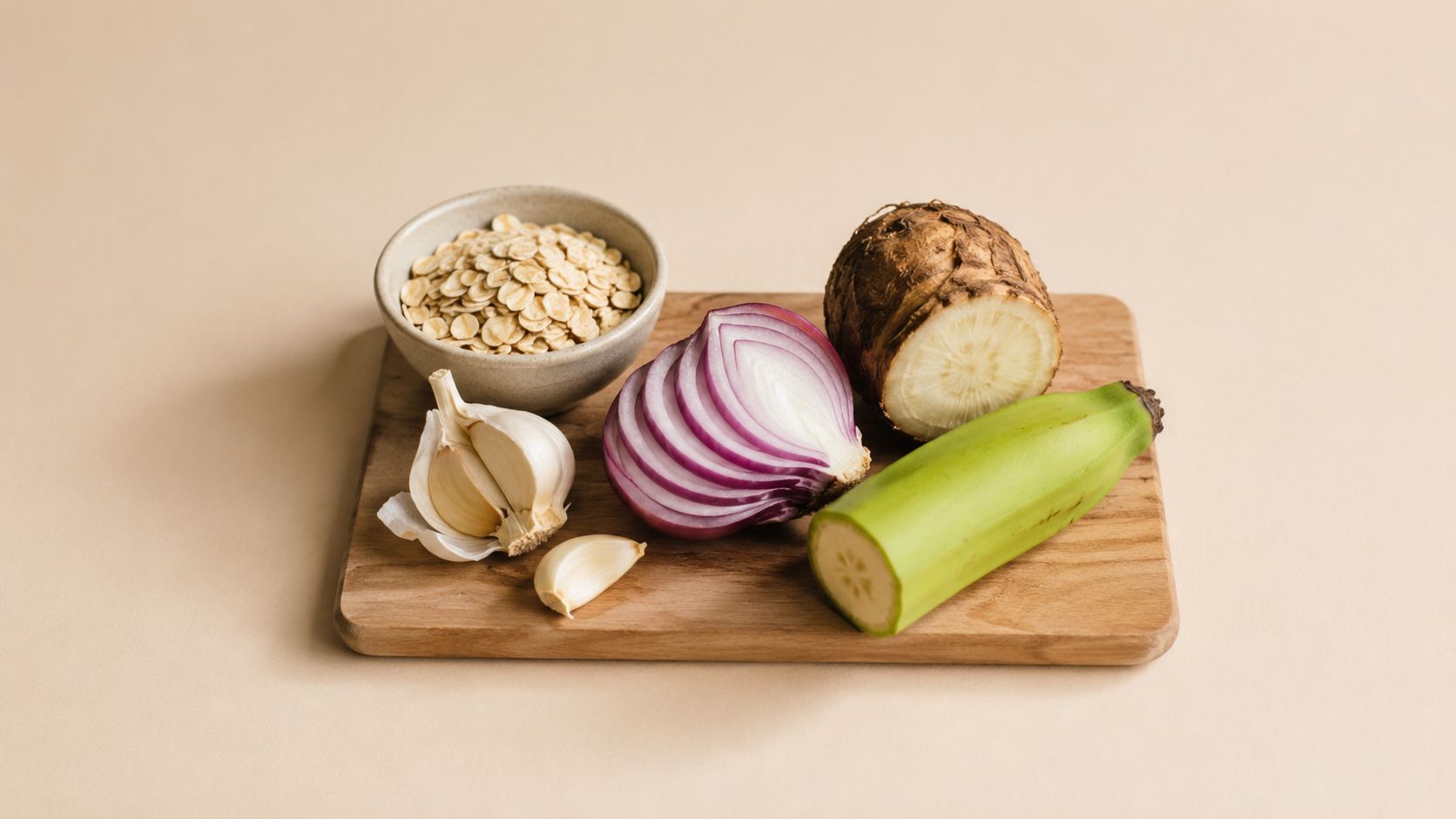
Raw garlic, onions, asparagus, and slightly green bananas are useful prebiotic foods, but they work best inside a wider eating pattern. If the habit does not fit real life, even a strong prebiotic choice will not do much. A steady mix of fruits, vegetables, whole grains, beans, nuts, and seeds usually delivers better results than chasing a single ingredient.
Featured Product
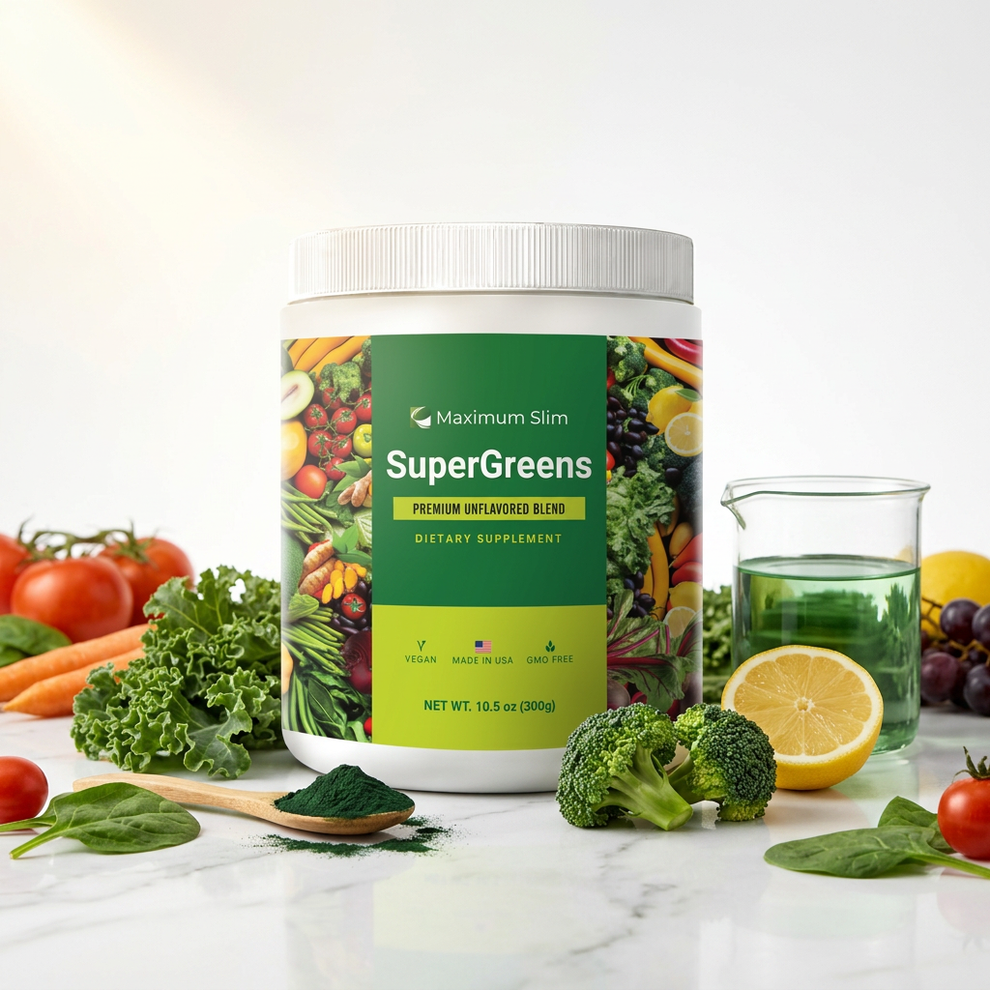
Maximum Slim SuperGreens Powder | Plant-Based Nutrient Drink Mix
Maximum Slim SuperGreens delivers 27 organic superfoods in a single daily scoop — making it one of the easiest ways to fuel your body with real plant-based nutrition
Shop Now →2. Eat Probiotic-Rich Foods Regularly
Fermented foods can help diversify your intake of live cultures, and they're often easier to stick with than a supplement routine. Think yogurt, kefir, sauerkraut, kimchi, miso, tempeh, and kombucha. The goal isn't to pile all of them into one day, it's to keep some kind of fermented food in the week so your gut gets regular exposure.
That matters because the market for digestive support has made probiotics feel like a universal fix, but food works more like a steady signal than a rescue button. The gut-health supplement market itself was estimated at USD 19.98 billion in 2025 and is projected to reach USD 36.57 billion by 2033, with probiotics holding 49.40% of global share in 2025, capsules at 42.40%, and OTC distribution at 79.77% Grand View Research gut health supplements market report. Those numbers show demand, not necessity. Real-life eating habits still matter more.
If you want a clean-label approach, that means choosing fermented foods with short ingredient lists and little or no added sugar. A simple bowl of plain yogurt with berries, or miso in broth with tofu and greens, is often more useful than a sugary fermented drink.
Make fermented foods part of meals, not an afterthought
People often do better when fermented foods are attached to an existing meal. Yogurt can replace dessert, kimchi can sit beside rice and eggs, and sauerkraut can top a grain bowl. If you're using a supplement, Maximum Health's digestive-health supplement guide can help you think through where food and supplementation overlap without turning everything into a capsule-first routine Maximum Health digestive supplement guide.
Pair fermented foods with fiber. Probiotics tend to fit better in a gut that already has the right fuel.
3. Cut Back on Highly Processed Foods and Added Sugar
Processed foods are hard on gut routines because they crowd out the foods that help microbes thrive. The issue isn't only sugar, it's also the overall pattern, packaged snacks, refined carbs, and ingredient lists full of additives can become the default when meals aren't planned. If that's your normal weekday, your gut usually gets less fiber, fewer phytonutrients, and less microbial variety.
A better replacement doesn't have to be complicated. Trade soda for herbal tea, swap chips for nuts and seeds, and keep fruit on hand so a snack doesn't turn into a vending-machine decision. If you cook at home most nights, you automatically reduce exposure to the kind of ultra-processed pattern that tends to crowd out better digestion habits.
Use cleaner swaps that actually stick
The best swap is the one you'll repeat. A bag of mixed nuts is better than an ambitious snack plan you never keep. Plain oats with cinnamon is better than a sugar-heavy breakfast bar, and whole-grain bread usually works better than a refined loaf when you want steadier digestion.
- Read labels carefully: If the ingredient list looks like a lab inventory, choose something simpler.
- Replace one item at a time: Start with your most frequent processed food, not everything at once.
- Keep backup foods visible: Put fruit, seeds, and plain yogurt where you can reach them first.
A clean-label mindset helps here because it reduces friction. The fewer artificial flavors, fillers, and unnecessary extras you eat, the easier it is to see what agrees with your gut.
4. Stay Hydrated with Filtered Water
Hydration gets treated like a generic wellness tip, but it has a direct effect on digestion. When fluid intake is too low, stool tends to be harder to move, and higher-fiber eating can feel more uncomfortable than it should. That is why water and fiber need to be treated as a pair, not as separate goals. A simple hydration routine also fits a clean-label approach, since the water you keep reaching for should be the water you trust.
Start with the version of hydration you will realistically maintain. Some people drink warm water in the morning, others do better with a bottle on their desk, and some need flavoring with lemon or cucumber to stay consistent. The point is not perfection, it is making sure fluids show up through the day. If tap water taste or concern about contaminants keeps you from drinking enough, a filtered option can remove that barrier and make the habit easier to keep. A practical PFAS removal water filter guide can help you compare options if you want water that fits a cleaner-label routine.
The Harvard Health guidance on gut health reinforces the same fundamentals, including eating more fibrous foods and drinking more water as part of the core daily pattern for digestive support Harvard Health gut-health guidance.
Make hydration practical
If you are increasing fiber, drink more water alongside it. That matters even more if you are adding beans, cruciferous vegetables, or supplements that increase bulk. Filtered water can also be a useful preference if you are trying to limit taste issues or contaminants that make you avoid drinking enough.
- Keep water visible: A bottle on your desk works better than a bottle in the cabinet.
- Drink with meals: That habit is easier to remember than chasing a perfect schedule.
- Use simple flavor cues: Lemon, mint, or cucumber can make water easier to finish.
Hydration does not need to be dramatic. It just needs to be steady enough that your gut can do its job without fighting dryness.
5. Manage Stress and Protect Sleep
Stress changes digestion faster than people expect. A tense nervous system can make bowel patterns less predictable, and poor sleep can leave your gut and brain out of sync. That's why gut health advice keeps circling back to stress, sleep, and regular movement, not because those tips sound nice, but because they affect the gut-brain axis in a very real way.
A simple evening routine helps more than an ambitious one. A short walk after dinner, five to ten minutes of breathing practice, and a fixed bedtime often do more than trying to “relax” randomly at midnight. Maximum Health's sleep-quality guide fits well here if you're trying to build a more structured wind-down routine Maximum Health sleep-quality guide.
Use a routine your nervous system can recognize
Your gut doesn't need a perfect meditation practice. It needs consistency. If you fall asleep at different times every night, or you live on late caffeine and bright screens, your digestion usually pays for it.
A calmer evening often shows up the next morning in better bowel regularity.
Daily exercise also helps because it supports both stress regulation and digestive rhythm. You don't need an extreme workout plan. Walking, yoga, tai chi, or a few weekly strength sessions can all help settle the system enough for the gut to function more predictably.
6. Support Detox Pathways with Liver-Friendly Foods
The liver and gut work together closely. Meals that support bile flow and normal elimination often make digestion feel easier, especially after richer foods or higher-fat meals. Cruciferous vegetables, leafy greens, garlic, onions, ginger, and turmeric come up often for a reason, they fit into a practical gut-support routine without adding unnecessary complexity.
A cleaner ingredient profile matters here too. Herbal beverages can fit into the routine if they are simple and consistent with your goals. Maximum Health's Organic Detox Tea can work as a warm morning habit for people who want a straightforward way to stay hydrated, but it should stay in the support category, not replace real food.
Some people also need help calming gut symptoms before they can make dietary changes stick. For that reason, the acupuncture irritable bowel syndrome resource can be useful as part of a broader plan that includes food quality, stress care, and symptom tracking.
Keep the focus on food first
Regular exposure matters more than a perfect one-off meal. Broccoli with dinner, spinach in lunch bowls, and garlic in cooked dishes are simple ways to keep liver-friendly foods in rotation. If alcohol and heavily processed foods show up often, cutting those back usually helps digestion more than adding another detox product to the shelf.
Keep the pantry clean while you do it. Liver-support foods work best in a kitchen that limits artificial flavors, excess additives, and packaged products with crowded labels. That clean-label approach gives your gut less to work through and makes your routine easier to maintain.
- Cruciferous vegetables: broccoli, Brussels sprouts, cauliflower.
- Leafy greens: spinach, kale, arugula.
- Flavor supports: garlic, onion, turmeric, ginger.
The broader pattern is simple. The gut usually functions better when the liver is not constantly dealing with heavy, processed food intake.
7. Reduce Inflammatory Fats
What you cook with matters. Highly refined vegetable oils, trans fats, and repeated deep-frying can make meals harder on the digestive system, especially when they're part of the daily baseline. A gut-friendly kitchen uses more stable fats and fewer packaged foods that hide lower-quality oils.
This doesn't mean every seed oil is the same in every context, but it does mean you should pay attention to patterns. If most of your takeout, snacks, and restaurant meals come from fried or heavily processed sources, your gut may do better when you replace some of that exposure with olive oil, avocado oil, coconut oil, or ghee at home.
Match the fat to the job
Use olive oil for salad and finishing, not as your default high-heat pan oil. Save avocado oil, ghee, or coconut oil for cooking that needs more stability. Then add omega-3 sources like fatty fish, flax, chia, and walnuts to shift the overall balance toward less inflammatory meals.
If a package lists oils you don't keep in your own kitchen, that's a sign to pause before buying it.
This isn't about fear. It's about reducing the kind of diet pattern that tends to make digestion feel heavy, sluggish, and less resilient.
8. Add Collagen and Amino Acid-Rich Foods
The gut lining depends on amino acids for ongoing repair, so protein quality affects more than muscle or satiety. Collagen-rich foods and other amino acid-dense meals give the body the raw materials it uses to maintain the intestinal barrier. Bone broth, collagen peptides, gelatin-based foods, and clean protein powders all fit that goal without making the day harder to manage.
A practical gut routine usually works better than a perfect one. If simmering bone broth is unrealistic, collagen peptides stirred into coffee or a smoothie are easier to keep up with. If you already use a clean protein powder, adding collagen can support intake without piling on fillers, sweeteners, or other additives that work against a clean-label approach.
Keep the source clean and the routine repeatable
Collagen does best as part of a steady pattern, not as an occasional fix. Many people do better when they pair it with anti-inflammatory meals and enough vitamin C from fruit or vegetables, since that supports the body's own collagen-building process. The trade-off is simple, convenience matters, but so does consistency. A small daily habit usually beats a more elaborate plan that disappears after a week.
- Bone broth: useful if you want a food-based option.
- Collagen peptides: easy to mix into drinks.
- Gelatin foods: a simple add-on if you enjoy them.
- Protein powders: choose clean-label options when possible.
Maximum Health's Organic Protein can fit into that kind of routine if you want a cleaner, more efficient protein base. The point is to keep gut support simple enough that you will stick with it.
9. Optimize Protein Quality and Timing
Protein supports more than muscle. It also helps with epithelial renewal, satiety, and the overall nutrient density your gut depends on. When protein is too low, meals tend to become more carbohydrate-heavy and less satisfying, which can lead to more snacking and less stable digestion.
A cleaner approach is to make protein visible at each meal. Eggs, fish, poultry, yogurt, tofu, tempeh, beans, and clean protein powders all have a place. If you use both plant and animal proteins across the week, you get more flexibility without locking yourself into one rigid pattern.
Start with protein before the rest of the plate
Eating protein first can make a meal feel more grounded and less likely to trigger overeating. Chewing thoroughly also matters more than people admit, because digestion starts before the stomach ever sees the food. If you rush meals, even a good diet can feel harder on your gut.
Clean protein beats random protein. Fewer additives usually means fewer reasons for your digestive system to complain.
If you need a supplement, choose one with a short label and no unnecessary extras. Maximum Health's Organic Protein fits that clean-label idea well, especially for people who want convenience without a long ingredient list.
10. Rotate Foods and Keep Plant Variety High
A resilient microbiome does not come from one perfect food. It comes from steady variety. Healthier microbiomes are often associated with a wider spread of plant foods across the week, and “30 plant points” has become a useful goal in microbiome conversations AARP gut health coverage.
Counting every plant is unnecessary, but repetition is worth watching. If breakfast, lunch, and dinner keep coming from the same handful of foods, your gut receives less diversity than it could use. Rotate vegetables, grains, herbs, spices, berries, and proteins so your microbiome sees different fibers and phytonutrients over time.
Seasonal shopping helps because it naturally changes what ends up in the cart. So does cooking from a short list of flexible meals. A grain bowl can use quinoa one week and brown rice the next. Stir-fries can change vegetables, and oatmeal can shift with different berries, seeds, or nut butters.
Variety also works best when it stays practical. If a food is hard to find, expensive, or takes too much prep, it usually disappears from the routine. Clean-label staples with short ingredient lists make rotation easier because they reduce friction and keep meals predictable enough to repeat.
- Rotate vegetables: carrots, broccoli, Brussels sprouts, asparagus, kale, spinach, beets, zucchini.
- Rotate grains: oats, barley, millet, brown rice, quinoa.
- Rotate flavorings: turmeric, ginger, basil, oregano, cilantro, parsley.
- Rotate berries: blueberries, strawberries, raspberries, blackberries.
The healthiest gut routines are rarely dramatic. They are diverse, repeatable, and built around foods you can keep buying and cooking.
10-Point Gut Health Comparison
| Intervention | 🔄 Implementation Complexity | ⚡ Resource Requirements | 📊 Expected Outcomes | 💡 Ideal Use Cases | ⭐ Key Advantages |
|---|---|---|---|---|---|
| Increase Dietary Fiber and Incorporate Prebiotic Foods | 🔄 Moderate, gradual ramp-up to avoid bloating | ⚡ Low, whole foods, water, minor cost | 📊 Better regularity in 1–2 weeks; microbiome shifts in 2–12 weeks | 💡 Constipation, low-fiber diets, building synbiotic approaches | ⭐ Cost-effective; boosts SCFA production; supports mineral uptake |
| Consume Probiotic-Rich Foods Daily | 🔄 Moderate, sourcing and storage considerations | ⚡ Low–Moderate, fermented foods or fermented-prep time | 📊 Improved digestion and immunity over 4–8 weeks; symptom relief earlier | 💡 IBS, recurrent dysbiosis, immune support | ⭐ Supplies live strains; enhances mucosal immunity and metabolites |
| Eliminate Processed Foods and Added Sugars | 🔄 High, planning, pantry overhaul, social adjustments | ⚡ Moderate, time for meal prep; possible higher food costs | 📊 Rapid symptom improvements in 2–3 weeks; reduced inflammation long-term | 💡 Metabolic syndrome, inflammation, sugar cravings | ⭐ Removes dysbiosis drivers; often fast symptom relief |
| Stay Hydrated with Filtered Water | 🔄 Low, habit formation and access to filtered water | ⚡ Low–Moderate, filter/pitcher and reusable bottle | 📊 Immediate improvement in stool consistency and motility | 💡 Constipation, increased fiber intake, active lifestyles | ⭐ Fast, low-cost support for mucus layer and toxin elimination |
| Practice Stress Management and Prioritize Quality Sleep | 🔄 Moderate–High, consistent behavior change required | ⚡ Low–Moderate, time, apps or professional support if needed | 📊 Gut-brain balance and healing over 2–4 weeks; cumulative benefits | 💡 Chronic stress, poor sleep, anxiety-related GI symptoms | ⭐ Restores circadian repair and lowers cortisol-driven inflammation |
| Support Detoxification with Liver-Friendly Foods and Beverages | 🔄 Moderate, diet adjustments and targeted foods/supplements | ⚡ Moderate, specific foods, teas, occasional supplements | 📊 Gradual improvements in digestion and energy over weeks | 💡 Sluggish digestion, toxin exposure, fatty liver risk | ⭐ Enhances bile flow and phase detox pathways; aids fat digestion |
| Reduce Inflammatory Foods (Seed Oils and Trans Fats) | 🔄 Moderate, label reading and cooking method changes | ⚡ Low–Moderate, swap oils and source better fats | 📊 Rapid reduction in bloating/inflammation; skin and joint benefits | 💡 Inflammatory conditions, frequent dining out, processed-food consumers | ⭐ Lowers oxidative inflammation; rebalances omega-3:omega-6 ratio |
| Include Collagen and Amino Acid-Rich Foods for Gut Barrier Repair | 🔄 Moderate, consistent intake (broths, peptides) | ⚡ Moderate, cost for quality collagen or bone broth | 📊 Barrier repair and reduced permeability in 4–8 weeks | 💡 Suspected “leaky gut,” chronic GI inflammation, healing phase | ⭐ Provides targeted amino acids for tight-junction and mucosal repair |
| Optimize Protein Intake and Protein Quality | 🔄 Moderate, meal planning and distribution across day | ⚡ Moderate–High, higher-cost premium proteins | 📊 Improved epithelial renewal, satiety, and metabolism over weeks | 💡 Aging, recovery, weight management, athletic performance | ⭐ Supports gut renewal, immune function, and sustained satiety |
Building Your Sustainable Gut Health Routine
Improving gut health isn't about chasing a perfect supplement stack or trying every trend that shows up online. It's about building a routine your body can use. The strongest pattern is still the simplest one, more fiber, more plant diversity, enough water, regular movement, quality sleep, less processed food, and a cleaner overall ingredient profile.
Start with two or three changes you can repeat this week. If you already eat well but still have symptoms, don't just add more gut hacks. Pay attention to triggers, recent antibiotic use, and whether the problem has become persistent enough to need medical evaluation. Johns Hopkins also stresses red-flag symptoms like unexplained abdominal pain, weight loss, blood in stool, or a lasting change in bowel habits, which means not every gut issue should be self-managed forever Johns Hopkins digestive health guidance.
A clean-label approach makes this whole process easier. Fewer artificial additives, fewer sugary extras, and fewer ultra-processed defaults usually mean less noise and more clarity about what helps. If you like practical support, Maximum Health Products offers clean-label nutrition, protein, teas, cocoa blends, and supplements that can fit into a broader digestive-support routine without taking over your entire lifestyle.
The goal is consistency, not intensity. When you keep feeding your gut the kinds of foods and habits it can work with, the payoff tends to show up in the basics, better regularity, steadier energy, and a more comfortable day-to-day rhythm.
If you want clean-label support for a gut-friendly routine, visit Maximum Health Products to explore protein, tea, cocoa, greens, and supplement options that fit a simpler daily wellness plan. Their products are designed for people who want practical nutrition choices with fewer unnecessary additives, which makes them easy to pair with the gut-health habits in this guide.

