


You’re probably trying to do two things at once. Lean out without looking smaller, softer, or drained. That’s where most busy professionals get stuck. They clean up meals, cut calories hard, add extra cardio, and then wonder why their strength stalls and their body doesn’t look the way they expected.
A better approach is body recomposition. You keep muscle, build some where you can, and reduce body fat with a plan that supports training instead of fighting it. That’s also where weight loss muscle gain diet supplements can help, if they’re used the right way.
The key word is help. Supplements don’t rescue a weak diet, random training, or poor recovery. But clean-label supplements can make a disciplined plan easier to follow, especially when your workdays are packed and whole-food meals aren’t always perfectly timed. I treat them as part of the nutrition system, not as a shortcut.
Your Nutrition Blueprint for Losing Fat and Building Muscle
Body recomposition works when your nutrition gives your body enough building material to hold onto muscle while your training gives it a reason to keep or add that muscle. That’s why “just eat less” usually backfires. If calories drop too far and protein is too low, your body has less support for recovery and muscle retention.
A practical starting point is your Total Daily Energy Expenditure, or TDEE. That’s your baseline for deciding whether you should eat at maintenance or in a small deficit. If your schedule is hectic and your training consistency is still forming, I usually prefer staying close to maintenance first. If you’re already lifting consistently and want fat loss to move a bit faster, a small deficit can work.
For an easy starting estimate, use a tool like RepStack calorie management. It gives you a reasonable calorie target you can test in practice, then adjust based on body weight trends, training performance, hunger, and recovery.
Protein is the lever that changes the outcome
The most important macro in a recomp plan is protein. In a review of body recomposition protocols, 7 out of 10 clinical studies showed participants gained more lean muscle than fat lost, even in a mild caloric surplus, when high protein intake and progressive resistance training were in place. That same review noted protein at 25 to 30% of total calories or 1.6 to 2.2 g per kg of bodyweight, and found that going below 1.6 g/kg reduced potential gains by 50% (body recomposition review summary).
That matters because protein isn’t just about muscle growth. It also improves meal satisfaction, supports recovery, and makes a calorie-controlled plan easier to stick with.

Practical rule: Set protein first. Then divide carbs and fats around your training, appetite, and schedule.
If you’ve never tracked macros before, start with a simple framework:
- Estimate maintenance calories using your TDEE.
- Choose your calorie target at maintenance or a small deficit.
- Set protein in the 1.6 to 2.2 g/kg range.
- Use carbs strategically to support training energy.
- Fill the remaining calories with fats from whole-food sources you digest well.
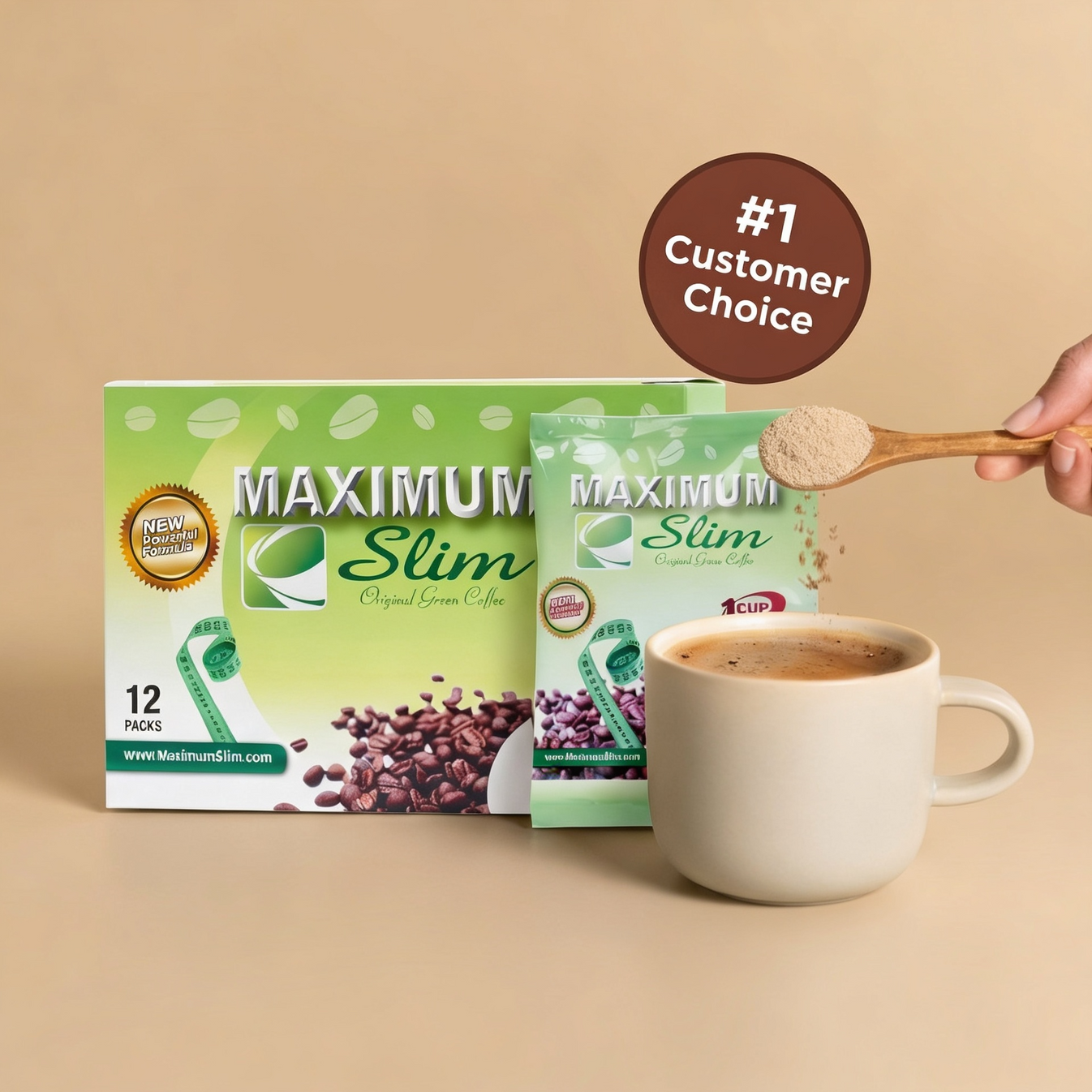
Featured Product
Maximum Slim Original Green Coffee | Premium Unroasted Arabica Blend (12 Ct)
Discover a delicious daily coffee crafted to complement your wellness routine. Enjoy one cup a day as part of a balanced lifestyle.
Shop Now →A clean-label macro approach
Clean-label eating matters here because hidden sugars, filler-heavy shakes, and low-quality convenience foods make adherence harder. They often leave you less full, less energized, and more likely to overeat later.
A good recomp plate usually includes:
- Lean protein first such as eggs, Greek yogurt, poultry, fish, tofu, tempeh, or a simple protein powder with a short ingredient list
- Training-supportive carbs such as fruit, oats, rice, potatoes, beans, or whole grains
- Produce at most meals for fiber, micronutrients, and appetite control
- Fats with intent such as olive oil, avocado, nuts, seeds, or fatty fish, adjusted based on calories and satiety
If you want a practical refresher on setting targets, this guide on understanding macros for weight loss is useful for translating theory into daily meals.
What this looks like in real life
A clean-label recomposition diet doesn’t need to be elaborate. It needs to be repeatable.
Build meals around protein and produce, then add carbs according to activity. That’s a plan people can follow on workdays, not just on Sundays when motivation is high.
If you do that consistently, supplements become exactly what they should be. Support tools that make execution easier.
Structuring Your Meals for Optimal Performance and Recovery
A good meal plan has rhythm. Not rigidity. The people who do well with body recomposition usually don’t eat “perfectly.” They eat in a way that keeps energy stable, training productive, and late-night hunger under control.
Here’s what that can look like across a normal workday.
Morning and mid-day rhythm
A client with an early meeting block might start with eggs and oats, or Greek yogurt with berries and nuts. Someone who trains later may go a bit lighter and save more carbs for the afternoon. Both approaches can work.
The mistake is skipping protein early, grabbing coffee, then trying to white-knuckle hunger until lunch. That pattern often leads to overeating later and underperforming in training.
A better lunch is simple and boring in the best way. Protein, fiber, a quality carb, and something easy to prep ahead. Think chicken with rice and vegetables, tofu with potatoes and greens, or a grain bowl with salmon and beans.
Pre-workout choices that actually help
If you train after work, your pre-workout meal should leave you feeling fueled, not heavy. That usually means a meal or snack that includes easy-to-digest carbs and some protein.
Examples that work well:
- A fast option like a banana and a clean protein shake
- A fuller meal such as rice, lean protein, and vegetables a few hours before training
- A lighter energy support option such as tea or coffee if you train better with a small boost and tolerate caffeine well
The point isn’t perfection. The point is showing up with enough fuel to train hard enough to signal muscle retention and growth.
If your workout feels flat every session, check your meal timing before blaming your program.
Post-workout recovery without overcomplicating it
After training, keep recovery practical. Get protein in, include some carbohydrate if you trained hard, and move on with your evening. You don’t need a complicated formula.
A post-workout dinner might be steak and potatoes, salmon and rice, or lentil pasta with extra protein. If dinner is delayed, a clean shake can bridge the gap.
For a straightforward look at how to organize that meal, this article on post-workout recovery nutrition gives a solid framework.
A day that fits a busy schedule
Here’s a realistic structure I like for professionals:
- Breakfast anchored by protein so hunger doesn’t spike before noon
- Lunch built for steadiness with protein, fiber, and enough carbs to avoid the afternoon crash
- Pre-workout snack if training happens after work
- Dinner focused on recovery with whole-food protein and a clean carb source
- Optional evening protein if total intake is still low
That’s sustainable because it doesn’t require six tiny meals, meal prep obsession, or carrying containers everywhere. It just respects your energy needs across the day.
Effective Training and Recovery for Body Recomposition
If nutrition creates the environment, training provides the reason your body keeps muscle. Without that signal, fat loss often comes with a flatter look, weaker lifts, and more frustration than progress.
That’s why random circuits and endless cardio aren’t the foundation here. For body recomposition, progressive resistance training is the main driver.

Why compound lifts do more than random exercise selection
Compound lifts give you more return per minute than isolated, constantly changing workouts. Squats, presses, rows, deadlift patterns, pull-downs, split squats, and carries train a lot of muscle at once. They also give you clearer markers of progress.
That matters for busy professionals because your program has to survive long workweeks. A shorter plan built around major patterns is easier to repeat than a complicated split filled with novelty.
I’d rather see someone train consistently with a focused plan than chase variety and never build momentum.
Progressive overload is the non-negotiable
Your body adapts when the work demands more over time. That can mean adding load, adding reps, improving technique, increasing control, or doing more quality work with the same weight.
The exact progression model matters less than the principle. If the training stress never rises, your body has no reason to change much.
A simple weekly check works well:
- Keep the core lifts stable so you can measure progress
- Try to improve one variable such as reps, load, or movement quality
- Use accessory work to fill gaps instead of replacing the basics
- Stop chasing exhaustion and start chasing productive effort
For people using appetite-suppressing approaches or medications, muscle retention becomes even more important. This guide on Weight Method GLP-1 muscle loss prevention is a useful reference on protecting lean mass when overall intake drops.
Recovery is where the program pays off
People often treat recovery like a reward after hard training. It’s part of the plan itself. If sleep is poor, stress is high, and soreness never resolves, training quality falls fast.
Recovery includes more than rest days. It’s your sleep routine, your food quality, your hydration, your walking, and whether you’re pushing every set to the point that the next session suffers.
Hard training works only when you can recover from it. If recovery can’t keep up, “more” stops being productive.
A short visual primer can help reinforce the basics:
What to prioritize each week
If your goal is a leaner, stronger physique, focus on these in order:
- Train regularly with a repeatable lifting schedule.
- Center the week on compound movements that build strength and muscle efficiently.
- Progress gradually instead of maxing out effort every session.
- Protect recovery habits so the next workout is productive.
That approach isn’t flashy. It’s what works.
Choosing Evidence-Backed Diet Supplements
Most supplement stacks are backwards. People buy fat burners, metabolism blends, and pre-workouts before they’ve covered protein, meal structure, and training consistency. For body recomposition, the smartest supplement strategy is problem-based. What gap are you trying to fill?
The first category is the most important by far. Protein supplementation.
Protein powders that earn a place in your plan
A 10-week clinical trial found that bodybuilders using whey protein gained about 9 pounds of additional lean muscle and lost nearly 3 pounds of extra body fat compared with a control group receiving another protein source, while also improving strength in major lifts (whey trial summary). That’s why whey has stayed relevant for years. It’s convenient, complete, and easy to use when meals are rushed.
But whey isn’t automatically the right fit for everyone. Some people digest it poorly. Others prefer a dairy-free or plant-based approach. That’s where clean-label screening matters. Look for short ingredient lists and avoid unnecessary gums, artificial sweeteners if they bother you, filler-heavy blends, and “healthy” shakes that hide added sugars.
One example in this category is the science-backed wellness products range, which includes clean-label options such as Organic Protein Shake - Maximum Slim for people who want a plant-based protein format alongside metabolism-support ingredients. It’s one option, not a requirement.
Collagen deserves a different conversation
Collagen isn’t a replacement for a complete meal, and it shouldn’t be treated like a magic powder. But the evidence is stronger than many people assume. A 2023 systematic review and network meta-analysis of 78 studies with 4,755 participants found collagen was the most effective supplement for improving resistance training outcomes in weight loss and muscle gain contexts. Compared with placebo, collagen showed SMD 0.41 for strength gains and SMD 0.94 for fat-free mass increases (NIH ODS review).
That doesn’t mean everyone should drop whey and buy collagen. It means collagen is worth considering when your goals include lean mass support plus connective tissue and recovery support. Whey is still highly practical. Collagen may be a better fit in some plans. The smart move is to match the supplement to the person, not the headline.
Other supplement categories and their real role
Not every useful supplement directly builds muscle. Some help adherence.
If energy is the issue, tea and coffee-based products can help some people maintain training intensity or reduce reliance on sugary drinks. If you’re exploring tea-based options, this guide to matcha for weight loss goals is a decent starting point for thinking about how a cleaner caffeine source may fit a routine.
Appetite-support products can also have a role for people who struggle with constant snacking, though I treat them as secondary. Cognitive support formulas may help focus during demanding work periods, which indirectly helps consistency with meal planning, training, and sleep timing.
What doesn’t work well is building your whole plan around “fat burning” promises.
Buy supplements to solve a specific compliance problem. Don’t buy them to replace discipline.
Clean-label filters that matter
When clients ask what “clean-label” should mean in practice, I keep it simple:
- Short ingredient list with ingredients you can identify
- No hidden sugars in products meant to support fat loss
- No unnecessary fillers that add bulk without purpose
- Allergen awareness when digestion or food sensitivity is an issue
- A clear use case such as protein convenience, appetite support, or caffeine support
Here’s a simple comparison tool.
| Supplement Category | Primary Goal | How It Works | Clean-Label Example |
|---|---|---|---|
| Protein powder | Muscle retention and recovery | Helps you hit daily protein intake when meals fall short | Whey isolate or a plant-based protein with a short ingredient list |
| Collagen protein | Strength support and fat-free mass support | Adds targeted protein support that may complement resistance training | Unflavored collagen peptides without added sugars |
| Tea or coffee-based support | Energy and routine support | May improve alertness and make training or calorie control easier to maintain | Unsweetened matcha, plain coffee, or low-ingredient green coffee products |
| Appetite support | Hunger management | May help some people reduce unplanned snacking | Minimal-ingredient appetite support formula |
| Cognitive support | Focus and routine consistency | Supports attention during demanding workdays | Simple nootropic formula without stimulant overload |
The best supplement stack is usually small. A protein product you’ll consistently use. Maybe a second tool for energy, appetite, or focus. That’s often sufficient.
Your 12-Week Roadmap to a Leaner, Stronger Body
Many individuals don’t fail because the plan is too hard. They fail because they try to install everything at once. A useful roadmap adds layers in the right order so your habits can hold.

Phase 1 foundation
The first month is about consistency, not aggression. Set your calorie target, build protein into every day, and lock in your lifting schedule. Keep meals repetitive enough that you don’t have to renegotiate every food choice.
Track a few markers:
- Body weight trend under consistent conditions
- Gym performance notes on your main lifts
- Meal consistency rather than dietary perfection
- Recovery signals such as sleep quality, soreness, and hunger
This phase is also where supplements should stay basic. If a clean-label protein powder helps you close the gap between your target and your real intake, use it.
Phase 2 optimization
Once the basics feel automatic, tighten the plan. Move more carbs around training if your workouts feel flat. Adjust calories if body composition isn’t moving the right direction. Keep the training structure steady and push progressive overload where recovery allows.
This is the right time to consider a second supplement if there’s a clear need. Some people benefit from a simple energy support routine before training. Others need appetite support because work stress triggers grazing. The decision should come from friction in your routine, not from marketing.
The right addition solves a daily problem. If it doesn’t improve execution, it probably doesn’t belong in the stack.
Phase 3 consolidation
The final month is where people either stabilize results or lose them by getting impatient. Don’t overhaul the system because progress feels slower. Refine it.
Ask better questions:
- Are you recovering well enough to progress?
- Are weekend habits undoing weekday discipline?
- Is your supplement routine supporting consistency or just adding clutter?
- Can you see a version of this plan you’d still follow months from now?
A successful recomposition phase should teach you something about your body. Maybe you train better with more carbs before workouts. Maybe you need a more substantial lunch to avoid evening overeating. Maybe a clean protein shake keeps you on plan during travel weeks.
What you should carry forward
At the end of twelve weeks, the goal isn’t just a lighter scale weight. It’s a repeatable system:
- A calorie target you can sustain
- Protein intake that supports training
- A lifting plan built around progression
- Clean-label supplements used with purpose
- Better awareness of what helps your body perform and recover
That’s how weight loss muscle gain diet supplements fit into the bigger picture. They work best when they support a clean, structured process built on food quality, training quality, and recovery quality.
If you want to build a cleaner supplement routine around that process, Maximum Health Products offers options in protein, weight management, tea, coffee, and wellness support that fit a clean-label approach. The useful way to shop is simple. Pick the product category that solves your biggest compliance issue first, then keep the rest of the plan focused on meals, training, and recovery.

