


You've been consistent for weeks. Meals are logged, workouts are scheduled, and you're still watching the same number appear each morning. A ten-day stall can feel like proof that your body has stopped responding, especially when you believe you're still eating in a calorie deficit.
The more useful question is not “Why can't I try harder?” It's why has the same plan stopped producing the same result? Weight loss can slow because your energy needs have changed, daily movement has drifted downward, or water retention is hiding fat loss. A genuine plateau can also coexist with imperfect tracking, poor sleep, stress, medication changes, or a medical issue.
This guide treats a plateau as a diagnostic signal, not a character judgment. You'll learn how adaptive thermogenesis changes energy expenditure, how to distinguish a true stall from scale noise, which nutrition and training levers to test, when medication changes require a different maintenance strategy, and how to run a practical four-week reset.
When the Scale Stalls and You Know It Should Not
You're six weeks into a calorie deficit. You weigh your food, complete your workouts, and expect the scale to keep moving. Instead, it has stayed within the same narrow range for ten days. Your first reaction may be to cut more calories or add punishing cardio.
Pause before making either change. Ten days is long enough to feel discouraging, but it may still reflect water, digestion, menstrual-cycle changes, sodium, or the inflammation that can follow harder resistance training. The scale measures total body mass, not body fat alone.
Start with the right question
A plateau doesn't automatically mean your metabolism is “broken.” Body mass usually declines during weight loss, and a smaller body requires less energy to maintain. At the same time, your body can reduce expenditure beyond what your changed size alone would predict. That combination means the deficit that worked at the beginning may no longer be a deficit of the same size.
You may also be moving less without noticing. Longer workouts can leave you tired, so you sit more later. Hunger can make portions slightly larger. Weekend meals, cooking oils, drinks, and bites during food preparation can escape a weekday log.
Practical rule: Diagnose the pattern before changing the prescription.
The pages ahead focus on five questions. Is the stall physiological adaptation or measurement noise? Has food intake or spontaneous movement changed? Are sleep and stress masking progress? Does medication use alter the problem? And are there symptoms that make clinical evaluation more appropriate than another self-directed calorie cut?
That approach protects you from reacting to one weigh-in. It also gives you a way to adjust deliberately, rather than treating every pause as evidence that your effort has failed.
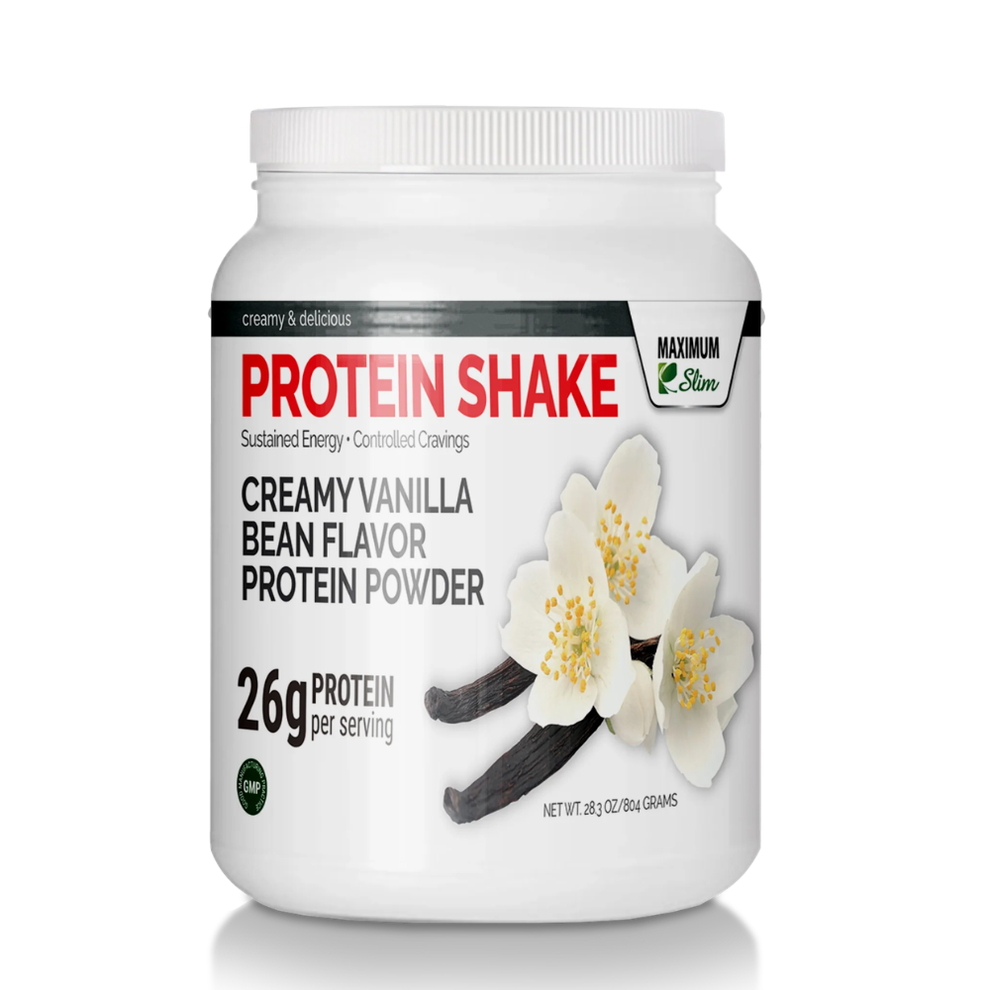
Featured Product
Organic Protein Shake - Maximum Slim
is a delicious plant-based formula designed to support everyday nutrition and a balanced lifestyle. Each serving provides 20g of organic plant-based protein and 10g of organic fiber, making it a convenient option for smoothies, shakes, and meal replacement support.
Shop Now →The Biology Behind Why Weight Loss Plateau Happens
Adaptive thermogenesis describes a reduction in resting and non-resting energy expenditure that occurs after underfeeding and cannot be explained entirely by changes in body weight or body composition. In everyday language, your body may burn fewer calories than a calculator predicts after you reduce intake and lose weight. The same meals can therefore create a smaller deficit later in the process.
A controlled study of obese men found that measured resting metabolic rate fell 418 kJ per day more than predicted during the first phase of weight loss, with the difference widening to 706 kJ per day at plateau. The adaptive reduction represented 30.9% of the compensation in energy balance that resisted additional fat loss, as reported in the review and controlled-study summary.
A coordinated response, not a motivation defect
Several systems can contribute. Lower body mass reduces the energy required to move and maintain tissue. Hormonal signals associated with energy availability can shift, sympathetic nervous system activity can decline, and muscles can become more efficient at performing familiar tasks. These changes don't mean fat loss is impossible. They mean your original plan needs reassessment as your body changes.
The pattern is common. A 2024 clinical summary reported that plateaus affect approximately 85% of dieters and usually appear weeks to months after a weight-management program begins, according to StatPearls and the National Library of Medicine. A later review described plateaus commonly emerging around six to eight months, while a meta-analysis of eight weight-loss strategies found that weight loss typically plateaued at about six months across diet, exercise, meal-replacement, very-low-energy, and medication-based approaches, as summarized in the Cambridge review.

The body can also respond through behavior. Hunger may rise, fatigue may increase, and non-exercise activity thermogenesis, or NEAT, can fall. You might take fewer steps, shift position less often, or choose the easier version of a routine without consciously deciding to “give up.” A modeling study found that intermittent adherence loss was a major contributor to the early plateau commonly seen around six months, while clinical data connected larger energy deficits with stronger metabolic downregulation, as described in this analysis of adherence and energy expenditure.
For a plain-language explanation of energy expenditure and practical metabolism habits, see this guide to boosting metabolism. The key point is simple: a plateau often reflects a smaller body, lower expenditure, altered appetite, and less spontaneous movement working together.
Is It Really a Plateau or Just Hidden Water and Noise
The scale can remain flat while fat loss continues. Glycogen changes alter stored water, sodium can shift fluid balance, menstrual-cycle phases can affect scale weight, and new resistance training can create temporary inflammation. A hard workout may improve your body composition while making the next few weigh-ins look unhelpful.
Muscle gain can also mask fat loss, particularly when your waist changes and training performance improves. Tracking errors create a different problem. Inconsistent weigh-in timing, different clothing, restaurant portions, cooking fats, liquid calories, and unlogged tastes can make the reported deficit larger than the actual one.
Use a trend, not a single reading
Weigh yourself under consistent conditions, such as after waking and using the bathroom, then examine a two-to-four-week trend. Take waist and hip measurements weekly using the same landmarks. Record training performance, how clothing fits, and whether your daily movement has changed.
Use this decision table before cutting intake:
| Signal | True Plateau | Noise or False Stall |
|---|---|---|
| Scale trend | The multi-week average is stable despite consistent intake and movement | Daily readings move up and down, but the average still trends downward |
| Measurements | Waist and hip measurements remain broadly unchanged | Measurements decrease even when scale weight pauses |
| Training | Performance and recovery don't explain the stall | New resistance training, soreness, or a change in training volume coincides with the pause |
| Intake records | Weighed portions and logged meals show a stable, verified pattern | Oils, drinks, restaurant meals, snacks, or weekends remain estimated |
| Timing | The stall persists after repeated consistent observations | The pause overlaps with a menstrual-cycle phase, salty meals, travel, constipation, or unusual training |
A genuine plateau is a persistent trend, not a flat line lasting a handful of mornings. If measurements are falling or your average is slowly declining, keep the plan steady. If the trend, measurements, and performance all remain unchanged after a careful audit, then change one variable rather than abandoning everything at once.
Nutrition and Training Levers to Break a Plateau
Once your trend confirms a genuine stall, use a small number of deliberate adjustments. The goal isn't to slash food until hunger and fatigue make adherence impossible. The goal is to restore accurate information, protect lean tissue, and increase energy output in ways you can repeat.
Audit before you restrict
Log everything for three to seven days, including oils, sauces, drinks, supplements mixed with calories, bites while cooking, and weekend meals. Weigh portions when practical. This isn't about chasing perfection. It's about discovering whether your current intake matches the target you think you're following.
Use this guide to understanding macros for weight loss to organize protein, carbohydrates, and fats around your actual meals. Protein deserves special attention during restriction because preserving lean mass supports strength and helps limit the decline in energy needs. The research summary supplied for this article supports a practical target of 1.6 to 2.2 grams of protein per kilogram, but individual needs and medical conditions vary.
A strategic refeed or diet break may help some people restore training quality, glycogen availability, and adherence. It isn't a metabolic reset button, and it won't compensate for consistently untracked intake. Treat it as a planned maintenance phase, not an unrestricted weekend.

Make movement easier to repeat
NEAT often responds better to small, frequent changes than to another exhausting cardio session. Add a walk after meals, park farther away, take movement breaks during work, or set a step target that fits your current schedule. These actions can increase daily movement without consuming the recovery budget required for hard training.
Keep resistance training focused on maintaining or gradually improving performance. Use compound movements you can execute safely, track repetitions and load, and progress only when recovery supports it. Strength work gives your body a reason to retain muscle while you lose fat, but more volume isn't automatically better.
For another practical perspective on how to break a weight loss plateau, compare recommendations against your own trend data rather than copying someone else's calorie target.
Your one-week checklist can stay simple:
- Food audit: Log every item for several consecutive days.
- Protein anchor: Add a protein-rich food to each main meal.
- NEAT change: Take a short walk after one or two meals.
- Strength signal: Record your main lifts and preserve good technique.
- Planned pause: If fatigue and adherence are deteriorating, discuss a structured maintenance break with a qualified professional.
Sleep Stress and Recovery as Hidden Plateau Drivers
A nutrition plan can look precise on paper while recovery undermines it. Poor sleep can increase hunger, reduce patience with food decisions, and make ordinary movement feel harder. Stress can also raise scale weight through fluid retention, which makes a short-term plateau look like fat gain.
The supplied research background connects insufficient sleep with appetite regulation and dietary difficulty, but the exact effect varies between people. Don't treat a single bad night as a metabolic disaster. Look for a repeated pattern: late bedtimes, broken sleep, intense training without recovery, and work stress that keeps your nervous system activated.
Run a recovery audit
Start with consistency rather than chasing a perfect sleep score. Keep bed and wake times relatively stable, expose yourself to morning light, set a caffeine cutoff that protects your bedtime, and create one repeatable wind-down ritual. Put the phone outside reach, dim the room, or use a short reading routine.
Training stress matters too. If performance falls, soreness lingers, and motivation collapses, adding more cardio may worsen the situation. A temporary reduction in training volume can help you recover while you maintain the habit of moving.

Sleep advice should also account for individual schedules, shift work, caregiving, menopause, pain, and sleep disorders. This practical resource on how to improve sleep to lose weight can help you build a more consistent evening routine.
A short recovery checklist:
- Schedule: Keep wake time consistent where possible.
- Morning light: Get outdoor light early in the day.
- Caffeine: Stop early enough that sleep onset remains easy.
- Stress outlet: Use a walk, breathing exercise, journal, or conversation.
- Training check: Reduce intensity when recovery markers consistently worsen.
The aim isn't to blame sleep for every stall. It's to remove a factor that can increase hunger, reduce NEAT, impair training quality, and amplify water fluctuations.
For a broader routine, review this sleep-quality guide. Good recovery doesn't replace nutrition, but it determines whether your nutrition and training plan remains usable.
Plateaus After Weight Loss Medications and GLP-1s
A plateau while taking a GLP-1 medication isn't the same as weight regain after stopping it. During treatment, appetite may fall faster than meal quality and protein intake are adjusted. Some users unintentionally eat too little, train less effectively, or lose lean tissue alongside fat. The answer isn't automatically a higher dose or a larger calorie cut. A prescriber and dietitian can help evaluate food intake, symptoms, hydration, resistance training, and the medication plan.
After cessation, the challenge changes. The appetite-suppressing effect is no longer providing the same support, while the biological adaptations associated with weight loss may remain. A maintenance strategy needs to be designed before the medication ends, not improvised after hunger and regain become overwhelming.
| Factor | On GLP-1 | After stopping GLP-1 |
|---|---|---|
| Appetite | Often reduced, which can make adequate protein and nutrient intake difficult | May rise as medication support fades |
| Main plateau question | Are meals sufficiently nutritious, protein-rich, and compatible with training? | Is the maintenance plan strong enough for higher appetite and lower energy needs? |
| Training focus | Preserve strength and lean mass despite lower intake | Continue strength training and structured eating |
| Clinical priority | Review dose, side effects, intake, and progress with the prescriber | Discuss an individualized maintenance or treatment plan before making changes |
A 2026 meta-regression reported that after GLP-1 receptor agonist cessation, regained weight appeared to plateau at about 75.6% of the weight lost, with about 40.2% of on-treatment loss remaining at one year, as reported in the Endocrine Abstracts analysis. Independent trial coverage described 6.9% regain in 48 weeks after a placebo switch in STEP-4 and 14% regain in 52 weeks after tirzepatide withdrawal in SURMOUNT-4, summarized in that same source.
These findings don't mean medication is ineffective. They show that weight loss and weight maintenance are separate tasks. For readers comparing treatment expectations, this overview of expected weight loss on GLP-1s in 2026 may provide additional context, but medication decisions belong with a qualified prescriber.
When Self-Management Stops Working and a Clinician Can Help
Self-management makes sense when your trend is short, your measurements are changing, your intake hasn't been fully audited, and you have no concerning symptoms. It becomes less appropriate when the stall persists despite consistent records or when other body changes appear.
Seek medical input for a persistent stall accompanied by new fatigue, hair shedding, severe constipation, menstrual disruption, or rapid regain after stopping medication. Sudden unexplained weight change, feeling unusually cold, or an irregular heartbeat also deserves evaluation rather than another aggressive diet adjustment.

Make the appointment useful
A clinician may consider tests such as TSH for thyroid function, A1C for longer-term glucose regulation, ferritin for iron stores, and a basic metabolic panel for general metabolic and electrolyte information. Fasting insulin or cortisol may be considered when the history and symptoms make them relevant. These tests aren't a universal plateau panel, so let the clinician decide what fits your situation.
Bring a two-to-four-week weight trend, food records, training notes, medication and supplement lists, sleep observations, menstrual-cycle information when relevant, and a description of symptoms. A primary-care clinician can coordinate initial evaluation. A registered dietitian can audit intake and build a realistic plan, while an endocrinologist may help when endocrine or metabolic conditions require specialist assessment.
A plateau deserves investigation, not dismissal as a willpower problem.
Don't stop, restart, or change a prescription without the prescriber who manages it. Clinical support can help identify medication effects, thyroid problems, glucose issues, iron deficiency, sleep disorders, or other factors that lifestyle adjustments alone won't resolve.
Your Four Week Plateau Reset Plan
This reset is designed to produce better information before you make a major change. Keep the plan flexible if you have a medical condition, a history of disordered eating, pregnancy, or medication-related nutrition needs.
Week one, measure the baseline
Record morning weights under consistent conditions and calculate a trend rather than reacting to individual readings. Measure your waist and hip once during the week, log all food and drinks, and note steps, workouts, sleep, digestion, and menstrual-cycle timing when relevant. Protect protein intake around 1.6 to 2.2 grams per kilogram, using the guidance linked in the earlier nutrition section.
Week two, add a manageable movement signal
Maintain your food structure and add progressive overload only if recovery supports it. Include two short walks after meals or place brief movement breaks around your workday. If your audit shows inconsistent intake, fix the logging gap before cutting calories.
Week three, protect recovery
Set a consistent wake time, use morning light, establish a caffeine cutoff, and create a digital wind-down routine. Review whether fatigue, soreness, or work stress is pushing your NEAT downward. A recovery problem may require less training stress, not more.
Week four, recalibrate carefully
If adherence is verified and the trend remains unchanged, adjust intake modestly with professional guidance. The plan notes suggest considering a 100 to 150 calorie adjustment, but that change should not be treated as universal, especially if fatigue, hunger, or medical concerns are high. If medication use or cessation is involved, review the situation with your clinician rather than self-adjusting treatment.
After the reset, shift from daily scale judgment to regular maintenance check-ins. A body-weight goal isn't the end of the process. Maintenance requires its own routines for protein, strength training, movement, sleep, and early course correction.
Maximum Health Products offers resources such as a structured 21-Day Keto Meals Plan, clean-label protein options, and nutrition-focused guides that can support more organized meal planning during a plateau audit. Visit Maximum Health Products to explore tools that fit your eating structure and longer-term weight-management routine.

