


A lot of sleep advice treats decaf like an on-off switch. Regular coffee keeps you up. Decaf doesn't. End of story.
Real life is messier than that.
You might drink a mug of decaf after dinner and sleep fine. Your partner might do the same and still feel oddly alert at bedtime. Both experiences can be true. The difference often comes down to three things: what was in the cup, how much you drank, and how your body handles even small amounts of stimulation.
If you've ever asked will decaf coffee keep you awake, the most honest answer is: it can, but not for everyone. The word “decaf” sounds absolute, yet it isn't. And caffeine isn't the only reason coffee can feel mentally activating.
That's where this gets interesting. Your genes, your sensitivity, your routine, and even the familiar ritual of drinking coffee can shape the result. Once you understand that, the question stops being “Is decaf safe at night?” and becomes “Is this decaf, at this time, right for my body?”
The Evening Coffee Dilemma
It's a common scene. Dinner is done, the kitchen is quiet, and you want something warm. Tea doesn't sound right. Dessert feels heavy. Coffee sounds perfect, except for one worry. You want the comfort, not the midnight ceiling-staring.
So you reach for decaf because that seems like the simple fix.
For many people, it is. A cup of decaf in the late afternoon or evening won't automatically wreck sleep. But the popular advice that decaf is basically the same as caffeine-free misses an important detail. Decaf still has some caffeine, and some people notice even small amounts.
That's why two people can drink the same evening coffee and have very different nights. One person falls asleep on schedule. The other feels slightly buzzy, or just not sleepy enough when bedtime arrives. Often they assume they're imagining it.
They usually aren't.
Decaf sits in a gray zone. It's much lower in caffeine than regular coffee, but it isn't always biologically neutral.
There's another layer people don't talk about enough. Coffee affects more than just chemistry. The smell, the heat, the taste, and the habit can all signal your brain in ways that feel energizing. If your body associates coffee with starting work, answering emails, or getting things done, even decaf can nudge you toward alertness.
That's why blanket advice falls short. The better question isn't whether decaf is “good” or “bad” for sleep. It's whether your version of decaf, in your body, at your chosen time, is likely to interfere with rest.
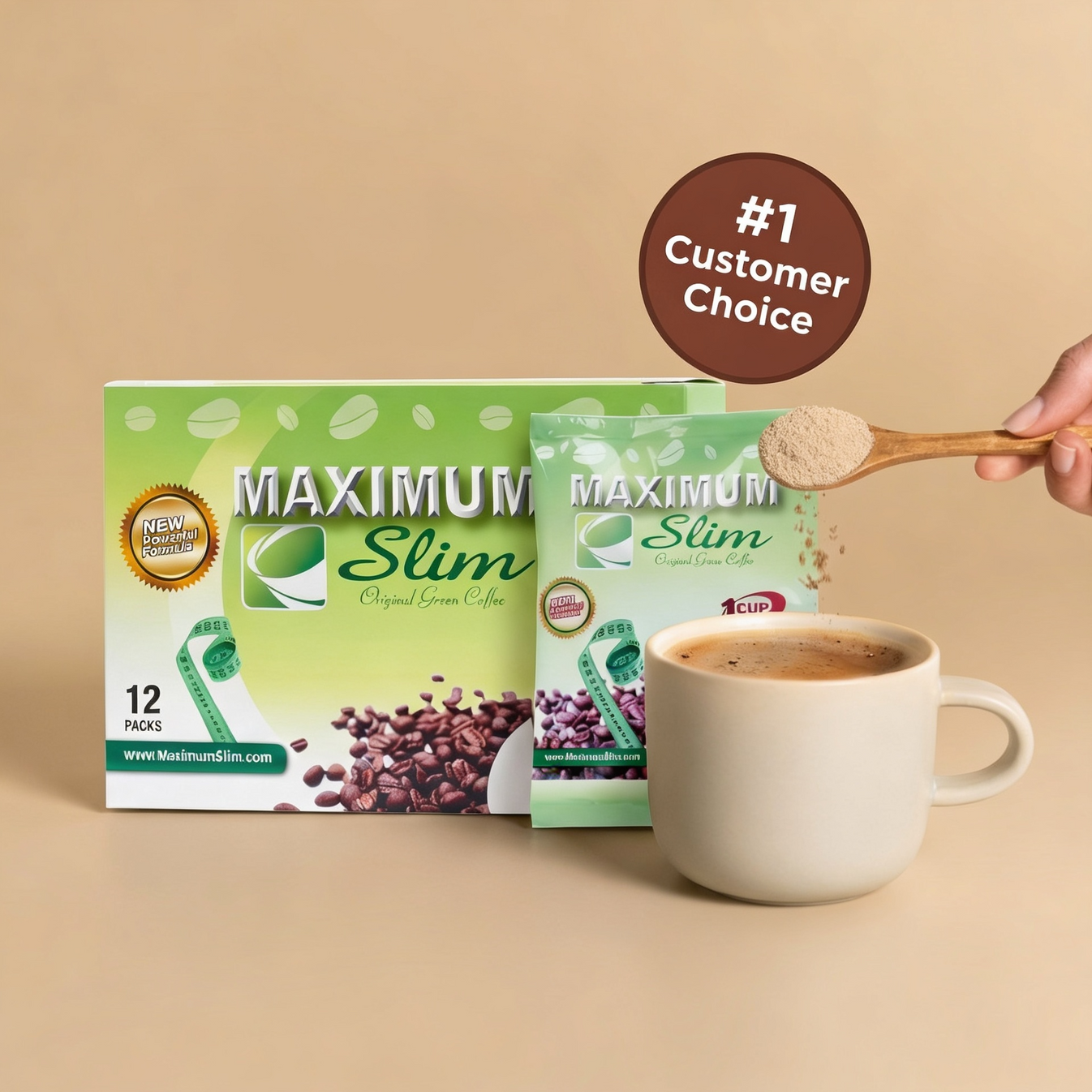
Featured Product
Maximum Slim Original Green Coffee | Premium Unroasted Arabica Blend (12 Ct)
Discover a delicious daily coffee crafted to complement your wellness routine. Enjoy one cup a day as part of a balanced lifestyle.
Shop Now →Deconstructing Decaf What's Really in Your Cup
The term decaffeinated is misleading. It means most of the caffeine has been removed, not all of it.
A useful comparison is low-sodium soup. It contains far less salt than the regular version, but some is still there. Decaf coffee works the same way. Under U.S. rules, decaffeinated coffee must be at least 97% caffeine-free, according to this decaf caffeine breakdown from Cafely.

The basic numbers
An 8-ounce cup of decaf typically lands in the 2 to 7 mg of caffeine range, while a regular cup is usually much higher, as noted in the same Cafely guide.
| Beverage (8 oz / 236 ml serving) | Typical Caffeine Amount (mg) |
|---|---|
| Decaf coffee | 2 to 7 |
| Regular coffee | 95 to 140 |
That gap explains why decaf feels sleep-friendly for many people. It also explains why some people still notice an effect. A small dose is still a dose.
Not all decaf is the same
“Decaf” is not one uniform product. The final caffeine amount can shift based on the decaffeination method, the bean blend, roast level, grind size, and how strongly the coffee is brewed.
Chain coffee adds another variable. The same Cafely guide notes that some decaf drinks from major brands can contain much more residual caffeine than people expect, and levels can vary even within the same brand. So one evening decaf may be gentle, while another acts more like a very small regular coffee.
Preparation matters at home too. A larger scoop of grounds or a longer extraction can pull more compounds into the cup, including trace caffeine. If you enjoy experimenting with taste and technique, this guide to brewing the perfect cup of Nescafe Gold shows how small brewing choices can change what ends up in your mug.
There is also a piece many articles skip. Coffee is more than caffeine. Decaf still contains other plant compounds that can shape flavor, digestion, and how “stimulating” the drink feels in your body, even if they do not act like caffeine in the brain. That matters because the primary question is not just how much caffeine remains. It is how that particular cup interacts with your biology.
What this means when you shop
You do not need to memorize processing charts. You just need a more accurate mental model: decaf is a category with variation, not a single predictable substance.
A practical approach helps:
- Check brand details when available. Some companies explain their decaffeination process more clearly than others.
- Watch serving size. A large cafe decaf can deliver more residual caffeine than a smaller mug.
- Pay attention to concentration. Stronger brews can bring more trace caffeine into the cup.
- Choose formats you can measure easily. If you want tighter control over portion size, organic instant coffee choices can make your evening routine more predictable.
Practical rule: Decaf is best understood as lower-caffeine coffee, not caffeine-free coffee.
How Trace Caffeine Affects Your Brain
Even a small amount of caffeine can matter because of where it works, not just how much there is.
Your brain builds up sleep pressure over the day. One of the chemicals involved is adenosine, which you can think of as the body's natural “you're getting tired now” messenger. As the day goes on, more of that signal builds.
Caffeine doesn't erase tiredness. It mostly blocks the message.
The musical chairs idea
Adenosine works by occupying specific spots in the brain called receptors. If that phrase sounds technical, consider this visual: it is a game of musical chairs. Adenosine wants to sit down and tell your brain to slow down. Caffeine sneaks in first and takes the seat.
When caffeine sits there, your brain gets less of the “time to rest” message. That's why even a little can make you feel more awake than you expected.
A Journal of Analytical Toxicology summary notes that alertness effects can begin at around 20 mg, and that in highly sensitive people, even 5 to 10 mg from decaf can trigger measurable changes in brain activity. The same source also notes that 3 to 5 cups of decaf can add up to 15 to 75 mg, enough to potentially impair sleep quality.
That stacking effect matters. One cup may feel harmless. Several cups across an afternoon and evening can behave very differently.
Half-life in plain language
Caffeine also hangs around longer than typically anticipated. Its half-life is the time it takes for your body to clear about half of it.
The easiest analogy is a slowly melting ice cube. If you drop caffeine into your system at dinner, your body doesn't clear it all by bedtime. Some of it is still there, still occupying those receptor “chairs,” even if the buzz feels subtle.
If you've ever wondered why a late drink affects sleep more than expected, half-life is often the missing piece. This is also why people comparing matcha caffeine vs coffee often notice that different drinks create different patterns of energy and wind-down.
Here's a quick explainer if you like visual learning:
It isn't only about caffeine
Coffee can feel stimulating for reasons beyond caffeine content alone. Some people feel more alert from the ritual of coffee itself. The aroma, the warmth, and the expectation of a mental lift can all matter.
Non-caffeine compounds may also play a role in short-term alertness. So if decaf seems to wake you up even when the caffeine number looks small, that doesn't automatically mean the experience is “all in your head.” Your brain responds to chemistry and context together.
Your Personal Caffeine Code Why You React Differently
Two people can drink the same decaf and get different results because their bodies don't process caffeine the same way.
That difference is one reason generic sleep advice can feel useless. Your friend might drink decaf after dinner and fall asleep easily. You might do the same and still feel mentally switched on. Neither body is wrong.

Fast drain and slow drain
A simple way to picture caffeine metabolism is to imagine two sinks.
One sink has a wide drain. Water moves out quickly. The other has a narrow drain. Water lingers. Caffeine metabolism works similarly. Some people clear caffeine faster. Others clear it more slowly.
According to Neighbourhood Coffee's review of decaf and sleep, about 50% of people are slow metabolizers because of a CYP1A2 gene variant. For these people, caffeine's half-life can stretch to 8 to 10 hours, and a 2023 study found a 25% higher incidence of sleep disruption after decaf compared with a placebo.
If that sounds surprisingly strong for decaf, remember the key point from earlier. Decaf doesn't need to feel like espresso to affect sleep. It only needs to leave enough stimulation in the system at the wrong time.
Signs you may be more sensitive
You don't need a genetics report to suspect you're on the more sensitive end. Your lived response is useful information.
Clues often include:
- You feel coffee quickly. Even small servings make you feel focused, restless, or “on.”
- Sleep shifts easily. A drink later in the day makes it harder to feel sleepy at your normal time.
- You notice subtle symptoms. Faster thoughts, mild tension, or that odd tired-but-not-sleepy feeling can all count.
- Decaf still feels different from herbal tea. If an evening decaf leaves you more alert than a non-coffee drink, pay attention.
If your body gives you the same signal several times, believe it. You don't need to win an argument with the label.
Other factors that can change your reaction
Genes matter, but they aren't the whole story. Sensitivity can shift with daily life and health status too.
A few examples:
- Medications and health conditions can change how long caffeine stays active in your system.
- Stress load can make small stimulation feel bigger.
- Sleep debt can make you more reactive. When you're already overtired, the line between “helpful perk-up” and “wired at bedtime” gets thinner.
- Conditioned habit matters. If your brain links coffee with work mode, the ritual itself may nudge alertness.
This is why comparing yourself to someone else usually backfires. Coffee response is personal. The better goal is to learn your own pattern and build around that.
Smart Strategies for Enjoying Decaf Without Losing Sleep
If you like decaf and sleep well with it, you probably don't need to panic. But if you're asking whether decaf coffee will keep you awake, your body may already be hinting that you need a more deliberate routine.
The good news is that small adjustments often make a big difference.
Set a decaf curfew
A lot of people focus on what they drink and ignore when they drink it. Timing may matter more than brand for sleep-sensitive readers.
Healthline's discussion of decaf and sleep timing notes emerging research that decaf's non-caffeine polyphenols may increase cortisol for 30 to 60 minutes post-consumption, potentially delaying melatonin onset. The same source recommends a 2 to 3 hour cutoff before bed or switching to a herbal alternative.
That means your safest evening window may not be “right before bed,” even if the drink is decaf.
Keep quantity boring
People often get into trouble with decaf by treating it like free space. One after lunch becomes one after dinner, then another while watching a show.
Try this instead:
- Keep it to one evening serving if you're testing tolerance.
- Use a smaller mug rather than a large café cup.
- Track patterns for a week by noticing bedtime, how long it takes to fall asleep, and whether decaf was involved.
That kind of simple observation usually tells you more than internet debates.

Choose the right evening drink
If your goal is comfort, coffee isn't your only option. Sometimes what you really want is warmth, flavor, and a nighttime ritual.
A smart progression looks like this:
- Afternoon decaf if you tolerate it well.
- Earlier evening decaf only if you've tested it and sleep stays solid.
- Herbal tea at night if you're sensitive, stressed, or protecting sleep quality.
If sleep has been off for a while, broader habits matter too. This fixing poor sleep quality guide is helpful because it looks beyond one drink and focuses on the full sleep environment and routine.
Treat sleep like a system
A single cup rarely acts alone. Light exposure, stress, meal timing, and late-night screen use all interact with what you drink.
That's why people who want better rest often benefit from a full routine rather than one food rule. If that's your situation, this practical article on how to improve sleep quality can help you look at the bigger picture instead of blaming every rough night on one mug.
Bottom line: If evening decaf seems questionable for you, don't force it. Move it earlier, shrink the serving, or swap it out.
The Final Verdict on Decaf and Your Sleep
So, will decaf coffee keep you awake?
Sometimes. For some people.
That answer may sound less satisfying than a clean yes or no, but it's the honest one. Decaf sits in a middle category. It contains much less caffeine than regular coffee, yet it can still affect sleep when the timing, dose, and person line up the wrong way.
The most useful way to think about it is as a simple equation:
the coffee itself + your biology + your timing
If the cup has very little residual caffeine, your body clears it well, and you drink it early enough, you may sleep perfectly fine. If you're a slow metabolizer, highly sensitive, stressed, or drinking it too close to bed, decaf may still keep you more alert than you want.
That's why listening to your body beats following a blanket rule.
If you're building a more sleep-supportive routine overall, it can also help to review options like these supplements for improved sleep quality, especially if your challenge goes beyond coffee and includes stress, wind-down habits, or trouble settling at night.
The best evening drink is the one that gives you comfort without stealing tomorrow's energy. For some people, that's decaf. For others, it's something fully caffeine-free.
If you want clean-label options to support daily energy, focus, metabolism, or a calmer evening routine, explore Maximum Health Products. Their range includes coffee, tea, cocoa, and wellness formulas designed for people who want simple ingredients and practical support for how they feel day to day.

