


Mornings get chaotic fast. You need something that takes minutes, keeps you full, and doesn't leave you hunting for snacks an hour later. That’s where a high protein low carb shake earns its place. It can work as breakfast, a post-workout meal, or a backup plan for the afternoons when lunch never really happened.
The appeal isn’t just convenience. A well-built shake gives you protein for fullness and muscle support, keeps carbs controlled, and can be easier to repeat than cooking another “healthy” meal from scratch. That consistency matters more than perfection.
The Quick Meal That Transforms Your Health
A lot of people turn to shakes after the same frustrating pattern. Breakfast is toast or nothing. Lunch is delayed. Energy dips by mid-afternoon. Then cravings hit hard, and dinner turns into catch-up eating.
A good high protein low carb shake solves a very practical problem. It gives you a fast meal that’s easy to digest, simple to prep, and much more structured than grabbing whatever is nearby. When the ingredients are chosen well, it can support steadier energy, better appetite control, and a more reliable daily routine.
That’s one reason shakes have moved far beyond gym culture. The global protein powder market reached over $32 billion USD by 2025, with protein shakes becoming a mainstream dietary staple rather than a niche sports product, according to Statista’s protein shake market coverage. In everyday terms, more people now use shakes as a normal nutrition tool, not a bodybuilding accessory.
A shake isn’t “healthy” just because it’s high in protein. It has to be built well enough to replace a real meal.
Most protein shakes offer a meaningful amount of protein, but the quality varies widely. Some products are virtually dessert with a protein label. Others are clean, balanced, and designed to support weight management or recovery without a sugar-heavy formula.
The difference comes down to what’s inside. Protein matters, but so do fiber, fats, sweeteners, and the ingredient list as a whole. If you understand those parts, you can build a shake that helps your body instead of just sounding healthy.
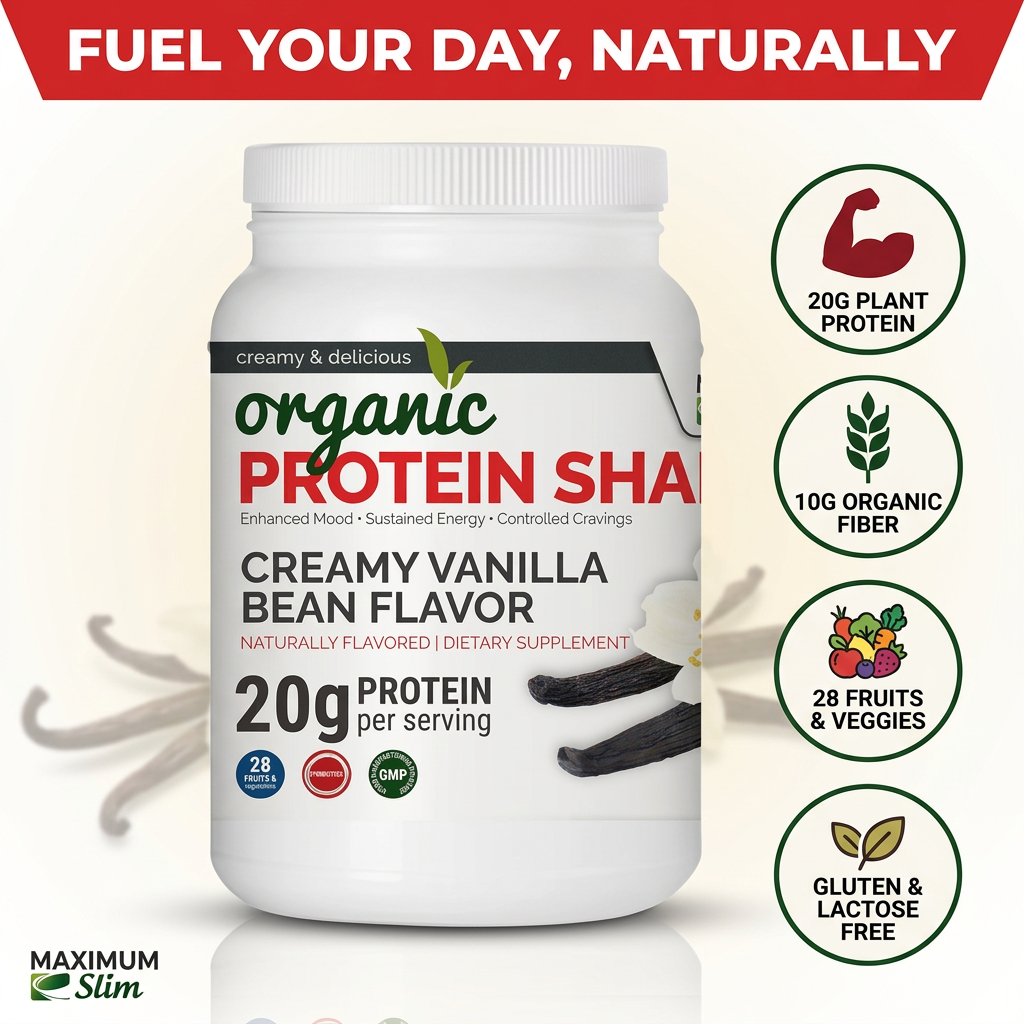
Featured Product
Organic Protein Shake - Maximum Slim | Nutrient Rich Drink for Muscle Recovery
This formula includes a blend of 28 fruits and vegetables and is made to fit a variety of dietary needs.
Shop Now →Understanding the Benefits for Your Body
The biggest reason a high protein low carb shake works is simple. It changes how your meal behaves in your body.
When a meal leans heavily on refined carbs, energy tends to rise fast and fall fast. Protein and healthy fats are more like logs on a fire. Carbs alone can act more like kindling. They light quickly, burn quickly, and often leave you wanting more food sooner than expected.
Weight support and fullness
Protein helps you feel satisfied for longer. It also takes more energy for the body to process than carbohydrates, which is one reason higher-protein meals are often useful in weight-management plans.
Clinical research supports that role. In a peer-reviewed study in the NIH database, 22 overweight and obese subjects followed a low-carbohydrate diet enriched with 18 grams of whey protein daily for 6 weeks, and body weight, waist circumference, and fat mass all decreased significantly, according to the NIH study on whey protein in a low-carbohydrate diet.

Muscle support during busy or low-calorie phases
When people try to lose weight, they often focus only on calories. That’s where problems start. If protein intake is too low, your body has a harder time maintaining lean mass.
Lean mass matters because it supports strength, recovery, and day-to-day function. Even if your goal is fat loss, preserving muscle helps your plan stay sustainable. That’s why a protein-forward shake can be useful for adults who exercise, work long hours, or require a dependable meal replacement.
Stable energy and better blood sugar control
Low-carb shakes can also help smooth out the spikes and crashes that come from carb-heavy convenience foods. For many people, that means fewer mid-morning cravings and less of that foggy, hungry feeling a few hours after eating.
Digestive support matters here too. If your shake is all protein isolate and sweetener, you may feel full at first but not necessarily comfortable later. Adding prebiotic support can make the formula more useful for the long term. If you want a plain-English overview, GutRx prebiotics for metabolism offers a helpful look at why gut-friendly ingredients matter when you’re trying to improve appetite control and routine consistency.
Practical rule: If your shake leaves you full, clear-headed, and comfortable for several hours, it’s doing its job. If it leaves you bloated or hungry again too soon, the formula needs work.
The Anatomy of a Perfect Shake
A great shake isn’t random. It has a structure. Once you understand that structure, you can stop relying on trial and error.

The first job is setting a target. For a meal-style shake, think in terms of enough protein to satisfy you, controlled carbs, and extras that improve texture, digestion, and staying power.
Start with the protein source
Protein is the backbone of the shake, but not all proteins behave the same way.
According to this formulation overview of low-carb protein shakes, whey protein isolate is valued for rapid absorption and support of muscle protein synthesis, while micellar casein releases amino acids more slowly and can help reduce muscle breakdown over time. The same source notes that MCTs can support ketogenesis for brain energy without an insulin spike.
Here’s the practical version:
- Whey isolate works well after training or when you want a lighter, fast-digesting shake.
- Casein is thicker and more gradual, which many people like for meal replacement or evening use.
- Plant-based proteins can fit well for dairy-free routines, especially when you want a clean-label option with broader ingredient compatibility.
- Collagen can be gentle on digestion, though many people pair it with another protein source if they want a more complete meal feel.
Add fats and fiber on purpose
Many shakes often fall short. They provide sufficient protein but lack components for satiety or digestion.
A better build usually includes a small amount of healthy fat and a low-carb fiber source. Think avocado, chia seeds, spinach, flax, or a modest serving of nut butter if it fits your goals. These ingredients help with texture too. A shake with protein powder and water alone often tastes thin and chalky.
If you want examples of formulas that keep ingredients simple, clean protein shake ideas from Maximum Health Products are useful for seeing how a cleaner ingredient standard can guide your choices.
A short demo can help if you want to see ingredient combinations in action.
What clean label really means
“Clean label” is frequently used in a broad sense, so defining it in practical terms is beneficial. To a typical consumer, this concept implies a concise ingredient list and a reduction in additives that offer no nutritional value.
Look for shakes that avoid:
- Artificial sweeteners when possible
- Added sugars that push carbs up quickly
- Fillers and gums that can irritate sensitive digestion
- Soy and gluten if you’re trying to keep the formula allergen-conscious
- Artificial colors and flavors that add marketing appeal but not nutritional value
A clean-label shake doesn’t have to be complicated. It should be simple enough that you understand what each ingredient is doing.
Building Your Shake from the Ground Up
Instead of memorizing recipes, use a blueprint. That gives you flexibility without losing the nutritional goal.
Your shake recipe blueprint
| Component | Clean-Label Options | Vegan/Dairy-Free Options |
|---|---|---|
| Protein base | Whey isolate, micellar casein, collagen | Pea protein, blended plant protein |
| Liquid base | Water, unsweetened almond milk | Unsweetened almond milk, coconut milk beverage |
| Healthy fat | Avocado, MCT oil, almond butter | Avocado, MCT oil, almond butter |
| Fiber boost | Chia seeds, spinach, flax | Chia seeds, spinach, flax |
| Flavor enhancer | Cinnamon, vanilla extract, cocoa powder, sea salt | Cinnamon, vanilla extract, cocoa powder, sea salt |
This format keeps things simple. Pick one option from each row, blend, taste, then adjust the liquid and thickness.
If you want a refresher on how protein, fats, and carbs fit into a broader daily plan, this macronutrient guide for fitness coaches is a helpful practical reference even if you’re not a coach.
Three easy shake builds
Green everyday shake
This one works well for breakfast or a busy workday. Use unsweetened almond milk, a clean protein powder, a handful of spinach, chia seeds, and cinnamon. The spinach disappears into the flavor, while chia helps with thickness and digestion.
Chocolate avocado shake
For people who want a richer texture, blend protein powder with cocoa powder, avocado, water or almond milk, and a splash of vanilla. This feels more like a pudding-style shake than a thin drink, which can make a lower-carb routine easier to stick with.
If you struggle with cravings, start by improving texture. A creamy shake usually feels more satisfying than a watery one.
Triple berry version
Use a modest amount of berries for flavor, then anchor the shake with protein, unsweetened almond milk, and chia or flax. Berries can fit nicely when the rest of the shake stays low in carbs.
Making it dairy-free or vegan
A vegan shake can work very well if the formula is balanced. The easiest mistake is using a plant protein that tastes earthy and then trying to cover it with too much fruit.
A better approach is to build flavor in layers:
- Choose a neutral liquid like unsweetened almond milk.
- Use a plant protein with a short ingredient list.
- Add creaminess from avocado or chia.
- Use spices like cinnamon or cocoa before adding extra sweetener.
- Blend thoroughly so texture doesn’t sabotage the experience.
For more ideas on combining powders, liquids, and add-ins, this protein powder shake guide from Maximum Health Products is a practical companion when you want more variety without losing the clean-label focus.
How to Choose the Best Protein Powder
The label tells you almost everything you need to know. You just need a quick system for reading it.

The smart shopper checklist
Start with the macronutrients. For a high protein low carb shake, the target is clear. Glucerna’s product guidance notes that optimal results come from shakes with 25 to 42 grams of protein and under 5 grams net carbs, and that low-carb, high-protein formulas can produce 1 to 2 kg greater fat loss over 12 weeks versus standard formulas.
Then check the ingredient list:
- Protein first: The main protein source should appear near the top.
- Carbs controlled: Watch for sugar-heavy add-ins that turn a shake into a dessert.
- Sweeteners identified: If you’re sensitive, look carefully for artificial sweeteners.
- Extras justified: Thickeners, fillers, and “proprietary blends” often add confusion, not value.
- Label matches your goal: A workout shake, meal-replacement shake, and snack shake don’t need the same profile.
If you’re trying to connect protein powder choices to appetite and body-composition goals, these practical tips for protein and weight loss can help you think beyond the front-of-package marketing.
When convenience matters
Finding a powder that checks every box can take time. One factual example in this category is Maximum Health Products’ Organic Protein, which the brand positions as a clean-label option without preservatives, artificial colors or flavors, added sugars, soy, gluten, fillers, or animal products. If you want to compare that standard against your current tub, this clean protein powder guide from Maximum Health Products gives a useful framework.
The best powder for you is the one you’ll actually use consistently, tolerate well, and feel good drinking three weeks from now.
Fine-Tuning Taste, Texture, and Digestion
A shake can look perfect on paper and still fail in real life if it tastes bad or upsets your stomach. Small adjustments make a big difference.
Fixing common shake problems
If your shake tastes chalky, blend it longer and add a creamy ingredient like avocado or chia. If it tastes flat, use cinnamon, vanilla extract, cocoa powder, or even a tiny pinch of sea salt to sharpen the flavor.
If it’s too thick, add more liquid slowly. If it’s too thin, use less liquid next time or add a fiber source that also improves mouthfeel.
Supporting digestion
Digestive comfort deserves more attention than it gets. A 2025 study in Nutrients found that 42% of low-carb dieters reported digestive discomfort from protein shakes, and the same source notes that adding a tablespoon of chia seeds for 5g fiber or using a more gut-friendly protein like collagen can improve tolerance, according to this discussion of protein shakes and digestion.
That lines up with what many people notice in practice. A shake with only isolate, sweetener, and water may hit protein goals but still leave you bloated or constipated. Adding fiber, rotating protein types, and choosing simpler ingredient lists can make the habit much easier to maintain.
A few timing ideas can help too:
- Breakfast: Use a fuller meal-style shake with fiber and fat.
- Post-workout: Keep it lighter and protein-forward.
- Afternoon backup: Make it simple enough that you’ll use it instead of skipping food and overeating later.
- Evening: Choose a gentler, more satisfying blend if nighttime cravings are your weak spot.
If you want a simpler way to put this into practice, Maximum Health Products offers clean-label wellness products that fit the same framework: high protein, controlled carbs, simple ingredients, and digestive-friendly habits you can repeat. Start with one shake formula you enjoy, use it consistently for a week, and adjust from there. That’s usually where real progress begins.

