


You’re standing in the kitchen, mug out, kettle hot, spoon in hand, and the jar of instant coffee is open. The question seems simple. How much instant coffee per cup?
The usual answer is “however much tastes right.” That’s incomplete. The amount you use also shapes how alert you feel, how steady your focus stays, and whether your coffee supports your day or overshoots it.
A better approach is to treat instant coffee like part of a wellness routine, not just a fast beverage. The right cup before a workout isn’t always the right cup for a slow morning at your desk. The amount that helps you lock in on deep work may be too much for late afternoon. Precision matters, even with something as convenient as instant coffee.
The Simple Question with a surprisingly Personal Answer
The desire for a single rule is common. One spoon, one mug, done. That works if your only goal is getting coffee into your system quickly.
But how much instant coffee per cup depends on what you want that cup to do. A gentle start to the day calls for a different amount than a stronger cup before training, a long drive, or a demanding block of work. The “right” amount is personal because your body, your timing, your mug size, and your sensitivity all change the outcome.
Why the same scoop doesn’t work for everyone
Instant coffee is convenient, but it isn’t automatically uniform in effect. Brand differences, scoop size, water volume, and preparation all matter. A rounded teaspoon and a level teaspoon do not produce the same cup. Neither does using a large mug when you meant to make a standard serving.
That’s why a practical guide should start with a baseline, then adjust for purpose.
Practical rule: Choose your amount based on the result you want first, then fine-tune taste second.
Think in terms of intent
Use this lens before you scoop:
- Gentle focus: Keep the cup lighter and avoid making it overly concentrated.
- Standard morning energy: Use a balanced amount with enough body and caffeine to feel clear, not jittery.
- Stronger performance support: Increase the coffee slightly, but keep water temperature and full dissolution under control so the cup stays smooth instead of harsh.
That small pause before you prepare your coffee changes the ritual. You stop guessing and start using instant coffee more intentionally.
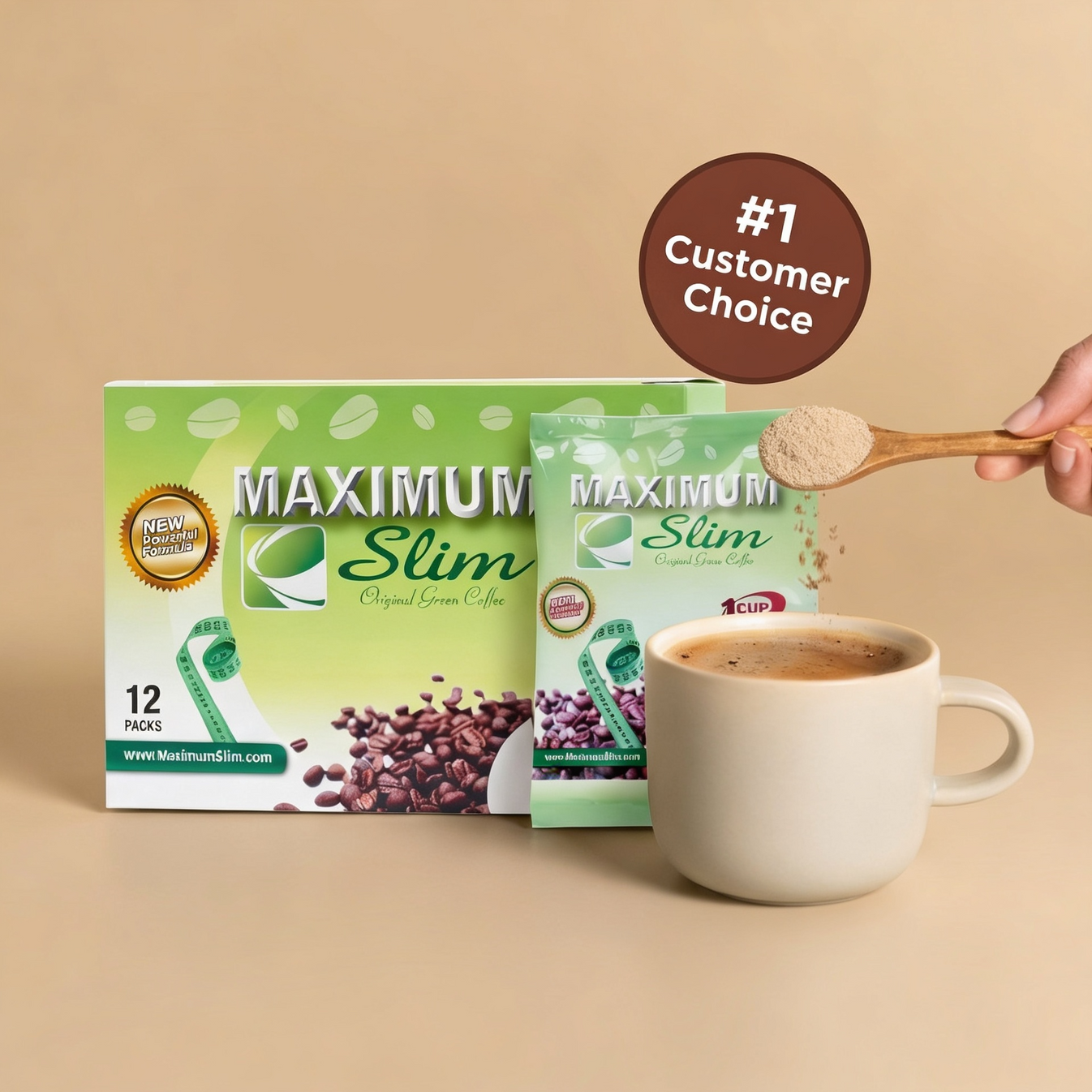
Featured Product
Maximum Slim Original Green Coffee | Premium Unroasted Arabica Blend (12 Ct)
Discover a delicious daily coffee crafted to complement your wellness routine. Enjoy one cup a day as part of a balanced lifestyle.
Shop Now →Your Starting Point The Instant Coffee Ratio Guide
Generally, the best starting point is 1 to 2 teaspoons of instant coffee per 8 oz or 240 mL of water. That range is practical, easy to remember, and simple to adjust.
If you prefer precision, grams help because instant coffee textures vary. Fine powder packs differently than larger freeze-dried granules. A teaspoon still works, but weighing removes the guesswork.
A quick baseline that works
Here’s a simple guide for a standard mug.
| Strength | Ratio (Teaspoons) | Ratio (Grams) |
|---|---|---|
| Mild | 1 tsp | about 2 g |
| Standard | 1.5 tsp | about 3 g |
| Strong | 2 tsp | about 4 g |
Use this as a starting point, not a rule carved in stone. If your mug is larger than a standard cup, keep the coffee-to-water balance in mind. If you’re unsure what your mug holds, this guide to perfect drinkware size helps make sense of real-world cup sizes.
Water temperature matters as much as the scoop
Amount alone won’t save a poorly mixed cup. Expert brewing data shows recommended water temperature for instant coffee is 195°F to 205°F (90°C to 96°C), and water below 90°C can leave granules incompletely dissolved and create a gritty mouthfeel, according to instant coffee reconstitution and dissolution guidance in this patent reference.
That matters for more than flavor. If the granules don’t dissolve fully, you get an uneven cup.
Water that’s too cool leaves texture problems. Water that’s too hot can flatten aroma and push the cup toward bitterness.
The best starting method
A reliable everyday method looks like this:
- Add 1.5 teaspoons for a standard cup.
- Heat water into the recommended hot range, not at a rolling boil.
- Stir thoroughly until the coffee fully disappears.
- Taste once before adding more. Don’t start by overloading the mug.
If you’re dialing in your routine, change only one variable at a time. Keep the mug size the same for several days. Then adjust the coffee amount up or down in small steps until the cup matches your goal.
Adjusting the Ratio for Your Strength and Purpose
A stronger cup isn’t always a better cup. It’s just a different tool. The smartest way to use instant coffee is to match the amount to the job in front of you.

For pre-workout energy
If you want a cup before movement, training, or a demanding morning, a stronger preparation often makes sense. That usually means moving from a standard scoop toward the upper end of your normal range while keeping the water volume moderate.
The key is control. You want a concentrated cup, not an over-extracted, bitter one. When people overshoot the amount, they often mistake harshness for strength.
For steady morning focus
A balanced cup is usually the most useful for desk work, meetings, reading, and long stretches of concentration. In these instances, the classic middle ground shines. Enough coffee to feel switched on, but not so much that the cup spikes quickly and fades fast.
For many people, this becomes the default formula because it’s easy to repeat and easy to live with.
For a gentler afternoon cup
Later in the day, smaller amounts usually work better. You may want the ritual, warmth, and mental reset without a heavier caffeine hit. In that case, reduce the coffee rather than watering down a strong cup after the fact.
If coffee tends to bother your stomach, it may also help to consider gentler options and preparation strategies. This overview of a coffee alternative for acid reflux is a useful next read.
Why personalization matters
The caffeine in instant coffee can vary by 170%, ranging from 40 to 108 mg per 150 mL, depending on brand and preparation method, according to this caffeine range summary for instant coffee. That’s the clearest reason not to rely on a lazy “1 to 2 teaspoons” rule without context.
Different purposes call for different cups:
- Before exercise: Slightly stronger can fit, if you tolerate caffeine well.
- For computer work: A standard ratio is easier to sustain.
- For late-day use: A lighter preparation is often the smarter move.
The best ratio is the one that gives you the effect you want without leaving you overstimulated an hour later.
The Caffeine Myth Instant Coffee vs Brewed Coffee
A lot of people assume instant coffee is automatically much lower in caffeine than brewed coffee. That sounds sensible, but it’s not a safe assumption.

What the newer evidence says
A 2024 peer-reviewed study found that instant coffee can contain comparable or higher caffeine levels than ground coffee. In that study, a 160 mL serving made from one teaspoon of instant coffee contained a mean of 64 mg of caffeine, as reported in the peer-reviewed caffeine analysis published on PMC.
That matters if you’ve been choosing instant coffee because you assumed it was a clearly lighter option. Sometimes it is. Sometimes it isn’t.
Why this changes how you measure
The practical takeaway is simple. Don’t guess based on format alone. Measure based on your own scoop, your serving size, and how your body responds.
This is also why comparing coffee with other caffeinated drinks gets messy fast. If you’re deciding between tea-based focus and coffee-based energy, this breakdown of matcha caffeine vs coffee gives useful context.
Instant coffee isn’t “low caffeine” by default. It’s only predictable when your method is predictable.
That’s the primary advantage of measuring your cup intentionally. You stop relying on myths and start making informed choices.
Pro Tips for a Perfect Cup Every Time
Technique decides whether your instant coffee tastes smooth and useful or flat and rough. The good news is that small adjustments fix most problems quickly.

Dissolve first, don’t just flood the mug
A simple way to improve texture is to turn the granules into a paste first. Add your instant coffee to the mug, then mix with a small splash of water before topping up with the rest of the hot water. This helps prevent clumps and gives you a smoother cup.
The production process for instant coffee involves brewing and drying, and it results in an average of 66 mg of caffeine per 225 mL cup, about 41% less than drip coffee, according to this explanation of how instant coffee is made. Proper dissolution matters because you want the coffee you use to end up in the cup, not stuck in gritty residue.
Fix the common mistakes
Three issues show up again and again:
- Bitterness: Usually too much coffee, overly hot water, or both.
- Weakness: Too much water for the amount of coffee used.
- Grit: Incomplete stirring or water that isn’t hot enough.
A clean mug and consistent spoon help more than people realize. So does using the same vessel every day until your routine is dialed in.
If your daily habit includes takeaway coffee, it’s worth thinking about the cup itself too. These sustainable coffee cup options are a practical resource for reducing waste without complicating your routine.
A quick visual on mixing technique
This short clip shows the kind of simple preparation details that improve consistency:
For readers exploring cleaner ingredient options, this overview of organic instant coffee is also worth reading.
Quick Answers to Common Instant Coffee Questions
Can you make iced instant coffee well
Yes. Dissolve the coffee in a small amount of hot water first, then add cold water or milk and ice. If you add granules straight into cold liquid, they often dissolve poorly and the drink tastes uneven.
Do powder and granules measure the same
Not perfectly. Finer powders can pack more densely into a spoon than larger granules. If consistency matters to you, use the same brand, the same spoon, and ideally the same mug until you know how that coffee behaves.
Why does my instant coffee taste bitter
Usually one of two things caused it. You used too much coffee for the water volume, or your water was too hot. Pull back the amount slightly before adding sweetener or creamer to cover the issue.
Why does it taste weak even when I added enough
Check the mug size first. A lot of “weak coffee” problems come from using a large mug with a standard scoop. The ratio got diluted even though the spoon looked right.
Is there one best ratio for everyone
No. The best ratio depends on your goal, your tolerance, and the time of day. A milder cup can be ideal for a slower morning or late afternoon. A stronger one may fit a more demanding window. The useful question isn’t just how much instant coffee per cup. It’s how much for the result you want.
If you want clean-label support for energy, focus, metabolism, and daily wellness, explore the science-backed options at Maximum Health Products. Their range includes coffee, tea, cocoa, supplements, and nutrition formulas designed for people who want a simple routine with intentional ingredients.

