


You grab a shake because breakfast has become a commute, a meeting, or ten minutes between school drop-off and your first call. The label says “high protein.” The calorie count looks safe. By midmorning, you're hungry again and eyeing whatever snack is closest.
That's the problem most roundups miss. The best low calorie protein shake isn't the one with the smallest number on the front panel. It's the one that gives you enough protein for the calories, fits your digestion and ingredient preferences, and holds you until your next planned meal.
A nutrition analyst looks at these products a little differently. I care about protein density per 100 calories, because that tells you how efficiently a shake delivers protein. I also care about satiety design, meaning protein type, fiber, and whether the shake behaves like a snack, a meal bridge, or a true meal replacement. Two products can land in the same calorie range and perform very differently a couple of hours later.
That's where this guide gets more practical. You'll see a simple way to filter labels fast, a comparison of shake types by density and fullness potential, and a decision matrix for snack use versus meal use. I'll also touch on clean-label formulation as a useful lens, since some readers want to avoid added sugars, soy, gluten, dairy, or heavily engineered ingredient panels without turning the shake search into a chemistry project.
Introduction to Finding Your Best Low Calorie Protein Shake
A familiar scenario: you skip eggs and toast because there isn't time, grab a bottled shake from the fridge, and assume you made the disciplined choice. Sometimes you did. Sometimes you just bought a sweet liquid snack with protein added.
That distinction matters most when your goal is weight management. If a shake keeps calories low but leaves you hunting for food an hour later, the label hasn't told the whole story. A better low-calorie choice needs to do three jobs at once: support your protein target, control energy intake, and stay useful in real life.
Here's the trap I see most often. People compare products only by total calories, then use protein grams as a secondary check. That misses the sharper question: how much protein are you getting for those calories, and what else in the formula makes that protein more or less filling?
Featured Product
Organic Protein Shake - Maximum Slim
is a delicious plant-based formula designed to support everyday nutrition and a balanced lifestyle. Each serving provides 20g of organic plant-based protein and 10g of organic fiber, making it a convenient option for smoothies, shakes, and meal replacement support.
Shop Now →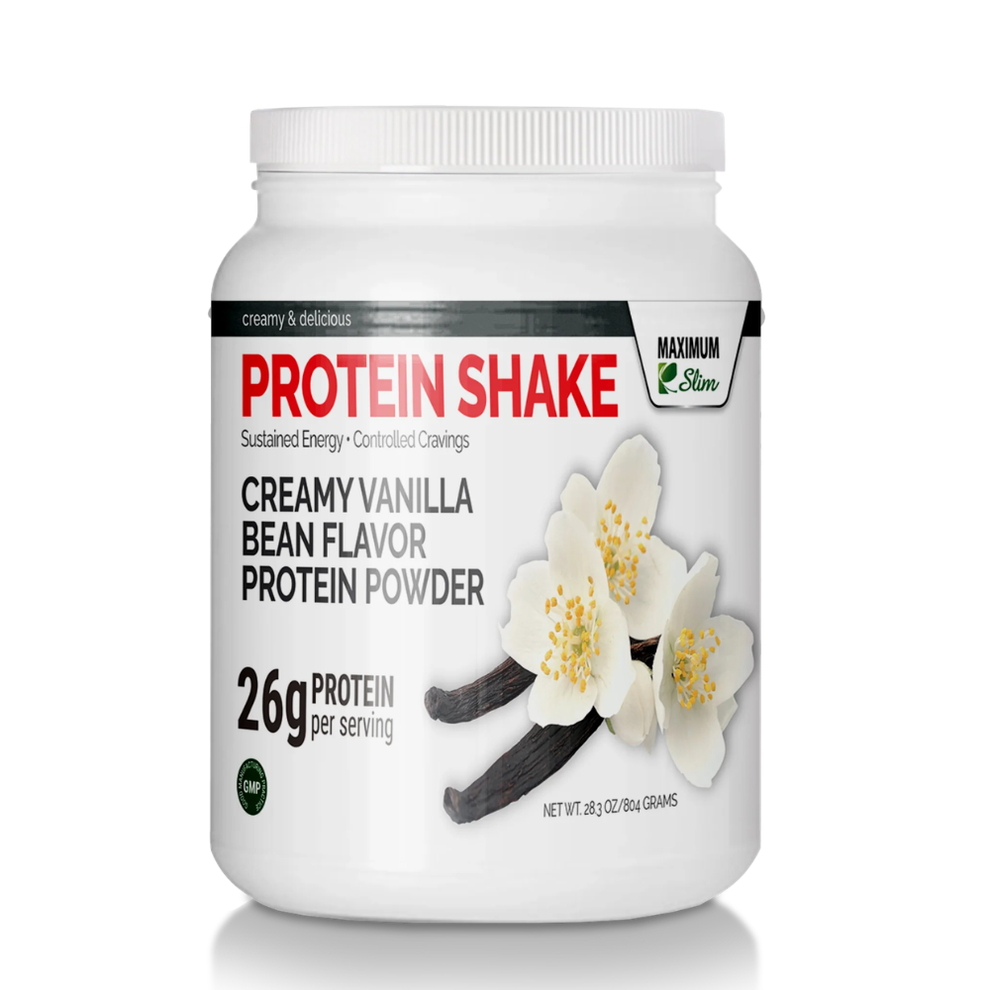
The front label rarely tells the full story
A shake can look impressive because “30 grams of protein” is large print. But if the formula also pushes calories up, or if it lacks the features that help fullness, the experience may not match the marketing. The reverse also happens. Some lower-calorie powders mixed with water are mechanically excellent on protein density, yet feel too light to replace a meal.
Practical rule: A low-calorie shake should earn its place in your day. If it doesn't help you avoid an unplanned second breakfast, it isn't doing enough.
For that reason, I judge shakes in layers:
- First filter: calorie range and protein grams
- Second filter: protein per 100 calories
- Third filter: satiety support through slower-digesting protein or fiber
- Fourth filter: ingredient fit, including sweeteners, allergens, and what you'll mix it with
What this changes for your buying decision
This framework usually leads to a different answer than “pick the lightest shake.” It often favors products that sit in the low-calorie range but are built more intelligently for your use case. A post-workout shake can be lighter and faster. A breakfast replacement often needs more staying power. An afternoon appetite-control shake may need fiber more than flavor complexity.
That's the lens I'd use if I were testing labels on a store shelf. Not hype. Not brand claims. Just whether the shake solves the job you hired it to do.
What Counts as Low Calorie and High Protein
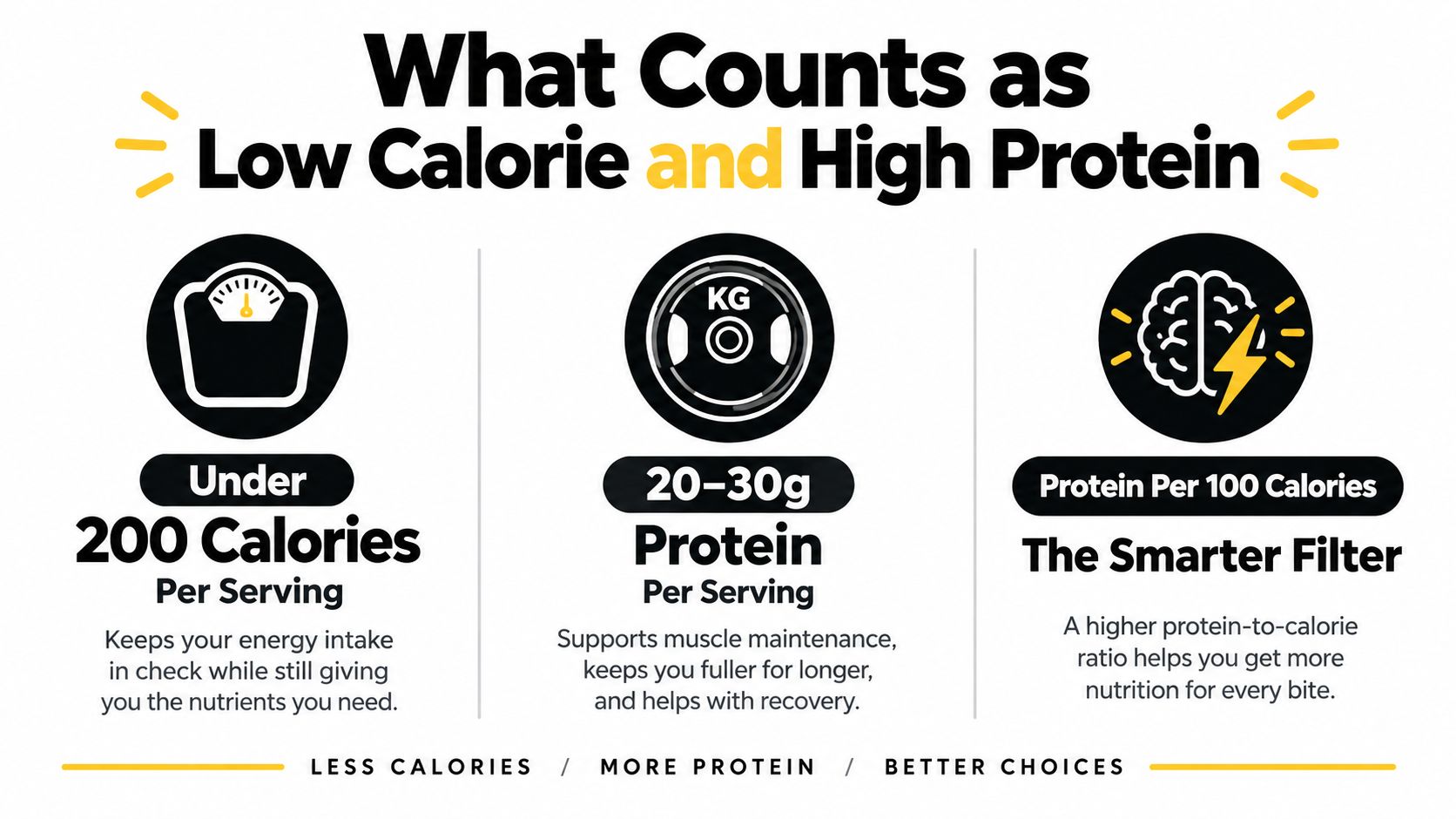
You are standing in front of a cooler deciding between two shakes. Both look lean on the label. One gives you 30 grams of protein at 150 calories. The other gives you the same 30 grams at 160 calories. The calorie gap is small, but the first option is more efficient, and that efficiency matters if you use shakes often.
A practical cutoff for this category is 20 to 30 grams of protein with fewer than 200 calories and modest sugar, a benchmark reflected in this low-calorie RTD shake analysis. That screen is useful, but it should not be the final decision rule. The better question is how much protein you get per 100 calories, then whether the formula has enough structure to keep hunger in check.
| Label Scenario | Calories and Protein | Protein per 100 kcal | Best Use |
|---|---|---|---|
| Strong RTD benchmark | 150 kcal and 30 g protein | 20.0 | Meal bridge or substantial snack |
| Comparable RTD option | 160 kcal and 30 g protein | 18.75 | Similar macros, slightly less efficient |
| Efficient powder with water | about 120 kcal and 24 g protein | 20.0 | Light snack or post-workout |
That protein-density lens changes the ranking. A very low-calorie shake can still be a weak choice if protein is light relative to calories, or if the formula is so thin that it works only as a snack. By contrast, a shake that reaches about 20 grams of protein per 100 calories usually has a stronger case for appetite control, especially if the protein source digests more slowly or the formula includes some fiber.
Why the protein target matters
A shake only makes sense in the context of your full day of eating. The National Academy of Medicine sets a minimum protein intake of 0.8 grams per kilogram of body weight per day, and the American Heart Association notes that adults generally get 10% to 35% of daily calories from protein, as summarized by Mayo Clinic Health System.
That is why 20 to 30 grams of protein is a meaningful serving size. It is large enough to cover a noticeable share of daily needs without pushing calories up too quickly. If you want a quick estimate before comparing labels, this simple bodyweight protein equation is a useful starting point.
Protein shake versus meal replacement
This is the distinction many labels blur.
A protein shake can qualify as low calorie and high protein while still being too light for breakfast. For meal use, macro efficiency is only the first screen. The second screen is satiety support. Protein type and fiber matter here because they affect how long the shake feels adequate, not just how clean the nutrition panel looks.
Use this quick matrix:
- Snack use: prioritize high protein density and low total calories
- Meal bridge: keep protein high, then look for fiber or slower-digesting protein
- Meal replacement: low calorie alone is not enough. The formula needs better staying power and broader nutrition
A simple check works well in stores. First, confirm the shake stays under your calorie limit. Second, calculate protein per 100 calories. Third, ask whether the formula matches the job, snack or meal, you need it to do.
Comparing Shake Types by Protein Density and Satiety
You are standing in front of a cooler deciding between a 150-calorie bottled shake and a plain powder you can mix with water. Both look “lean.” The better choice depends on what you need an hour later. A snack that gets you to lunch has a different job than a shake that has to cover breakfast.
That is why protein density per 100 calories is only the first filter. Satiety depends on the protein source, the format, and whether the formula includes anything that slows gastric emptying or adds bulk, especially fiber.
Low Calorie Protein Shake Types Compared by Density and Satiety
| Shake Type | Calories and Protein | Protein per 100 kcal | Best For |
|---|---|---|---|
| Whey powder with water | Often around 24 to 25 g protein per serving with relatively low calories, depending on brand | Often near 20 | Post-workout use or a light snack where calorie efficiency matters most |
| Casein shake | Protein-forward, usually slower digesting than whey | Varies by label | Longer gaps between meals and better staying power |
| Pea protein shake | Protein-forward, common in dairy-free products | Varies by label | Dairy-free users who want stronger fullness support |
| Soy protein shake | Protein-forward, widely used in plant-based blends | Varies by label | Plant-based convenience if soy fits your diet |
| RTD low-calorie benchmark | 150 kcal and 30 g protein | 20.0 | Grab-and-go use with strong macro efficiency |
Plain whey isolate powders often set the benchmark for protein density. Product labels from brands such as Isopure Zero Carb, for example, show servings in the range of 25 grams of protein for 100 calories. That ratio is difficult to match in a flavored ready-to-drink bottle.
High density does not automatically mean high satiety.
A controlled trial summarized in this satiety review in the British Journal of Nutrition reported that casein and pea protein led to greater short-term fullness and lower subsequent food intake than whey in some settings. The practical point is narrower than many shake rankings suggest. If two products land in the same calorie range, the one with slower digestion or better appetite control may work better as a meal bridge, even if its protein-per-100-calorie score is slightly lower.
Here is the useful split:
- For snack use: whey powder with water usually gives the most protein for the fewest calories
- For meal bridge use: casein or pea can be more effective if hunger control matters more than digestion speed
- For grab-and-go use: RTD shakes win on compliance, but only if their sugar, texture, and ingredient profile still fit the job
Format changes the trade-off. Powder gives tighter control over dilution, thickness, and total calories. Bottled shakes remove friction, which can matter more than a small macro advantage if your alternative is skipping protein and buying a pastry later.
Fiber can shift the result too. A shake with moderate protein density and a useful amount of fiber may keep you fuller than a very lean formula that digests quickly. Readers comparing carb intake as part of that decision can use this guide to a high protein low carb shake to separate low-calorie goals from low-carb goals, because those are related but not identical filters.
A practical side note. If you carry powder to work or premix shakes for the day, these smart buying tips for shakers are worth a look. Container quality affects consistency more than it seems. Poor mixing, leaks, and lingering odor make even a well-designed shake harder to use regularly.
How to Evaluate Ingredients Sweeteners and Allergens
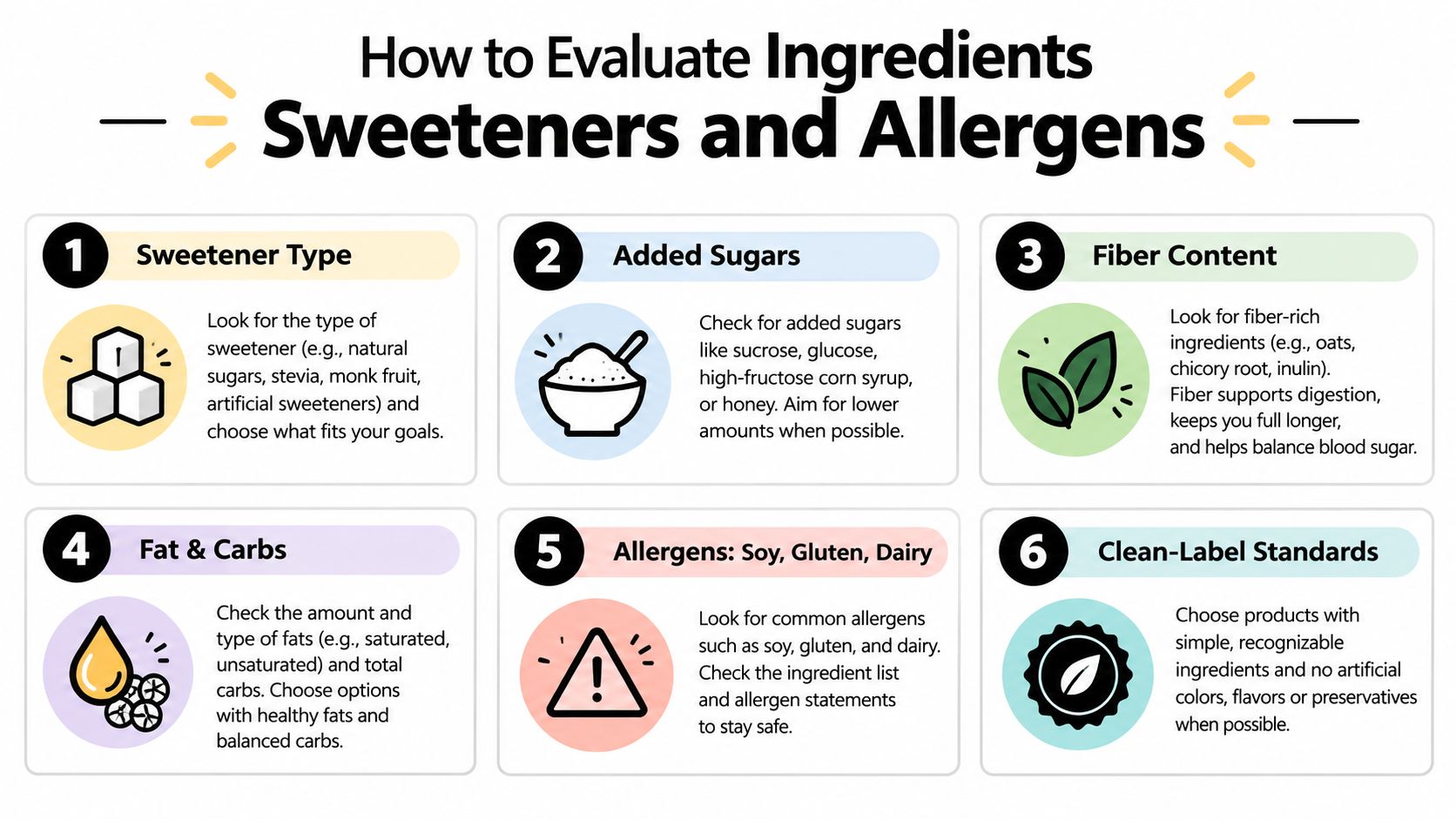
Two shakes can post similar calories and protein on the front label, then perform very differently once you look at sweeteners, thickeners, allergens, and what you mix them with.
That difference matters because low calorie only solves part of the problem. A shake with strong protein density per 100 calories can still be a poor pick if the sweetener upsets your stomach, the protein source does not keep you full for long, or an allergen limits repeat use. For meal use, those details often matter more than a small calorie gap.
Start with the ingredient job, not the marketing claim
Ingredient review gets easier if you ask what the shake is trying to do.
A snack shake can stay simple. Fast-digesting whey with minimal extras may be enough if you only need a short bridge between meals. A meal-style shake needs more scrutiny. Protein type, fiber, and texture all affect whether the drink acts like a real appetite-control tool or just a flavored protein hit.
Here is the label scan I use:
- Protein source: whey isolate, concentrate, casein, pea, soy, or blends each have different trade-offs for digestion speed, texture, and satiety.
- Sweetener system: sucralose, stevia, monk fruit, sugar alcohols, or added sugar can change both taste and tolerance.
- Fiber content: added fiber can improve fullness, but some fibers also cause bloating in sensitive users.
- Carbs and fats: these should match the use case. A light snack shake and a meal bridge shake do not need the same profile.
- Allergens: dairy, soy, and gluten are practical screening points, not secondary details.
- Additives: gums, thickeners, and flavor systems affect texture and repeatability, even when macros look good.
Sweeteners and fibers change tolerance
Calories do not show digestive cost.
Some low-calorie shakes rely on non-nutritive sweeteners or sugar alcohols to keep flavor up while holding calories down. That can work well, but tolerance varies widely. If a shake causes bloating, gas, or an aftertaste you dislike, the formula is less useful in practice, even if its label looks efficient.
Fiber deserves the same kind of scrutiny. A few grams can improve satiety, especially in a shake meant to cover part of a meal. More is not automatically better. Fiber type and your tolerance determine whether it helps or becomes a reason you stop using the product.
The mixing liquid can erase the low-calorie advantage
For powders, the scoop is only part of the math. Mix the same powder with water and you keep calories close to the label. Mix it with whole milk and the shake can move out of low-calorie territory quickly, as noted earlier in the article.
Water is the cleanest baseline. Unsweetened almond milk or another unsweetened low-calorie milk can add body with a smaller calorie increase than whole milk. If the shake is meant to function more like a meal bridge, that trade-off may be reasonable. If you are choosing based on protein per 100 calories, it usually is not.
A useful reference for readers screening formulas more closely is this guide to best clean protein powder, especially if you want options without added sugars, artificial colors or flavors, soy, gluten, fillers, or animal products.
A quick visual explainer can help if you're new to ingredient panels.
Allergy fit and repeat use matter more than branding language
“Clean label” is not a nutrition outcome. It does not tell you whether the shake is high in protein for its calories, whether it will keep you full, or whether you can use it consistently.
The better screen is practical. First confirm that the shake has enough protein relative to calories for the job. Then check whether the protein type, sweeteners, fiber, and allergens make it workable for your body and routine. That is how you separate a low-calorie shake that only looks good on paper from one that holds up as a snack or meal-support option.
Low Calorie Protein Shake Recipes and Smart Substitutions
Homemade shakes are where you can turn a decent protein powder into a much better appetite-management tool without losing calorie control.
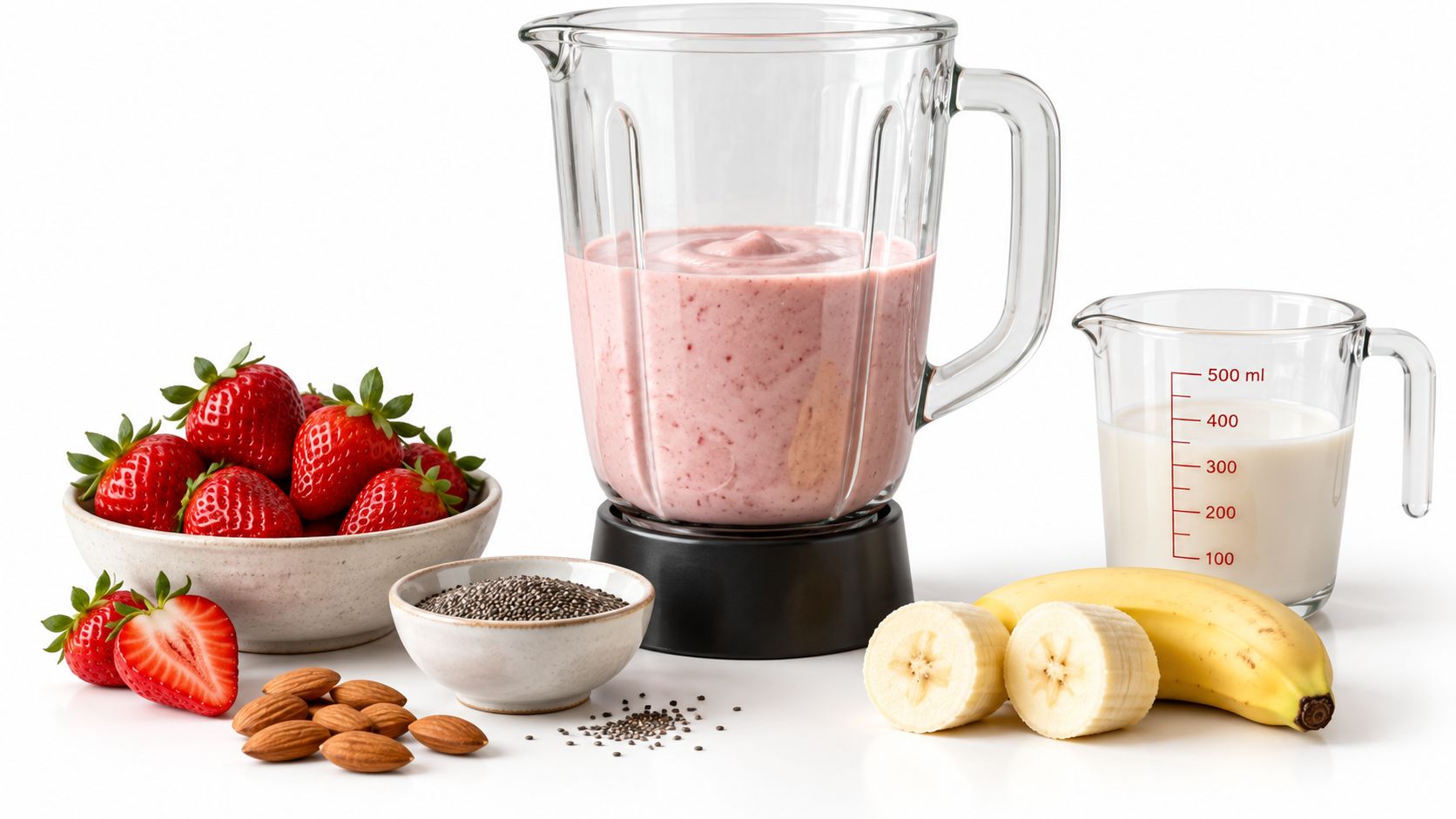
The most useful approach isn't a long recipe list. It's a repeatable build. Start with a protein powder that already fits your targets. Use water or an unsweetened low-calorie milk as your base. Then add only the extras that help the specific job you need that shake to do.
Three practical builds
For a light snack shake
Blend protein powder with water, ice, and cinnamon or cocoa-style flavoring. This keeps the shake lean and works best when you need a bridge, not a full meal.
For a fuller breakfast-style shake
Use the same powder base, then add a fiber-support ingredient such as chia seeds, berries, or leafy greens. The point isn't to make it indulgent. The point is to make the shake act less like a drink and more like a controlled meal component.
For post-workout use
Keep the formula simpler. A faster, lighter shake is often easier to drink consistently after training, especially if you don't want a thick blend.
Smart substitutions that preserve the low-calorie goal
A few swaps make more difference than people expect:
- Use ice for thickness: more volume, colder texture, and better drinkability without pushing calories up.
- Watch nut butter portions: they improve flavor and body, but they can move a low-calorie shake into a different category quickly.
- Use fruit strategically: berries usually fit appetite-control builds better than large amounts of sweeter fruit.
- Choose your liquid carefully: this is still the biggest lever if you want to stay in the low-calorie lane.
A good homemade shake isn't the one with the longest ingredient list. It's the one you can repeat on workdays without accidentally turning it into dessert.
If you want a broader framework for building shakes around your own powder and pantry staples, this guide on how to make protein shakes is a practical reference.
One core recipe, three roles
The easiest system is to keep one base formula and adjust only what changes fullness.
For an afternoon snack, stay lighter and thinner. For breakfast, increase satiety with fiber-focused add-ins and more volume. For recovery, prioritize convenience and easy digestion. That approach cuts decision fatigue and makes consistency much more likely.
When to Use Each Shake for Weight Management and Energy
Choosing the best low calorie protein shake gets easier when you stop asking “Which shake is best?” and start asking “Best for what moment?”
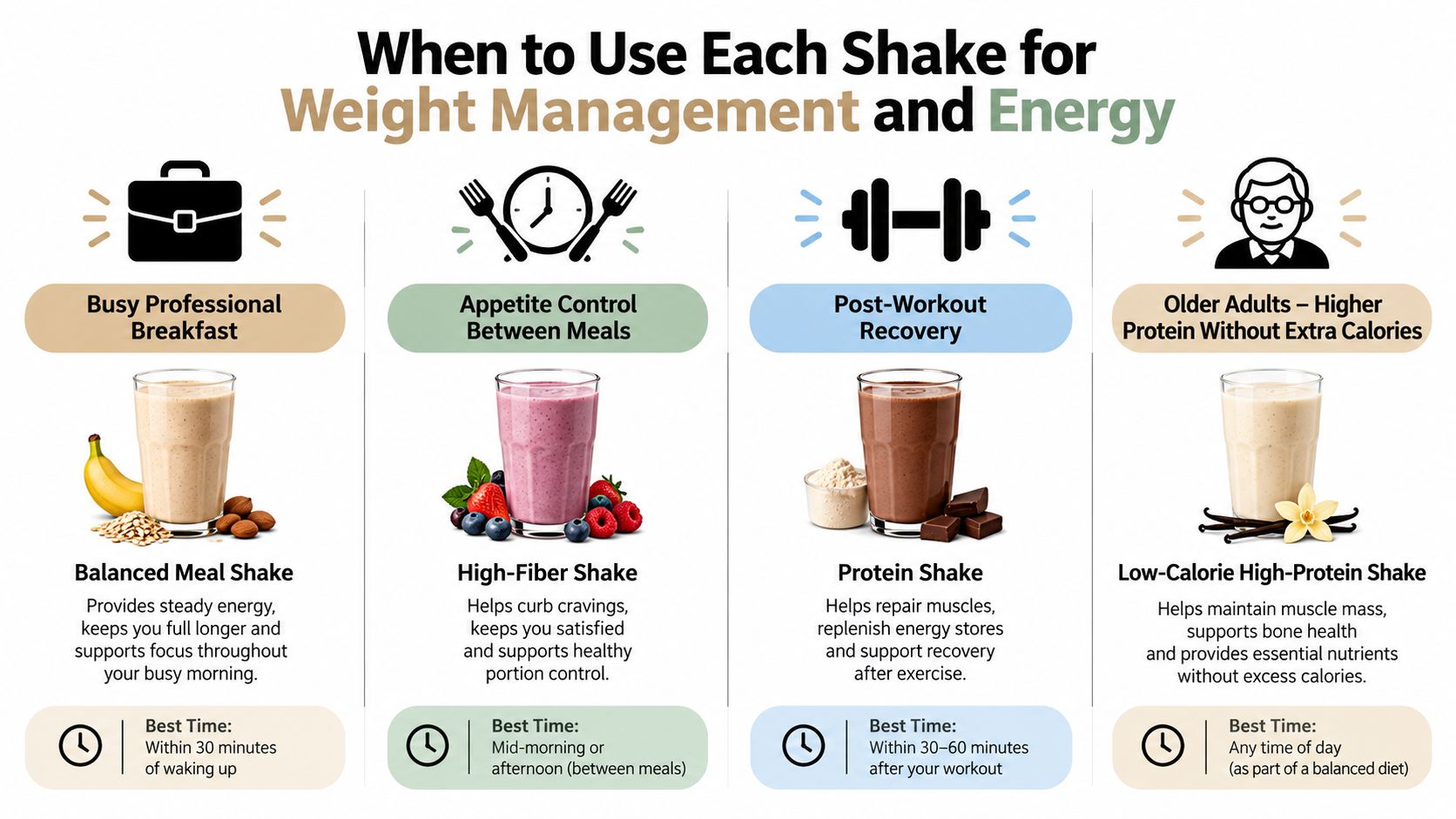
The same shake that works beautifully after a workout may be a poor breakfast. The one that controls appetite in the afternoon may feel too heavy before training. The right product often depends less on the label headline and more on the gap it needs to fill in your day.
Decision matrix for meal versus snack use
| Situation | Better Shake Profile | Why |
|---|---|---|
| Busy professional breakfast | Protein-forward shake with stronger fullness support | Breakfast replacement needs more staying power than a quick snack |
| Appetite control between meals | Slower-digesting protein or fiber-aware formula | The goal is to prevent rebound snacking |
| Post-workout recovery | Lean, efficient, easy-to-drink protein shake | Fast, simple intake usually wins |
| Older adults needing more protein | Higher-protein, lower-calorie option with practical drinkability | Protein needs may rise while appetite or total intake drops |
Four common scenarios
Busy morning
If you're replacing breakfast, don't chase the lowest calorie number by default. Clinical and review sources summarized by the American Society for Nutrition note that the most helpful formulas are often defined by a balance of protein, fiber, and micronutrients rather than calorie minimization alone, and that higher-protein, higher-fiber shakes can improve satiety and metabolic outcomes, as discussed in this review on high-protein, high-fiber shakes.
Midafternoon hunger
Satiety design matters most. A shake that's merely low in calories can leave you unsatisfied. A more filling protein type or a better-formulated blend can perform better even if calories are slightly higher within your target range.
After training
A lighter, more efficient protein shake often fits best. You usually want convenience and digestibility more than prolonged fullness.
Older adults
Protein strategy changes with age. The British Heart Foundation notes that while the longstanding adult RDA remains central, more recent clinical guidance recognizes that older adults often need around 1.0 to 1.2 g/kg/day, and some guidance for aging populations cites 1.2 to 1.6 g/kg/day, which creates a clear role for low-calorie shakes that can deliver 15 to 30 grams of protein without much energy, as summarized in this protein guidance review.
The best low calorie protein shake for weight loss is often the one that prevents the next unplanned eating decision.
The key judgment call
Use a standard protein shake when you need efficient protein support. Use a more complete formula when the shake has to behave like a meal. People often under-eat at the shake itself, then overcompensate later. That's why “lowest calorie” and “most effective for weight management” aren't always the same answer.
Our Recommendation for Clean Low Calorie Protein Support
You finish a workout, mix a 100-calorie shake, and hit your protein target for the moment. By 3 p.m., you are back in the pantry. In practice, the cleaner recommendation is usually a rotation, not one powder used for every job.
A workable setup for many readers is two shakes with distinct roles. Keep one lighter option that lands around 90 to 120 calories with roughly 20 to 25 grams of protein for post-workout use or a protein-first snack. Keep a second option closer to 140 to 200 calories with similar protein but added fiber or a slower-digesting blend for breakfast coverage or long gaps between meals. That pairing gives you a simple rule. Use the leaner shake when appetite is already under control. Use the more filling shake when the next meal is uncertain.
That is the main recommendation here because it solves a common failure point. A single ultra-low-calorie powder can look efficient on the label and still perform poorly for adherence if it leaves hunger unchanged an hour later.
If you prefer cleaner formulations, one factual example is Maximum Health Products' Organic Protein Shake, which the company presents as free from preservatives, artificial colors or flavors, added sugars, soy, gluten, fillers, and animal products. For readers screening labels closely, that makes it a candidate to compare on tolerance, taste, and how well it holds appetite between meals, rather than on ingredient list alone.
Keep supplements in separate categories while you shop. weight loss support products may have a different purpose from a protein shake, and combining those decisions can blur what you are testing.
Then run a simple one-week check. Log which shake you used, its calories and protein, and whether hunger stayed controlled until the next planned meal. That short record usually shows whether your low-calorie shake is acting like a useful food tool or just postponing the next eating decision.
Maximum Health Products offers clean-label protein and wellness formulas for people who want weight-management support without turning every label into a compromise. If you want to compare shake options through the lens used in this guide, visit Maximum Health Products and look for protein choices that match your goal, whether that's a lighter snack shake or a more sustaining meal-support option.

