


You're standing in the supplement aisle, staring at tubs that all promise keto-friendly, zero sugar, and clean protein. The front of the label looks perfect. Then you flip the container around and realize the carb count, serving size, and ingredient list don't match the sales pitch.
That's the problem with shopping for the best low carb protein powder. The words are easy. The numbers are what matter. If you want a powder that fits a low-carb routine, you need to judge it by net carbs per serving, protein density, and the ingredient panel, not by the loudest claim on the front.
Why Finding the Best Low Carb Protein Powder Is Harder Than It Looks
The trap is simple. Brands use low carb like a marketing mood, not a hard standard. One tub stays low enough for a keto shopper because the serving is small and the carbs are carefully controlled. Another uses the same label while leaning on sweeteners, fillers, and inflated scoop sizes that make the numbers look friendlier than they are.
That is why the shelf gets messy fast. A strict keto buyer, a general low-carb shopper, and someone just trying to avoid sugar spikes are not shopping for the same powder. A product that fits one of those goals can be a poor fit for the next.
Practical rule: if the front of the tub says “low carb,” ignore it until you check the back panel.
Treat low carb as a spectrum, not a single promise. If you are protecting ketosis, your carb limit is tight and every gram matters. If you only want a cleaner breakfast or a steadier shake, you can allow more room. The label does not make that decision for you, your carb budget does.
The market also rewards label games. Protein powder is a huge category, and that kind of demand pushes brands toward isolate-heavy formulas, tiny serving tricks, and macro claims that sound better on the front than they read on the back. Some products do deliver strong numbers, like a scoop with 28 g protein and 0 to 3 g net carbs or 25 g protein with 0 g carbs, but those are the results you want to verify, not assume. For a look at how keto powder claims evolved over time, see the historical category data for keto protein powders.
Who actually needs a strict low carb powder
Strict keto users need the tightest formula because every scoop has to fit inside a small carb budget. Low-carb eaters who are not chasing ketosis can usually tolerate a little more room, especially if the powder is otherwise clean. Fitness shoppers mainly want a high-protein shake that does not sneak in sugar or junk.
The mistake is buying for the wrong goal. A product can be technically low carb and still be the wrong powder for your routine.
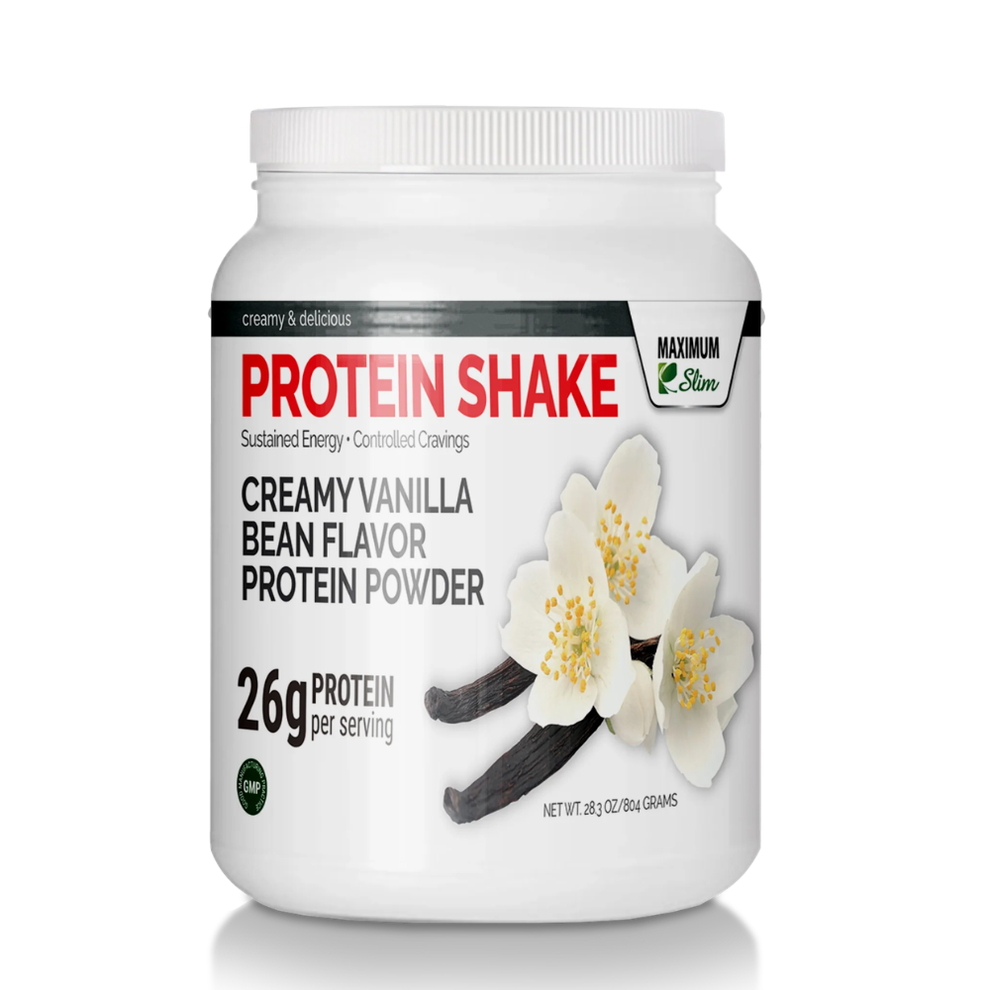
Featured Product
Organic Protein Shake - Maximum Slim
Each serving provides 20g of organic plant-based protein and 10g of organic fiber, making it a convenient option for smoothies, shakes, and meal replacement support.
Shop Now →The Key Label Metrics for a Low Carb Protein Powder

Read the panel in this order
Start with total carbohydrates, then move to dietary fiber, sugar alcohols, and the final net carbs math. That order matters because the front of the bag can brag about protein while the back panel shows a carb load that does not fit a low-carb plan. Net carbs are the number to watch for strict low-carb use, because fiber and some sugar alcohols do not behave like digestible carbs in the same way. For keto shoppers, the target is usually 0 to 2 g net carbs per serving, and very low-carb powders generally stay under 3 g net carbs per serving, as summarized in independent low-carb powder guidance.
Then check protein per serving and calories. A scoop with 25 g protein is not the same as a scoop with 25 g protein in a double-sized serving. The serving size can be padded to make the label look leaner than it is, so compare the scoop weight and the protein yield before you trust the front panel.
Here's the quick store test:
- Find total carbs first. That is the starting number on the nutrition panel.
- Subtract fiber. Fiber does not behave like sugar.
- Subtract sugar alcohols if they are listed separately. They can change the carb load.
- Check ingredient order. If maltodextrin, dextrose, or fructose appears near the top, skip it.
The ingredient list tells on the brand
A powder can still be a bad buy even if the carb number looks fine. If a brand uses a huge serving size to make the macros look better, you are paying for air. If the ingredient list is crowded with sweeteners and filler systems, the product may fit the label but not your stomach.
That is why I care more about what's removed than what's advertised. The cleaner the formula, the easier it is to trust the carb count. If you want to compare protein formats before you pick a tub, start with this guide to different protein powders.
For a low-carb collagen option, a practical place to start is shop this collagen powder at Supplemynts, especially if you want a low-carb add-on rather than a full post-workout protein hit.
Comparing Whey Isolate, Hydrolysate, Plant Blends, and Collagen
The best choice depends on what you're trying to protect. If you want the tightest macro profile, whey isolate and hydrolyzed isolate are the strongest options for strict low-carb use, because filtration strips away much of the lactose, fat, and residual carbohydrate. Benchmark products commonly land at 25 to 28 g protein per serving with 0 to 3 g carbs.
Whey concentrate is cheaper, but that savings usually comes with more carbs and more lactose. Plant blends can work for dairy-free shoppers, but they're usually less protein-dense per scoop and can vary more in texture and carb load. Collagen sits in a separate lane, it's naturally low in carbs, but it isn't a complete standalone protein.
For a deeper breakdown of protein formats, this guide to different protein powders is worth a look after you finish comparing macros. If you want a collagen option specifically, a practical place to start is shop this collagen powder at Supplemynts, especially if your priority is a low-carb add-on rather than a full post-workout protein hit.
| Low Carb Protein Types at a Glance | Typical net carbs per scoop | Typical protein per scoop | Best for |
|---|---|---|---|
| Whey isolate | Very low, often 0 to 3 g | High, often 25 to 28 g | Strict keto, post-workout recovery |
| Hydrolyzed isolate | Very low, often 0 to 3 g | High, often 25 to 28 g | Fast-digesting, carb-controlled shakes |
| Plant blends | Low to moderate, often 2 to 5 g | Moderate to high | Dairy-free buyers, flexible low-carb routines |
| Collagen | Very low | Lower as a standalone protein | Low-carb stacking, skin and joint support |
Best fit rule: if your top priority is protein density with the least carb baggage, isolate wins. If your top priority is dairy avoidance, plant blends are the fallback, not the gold standard.
What Net Carb Threshold Matches Your Goal

If you are strict keto, keep the powder simple and keep the carb count tight. Aim for 0 to 2 g net carbs per serving, because that leaves room in your daily budget if you use the powder more than once a day. That is the range you want when ketosis is the goal, not just “lower carb” in the casual sense.
If you are doing targeted keto or a more active low-carb routine, you have a little more room. A powder with 3 to 5 g net carbs can still fit if the protein is strong, the ingredient list stays clean, and you are using it around training instead of treating it like an all-day snack.
The trap is the middle ground. A tub can wear the words “keto-friendly” and still sit above the threshold that works for your actual plan. Front-of-bag marketing does not decide the macro budget, the label does.
A general low-carb shopper can tolerate a looser net carb target than someone protecting ketosis. That is why the right cutoff depends on your goal, not the branding. If you want a broader framework for how keto eating works in practice, the keto diet guide from BionicGym is a useful companion read.
Hidden carb sources to watch
Maltodextrin and dextrose are the obvious offenders. Flavor systems, thickeners, and sugar alcohol-heavy blends are harder to spot, but they can still push a product past the line you thought you were buying. If the label is trying too hard to sound healthy, read it twice and assume the carb math may be working against you.
Reading Past the Hype to Find the Strongest Low Carb Options
The best low-carb powders do not try to look flashy. They read like a clean spreadsheet. Aim for 25 to 28 g protein, 0 to 3 g net carbs, 0 to 3 g fat, and about 110 to 150 calories per serving if you want a shake that behaves like a low-carb protein powder instead of a sugar-adjacent dessert.
That macro pattern matters because the label should work in your favor, not against you. Front-of-bag claims can make a tub look disciplined while the serving math tells a different story. Read the panel, not the hype.
What a real contender looks like
A real contender keeps the protein yield high and the extras low. The ingredient list should stay short enough that you can spot the main protein source immediately, and the calories should stay controlled even before you start adding milk, nut butter, or other add-ins. Products like Isopure Zero Carb show the standard clearly, with 25 g protein, 0 g carbs, and 0 g sugar per serving, while other strong isolate-style formulas sit near 28 g protein with 0 to 3 g net carbs.
The important question is not whether the tub says “keto-friendly.” It is how much usable protein you get for every carb dollar you spend. A powder that wastes space on fillers, sweeteners, or flavor tricks is a weak buy, even if the front label looks lean.
Table of macro ceilings
| Benchmark Macros for a True Low Carb Protein Powder | Target for strict low carb | Typical benchmark |
|---|---|---|
| Protein | High | 25 to 28 g per serving |
| Net carbs | Very low | 0 to 3 g per serving |
| Fat | Very low | 0 to 3 g per serving |
| Calories | Controlled | 110 to 150 per serving |
The traps are easy to spot once you know where to look. Some powders pad the protein number with added amino acids, which makes the front panel look stronger than the scoop really is. Others lean on rounded-down carb claims, so “0 g carbs” can hide a serving that is only barely under the line. Fiber-heavy formulas can also mislead buyers when the fiber comes from processed additives instead of food-based ingredients.
Read the label like someone paying cash for every scoop. If the powder is bloated with sweeteners, gums, or filler-heavy flavor systems, it is not giving you a clean low-carb result. The same rule applies in other supplement categories too, for example, you can choose pouches with Optimal Native when you want a simpler ingredient profile.
The bottom line is simple. If a powder cannot stay inside this macro ceiling, it is not a serious low-carb option. It may fit a different goal, but it is not built for the one you are trying to hit.
Allergens, Digestion, and Ingredient Purity
A good macro profile means nothing if the powder wrecks your stomach. Lactose in whey concentrate is the obvious problem for many people. Cheaper blends can also bring in soy, gluten, or weak ingredient disclosure that makes digestion harder to predict.
Build your filter around tolerance first
Dairy-sensitive buyers should start with isolate or a plant blend that clearly avoids milk proteins. FODMAP-sensitive buyers should skip powders that lean hard on inulin or chicory root fiber, because those ingredients can be rough on the gut. Clean-label shoppers should be suspicious of any formula where natural flavors sit high on the ingredient list, especially when the carb count looks too good to be true.
If a powder is marketed as gentle but still uses a crowd of sweeteners, gums, and thickening agents, it's not gentle. It's masked.
Plant-based powders deserve extra scrutiny on purity. Heavy metal testing matters there, because “natural” doesn't automatically mean clean. Third-party testing is the standard you want when a brand is asking you to trust a daily scoop.
Quick decision rules
- Choose isolate first if you want the cleanest low-carb dairy-based option.
- Choose plant blends carefully if you need dairy-free, but check the ingredient list like a hawk.
- Skip sugar alcohol-heavy formulas if you already know they trigger gas or loose stools.
- Reject vague formulas if the brand won't clearly state what the carbohydrate sources are.
The point is to avoid surprise reactions. A powder should support your routine, not force you to plan around bloating or discomfort.
How a Clean Organic Protein Fits a Low Carb Routine
The right low-carb powder is the one that matches both your macro target and your ingredient standard. That's why a clean organic option can make sense for a lot of people, even when it's not a classic whey isolate.
Maximum Health Products' best organic protein powders guide fits into that logic because the clean-label rules are strict. The brand emphasizes no preservatives, no artificial colors or flavors, no added sugars, no soy, no gluten, no fillers, and no animal products beyond what the formula specifies. For shoppers who care as much about ingredient purity as they do about carbohydrate control, that's the right kind of filter.
When this kind of option makes more sense
A clean organic protein is the better pick when your priority is a simple daily shake, weight-management support, or a formula that works in an allergen-sensitive household. A high-isolate whey can still win for someone who wants the tightest possible post-workout dose and is chasing the 25 to 28 g per scoop benchmark from the isolate category.
That's not a contradiction. It's a choice between two good filters. One prioritizes macro density above everything else. The other prioritizes ingredient discipline and everyday usability.
A practical serving move is straightforward. Blend a scoop with unsweetened almond milk and a spoon of MCT if you want a low-carb shake that stays simple and filling.
Serving Tips, a Decision Framework, and Common Questions

Three ways to use it
Strict-keto shake: mix the powder with water and MCT oil. That keeps the carb load as low as it gets and avoids accidental sugar from milk or sweet add-ins.
Post-workout shake: use unsweetened almond milk and a protein powder that already gives you a solid protein dose. If you want a recovery-friendly base, a high-protein low-carb shake guide can help you build the rest of the recipe without wrecking your macros.
Meal-replacement smoothie: add leafy greens, a small amount of berries, and nut butter only if the rest of your day can absorb the extra carbs. Don't call it low carb if you're piling in fruit and sugar-heavy extras.
Five-step decision framework
- Set your daily carb budget. Be honest about whether you're strict keto or just low carb.
- Pick the protein type. Isolate for tight macros, plant blend for dairy-free use, collagen for add-on support.
- Set a net carb ceiling per scoop. Use 0 to 2 g for strict keto and under 3 g for very low-carb use.
- Screen the ingredient panel. Skip maltodextrin, dextrose, and vague flavor systems.
- Check digestion fit. If the powder bloats you, it's the wrong powder.
Common questions
Does protein powder break ketosis? Not if the powder stays within your carb budget and you aren't turning the shake into a dessert.
Is plant protein inferior to whey? Not automatically. It's usually less protein-dense, but it can be the better choice if dairy doesn't agree with you.
Does collagen count as low-carb protein? Yes, but it's better treated as a supplement than your main protein strategy.
How long does a tub last? At one scoop per day, it depends on the serving count on the label, so check that before you buy.
If you want one answer, not a shelf full of maybe, choose the powder that gives you the lowest net carbs without garbage ingredients. That's the standard.
Maximum Health Products builds clean-label nutrition for people who want simple daily support without the junk. If you're looking for a protein shake that fits a low-carb routine and still respects ingredient quality, visit Maximum Health Products and compare the options against your own carb budget.

