


You're standing in the nutrition aisle, turning over a bottle that says “healthy,” “lean,” and “high protein,” only to find sugar, syrup solids, gums, and a list of sweeteners you can't pronounce. That moment is common. A lot of smart, health-conscious shoppers feel like they need a chemistry degree just to buy a decent protein shake.
The confusion makes sense. Protein supplements have gone mainstream, and the category keeps expanding. By 2025, the global protein powder market was projected to surpass $32 billion USD, reflecting broad demand for convenient nutrition and growing interest in cleaner formulations, according to Statista's protein shake market overview. More choice can help, but it also means more labels to decode.
The good news is that the best sugar free protein shakes can support weight management, steadier energy, appetite control, and recovery without the blood sugar roller coaster that comes with heavily sweetened drinks. The trick isn't memorizing brand slogans. It's learning how to read the front and back of the label like a coach, not a consumer who's being marketed to.
The Search for a Genuinely Healthy Protein Shake
A lot of people start with a simple goal. They want a quick breakfast, a better afternoon snack, or something to drink after a workout that won't undo the rest of their effort. Then they buy a protein shake that looks clean on the shelf and discover it tastes like dessert, sits heavily in the stomach, or leaves them hungry again an hour later.

That disconnect is why so many shoppers start searching for the best sugar free protein shakes instead of just the highest-protein option. They're not only trying to build muscle. They're trying to protect energy, curb cravings, and make one better decision in the middle of a busy day.
Why the category feels crowded
Protein shakes now serve more than one type of person. Gym-goers use them for recovery. Professionals keep them in the fridge for hectic mornings. Parents look for convenient nutrition with fewer questionable ingredients. That broad use helps explain why the market has grown so quickly. Statista notes that the global protein powder market reached over $32 billion USD by 2025, a sign that protein supplementation has become a mainstream wellness habit, not a niche sports product.
Still, popularity doesn't guarantee quality.
Practical rule: A “healthy” protein shake should make your day easier, not leave you second-guessing the ingredient list.
What matters more than the front label
Claims like “zero sugar,” “keto-friendly,” or “high protein” can be useful starting points, but they don't tell the whole story. Two shakes may look similar on the front and behave very differently once you drink them. One may rely on a protein source that keeps you full. Another may use sweeteners or additives that you personally don't tolerate well.
That's why label literacy matters. Once you know how to spot protein quality, sweetener type, and unnecessary fillers, the market gets much less confusing. You stop asking, “Which shake is best?” and start asking, “Which shake is best for my body and my goal?”
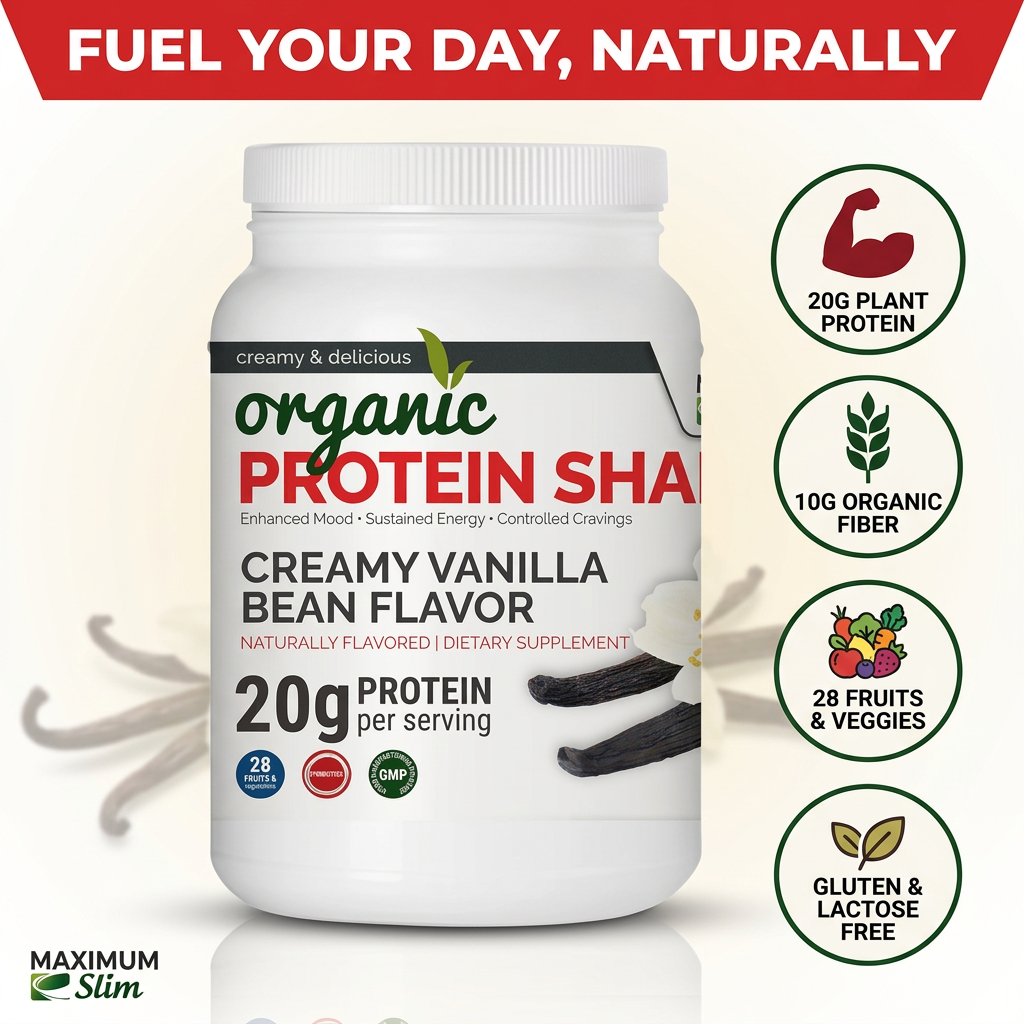
Featured Product
Organic Protein Shake - Maximum Slim | Nutrient Rich Drink for Muscle Recovery
This formula includes a blend of 28 fruits and vegetables and is made to fit a variety of dietary needs.
Shop Now →What Sugar-Free Really Means on a Protein Label
“SNSugar-free” sounds straightforward, but labels often hide important details. A shake can be low in sugar and still be loaded with sweet taste. It can also contain a small amount of naturally occurring sugar while avoiding added sugar altogether. If you don't know the difference, it's easy to buy the wrong product for your needs.

Leading sugar-free protein shakes now provide 20 to 40 grams of protein per serving and can contain as little as 1 gram of sugar, while conventional beverages may contain 12 to 25 grams, according to Business Insider's review of protein drinks and shakes. That difference matters when you're trying to support steady blood glucose and better satiety.
Three label terms that get mixed up
Here's the cleanest way to frame it:
-
Added sugar
This is the sugar manufacturers put in for sweetness. On labels, that may show up as cane sugar, syrup, or similar sweeteners. If your goal is metabolic health, this is usually the first thing to minimize. -
Naturally occurring sugar
Some proteins, especially dairy-based ones, may contain small amounts of sugar that naturally come with the ingredient. This isn't the same as pouring sugar into the formula. -
Sugar alcohols or non-nutritive sweeteners
These are often used to keep a shake sweet without loading it with sugar. Some people do well with them. Others notice digestive discomfort or an aftertaste.
Natural sweeteners versus artificial sweeteners
Many readers get stuck here. “No sugar” doesn't automatically mean “clean label.”
Some protein shakes use stevia or monk fruit. These appeal to shoppers who want sweetness from non-sugar sources without artificial colors or flavors. Others use sweeteners such as sucralose or similar ingredients to keep taste consistent and calories low.
Neither approach is universally right for everyone. What matters is how your body responds and whether the rest of the formula is solid.
A useful example comes from a plant-based almond-milk shake profile that delivers 20 grams of protein without artificial sweeteners and uses monk fruit extract and stevia glycosides instead, as described in this review of protein shakes without artificial sweeteners. If you're trying to reduce both added sugar and artificial ingredients, that's the kind of label worth studying.
A zero-sugar claim is only the beginning. The ingredient list tells you whether the product is simply low in sugar or genuinely thoughtful in formulation.
How to scan a label in under a minute
Use this quick sequence:
-
Read the protein grams first
A shake should give you a meaningful amount of protein for the role you want it to play. -
Check sugar next
Look for added sugar, not just total sugar. -
Read the sweetener source
Decide whether you prefer natural sweeteners, artificial sweeteners, or an unsweetened powder you can flavor yourself. -
Look at the ingredient list length
Shorter isn't always better, but long lists full of fillers deserve a closer look. -
Notice how you feel after drinking it
Label literacy includes body literacy. A shake that looks good on paper but leaves you bloated or unsatisfied isn't your best option.
Decoding Protein Sources for Your Optimal Results
Two shakes can look nearly identical from the front of the bottle and behave very differently in your body. One may leave you satisfied and steady for hours. Another may digest so fast that hunger returns before your next meeting. The difference often starts with the protein source.
Protein type shapes more than muscle recovery. It also affects satiety, digestion speed, texture, and how well a shake fits your metabolic goals. If you are trying to keep energy stable, manage appetite, or avoid a blood-sugar roller coaster created by pairing low-quality protein with sweeteners and fillers, the source matters.
Dairy proteins and how they behave
Whey is fast-digesting and rich in amino acids that support muscle repair. That makes it a practical choice after exercise or anytime you want protein that feels lighter in the stomach.
Casein digests more slowly. A good comparison is kindling versus a log on a fire. Whey burns fast. Casein burns slower. For some people, that slower release helps with fullness between meals or in the evening.
Blends that combine whey and casein can offer a middle ground. You get a quicker amino acid delivery from whey and a more gradual effect from casein. That can work well if you want recovery support without feeling hungry again too soon.
Dairy protein is not automatically the best choice for everyone. If you are sensitive to lactose or notice bloating after milk-based shakes, your label reading should extend beyond the word "protein" to the exact form used, such as whey isolate, whey concentrate, or caseinate.
Plant proteins and why formulation matters
Plant protein has improved because brands have become more thoughtful about combining sources instead of relying on a single ingredient with nutritional gaps.
A well-built plant blend works like assembling a complete toolkit instead of carrying one wrench. Pea protein may help with protein density. Brown rice can complement its amino acid profile. Almond protein isolate can appeal to people who want a lighter, non-dairy option with a shorter-feeling ingredient list. The formula matters as much as the headline claim on the package.
As noted earlier, some clean-label plant-based shakes deliver strong protein content without artificial sweeteners. That matters if your goal is metabolic steadiness, because ingredient quality affects whether a shake feels supportive or leaves you chasing another snack an hour later.
Here is a practical comparison:
| Protein source | Best fit | What to watch for |
|---|---|---|
| Whey | Post-workout use, quick digestion, lighter texture | May not work well for people sensitive to dairy |
| Casein | Appetite control, evening use, slower digestion | Can feel heavy for some people |
| Plant blends | Dairy-free routines, mixed nutrition goals, ingredient flexibility | Taste and texture vary more from brand to brand |
| Almond protein isolate | Non-dairy option for readers who want a clean-label profile | Fewer product options on the market |
If your main priority is recovery, faster-digesting proteins often make sense. If your main priority is staying full, slower proteins or blends may fit better. If your stomach is the limiting factor, tolerance comes first. A protein shake only helps if you can use it consistently.
That is also why athletes and active adults who want to maximize muscle with efficient protein intake should match protein type to timing, digestion, and training demands instead of buying by marketing language alone.
The easiest way to choose your protein type
Choose based on the problem you want the shake to solve.
- Pick whey if you want fast digestion after exercise and do well with dairy.
- Choose casein if you need more staying power between meals.
- Use a plant blend if you want dairy-free flexibility and a more balanced amino acid profile.
- Try almond-based or other specialty plant formulas if ingredient simplicity and sweetener quality matter more to you than mainstream availability.
If you want a broader breakdown of how concentrates, isolates, and blends differ, this guide to different types of protein powders gives helpful context for reading labels with more confidence.
Matching Your Protein Shake to Your Health Goal
The best sugar free protein shakes aren't “best” in the abstract. They're best when they match the job you need them to do. A shake that works for muscle recovery may not be the most satisfying option for appetite control. A meal replacement shake may feel too heavy if you only need a quick snack.

For metabolic health and weight management, serving size matters. Research highlighted by Premier Protein's discussion of protein shakes notes that 25 to 35 grams of protein per serving can help optimize fat loss while preserving lean mass, and that timing protein intake can support satiety hormones such as GLP-1.
If your goal is weight management
Look for a shake that helps you stay full and reduces the urge to graze later. In practice, that usually means enough protein to register as a real snack or mini-meal, plus a formula you digest well.
What often works best:
- Moderate to high protein that supports satiety
- Minimal added sugar
- A clean ingredient list you can tolerate consistently
- Optional fiber or thicker texture if hunger is your main challenge
If you tend to get cravings in the late afternoon, a sugar-free shake can work better than a sweet coffee drink or a granola bar because it gives your body a stronger fullness signal.
If your goal is muscle gain or recovery
Protein quality and timing become increasingly important. Fast-digesting dairy proteins often shine here, though plant-based options can also fit if the amino acid profile is solid.
Use these questions:
- Do you want a quick post-workout shake?
- Do you need higher protein per serving?
- Are you using it to support training, or just to raise daily protein intake?
A formula with a clear protein source and enough protein to support recovery usually beats a flashy formula packed with extras you didn't ask for.
Here's a useful visual overview before you compare labels and routines:
If your goal is meal replacement or steady daily energy
This is the category where people often make the wrong purchase. A basic post-workout shake might not keep you satisfied as breakfast. For meal replacement use, the formula needs to feel more complete.
Quick check: If you want a shake to stand in for a meal, ask whether it has enough substance to carry you to the next meal calmly, not just enough protein to look impressive on the label.
Look for:
- a protein amount that fits your appetite and schedule
- ingredients you'd feel comfortable using daily
- balanced add-ins from real food if the shake alone feels too thin
A practical example is blending a sugar-free base with berries, spinach, or nut butter when you want longer-lasting energy rather than a purely post-gym drink.
A Case Study in Clean-Label Protein
Abstract advice becomes easier to trust when you test it against a real label. A clean-label protein should reflect the same principles you'd use when judging any shake on the shelf: clear protein source, no added sugar overload, no unnecessary fillers, and a formula that fits your dietary needs.

One useful benchmark is a clean organic plant-based protein powder that avoids soy, gluten, artificial fillers, and added sugars while keeping the ingredient list focused. When you look at a product like that, the value isn't just what's included. It's also what's deliberately left out.
What a strong clean-label profile looks like
A good example of clean-label design usually includes:
- Plant-based protein sources for people who want dairy-free flexibility
- Natural sweetness or low-sugar formulation instead of a dessert-like profile
- No soy or gluten for shoppers trying to avoid common triggers
- No artificial colors or flavors if simplicity matters to you
That kind of formula works well for readers who care about metabolic health because it reduces the chance that “high protein” is being used to distract from a weak ingredient list.
How to use one product as your benchmark
When you find a shake that checks these boxes, use it as a comparison standard. Hold other products against it and ask:
- Is the protein source clear?
- Are the sweeteners aligned with my preferences?
- Are there fillers I don't want to use every day?
- Would I feel comfortable using this several times a week?
If you want to see how clean formulations are typically evaluated, this article on best clean protein shakes offers a practical reference point.
Clean-label doesn't mean perfect. It means the product makes sense when you read it closely.
Perfecting Your Protein Routine and Recipes
You buy a sugar-free protein shake with a clean label, toss it in your bag, and still end up wondering when to use it or what to mix with it. That is where routine matters. A good shake is like a well-made tool. It works best when you use it for the right job, at the right time, in a way that fits your day.
When timing helps most
If your goal is muscle recovery or preserving lean mass during weight loss, timing can make your protein work harder for you. A ready-to-drink option such as Muscle Milk Zero, mentioned earlier, uses milk-derived protein that is commonly chosen after exercise because it supports muscle repair and helps you feel satisfied without adding sugar.
Timing also matters for appetite and energy. Protein slows the exit of food from the stomach and usually gives a steadier curve than a sweet coffee drink or pastry. For metabolic health, that steadier curve is often a significant advantage.
A few practical patterns work well:
- Morning: Use a shake when breakfast is rushed or too light. This can help you start the day with more staying power.
- After exercise: Choose a shake with enough protein to support recovery, especially if your next meal is hours away.
- Mid-afternoon: Use it as a planned bridge so hunger does not push you toward ultra-processed snacks.
- Evening: A lighter shake can help when dinner is delayed but you do not want something heavy.
If you want more practical combinations, this guide to protein powder shake tips and recipes gives useful ideas for everyday use.
Three easy recipe starters
The best recipes do not hide your shake under five sweet ingredients. They improve texture, add fiber or healthy fat, and match the reason you are drinking it.
Green and creamy
Blend your protein with spinach, ice, and unsweetened almond milk. Spinach adds nutrients with very little flavor, so this is an easy place to start if you want a more balanced breakfast shake.
Berry support
Add a small handful of berries for flavor and fiber. This works well if you want your shake to feel more like real food and less like a supplement, while keeping sweetness in check.
Nut butter boost
Mix in a spoonful of almond or peanut butter when you need more staying power. Fat slows digestion, so this version is useful for long gaps between meals or for people who get hungry soon after a plain shake.
One reminder matters here. Add-ins can change the job of the shake. A simple post-workout drink and a meal-support smoothie are not the same thing, even if they start with the same protein powder.
A routine you can keep
Consistency beats novelty. Keep one option for speed and one for enjoyment. For example, use a ready-to-drink bottle on workdays and a blended version at home when you have a few extra minutes.
This also helps with label literacy in real life. The bottle in your car might be the more processed option, but if it prevents a drive-thru stop, it may still be the better metabolic choice that day. The homemade version can be your cleaner, more flexible default.
If you are comparing convenient options for your pantry, you can also browse the Pause Medical supplement shop to see how health-focused retailers group shake and supplement categories.
A protein routine works when it fits your schedule, supports your hunger patterns, and makes repeat use easy. That is how a shake becomes part of a healthier system, not just another product in the cabinet.
Your Buying Checklist and Common Questions
A good protein shake shouldn't leave you guessing. Use this checklist when you compare products online or in-store.
Your buying checklist
-
Check the protein amount
Match it to your goal. Recovery, appetite control, and meal support don't always need the same kind of serving. -
Read the sweetener line
“Sugar-free” can mean naturally sweetened, artificially sweetened, or nearly unsweetened. Know which one you want. -
Identify the protein source
Whey, casein, and plant-based proteins each have different strengths. -
Scan for fillers
Long ingredient lists aren't always a problem, but they should earn your attention. -
Think about repeat use
The best sugar free protein shakes are the ones you can tolerate, enjoy, and use consistently. -
Use trusted retailers when comparing options
If you want a broader view of wellness products beyond protein alone, you can browse the Pause Medical supplement shop to see how health-focused stores organize clean-label supplement categories.
Common questions
Can I drink protein shakes if I don't exercise
Yes. Many people use protein shakes for breakfast support, appetite control, or to make daily nutrition more convenient. Exercise changes how you might time them, but it doesn't determine whether they're useful.
Are sugar-free protein shakes always better
Not automatically. A shake can be sugar-free and still contain ingredients you'd rather avoid. The label matters more than the front-of-package claim.
Should I choose dairy or plant-based
Choose the option you digest well and will use consistently. Dairy often appeals to people focused on recovery. Plant-based products fit vegan, dairy-free, or clean-label preferences.
Do I need a ready-to-drink shake or a powder
Ready-to-drink is convenient. Powder gives you more control over thickness, ingredients, and add-ins. Many people do best with both.
You don't need to memorize every ingredient on the market. You just need a repeatable filter: enough protein, minimal sugar, a protein source that fits your body, and a label that makes sense when you read it.
If you want a cleaner way to support energy, metabolism, and daily protein intake, explore Maximum Health Products. Their wellness-focused formulas are built around clean-label standards, with options for protein, weight management, and everyday nutrition that fit a simple, sustainable routine.

