


You're tired, it's late, and your mind still won't shut off. The search bar is full of products that all promise calm, better sleep, or less stress, but they don't explain which problem they're solving. That's why the best supplement for relaxation isn't one product, it's the right ingredient matched to the right goal.
Some people need help quieting a busy mind before bed. Others want support falling asleep. Others are dealing with ongoing stress and want something that supports resilience over time. Those are related problems, but they're not the same, and the evidence shows they shouldn't be treated like the same category.
A useful place to start is to separate supplements by what they do, not by how they're marketed. If you also want a practical lifestyle framework alongside supplementation, the guide to wellness recovery strategies is a helpful complement because sleep, stress load, and daily habits all interact.
Why Choosing a Relaxation Supplement Is Harder Than It Looks
Most of us don't start with a clean question. They start with a feeling, maybe a tense jaw after work, a brain that keeps replaying tomorrow's meeting, or the frustrating experience of lying in bed while fully awake. The supplement aisle doesn't help much because one bottle is sold for “calm focus,” another for “sleep support,” and a third for “stress relief,” even though those labels point to different goals.
That confusion matters because a supplement that helps with acute calm may not help you fall asleep, and something that supports sleep onset may not help with daytime stress. If you choose by marketing alone, you can end up taking the wrong tool for the job.
The evidence base is also uneven. Some ingredients have structured human data, while others are popular mostly because they sound soothing. That's why the question “What's the best supplement for relaxation?” works better when it becomes three separate questions, what helps you calm down now, what helps you transition into sleep, and what helps your stress system over time.
Practical rule: Don't shop for “relaxation” as one broad outcome. Shop for the specific state you want to change.
That mindset also helps you read labels more carefully later. A product that says “sleep support” may be perfectly reasonable if your real issue is sleep onset, but it won't necessarily be the right choice for an afternoon meeting where you need to stay clear-headed and not drowsy.
Three Types of Relaxation and Why the Distinction Matters
Relaxation sounds like one thing, but physiologically it breaks into three jobs. Acute calm is about quieting a racing mind in the moment. Sleep onset is the transition from wakefulness into rest. Stress resilience is the longer game, supporting your system so daily demands don't leave you as depleted.

These goals overlap, but they aren't interchangeable. A product aimed at acute calm often needs to feel subtle and non-sedating. A sleep-onset product can be more evening-specific and may be timed to support the body's transition into rest. A stress-resilience ingredient is usually taken consistently, because the goal is not immediate sedation, it's a broader shift in how the body handles pressure.
Why the wrong match leads to disappointment
A person who wants to stop afternoon spiraling may try a sleep-focused formula and feel too groggy. Someone struggling to fall asleep may try an ingredient that supports calm focus and think it “didn't work” because they were expecting it to act like a sedative. A third person may take a product only once or twice and decide it's useless, even though the ingredient they chose is typically used for cumulative stress support rather than a quick effect.
That's also why the “strongest” supplement depends on the goal. Melatonin belongs mostly in the sleep category, not the daytime calm category. L-theanine is often better suited to smooth mental edge without knocking you out. Ashwagandha is usually discussed in the context of stress regulation, including cortisol-related physiology, which makes it more of a resilience ingredient than an instant-off switch.
If your problem is timing, choose an ingredient with matching timing. If your problem is chronic stress, don't expect a bedtime-only product to solve it.
This is the same reason different tools exist in a kitchen or workshop. You wouldn't use a screwdriver when you need a wrench, and you shouldn't expect one relaxation ingredient to solve every sleep and stress problem at once.
Featured Product
Maximum Slim SuperGreens Powder | Plant-Based Nutrient Drink Mix
Maximum Slim SuperGreens delivers 27 organic superfoods in a single daily scoop — making it one of the easiest ways to fuel your body with real plant-based nutrition
Shop Now →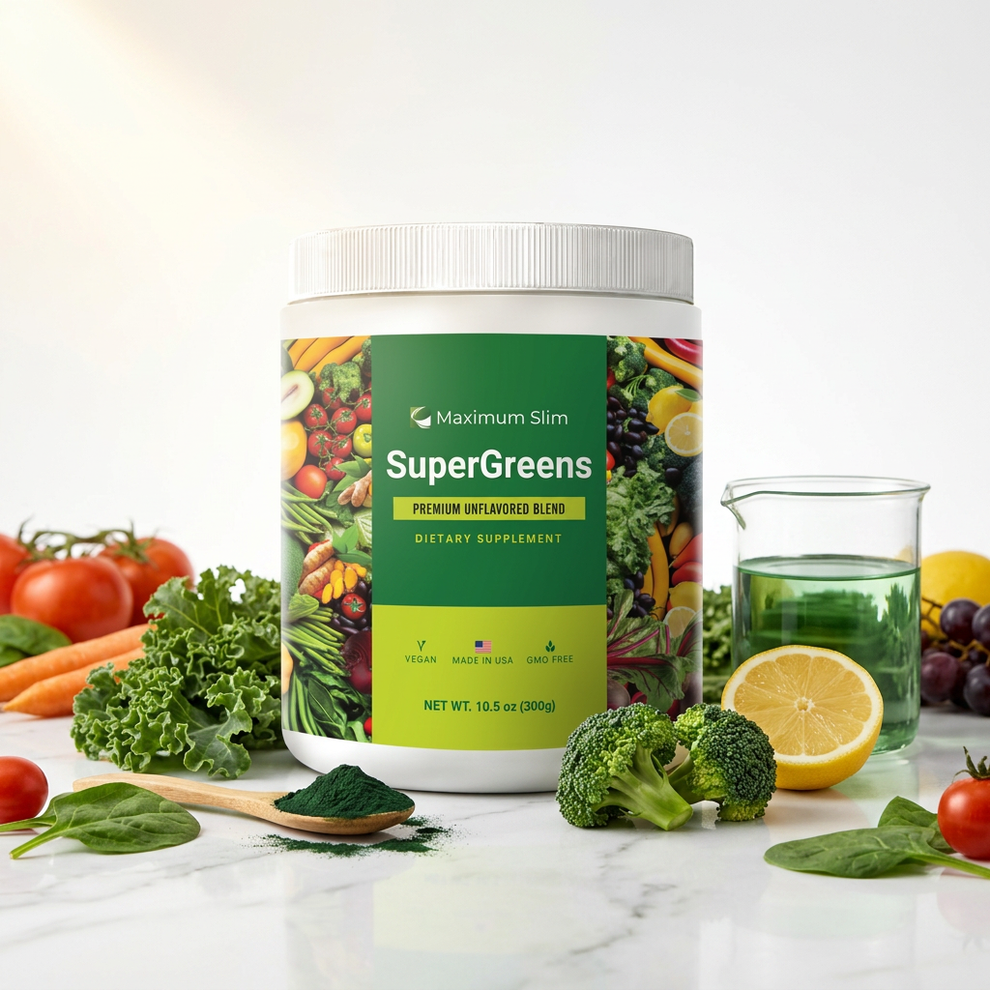
Top Relaxation Ingredients Compared by Clinical Evidence
A helpful comparison starts with the kind of relaxation a person wants. A supplement that takes the edge off a stressful workday is doing a different job from one that helps with sleep onset, and both are different from an ingredient meant to support longer-term stress resilience.
L-theanine has some of the clearest structured evidence in the relaxation category. A 2019 systematic review and meta-analysis suggested that 200–400 mg/day may help reduce stress and anxiety in stressful conditions, while also noting that larger and longer trials are still needed to confirm clinical use (PubMed review). That makes it a strong fit for acute calm and calm focus, not for sedation.
Ashwagandha belongs in a different category. The U.S. NIH Office of Dietary Supplements reports that studies found reductions in stress and anxiety scores, sleeplessness and fatigue, and serum cortisol compared with placebo (NIH ashagandha fact sheet). That pattern makes it more relevant for stress resilience, because it is usually used to support how the body handles ongoing pressure rather than to create an immediate calming effect. For a broader look at how adaptogens and cognitive-support ingredients are grouped in practice, see adaptogens and nootropics.
Kava has a meaningful evidence base for anxiety-related relaxation. One systematic review reported that 63% (5/8) of randomized controlled trials of kava monotherapy showed statistically significant reductions in anxiety symptoms, and it described that as good evidence for generalized anxiety and related disorders (systematic review). That places kava closer to the anxiety-relief side of the relaxation map, although it depends on standardized extracts and careful product selection.
What about magnesium and melatonin
Magnesium is commonly used in sleep-oriented routines, and it fits best as a support nutrient rather than a targeted anti-stress ingredient. Melatonin is even more specific, it is mainly a sleep hormone, so it is useful when the problem is sleep onset rather than daytime tension. If the goal is relaxation without next-day sedation, those distinctions matter more than the front label.
A useful way to compare these ingredients is by the job each one does. L-theanine is the calmer choice for daytime stress and mental strain. Ashwagandha is the better match for a chronic stress pattern. Kava is more often chosen for anxiety-related relaxation. Magnesium supports sleep routines, and melatonin helps with sleep timing. That is why a single “relaxation supplement” category can be misleading.
| Ingredient | Best For | Onset | Clinical Dose | Evidence Strength |
|---|---|---|---|---|
| L-Theanine | Acute calm, calm focus | Often short-term use | 200–400 mg/day in stressful conditions (PubMed review) | Relatively structured human data |
| Ashwagandha | Stress resilience, cortisol-related stress | Typically cumulative use | Use standardized extracts studied in trials (NIH ashagandha fact sheet) | Stronger than many herbs, but mixed |
| Kava | Anxiety-related relaxation | Often situational use | Use standardized extracts used in trials (systematic review) | Good evidence, with safety caveats |
| Magnesium | Evening relaxation, sleep support | Gradual | Qualitative support, dose depends on product | Commonly used, evidence varies |
| Melatonin | Sleep onset | Evening | Depends on formulation | Best for sleep timing, not calm |
If you want a calming ingredient profile that is often discussed in the broader wellness world, a useful companion piece is why lavender oil calms the mind. It helps show that relaxation aids do not all work through the same pathway.
Dosing and Safety Guidance for Each Top Ingredient

A calm supplement routine works best when the dose matches the goal. A person trying to stay clear-headed through afternoon stress needs a different approach from someone trying to fall asleep faster, and both differ from someone looking for steadier stress resilience over time.
For L-theanine, the clinical range highlighted in the review is 200–400 mg/day. It is often selected for non-sedating calm, so it can fit daytime tension as well as a lighter evening routine. If you are trying to decide on timing, a guide on the best time of day to take L-theanine can help you match the supplement to the part of the day when stress is most noticeable.
For ashwagandha, the main question is usually extract quality and consistency, not just the amount on the label. The NIH summary points to reductions in stress, anxiety, sleeplessness, fatigue, and cortisol in studies, while also noting that not every study is positive, as discussed above. The practical takeaway is to use a standardized product and give it enough time to see whether it fits a longer-term stress pattern.
Kava needs the most caution. The evidence is real, but the benefit in the review depended on monotherapy trials using standardized extracts, as noted earlier. That makes product quality and safety screening more important here than with many other relaxation ingredients.
A few safety rules that matter in real life
- Check medication overlap: If you take sedatives, anti-anxiety drugs, or anything that affects the nervous system, talk with a clinician before adding another calming ingredient.
- Use standardization: If a product does not say what extract it uses, you cannot compare it well with the clinical studies.
- Avoid stacking too quickly: If you change three variables at once, you will not know what helped or caused side effects.
- Watch for next-day effects: If the goal is calm, not grogginess, start low and assess how you feel the next morning.
A practical timing guide helps here. If your issue is afternoon tension, L-theanine is the most natural first try. If your issue is evening stress that spills into sleep, ashwagandha or a sleep-oriented formula may make more sense. If your issue is anxiety-like restlessness, kava may be a candidate, but only after you have checked product quality and safety.
How to Read Supplement Labels Like a Clean-Label Expert
A good ingredient can still be delivered badly. If the capsule is padded with unnecessary fillers, artificial colors, extra sweeteners, or a weak blend that hides tiny amounts of active compounds, the front label won't tell you that. Clean-label standards matter because they help you compare a product with the formulation used in trials, not just with its marketing language.
What to look for on the back panel
Start with the form of the ingredient. Standardized extract means the product is made to a consistent chemical profile, which matters because clinical studies usually test a defined extract, not a vague “herbal blend.” If the bottle doesn't identify the extract or active form, you're buying ambiguity.
Then scan the inactive ingredients. In a clean-label product, you want the shortest possible list consistent with capsule delivery. Watch for artificial colors, artificial flavors, added sugars, soy, gluten, and unnecessary fillers if you're trying to keep the formula simple and predictable.
A product can look sophisticated on the front and still be underdosed on the back.
Third-party testing matters too, but only if the brand tells you what was tested and by whom. A vague “quality tested” claim doesn't tell you much. A clear identity statement, an extract specification, and a transparent label are much more useful than glossy packaging.
One place where this becomes especially relevant is with multi-ingredient blends. If a formula tries to do everything at once, calm, sleep, stress, and recovery, the individual ingredients can become so diluted that the product is harder to compare with clinical research. That doesn't automatically make it bad, but it does make it harder to evaluate.
The clean-label approach used by Maximum Health Products fits this logic, because the point isn't to pile on ingredients. It's to keep the formula readable, relevant, and closer to what a careful shopper would expect from a functional supplement.
Matching Your Relaxation Goal to the Right Supplement Routine

If your main problem is acute calm, think about the busy professional who needs to come down after a hard afternoon without feeling foggy. That person usually wants a simple routine built around L-theanine, because it's the best match for quieting a racing mind while staying functional. Tea, caffeine, and pressure-filled meetings are where this kind of support makes the most sense.
If your problem is sleep onset, the night owl is a different case. That person doesn't need daytime calm, they need a smoother transition into rest, so a sleep-oriented routine may fit better. If you're building that kind of routine, the guide on how to improve sleep quality can help you align the supplement with the rest of your bedtime habits.
If your problem is stress resilience, the chronically stressed parent or caregiver often needs something more cumulative. That's where ashwagandha usually fits best, because the goal is not immediate sedation but a lower-stress baseline over time. People in this group often do better with one consistent daily supplement rather than chasing immediate effects from several products at once.
When stacking makes sense
Stacking can help when the ingredients solve different parts of the same problem. L-theanine plus ashwagandha can make sense if you want both a near-term calming effect and broader stress support. Stacking gets messy when you add products that all do the same job, or when you combine too many ingredients before you know how your body responds.
Best practice: Pick one primary goal, one primary ingredient, and one routine for at least long enough to notice a real pattern.
The video below is a useful visual companion if you prefer a routine-based explanation rather than a label-based one.
A practical way to decide is simple. If you need calm now, choose the ingredient with the quickest fit. If you need help sleeping, choose a sleep-specific routine. If you need less stress buildup across the week, choose the ingredient that matches resilience, not sedation.
Common Relaxation Supplement Myths That Waste Your Money
The biggest myth is that a relaxation supplement should feel dramatic. Real-world calm is usually subtler than sedation, and that's a good thing if you still need to think, work, parent, or drive. Another myth is that higher doses automatically work better, which is how people end up overshooting and blaming the ingredient instead of the dose.
Natural doesn't mean harmless either. Kava, for example, has a real evidence base, but that doesn't make every product or every dosing choice equally sensible. Clean-label shopping helps, but lifestyle still matters, which is why a basic Protect-A-Bed sleep hygiene guide can be just as useful as a supplement if your issue is really sleep behavior.
The last myth is that a complex proprietary blend is automatically more effective. In practice, blends often make it harder to know what you're taking and whether the ingredient amounts resemble the clinical studies. If a formula can't tell you what each part is doing, it's harder to trust it with your money.
If you want a cleaner way to choose a relaxation supplement, Maximum Health Products offers focused formulas and sleep-and-relax options designed around specific wellness goals. Visit Maximum Health Products to compare product categories and build a routine that matches your need for calm, sleep support, or stress resilience.

