


Somewhere between rushing out the door, skipping breakfast, and promising yourself you'll “eat better tomorrow,” weight loss starts to feel harder than it should. A lot of women land on shakes for the same reason. They want something simple, filling, and easier than counting every bite. Then the confusion starts. One tub says “lean.” Another says “meal replacement.” A third looks healthy but reads like a chemistry set.
That's where most guides fall short. They hand you a list of products, but they don't teach you how to judge what's inside.
A good shake isn't a shortcut. It's a tool. Used well, it can help you stay satisfied, keep your meals consistent, and avoid the all-or-nothing cycle that makes weight loss exhausting. Used poorly, it can leave you hungry an hour later and wondering why nothing changed.
The best weight loss shakes for women usually have one thing in common. They're built to support real life. That means enough protein to keep you full, enough fiber to slow digestion, a calorie level that fits a meal or snack on purpose, and ingredients you feel good about using every day.
Your Guide to Smarter Weight Loss Shakes
A familiar pattern goes like this. Breakfast is coffee. Lunch is whatever you can grab. By late afternoon, your energy drops, your appetite ramps up, and dinner turns into the biggest meal of the day. Nothing about that means you lack willpower. It usually means your routine isn't giving your body steady fuel.
That's why shakes can help. They reduce friction.
Instead of trying to build the perfect meal during a packed workday, you can use one well-made shake as a reliable anchor. Not for every meal, and not forever, but as one small decision that makes the rest of the day easier. For many women, that's the difference between “starting over on Monday” and finally building a routine that sticks.
Why simple often works better
Weight loss advice often gets too complicated. More rules don't always lead to better results. A shake can work because it solves a basic problem: it makes one meal predictable.
When that meal includes enough protein and fiber, you're less likely to go into the next few hours ravenous. You're also less likely to swing between restriction and cravings.
Practical rule: A shake should make your day feel calmer, not more obsessive.
The bigger goal isn't just seeing the scale move. It's protecting your energy, staying regular with meals, and choosing something that supports your body instead of punishing it. That matters for women who are juggling work, family, training, hormones, or all of the above.
What makes this guide different
You don't need another roundup based on flavor alone. You need to know how to read a label, how to tell a snack shake from a true meal replacement, and how to think about ingredient quality.
That includes questions many women already care about, such as:
- Protein quality: Does this keep me full?
- Fiber support: Will this hold me over, or just digest fast?
- Clean-label ingredients: Is this built from recognizable ingredients or loaded with fillers?
- Micronutrient quality: Are nutrients coming from whole-food ingredients where possible, or just added as synthetic extras?
Once you can answer those questions, brand names stop controlling the decision. You do.
Featured Product
Organic Protein Shake - Maximum Slim
Each serving provides 20g of organic plant-based protein and 10g of organic fiber, making it a convenient option for smoothies, shakes, and meal replacement support.
Shop Now →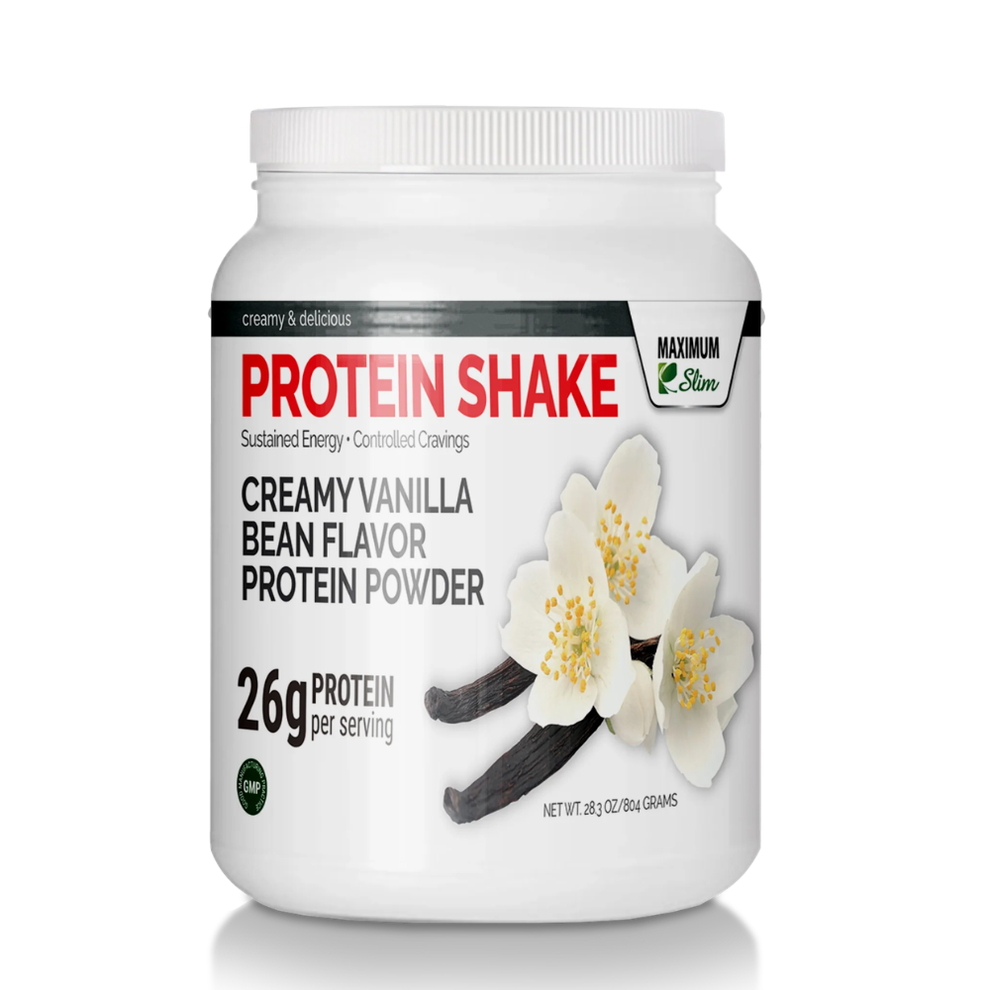
How Shakes Help Women's Weight Loss Goals
You skip breakfast because the morning gets hectic. By 11 a.m., you are distracted, hungry, and reaching for whatever is nearby. A good shake can help because it turns that vulnerable window into something planned, filling, and nutritionally steady.
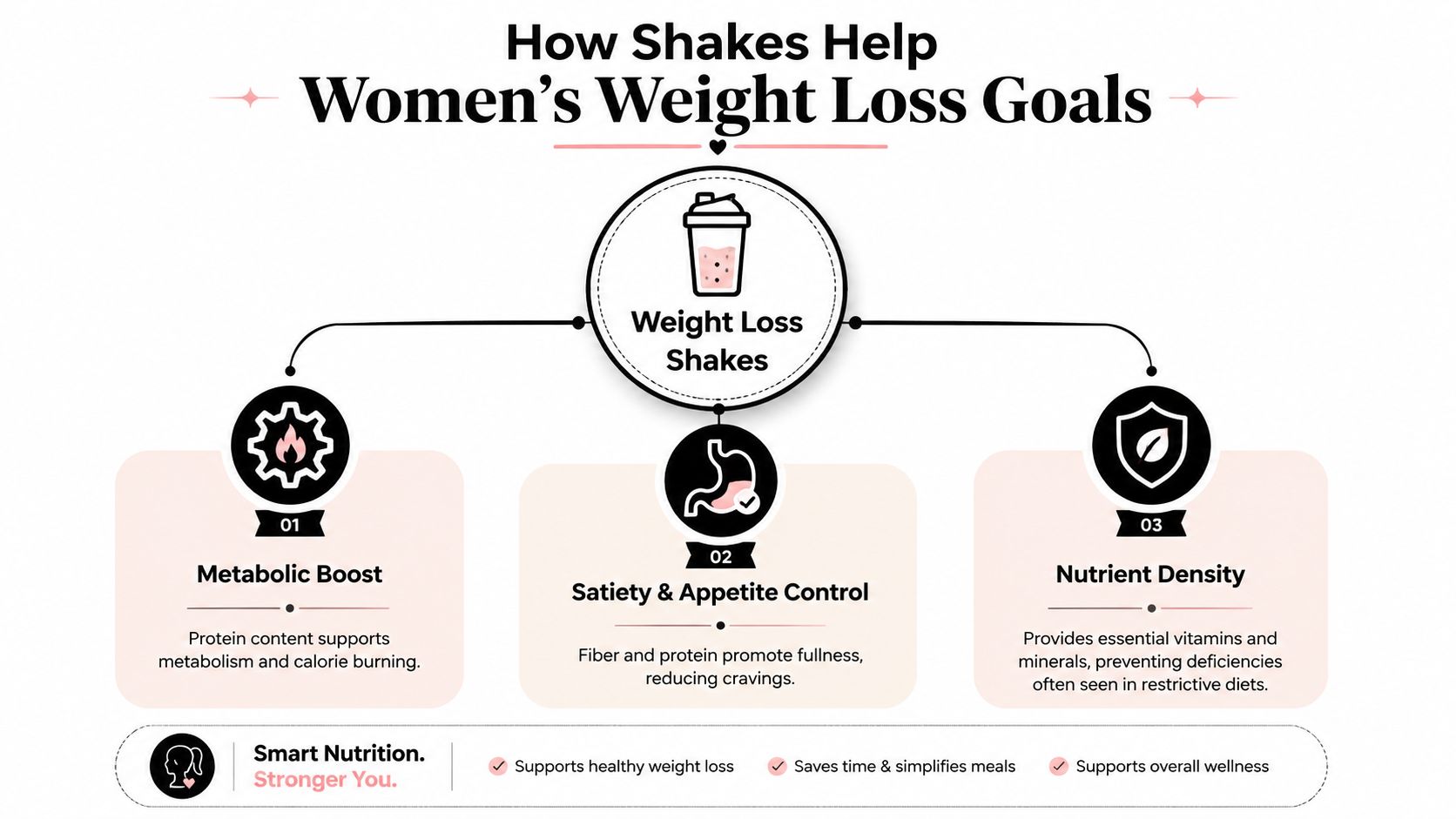
A well-built shake supports women's weight loss goals in three practical ways. It helps preserve lean mass during a calorie deficit, keeps hunger more manageable, and creates meal structure that is easier to repeat on busy days.
Protein helps protect lean tissue during weight loss
When calorie intake drops, the body does not pull energy from fat alone. It can also break down lean tissue, especially if meals are light on protein. That matters for women because muscle supports strength, recovery, and the amount of energy your body uses across the day.
Protein works like maintenance material for the body. If you are asking your body to run on fewer calories, it still needs the building blocks to repair and hold onto muscle. This becomes even more relevant for active women, women in midlife, and women who notice that dieting leaves them tired instead of steady.
This is one reason many women do better with a shake than with a small pastry, plain smoothie, or low-protein snack lunch. The shake can give the body a clearer signal that a real meal happened.
If you are comparing options, this is also why many women start by reviewing clean protein shakes with simpler ingredient lists, rather than choosing based on flavor claims alone.
Fullness comes from the formula, not just the calorie number
Hunger is not usually a character flaw. It is often a meal-design problem.
A shake that digests like sweetened liquid will not hold you for long. A shake with enough protein, some fiber, and a texture that feels substantial tends to slow the whole experience down. It works more like a balanced meal and less like a quick drink.
Protein and fiber act like the parts of a campfire that keep it burning steadily instead of flaring up fast and fading out. That steadier digestion can help reduce the late-morning crash or the afternoon snack spiral that many women blame on lack of discipline.
There is also a hormonal angle that gets ignored in many shake guides. Appetite, cravings, water retention, and energy can shift across the menstrual cycle, during perimenopause, or during periods of high stress and poor sleep. A shake will not erase those changes, but a more balanced meal can make them easier to work with. For many women, that means fewer swings between under-eating early and overeating later.
Structure reduces decision fatigue
Weight loss often breaks down in the same place every day. It is the rushed breakfast, the missed lunch, the post-workout scramble, or the late afternoon stretch when you are hungry and short on time.
A shake helps by making one meal more consistent.
That consistency matters because repeated choices shape intake more than occasional perfect meals do. If one meal is predictable, satisfying, and portion-aware, the rest of the day often gets easier. You are less likely to arrive at dinner starving. You are less likely to grab random extras just to get through the afternoon.
For women who are balancing work, family, training, and changing hormone patterns, this kind of structure can be more useful than rigid food rules. The goal is not to replace normal eating forever. The goal is to create a reliable option for the times your routine is most likely to fall apart.
Used that way, a shake becomes less of a diet product and more of a tool. It helps you eat with more consistency, protect your nutrition, and make choices based on how your body responds.
Decoding the Label What to Look For and Avoid
You are standing in the aisle, holding two tubs with almost identical front labels. Both say they support weight loss. One will function more like a balanced mini-meal. The other is closer to sweetened protein powder with a wellness halo. The difference is usually hiding on the back.
Start there.
The nutrition panel and ingredient list tell you what the shake is built to do. A good label works like a blueprint. It shows whether the product is likely to keep you full, support steady energy, and fit into your routine without a rebound hunger crash an hour later.
Read the label in this order
A simple way to avoid confusion is to scan the label in four passes:
- Protein
- Fiber
- Sugar and total calories
- Ingredients and added vitamins or minerals
That order matters because it helps you judge function before flavor claims. A shake can say “clean,” “fit,” or “women's formula” on the front and still be low in the nutrients that make it satisfying.
What usually makes a shake feel like a meal
For a meal-style shake, a useful target is enough protein to support fullness, enough fiber to slow digestion, and enough calories to count as an actual meal rather than a placeholder.
Here is a practical way to sort labels:
| Label Feature | Meal-Style Shake | Snack-Style Shake | Why It Matters |
|---|---|---|---|
| Protein | Usually 20 to 30 g | Often lower or moderate | More protein tends to support fullness better |
| Fiber | Usually 5 g or more | Often minimal | Fiber helps the shake digest more slowly |
| Calories | High enough to replace a meal | Lower, more of a bridge | A very low-calorie shake may leave you hungry fast |
| Sugar | Kept relatively low | Varies widely | Higher sugar can make a shake feel less steady |
A meal-style shake should read like a small meal on paper. A snack shake should read like support between meals. Mixing those up is one of the main reasons women feel disappointed with shakes. The product did exactly what it was designed to do, but it was used for the wrong job.
A quick shortcut is to compare formulas against guides focused on clean protein shake ingredient standards and label quality before you buy.
Ingredient list first, marketing claims second
The front of the package is trying to sell you the idea of the product. The ingredient list shows what is really inside.
Look for a short, readable list where the main protein source appears early and the rest of the formula has a clear purpose. If the list is crowded with syrups, multiple sweeteners, colorings, and long strings of texture additives, that does not automatically make the shake “bad.” It does tell you the product may be designed more for taste, shelf stability, and texture than for day-to-day nourishment.
Three label clues help:
- A clear protein source. Whey, pea, soy, casein, or a blended plant protein should be easy to spot.
- A meaningful fiber source. Ingredients such as chia, flax, oat fiber, psyllium, or inulin can make the shake more filling, though tolerance varies.
- Limited added sugar. Sweetness is not a problem by itself. Heavy added sugar can make appetite feel less predictable for some women.
Clean label means more than fewer ingredients
“Clean label” gets used loosely, so it helps to define it in practical terms. For a daily shake, clean label usually means the formula is easier to understand, has fewer unnecessary extras, and includes ingredients you recognize and tolerate well.
That matters more for women who use shakes often. If you drink one several times a week, small details add up. Sweeteners that upset your stomach, gums that leave you bloated, or a vitamin blend that uses harder-to-absorb forms may turn a convenient habit into one you stop using.
Why micronutrients deserve a closer look
This is the part many product roundups skip.
Women are more likely than men to be thinking about iron, calcium, vitamin D, magnesium, folate, and B vitamins, especially during heavy training, busy work seasons, perimenopause, or years when meals are more rushed than ideal. A shake does not need to provide all of those nutrients to be useful. But if it includes them, the forms matter.
For example, some mineral forms are gentler and better absorbed than others. Some products add a long list of vitamins mainly for label appeal, while the rest of the formula is thin on fiber and built around sweeteners. A better approach is balance. You want the shake to cover the basics first, then add micronutrients in a thoughtful way.
Red flags that deserve a pause
A label is worth reconsidering if you notice one or more of these patterns:
- Protein is present, but fiber is almost absent.
- Sugar is high enough that the shake reads more like a flavored drink.
- The calorie total is very low, yet the product is marketed as a meal replacement.
- The ingredient list is dominated by fillers and multiple forms of sweetener.
- The vitamin and mineral list looks impressive, but the core nutrition looks weak.
None of these points mean a product can never fit your life. Their message is to match the product to the purpose. A light shake may work well after a workout or during a busy afternoon. It may not be enough for a real breakfast if you are trying to keep cravings steady through the morning.
Your goal is not to find a perfect label. It is to find one that makes sense for your body, your hunger patterns, and the role the shake needs to play.
Choosing Your Protein Source Whey vs Plant Based
Protein type shapes more than the nutrition panel. It affects how full you feel, how your stomach responds, how the shake tastes, and whether you will want it again tomorrow. That matters because the best shake on paper is not very useful if it leaves you bloated, hungry an hour later, or tired of the flavor by day three.
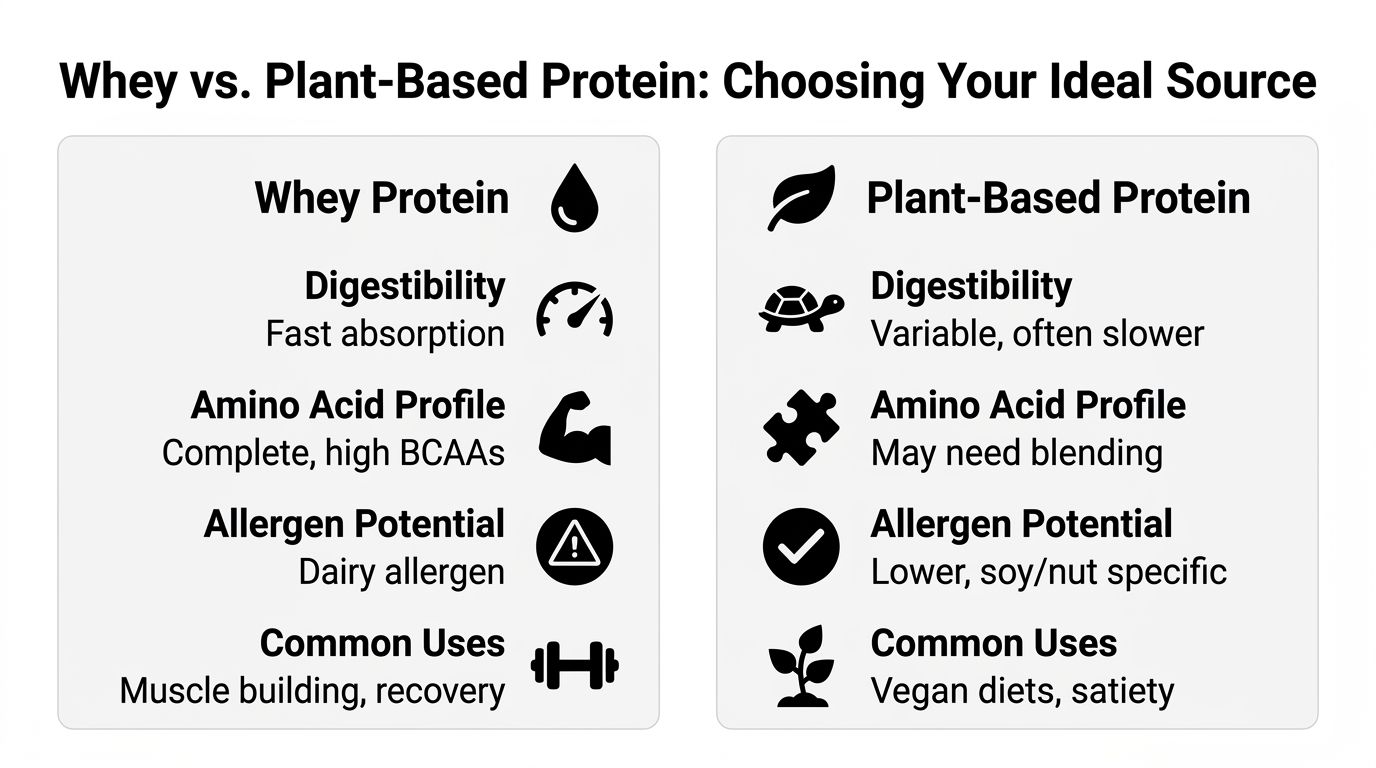
A simple way to compare whey and plant protein is to ask two questions. First, does your body feel good with it? Second, does the formula match the role of the shake in your day? A post-workout shake, a quick breakfast, and a true meal replacement can all use different protein styles successfully.
Whey for a complete protein with an easy texture
Whey comes from dairy and is naturally rich in essential amino acids. It usually mixes smoothly, tastes mild, and works well for women who want a straightforward option after exercise or during a busy morning.
Many women also find whey easier to drink consistently because the texture is less gritty than some plant powders. But tolerance matters. If dairy tends to leave you gassy, puffy, or uncomfortable, whey can create friction you do not need.
The label gives clues here too. Whey isolate is usually lower in lactose than whey concentrate, so some women digest it better. If you are sensitive to dairy but still curious about whey, that distinction is worth checking before you rule it out completely.
Plant-based options for dairy sensitivity, fullness, and ingredient preferences
Plant-based shakes often use pea, brown rice, hemp, soy, or a blend. Blends are common because they can create a more balanced amino acid profile and a better texture than a single plant source alone.
This category can be especially useful for women who do better without dairy, want a vegan formula, or prefer a shorter ingredient list. Some plant proteins also create a thicker shake, which can make it feel more like a small meal than a drink. That can be helpful during perimenopause or other phases when appetite cues feel less predictable and staying satisfied gets harder.
Not all plant formulas are equal, though. One may feel creamy and steadying. Another may taste chalky or leave you oddly hungry. Reading the ingredient list helps. A shorter formula with a clear protein source and fewer gums or sweetener blends is often easier to judge. If you want a broader comparison of different protein powders, that guide can help you sort through the common options.
The right protein source is the one you digest well, enjoy drinking, and can use often enough to support your routine.
How to decide without overthinking it
Use a test period instead of guessing from marketing claims. Try one shake consistently for a week or two and pay attention to a few real-life signals: fullness, digestion, taste fatigue, and energy between meals.
- Choose whey if: you tolerate dairy well, want a smoother texture, and like a complete protein that works well after training or in a quick meal.
- Choose plant-based if: dairy bothers you, you want a vegan option, or you feel better with a thicker shake built from non-dairy ingredients.
- Look beyond protein grams: check whether the shake keeps you satisfied, not just whether the label lists a high number.
- Notice micronutrient forms if included: some formulas add iron, calcium, magnesium, or B vitamins, but the form matters if you want your body to use them well.
- Keep your routine stable while testing: changing the shake, breakfast, and workout schedule all at once makes it harder to tell what is helping.
One example in this category is Maximum Slim Organic Fat Burning Meal Replacement from Maximum Health Products, a vanilla meal replacement drink positioned for weight control and energy. A product like that may fit women who want a meal-style shake rather than a lighter snack option, especially if they are comparing how different protein sources affect fullness and digestion.
Integrating Shakes Into Your Daily Routine
It is 7:15 a.m. You are answering emails, packing lunches, looking for your keys, and breakfast keeps sliding down the priority list. By 11 a.m., hunger is loud, focus is shaky, and the easiest food in reach starts calling your name. A shake can help here, but only if you place it where your routine breaks down.
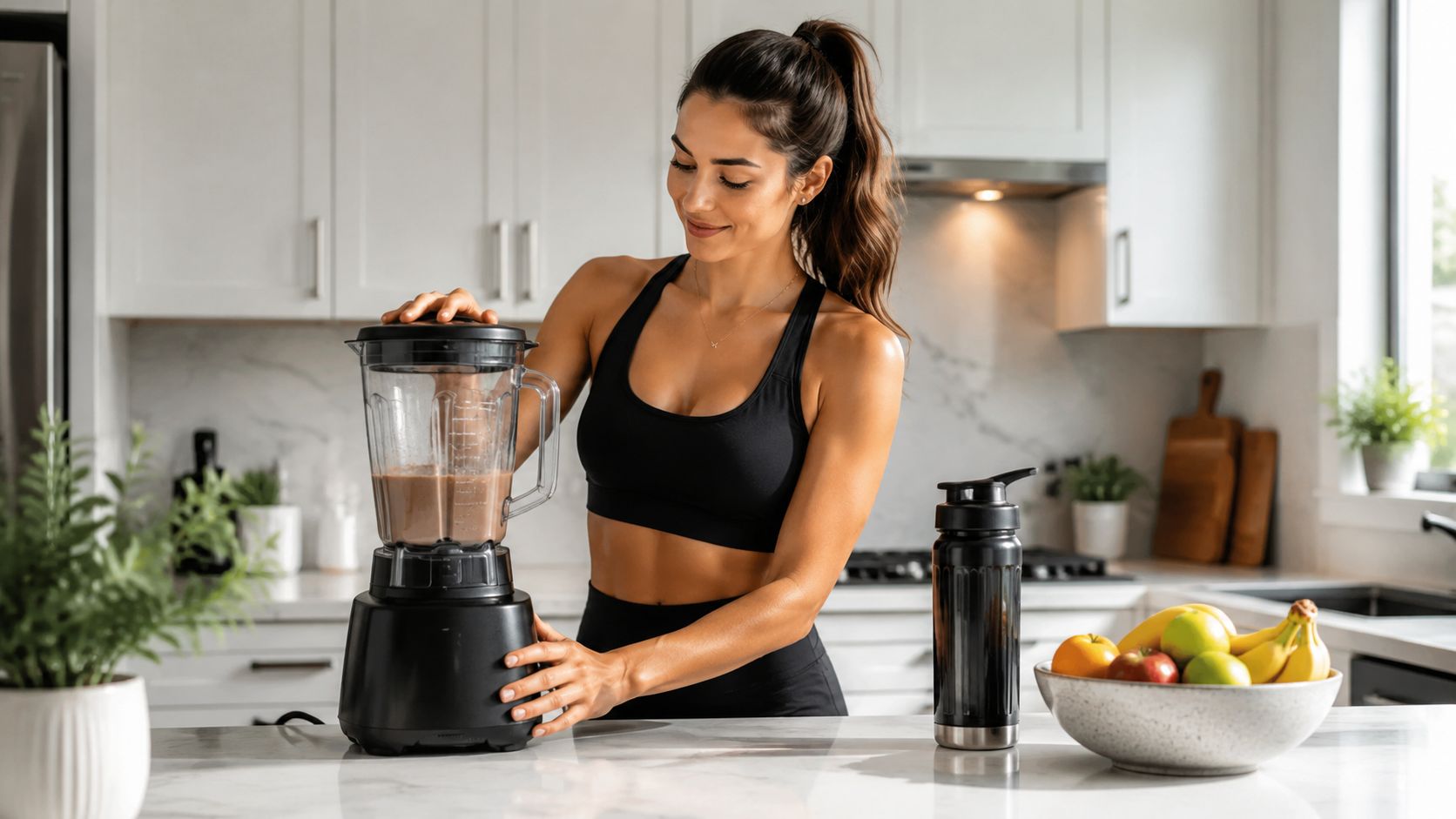
The simplest approach is to give your shake one clear job. It might be your backup breakfast, your workday lunch on rushed days, or your post-workout bridge until a full meal. Women usually do better with that kind of targeted use than with trying to replace multiple meals and hoping willpower carries the rest.
A good routine starts with friction. Where do things get hard? The answer is often more useful than asking, "When should I drink my shake?"
Morning rush
Breakfast is a smart slot if mornings feel messy or if coffee has been standing in for food. A balanced shake can soften that late-morning crash and make lunch decisions less impulsive.
What matters most is staying power. If your breakfast shake digests too fast, it works more like a flavored drink than a meal. Look for enough protein, some fiber, and ingredients you tolerate well. If you want ideas for building a shake that feels more satisfying, this guide to protein powder shakes for different daily routines can help.
A simple test helps. Drink the same shake for several mornings and ask:
- Are you satisfied for a reasonable stretch, or hungry again within an hour?
- Does your energy stay steady?
- Does your stomach feel calm, or do you get bloating or heaviness?
- Are you still willing to drink it after day four?
That last question matters more than people think.
Busy lunch or workday backup
Lunch is often the meal that gets replaced by meetings, errands, commuting, or whatever the day decided to throw at you. In that situation, a shake works like a packed umbrella. You may not need it every day, but when the weather turns, you are glad it is there.
This is also where label reading pays off in real life. If your shake is acting as a meal backup, it should bring more than protein powder and sweetener. A meal-style shake may make more sense if it includes fiber and useful amounts of vitamins and minerals in forms your body can use well. That is especially relevant for women who are trying to support energy, iron status, bone health, or appetite control while eating fewer overall calories.
Keep one serving where life gets hectic. Your desk drawer, tote bag, gym bag, or car all work. Convenience is not a small detail here. It often decides whether you follow your plan or end up grabbing something random.
Put your shake where your routine is least reliable.
Post-workout and late-day hunger
Some women feel fine in the morning and need support later. A shake can fit well after training, especially if there is a long gap before your next full meal. It can also help in the late afternoon, when many women start picking at snacks because dinner is still far away and hunger has built up all day.
This short video gives a simple visual for building a healthy shake habit:
Hormones play a role here too. Appetite, cravings, fluid shifts, and energy can change across the menstrual cycle, and your usual timing may not feel the same every week. During higher-hunger phases, a slightly more filling shake with protein, fiber, and a little fat may work better than a very light one. During days when digestion feels sensitive, a simpler formula may sit better.
A few practical patterns work well:
- After an early workout: Use a shake when you need recovery now and breakfast later.
- On meeting-heavy afternoons: Have a snack-style shake before you get overly hungry.
- On travel days: Keep a single-serve option so one missed meal does not turn into a full day of grazing.
Keep the rest of your meals grounded
Shakes work best as support, not as the whole plan. Your other meals should still look like meals. Protein, produce, fiber-rich carbs, and fats that help you feel satisfied.
That balance matters for nutrition and for sanity. A shake can simplify one part of the day, but it should not crowd out chewing, cooking, social meals, or foods you enjoy. The goal is a routine you can repeat without feeling restricted, not a schedule built around supplements.
Beyond the Shaker Creative Shake Recipes and Plans
Plain powder and water gets old fast. The easiest way to stay consistent is to make your shake feel like food, not a chore. That often means adding texture, color, and ingredients that support fullness and enjoyment.
There's also a growing interest in ingredient quality, not just macros. According to Women's Health coverage of weight-loss shakes, 68% of women asking about the best shakes specifically ask about bioavailability and natural micronutrients, yet 92% of top-ranking articles don't provide comparative data on synthetic versus whole-food nutrient sources. That gap makes sense. Women often want a shake that supports daily nourishment, not just calorie control.
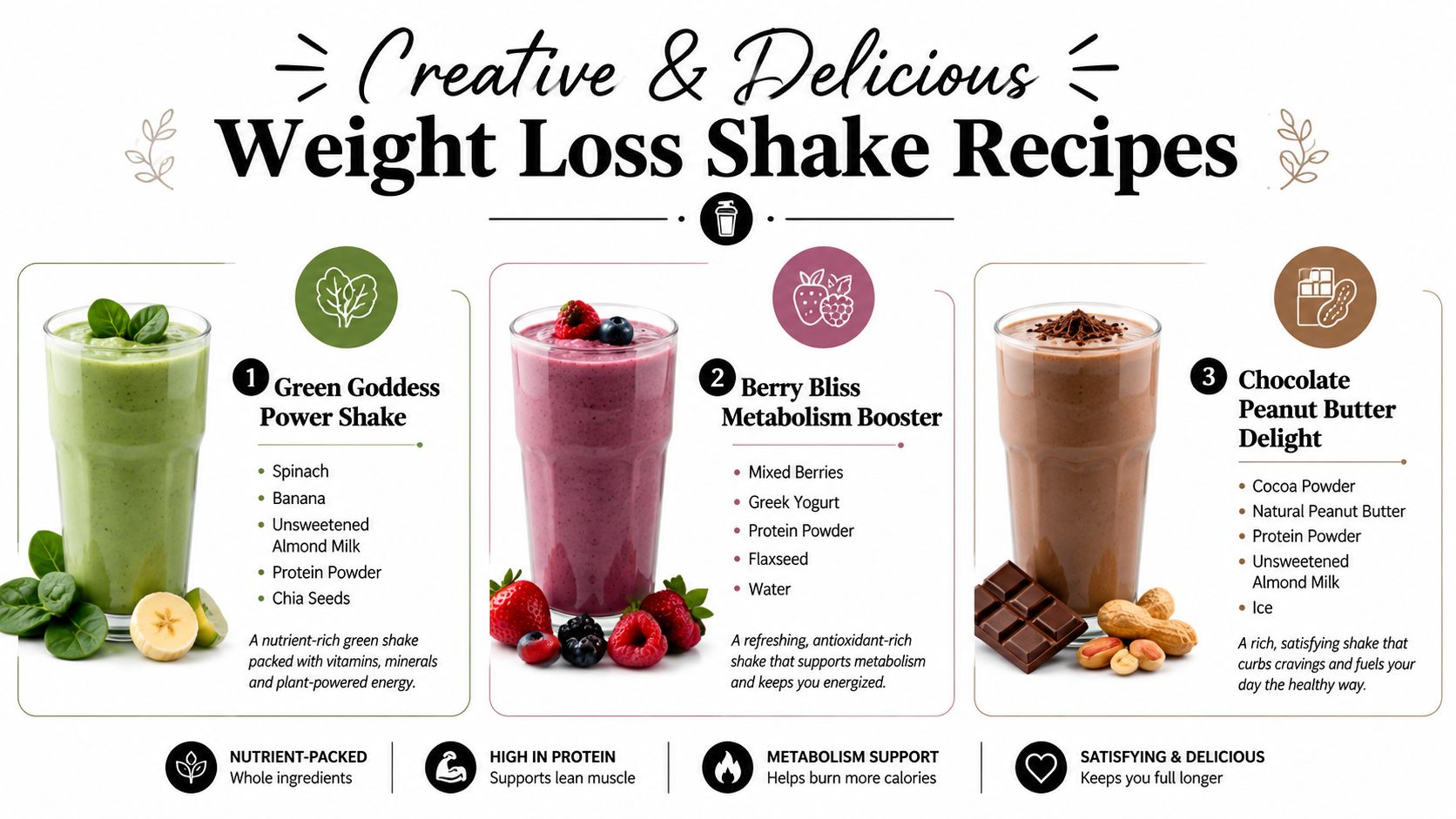
Three easy ways to upgrade your shake
You don't need complicated recipes. Start with a clean protein base, then add one produce item, one texture booster, and a liquid.
- Green glow smoothie: Blend protein powder with spinach, avocado, and an unsweetened milk alternative for a creamy, less-sweet option.
- Berry antioxidant shake: Use mixed berries, chia or flax, and protein powder when you want something bright and refreshing.
- Chocolate nut style blend: Mix cocoa, natural nut butter or peanut butter powder, protein powder, and ice for a richer flavor that still feels purposeful.
If you want more combinations for everyday use, these protein powder shake ideas can help you rotate flavors without getting bored.
A simple weekly pattern
A full meal plan doesn't need to be rigid. A better approach is to assign the shake to the part of the day where you need support most.
Here's a flexible example:
- Monday to Wednesday: Shake for breakfast on busy mornings.
- Thursday: Use it as a back-up lunch if meetings run long.
- Friday: Have one after your workout to avoid late-day snacking.
- Weekend: Use whole-food meals when you have time, and keep a shake available if plans get off track.
Variety helps with consistency. The more a shake feels like part of normal eating, the less likely you are to rebel against it.
Keep recipes aligned with your goal
Add-ins should make the shake more balanced, not accidentally turn it into a dessert. Fruit, seeds, greens, yogurt alternatives, and nut butters can all be useful. The trick is matching the shake to the role it's playing.
A meal replacement can be richer and more filling. A snack shake should stay lighter. Once you know that difference, recipe building gets much easier.
Frequently Asked Questions About Weight Loss Shakes
Will protein shakes make me bulky
No. Protein helps support muscle, but it doesn't automatically create a bulky look. For most women, a shake makes it easier to eat enough protein to stay full and support body composition while losing weight.
Is a shake better as a meal or a snack
It depends on the formula. Some shakes are built as meal replacements and others are better as light support between meals. The label matters more than the marketing name.
Are weight loss shakes safe for long-term use
They can be useful long term if they're part of a balanced diet and not the only thing you eat. A shake should support regular meals, not replace the experience and nutrition of whole foods across your entire day.
Should I choose whey or plant-based
Choose the one you digest well and can use consistently. Whey works well for many women. Plant-based formulas can be a better fit if you avoid dairy or prefer simpler ingredient lists.
Can I use shakes during pregnancy or breastfeeding
Talk with your doctor or a qualified prenatal healthcare professional first. Pregnancy and breastfeeding change nutrient needs, and a product that works well for general weight management may not be the right fit during that season.
What if shakes leave me hungry
That usually means the shake isn't built strongly enough for the role you gave it. If you used a snack shake as a meal replacement, hunger makes sense. Check the protein, fiber, sugar, and overall calorie level before assuming shakes “don't work” for you.
Do I need to drink shakes every day
No. Many women do well using them only on the days they're most needed, such as rushed mornings, training days, or travel days. Consistency matters more than perfection.
If you want a clean-label option that fits a broader wellness routine, Maximum Health Products offers meal replacement, protein, and weight management products designed around simple ingredients and practical daily use. The most important step is still the same. Pick a shake that matches your needs, read the label carefully, and use it where it makes your day easier.

