


Caffeine Free Detox Tea is an herbal infusion blend marketed for digestive comfort and low-stimulant daily use, not a clinically proven fat-loss or toxin-removal product. The category sits inside a real market shift, with 559 caffeine-free product launches in Canada between January 2020 and April 29, 2025, and 27.5% of them were brand-new products, while decaffeinated tea in Canada's no-caffeine hot and cold drinks market was projected to rise from 83.4 million in 2023 to 123.7 million by 2028.
That tension matters because the label says one thing, while the evidence says something narrower. A caffeine free detox tea can be a soothing ritual, a digestion-friendly drink, and a cleaner alternative to stimulant-heavy wellness teas, but it shouldn't be mistaken for a shortcut that “flushes toxins” or melts fat.
What Caffeine Free Detox Tea Actually Is
A caffeine free detox tea is best understood as a functional herbal infusion, not as a medical detoxifier. The cup usually combines herbs such as peppermint, ginger, dandelion, rooibos, fennel, licorice, nettle, lemongrass, burdock root, or milk thistle, and the point is usually comfort, not pharmacology.
That distinction clears up a lot of confusion. True tea comes from Camellia sinensis, but these blends are usually tisanes, which means they're made by steeping herbs, roots, seeds, and flowers in hot water. Think of them as the herbal version of a warm compress for the gut, something that can feel supportive without pretending to be a drug.
The commercial side of the category is real, and so is the evidence gap. On one side, consumer interest in caffeine-free hot drinks and herbal beverages keeps growing, and on the other side, detox-and-weight-loss claims remain weak in human research. That's why the most useful definition is the practical one, a caffeine free detox tea is a low-stimulant beverage for hydration and digestive comfort, not a proven body-cleansing tool.

Practical rule: if a label promises detox or weight loss, read it as marketing first and evidence second.
You'll get the most value from this guide if you learn three things at once, ingredient literacy, label literacy, and safe brewing habits. That makes it much easier to judge whether a product is a gentle daily tea or just a loud promise in a pretty box.
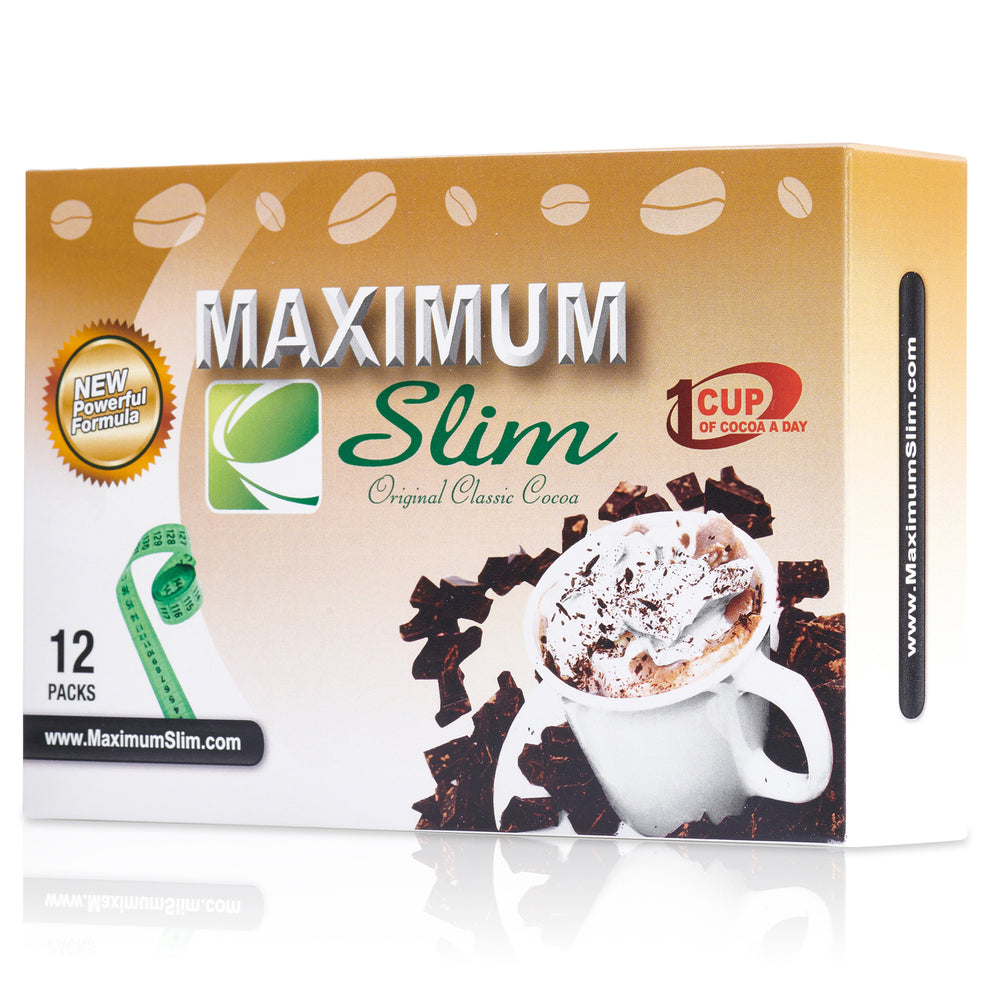
Featured Product
Maximum Slim Original Classic Cocoa
is a rich and flavorful instant cocoa drink crafted for those who enjoy a balanced lifestyle. This smooth cocoa blend combines quality cocoa with carefully selected ingredients to deliver a satisfying beverage you can enjoy daily.
Shop Now →Core Ingredients and Their Evidence-Based Benefits
A lot of confusion comes from treating all detox blends as if they work the same way. They don't. Each herb plays a different role, and the cup usually works because of the blend, not because one plant is secretly doing everything.
Ingredient roles you'll see most often
Peppermint is the easiest one to recognize. Traditionally it's used for a settled stomach, and its carminative action makes it a common choice for gas and bloating. People often notice it after meals, but the effect is comfort-based, not detox-based.
Ginger is another familiar ingredient, often used for warmth and digestive ease. It's the herb people reach for when they want the cup to feel gently activating without caffeine. In practice, it fits well in blends meant for evening wind-down or post-meal support.
Dandelion root shows up in many detox teas because it has a bitter profile that can encourage digestive secretions and mild fluid movement. That's different from “cleansing toxins.” It's more accurate to think of it as supporting digestion and fluid balance.
Rooibos brings body and a naturally tea-like taste without caffeine. It's not usually the star of a detox formula, but it helps a blend feel like a complete beverage instead of a pile of bitter herbs.
Fennel is often included for bloating and gas. Licorice can soften the flavor and soothe the throat or stomach, though it deserves caution in people with blood pressure concerns. Nettle, lemongrass, burdock, and milk thistle are often added for traditional wellness positioning and to round out the blend.
A useful way to read these herbs is to ask, “What symptom is this trying to support?” not, “What toxin is this removing?”
The formulation example in the brief is instructive. One caffeine free detox tea uses a 1,810 mg proprietary herbal blend per tea bag, which shows how these products are usually built, as mixed botanicals rather than single-herb doses with pharmaceutical precision. If you want a broader label-literacy framework for tea products, this metabolism tea guide is a helpful companion.
| Common Caffeine-Free Detox Tea Ingredients at a Glance | Traditional Role | Typical Mechanism | Evidence Strength |
|---|---|---|---|
| Peppermint | Post-meal comfort | Carminative, soothing | Moderate for comfort, limited for detox |
| Ginger | Digestive warmth | Soothing, gastric support | Moderate for nausea and digestion |
| Dandelion root | Bitter herbal support | Mild digestive and fluid support | Limited for detox claims |
| Rooibos | Base herb, flavor | Caffeine-free beverage support | Low for detox claims |
| Fennel | Bloating support | Carminative | Moderate for gas relief |
| Licorice | Soothing flavor | Mucosal soothing | Limited, caution needed |
| Nettle | Fluid balance | Mild diuretic tradition | Limited |
| Lemongrass | Flavor and freshness | Mild soothing herbal note | Limited |
| Burdock root | Bitter support | Digestive stimulation | Limited |
| Milk thistle | Wellness positioning | Traditional liver support language | Limited for tea-based detox claims |
How Caffeine-Free Detox Tea Works in the Body
The body response is usually modest, which is exactly why the caffeine-free version appeals to people who want comfort without feeling wired. A well-made blend doesn't “purge toxins,” it nudges the digestive process in small ways that can make the body feel lighter or calmer after a meal.
The real mechanisms are gentle, not dramatic
Some herbs act through mild diuresis, especially dandelion and nettle in traditional use. That can change how full or puffy a person feels, but it's not the same thing as fat loss. Other herbs, especially peppermint and fennel, act as carminatives, which means they help settle gas and reduce bloating.
Bitter herbs such as dandelion root and burdock may encourage digestive secretions, which is one reason these teas are often used around meals. Ginger and licorice can make the cup feel smoother on the stomach, which is useful for people who want an evening beverage that doesn't feel harsh.
The contrast with stimulant or laxative detox products matters. Those formulas can create quick scale changes through water loss or bowel evacuation, especially when ingredients like senna are present, but that's not body recomposition. The weight difference is temporary, and the side effects can be unpleasant.

The caffeine-free version has one clear advantage, it turns down the volume on stimulant burden. That usually means lower risk of jitters, less interference with sleep, and a better fit for late afternoon or evening use.
If you're comparing routines, think in terms of function. A caffeine free detox tea is closer to a digestive comfort and hydration ritual than a body-cleansing protocol. That framing keeps expectations honest and helps you notice the small benefits that exist.
Evidence vs Marketing Claims for Detox Tea
The marketing story is simple. Drink the tea, lose weight, flatten your belly, and clear out toxins. The clinical story is much narrower, and it's the one worth trusting.
What the evidence does and doesn't support
A systematic review in PMC concluded that diet and detox teas marketed for weight loss have insufficient evidence to be considered safe and effective, and that human evidence is extremely limited, with only one Slim Tea trial showing slight weight loss. BBC Good Food also notes that there's no scientific evidence supporting detox tea products for weight loss, and that scale changes are often temporary water loss rather than fat loss. The larger detox tea market still grows fast, with one industry estimate placing it at about USD 2.04 billion in 2024 and projecting USD 15.16 billion by 2035 at a 20.0% CAGR, plus another report estimating roughly USD 3.7 billion in 2026.
That gap is the core issue. Consumer demand is strong, but demand doesn't validate the detox claim. The body already uses the liver, kidneys, gut, and skin to handle waste, so the phrase “flush toxins” is more slogan than measurable medical outcome.
What does make sense is more modest. People often use caffeine free detox tea for reduced bloating after meals, a calmer evening routine, extra hydration, and a lower-caffeine option when they want something warmer than water. That's a real use case, and it doesn't need exaggerated promises to be useful.
If you want a broader view on weight-management support alongside realistic tea use, find weight management support is worth reading as a related resource. The main point stays the same, though, a useful tea supports routine, it doesn't replace physiology.
BS filter: if a detox tea promise sounds faster than healthy biology would allow, it probably is.
Brewing Techniques and DIY Caffeine-Free Detox Recipes
Good brewing matters because many people under-steep herbal teas and then blame the tea for being weak. Most caffeine-free detox blends need enough heat and time to pull flavor and aroma from roots, seeds, and leaves.
Brewing basics that work at home
Use water that's just below boiling for most herbs, and a little cooler for delicate flowers if they're in the blend. Steep roots and seeds for 5 to 10 minutes, and leaves for 3 to 5 minutes. A practical default is 1 tea bag or 1 teaspoon per 8 oz of water, and it helps to cover the cup so the volatile oils don't drift off into the air.
Timing matters too. A cup after a heavy meal can feel helpful for bloating. A cup in the mid-afternoon can replace a second coffee if you want something warm without caffeine. A cup 1 to 2 hours before bed works well as a wind-down ritual.
A simple rule keeps use sensible, don't overdo it. People don't need more than 2 to 3 cups per day, and laxative-style herbs shouldn't become a long-term crutch. If you want a different comparison point for caffeine-containing teas, tea for energy and focus shows why the caffeine-free version plays a different role.
Three simple blends to try
Peppermint-ginger digestive blend
- Ingredients: 1 teaspoon dried peppermint, 1 teaspoon sliced dried ginger
- Ratio: 2 teaspoons total per 8 oz water
- Steep time: 7 minutes, covered
- Best time: after lunch or dinner
Dandelion-fennel-lemongrass reset blend
- Ingredients: 1 teaspoon dandelion root, 1 teaspoon fennel seed, 1 teaspoon lemongrass
- Ratio: 3 teaspoons total per 12 oz water
- Steep time: 10 minutes
- Best time: mid-afternoon or after a salty meal
Rooibos-cinnamon evening blend
- Ingredients: 1 rooibos tea bag, 1 small cinnamon stick or a pinch of cinnamon
- Ratio: 1 bag per 8 oz water
- Steep time: 5 to 6 minutes
- Best time: before bed
The cleanest homemade blends taste better when you start with fewer ingredients. Once you know how each herb feels in the cup, you can adjust by changing one variable at a time.
Choosing Clean-Label Caffeine-Free Detox Tea Products
A good label is easy to read. A confusing label usually hides something, even if the packaging looks polished.
What to check before you buy
Start with the ingredient list. You want a short list of recognizable herbs, not a vague “detox blend” with no detail. Then look for the herbal blend weight per tea bag, because that tells you more than front-of-box language ever will.
Check the country of origin and any organic or non-GMO certifications if those matter to you. Read the allergen statement too, especially if the tea includes flavoring or mixed botanicals. The same clean-label mindset that people use for snacks applies here as well, and a clean label snacks guide can help sharpen that habit.
Red flags are easy to spot once you know them. Senna or other laxatives don't belong in a daily-use tea unless a clinician has specifically advised them. Added sugars, artificial sweeteners, and vague “natural flavors” can make a tea less transparent and harder to trust. If you're comparing product families, best detox tea for bloating is a useful companion for narrowing the search.
If you can't identify what most of the ingredients are, you probably shouldn't assume the blend is gentle.
For quick screening, use this list:
- Short ingredient list: fewer moving parts usually means easier label reading.
- Clear herbal names: peppermint is better than mystery flavor.
- Blend weight stated: you should know how much tea is in the bag.
- Origin listed: transparency beats vague sourcing.
- No added sugars or sweeteners: keep the cup simple.
- No senna for daily use: avoid hidden laxative dependency.
- Certifications explained: organic or non-GMO claims should be visible, not implied.
- Allergens disclosed: flavor systems can hide risk.
That's the whole point of clean-label buying, you should know what you're drinking before you pour the water.
Safe Integration and Who Should Avoid Detox Tea
The safest way to use caffeine free detox tea is to treat it like a support habit, not a replacement for the basics. Water, protein, movement, and sleep still do the heavy lifting.
A sensible way to build it into your routine
Start low and go slow. One cup a day for a week is enough to learn whether the blend makes you feel calmer, gassier, more regular, or not much different at all. If it suits you, change the timing before you change the dose.
This is also where context matters. A tea that feels soothing after dinner may feel pointless on an empty stomach, and a tea that contains licorice or dandelion may not fit someone already taking medications that affect blood pressure or fluid balance. If you already pay attention to how small daily habits affect your routine, the same logic applies here.
Certain people should be more cautious. Pregnant or breastfeeding people, children, and anyone with chronic GI conditions like IBS or ulcers should avoid experimenting casually. So should people taking diuretics, blood-pressure medications, blood thinners, diabetes drugs, or hormonal medications, because herb-drug interactions are a real concern even when a product is sold as natural.
For another example of how everyday drinks can affect a broader wellness plan, how iced coffee affects fitness goals is a useful reminder that beverages are never neutral if they shape sleep, hydration, or digestion.
Safety rule: if you're using a tea to manage symptoms every day, it deserves the same caution you'd give any other routine intervention.
Natural doesn't mean risk-free. If a tea causes cramping, diarrhea, dizziness, palpitations, or unusual fatigue, stop it and talk with a clinician.
Common Questions About Caffeine-Free Detox Tea
How long does it take to feel anything?
Some people notice digestive comfort within 30 to 60 minutes after a meal, especially with peppermint or fennel in the blend. More consistent changes, like a regular evening ritual or less post-meal bloating, often show up over 1 to 2 weeks of steady use. If nothing changes, the tea may not be a fit for your body.
Can it replace coffee for energy?
No. A caffeine free detox tea can replace the ritual of coffee, not the stimulant effect. It may help you feel settled, hydrated, and less dependent on caffeine, but it won't deliver the same focus boost. Many use it later in the day, not as a direct energy substitute.
Is senna safe in a daily detox tea?
Generally no. Senna is a laxative herb, and regular use can disrupt bowel habits and electrolyte balance. If a tea relies on senna to create a “lighter” feeling, that's a sign to keep it occasional rather than daily.
How do I know a product is clean-label?
Look for a short ingredient list, recognizable herbs, transparent dosing, and clear certifications or allergen statements. If the front of the box says “detox” but the back hides the formula, that's not clean-label transparency.
Maximum Health Products carries clean-label wellness options, including caffeine-free tea products designed for simple daily use. If you want to compare blends, read labels more confidently, and build a more practical routine around digestion and energy, visit Maximum Health Products and choose the format that fits your day.

