


The most popular advice about metabolism boosting tea gets one thing wrong from the start. It treats tea like a shortcut, when it works more like a small lever.
If you're hoping one cup will “turn on” fat burning, that's marketing, not nutrition science. Tea can influence energy use in the body, but the effect is usually modest, and the bigger question is often not “Which tea burns the most fat?” but “What kind of tea evidence are we even talking about, brewed tea or concentrated extract?”
That distinction matters. So does the fact that green tea isn't the whole story. Black tea may matter for metabolism in a different way, through the gut microbiome rather than only through a direct stimulant effect. If you understand those mechanisms, tea becomes easier to use wisely and much harder to overhype.
The Truth About Metabolism Boosting Teas
People usually reach for metabolism boosting tea for one of three reasons. They want easier weight control, steadier energy, or a healthier daily ritual that feels like it's doing something useful.
Those are reasonable goals. The problem starts when product labels blur the line between supportive habit and fat-loss solution.
Tea isn't useless, but it isn't magic. The most realistic way to think about it is this: tea may give your body a gentle nudge, especially if it contains caffeine and tea polyphenols, but it won't overpower a calorie-dense diet, poor sleep, high stress, or a sedentary routine.
Tea works best as part of a system. It doesn't replace the system.
Another source of confusion is that many bold claims about “metabolism teas” don't clearly tell you whether the research used actual brewed tea or green tea extract in capsule form. Those are not the same experience, and they may not produce the same real-world result.
If you're busy and health-conscious, that should feel like good news. You don't need to decode exaggerated promises. You need a practical answer to a simpler question: can tea help a little, and if so, which type, how much, and under what conditions?
That's where the science is useful. It shows tea can have measurable effects, but it also shows those effects are usually smaller than people expect. Once you accept that, you can use tea strategically, enjoy it, and stop expecting it to do a job that belongs to your food choices, movement, and recovery habits.
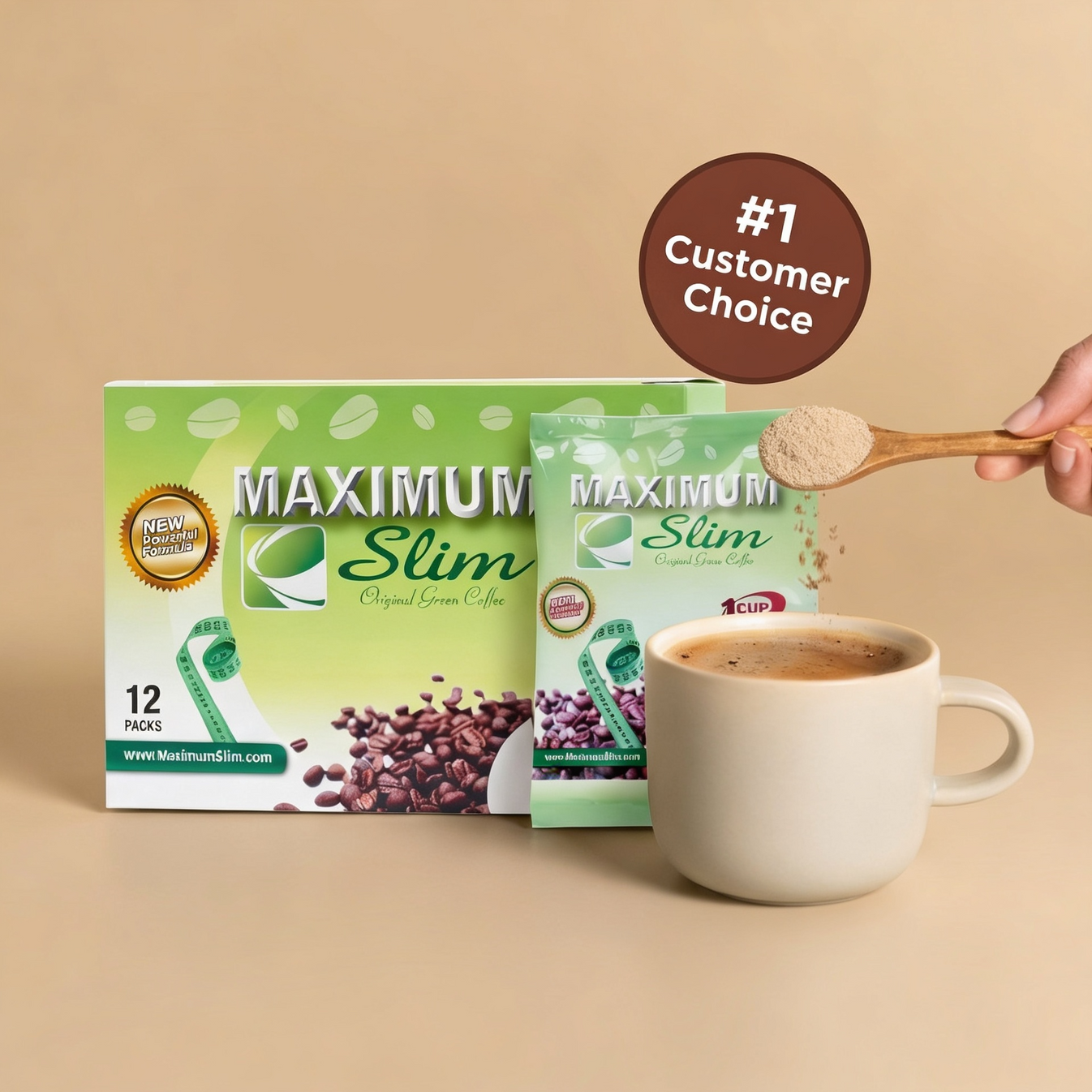
Featured Product
Maximum Slim Original Green Coffee | Premium Unroasted Arabica Blend (12 Ct)
Discover a delicious daily coffee crafted to complement your wellness routine. Enjoy one cup a day as part of a balanced lifestyle.
Shop Now →How Tea Can Influence Your Metabolic Rate
Think of metabolism as your body's engine. Even when you're resting, that engine is running. It's powering breathing, circulation, temperature regulation, digestion, and basic cell activity.
Tea can sometimes make that engine run a little more actively for a while. Not dramatically. Just enough to be measurable.

The main mechanism is thermogenesis
The key word here is thermogenesis. That means heat production. When your body produces more heat, it uses more energy.
Tea may support this process mainly through two compounds:
- Caffeine, which acts as a stimulant and can temporarily increase energy expenditure
- Catechins, especially EGCG in green tea, which appear to work alongside caffeine rather than replacing it
Independent summaries note that tea can raise energy expenditure by about 2% to 5%, which translates to roughly 50 to 80 extra calories burned per day in controlled settings, and this effect is usually temporary rather than a major long-term weight-loss driver, as explained in this review of tea's modest but measurable effect on metabolism.
That sounds encouraging, but context matters. Controlled settings are not everyday life. Your sleep, stress, food intake, caffeine tolerance, and activity level all affect what you notice.
Why caffeine and catechins get so much attention
Caffeine is easier to feel. You may notice more alertness, slightly better workout motivation, or less mental drag in the morning.
Catechins are less obvious. You don't “feel” them the way you feel caffeine. Their proposed value is that they may help extend or complement some of the metabolic effects associated with caffeine, especially in green tea.
Here is where readers often get tripped up. They assume “boosting metabolism” means a large, lasting increase in calorie burn. In reality, the effect is usually more like a small temporary shift than a permanent upgrade.
Practical rule: If a tea claim sounds like it replaces exercise or cancels out overeating, ignore it.
What this means in real life
If you drink unsweetened tea instead of a sugary coffee drink, you may get two benefits at once. You avoid extra calories, and you may get a mild metabolic bump.
If you add sweeteners, syrups, or heavy creamers, the picture changes fast. Tea itself may be supportive. Dessert-like add-ins can easily erase that advantage.
A helpful way to frame metabolism boosting tea is to think in layers:
| Layer | What tea may do | What tea can't do |
|---|---|---|
| Energy use | Gently increase calorie burning for a period of time | Create a large, lasting metabolic jump |
| Appetite and focus | Help some people feel more alert and structured around meals | Fix emotional eating or chaotic meal patterns |
| Lifestyle support | Make healthy routines easier to maintain | Replace nutrition, sleep, and movement |
That modest effect isn't a reason to dismiss tea. It's a reason to use it intelligently.
A Guide to the Best Teas and Their Active Ingredients
Not all tea works the same way. Even when people use the phrase metabolism boosting tea, they're often lumping together several very different beverages.
Green tea gets most of the attention, but that doesn't mean it's the only tea worth discussing. The active compounds change as tea is processed, and those changes may shift how the tea affects the body.

Green tea and the catechin story
Green tea is the best-known option because it's rich in catechins, especially EGCG, and it also contains caffeine. That combination is why green tea is usually the first tea mentioned in metabolism conversations.
Still, green tea's reputation often gets exaggerated. The science is more supportive than sensational. Green tea may help, but usually in small ways that build through consistency rather than through a dramatic immediate effect.
If you prefer floral teas, it's also worth learning the differences in oolong and jasmine, because many people assume jasmine is its own tea type when it's often a scented tea base. That matters when you're trying to estimate whether you're getting the compounds associated with green or oolong tea rather than just choosing by aroma.
Black tea and the gut microbiome angle
Black tea deserves more attention than it gets. UCLA reports that black tea polyphenols may act through the gut microbiome and short-chain fatty acids, changing energy metabolism in the liver in animal research, and that both black and green teas may function as prebiotics, which makes the microbiome mechanism a useful counterpoint to the usual green-tea-only narrative in this summary of black tea and metabolism-related research.
That doesn't mean black tea is proven superior. It means the mechanism may be broader than “drink caffeine, burn calories.” Some tea benefits may depend on what happens in the gut over time.
If you're curious about black tea itself, this overview of organic black tea and its broader wellness role offers a practical starting point for understanding how people use it beyond the usual weight-loss framing.
The best tea for metabolism may not be the one with the loudest marketing. It may be the one you tolerate well, drink consistently, and fit into a stable routine.
Oolong and the middle ground
Oolong sits between green and black tea in processing style. That gives it a mixed profile of tea polyphenols and a flavor that many people find easier to drink daily than grassy green tea or bold black tea.
Consumer interest in oolong makes sense because it feels like a middle path. But the strongest lesson here isn't that one tea “wins.” It's that different teas may support metabolism through somewhat different pathways, and your best choice depends on taste, tolerance, and consistency.
Brewed tea and extracts are not the same thing
This is the nuance most articles skip. A lot of the research people cite when talking about tea and weight loss uses extracts or supplements, not a mug of brewed tea.
That matters because concentrated products can deliver a different amount and pattern of active compounds than a brewed beverage. So when a label hints that drinking a tea blend will reproduce results from supplement research, be skeptical.
A brewed cup is food. An extract is closer to a concentrated intervention. They shouldn't be discussed as if they're interchangeable.
Benefits vs Hype What to Realistically Expect
A realistic tea conversation should leave room for both truths. Tea can help a little, and tea often gets oversold.
The strongest claims usually focus on body weight, but that's where the evidence becomes much less exciting. A meta-analysis of six studies outside Japan found an average weight-loss difference of -0.04 kg with a 95% CI of -0.5 to 0.4, P = 0.88, across 532 participants, which was statistically non-significant and unlikely to be clinically important, as reported in this PubMed Central review of green tea preparations and weight outcomes.
That's a very important reality check. Green tea is one of the better-studied options, and even there, the outcome is limited.
What tea may still do well
When people feel better with tea, it often comes from practical effects rather than dramatic fat loss.
- A cleaner beverage swap. Unsweetened tea can replace higher-calorie drinks.
- A mild energy lift. Caffeine may help alertness, especially in the morning or before activity.
- A ritual that supports consistency. A planned tea break can reduce random snacking for some people.
- Polyphenol intake. Tea contains plant compounds that fit well into an overall health-conscious pattern.
Those benefits are still useful. They just don't justify miracle language.
Where the hype goes off track
Marketing tends to collapse several different ideas into one promise. Better focus becomes “faster metabolism.” Reduced bloating becomes “fat loss.” A short-term stimulant effect becomes “all-day calorie burning.”
That kind of language confuses cause and effect.
If a tea helps you stick to healthier habits, the habit change may matter more than the tea itself.
Side effects and common misunderstandings
Tea isn't risk-free for everyone. The most common downsides are practical:
- Caffeine sensitivity can show up as jitters, anxiety, restlessness, or a racing mind.
- Sleep disruption's importance is frequently underestimated. Poor sleep can make appetite regulation harder.
- Digestive irritation happens in some people, especially with strong tea on an empty stomach.
- Iron concerns can matter for some individuals when tea is habitually taken with meals.
The “best” tea is not the one with the hardest hit. It's the one you can use without creating new problems.
If tea makes you wired, ruins your sleep, or pushes you toward overdoing caffeine, it's not helping your metabolism in any meaningful real-life sense.
Your Daily Ritual for Brewing and Timing Tea
Good tea habits are boring in the best way. They're simple, repeatable, and easy to live with.

If you want tea to support your routine, focus less on “detox” language and more on preparation, timing, and consistency. Healthline notes that weight-loss research has focused heavily on green tea extracts or supplements, while actual pounds lost from brewed tea are relatively modest and some studies find no significant benefit, which is why the beverage should be viewed differently from capsules in this discussion of green tea and weight loss expectations.
Brew for drinkability first
People often ruin green tea by making it too bitter, then assume they don't like it.
A practical approach:
- Green tea usually tastes better with slightly cooler water and a gentler steep, which helps keep bitterness down.
- Black tea generally handles hotter water and a fuller steep without becoming harsh as quickly.
- Oolong tea sits in the middle and often benefits from a little experimentation.
If your tea tastes sharp, dusty, or unpleasant, you probably won't drink it consistently enough for any small benefit to matter.
Timing that tends to work well
The best timing is usually the timing you can repeat.
A few useful patterns:
- Morning use works well for people who want a smoother start than heavy coffee.
- Before a walk or workout can make sense if you like a gentle lift before movement.
- Mid-afternoon may help some people avoid vending-machine snacking, though late-day caffeine can backfire.
If you're deciding between matcha and coffee for that earlier part of the day, this comparison of matcha caffeine vs coffee is a helpful reference for thinking about how the experience differs in practice.
For a quick visual guide to making tea part of your day, this short video is useful:
A few practical guardrails
Drink tea plain or lightly flavored if your goal is metabolic support. The add-ins often matter more than the tea.
Also keep your fasting goals in mind if you practice intermittent fasting. Plain brewed tea generally fits more easily into that kind of routine than sweetened blends, milk-heavy drinks, or tea products that act more like meal replacements.
Don't force large amounts. A manageable daily ritual beats an ambitious plan you abandon after a week.
Amplifying Results with Diet and Exercise
Tea becomes more useful when it supports effort you're already making. That's the right frame.
If your meals are built around protein, fiber, and minimally processed foods, tea can be a good companion. If you're already walking, strength training, or doing structured workouts, tea may feel like a small enhancer. If those pieces aren't in place, tea stays small.
A clinical study summarized on PubMed Central found that drinking four cups of green tea per day was associated with a change in body weight from 73.2 to 71.9 kg, BMI from 27.4 to 26.9, and waist circumference from 95.8 to 91.5 cm, which supports the practical idea that consistent tea intake appears more meaningful alongside broader diet changes than as a standalone fix in this clinical summary of green tea and anthropometric outcomes.
Where tea fits in a healthy routine
Tea is often most helpful in these roles:
- Pre-workout support when you want a lighter stimulant than a high-intensity supplement
- Structured hydration that gives your day rhythm
- Snack interruption when you want a pause before eating out of stress or boredom
- Meal pattern reinforcement as part of a repeatable morning or afternoon routine
None of those uses is glamorous. All of them are useful.
The multiplier effect is behavioral
People often ask whether tea “works.” A better question is whether tea helps you act more like the person you're trying to become.
If a tea routine helps you skip a sugary drink, show up for your walk, or avoid late-day energy crashes, then it has practical value. That doesn't mean the tea did all the work. It means it amplified good decisions.
For readers who want a broader view of the bigger picture, this guide on how to boost metabolism is useful because it places beverages in the wider context of sleep, food intake, and activity.
Tea is an amplifier, not an engine. Your habits are the engine.
That mindset keeps expectations realistic and results more sustainable.
How to Choose a Clean and Effective Tea Blend
Buying tea gets easier when you ignore front-label drama and read the package like a careful shopper.

What to look for on the label
Use a short checklist:
- Recognizable tea base such as green tea, black tea, or oolong listed clearly
- No added sugars if your goal is metabolic support
- No artificial flavors or unnecessary fillers when you want a cleaner product
- Transparent ingredient listing so you know whether you're buying tea, herbs, or a stimulant blend disguised as tea
- Organic preference if that matters to you and fits your budget
The cleaner the formula, the easier it is to know what you're responding to.
Why manufacturing quality still matters
Quality isn't only about ingredients. It's also about how products are made, handled, and tested. If you want to understand what serious supplement and functional beverage production looks like, this overview of Triton's manufacturing quality processes is a useful benchmark for evaluating brand credibility.
That doesn't mean every good tea needs complicated marketing. Usually, the opposite is true. The best blends tend to be straightforward, transparent, and easy to fit into daily life.
Choose a tea you enjoy enough to drink regularly, tolerate well, and can keep mostly unsweetened. That combination matters more than flashy promises on the box.
If you want clean-label wellness options that fit into a realistic daily routine, Maximum Health Products is worth a look. The brand focuses on simple, science-backed nutrition for energy, metabolism, weight support, and overall well-being, with products designed for people who want practical support rather than hype.

