


A medium McDonald's Caramel Iced Coffee has 190 calories. That's the standard baseline, but it's only the starting point because size and customizations can move the total up or down fast.
You're probably reading this while deciding whether your usual drive-thru coffee “counts” as a small indulgence or a sneaky dessert. Fair question. McDonald's Caramel Iced Coffee sits in that gray area where it feels lighter than a milkshake, but it's still carrying real calories from syrup and cream.
My take is simple. If you love it, enjoy it with your eyes open. Don't treat it like plain coffee, because it isn't. It's a sweet coffee drink, and the calories in McDonald's Caramel Iced Coffee matter most when it becomes a daily habit instead of an occasional pick-me-up.
Your Daily Coffee Run Unpacked
The usual scene is familiar. You're running late, you need caffeine, and the caramel iced coffee sounds like the easiest win on the menu. It's cold, sweet, and easy to drink fast, which is exactly why people underestimate it.
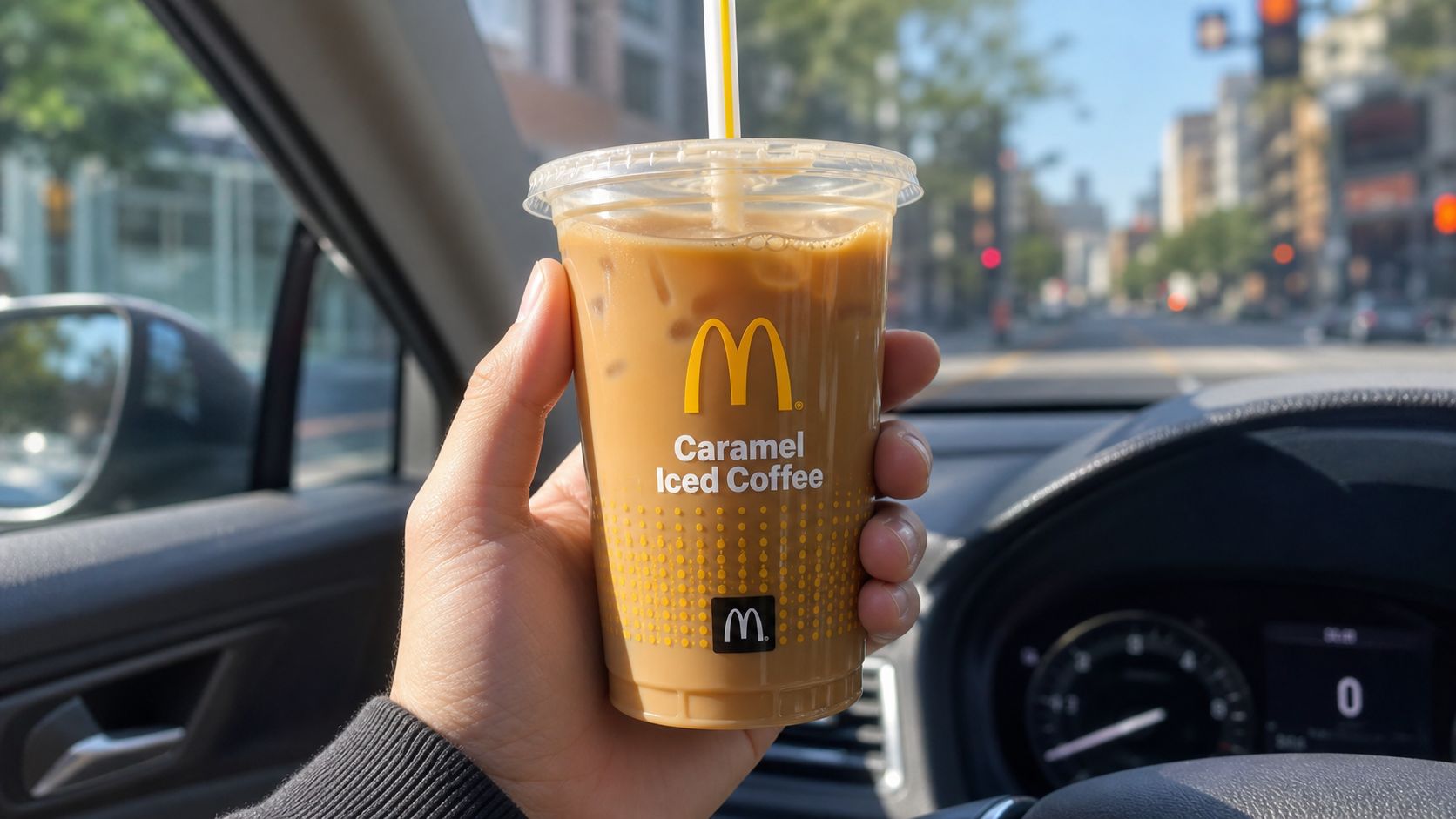
This drink isn't outrageous on its own. A medium lands at 190 calories, which many people can fit into a balanced day. The problem starts when that number gets mentally filed under “just coffee,” because that leads to zero attention on portion size, syrup, and add-ons.
Why this drink confuses people
Black coffee is basically negligible in calories. A caramel iced coffee is different because the flavor isn't coming from the coffee itself. It's coming from sweet syrup and dairy, which changes the nutritional picture completely.
Practical rule: Count this as a flavored beverage, not as plain coffee.
That distinction matters if you're trying to manage weight, reduce sugar, or stop mindless snacking. Sweet drinks don't always feel filling, so they can slide into your day without replacing anything else.
The smarter way to think about it
Instead of asking, “Is this bad?” ask better questions:
- What size am I ordering? The jump from one size to the next isn't trivial.
- What's driving the calories? Mostly syrup and cream, not the coffee.
- Can I make one small tweak? Even one tweak can make the drink fit your goals better.
You don't need food guilt here. You need useful context. That's what makes the difference between a treat you choose on purpose and a habit that subtly works against you.
Calorie and Nutrition Facts by Size
The calorie range changes a lot by cup size. A small (16 oz) has about 140 calories, a medium (21 oz) has 190 calories, and a large (32 oz) contains 270 to 280 calories, according to McDonald's caramel iced coffee nutrition details.
That's the headline. The more important point is what happens as the drink gets bigger. The increase isn't perfectly proportional because syrup and cream don't scale in a neat, linear way.
McDonald's Caramel Iced Coffee nutrition by size
| Size | Calories | Total Carbs (g) | Sugars (g) | Fat (g) |
|---|---|---|---|---|
| Small | 140 | 31 | Not specified in verified data | 6 |
| Medium | 190 | Not specified in verified data | Not specified in verified data | Not specified in verified data |
| Large | 270-280 | 46 | Not specified in verified data | 8 |
A few numbers aren't available in the verified data set, so I'm not going to fake precision. What we do know is enough to make a clear decision.
What the size jump actually means
Going from small to medium is one thing. Going from medium to large is where people get burned. The large carries 270 to 280 calories and has a denser nutritional profile because the syrup and cream increase in a way that pushes calories up faster than many people expect from “just a bigger coffee.”
The small looks much more manageable. The large starts acting more like a snack, especially if you're drinking it alongside breakfast.
The large isn't automatically a bad choice. It's just not a casual choice.
My recommendation by goal
If your goal is weight maintenance or general calorie awareness, this is the cleanest way to order:
- Best default choice: Small
- Reasonable occasional pick: Medium
- Use caution with: Large, especially as a daily order
If you're someone who grabs one every workday, the size matters more than the brand. A daily medium is one thing. A daily large sweet coffee can become a meaningful source of extra calories without much fullness in return.
Featured Product
Maximum Slim Original Green Coffee
Science-backed formula to support metabolism, curb appetite, and help you reach your goals faster.
Shop Now →
Decoding the Ingredients What You Are Drinking
A caramel iced coffee sounds simple, but nutritionally it's doing three different jobs at once. Coffee provides the base. Cream adds richness. Caramel syrup supplies most of the sweetness and a large share of the drink's energy.
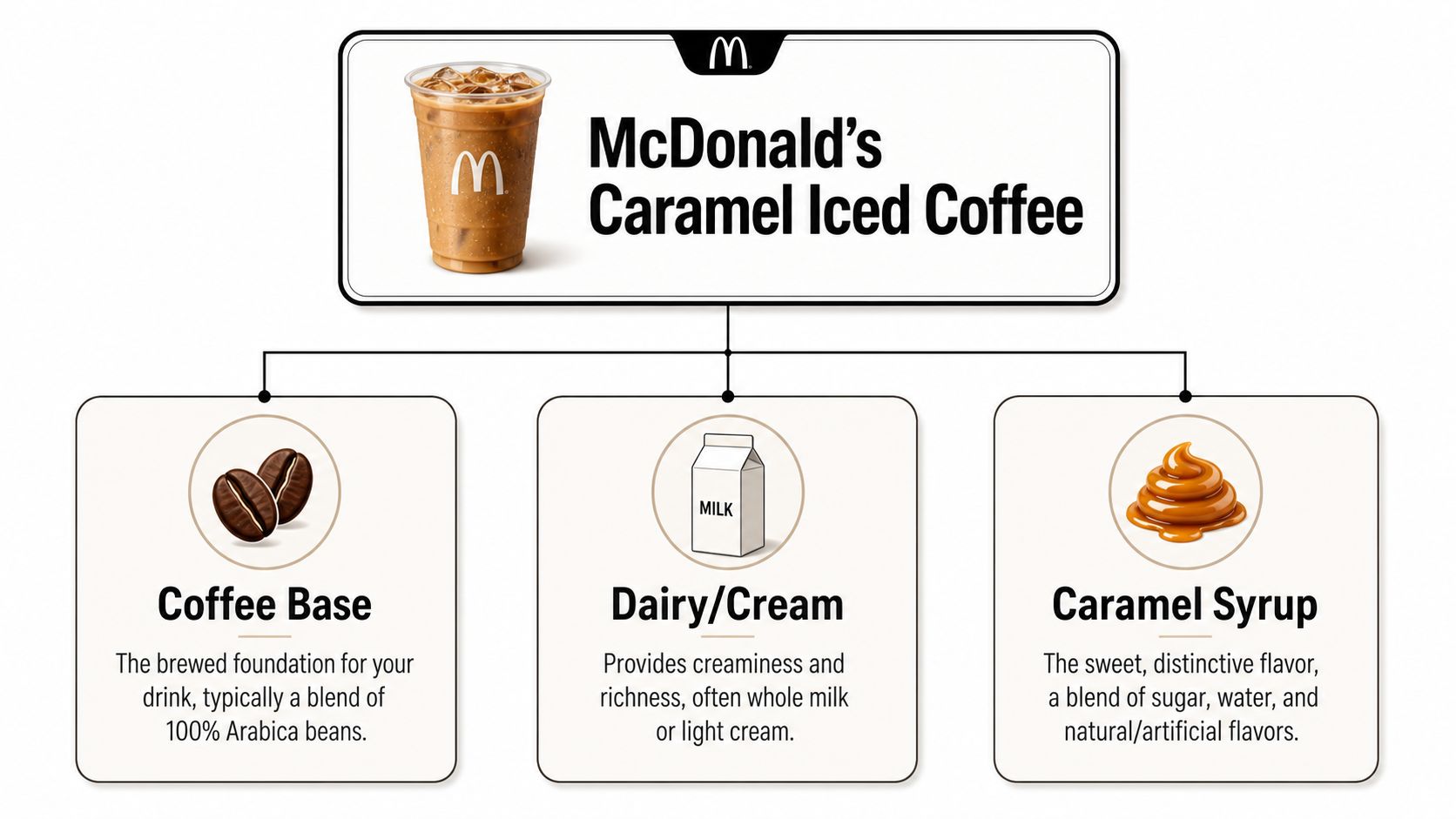
In a 21 fl oz medium Caramel Iced Coffee, carbohydrates from the syrup account for about 57% of the total 190 calories, based on Eat This Much nutrition data for the medium drink. That tells you exactly where the calorie load is coming from.
The three parts that matter
-
Coffee base
This is the least concerning part. Coffee itself contributes flavor and caffeine, but not much energy. -
Cream or dairy
Cream and dairy provide the fat. It makes the drink smoother and more satisfying, but it also pushes calories up quickly. -
Caramel syrup
This is the main calorie driver on the carbohydrate side. If you want to lighten the drink, this is the first place to look.
Why this matters beyond calories
Many fast-food beverages are engineered to feel easy to drink and hard to notice. That's not an accident. Restaurants care about beverage design because drinks can increase restaurant average order value, especially when sweet flavors and larger sizes make the order feel more appealing.
For your own routine, ingredient awareness beats calorie memorization. If you understand that syrup drives sweetness and cream drives richness, you can adjust either one without guessing.
Want a cleaner coffee habit? Try a simpler ingredient profile more often, like organic instant coffee options that don't rely on syrup-heavy flavoring.
That's the bigger health point. The fewer add-ins you need to enjoy coffee, the easier it is to keep your daily intake under control.
How Customizations Change Your Drink's Calories
You take control of your order. McDonald's gives you a fixed menu number, but your actual drink can change with a few small requests.
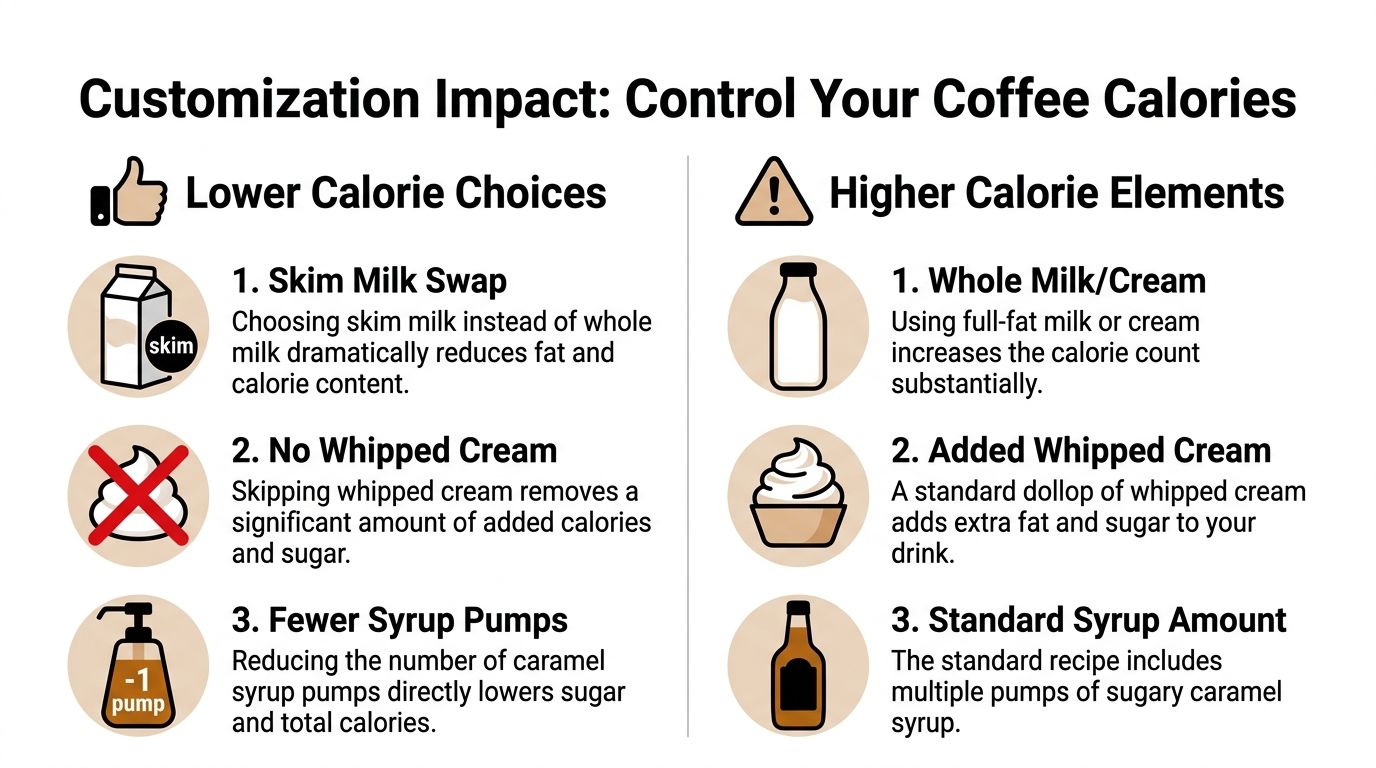
The most useful data point is straightforward: each extra pump of caramel syrup typically adds around 30 calories, and omitting the standard cream pour from a small can reduce the total by 15 to 20 calories, dropping it from about 140 to about 125 calories, according to this discussion of McDonald's iced coffee calorie variations.
Best low-effort changes
If you want the same general drink with less nutritional baggage, start here:
- Ask for fewer syrup pumps. This is the fastest way to cut calories because syrup is doing so much of the sweetening work.
- Skip the cream. That alone can pull the drink down noticeably.
- Downsize before you deprive yourself. A smaller standard order usually works better than a large with multiple modifications you don't enjoy.
Here's a helpful visual breakdown before you order:
Changes that push the drink higher
Some upgrades turn a moderate treat into a dessert-style beverage.
- Extra syrup increases calories fast.
- Whipped cream can push a standard iced caramel coffee to roughly 250 to 300 calories qualitatively based on the verified baseline discussion.
- Large size plus add-ons is where the drink stops being a light coffee option.
If you want caramel flavor, keep the flavor and cut the quantity. Don't keep adding sweetness and pretend it's still a coffee.
My practical ordering advice
Use this hierarchy:
- Order the small if it's a routine purchase.
- If you want a medium, ask for less syrup or no cream.
- Skip the “treat on top of a treat” mindset. The base drink is already sweet.
That's the easiest way to enjoy the taste without drifting into an everyday sugar bomb.
Smarter Swaps Healthier Coffee Alternatives
If you're trying to make better decisions, don't stop at “how do I reduce this drink a little?” Ask a stronger question. What would a smarter coffee choice look like?
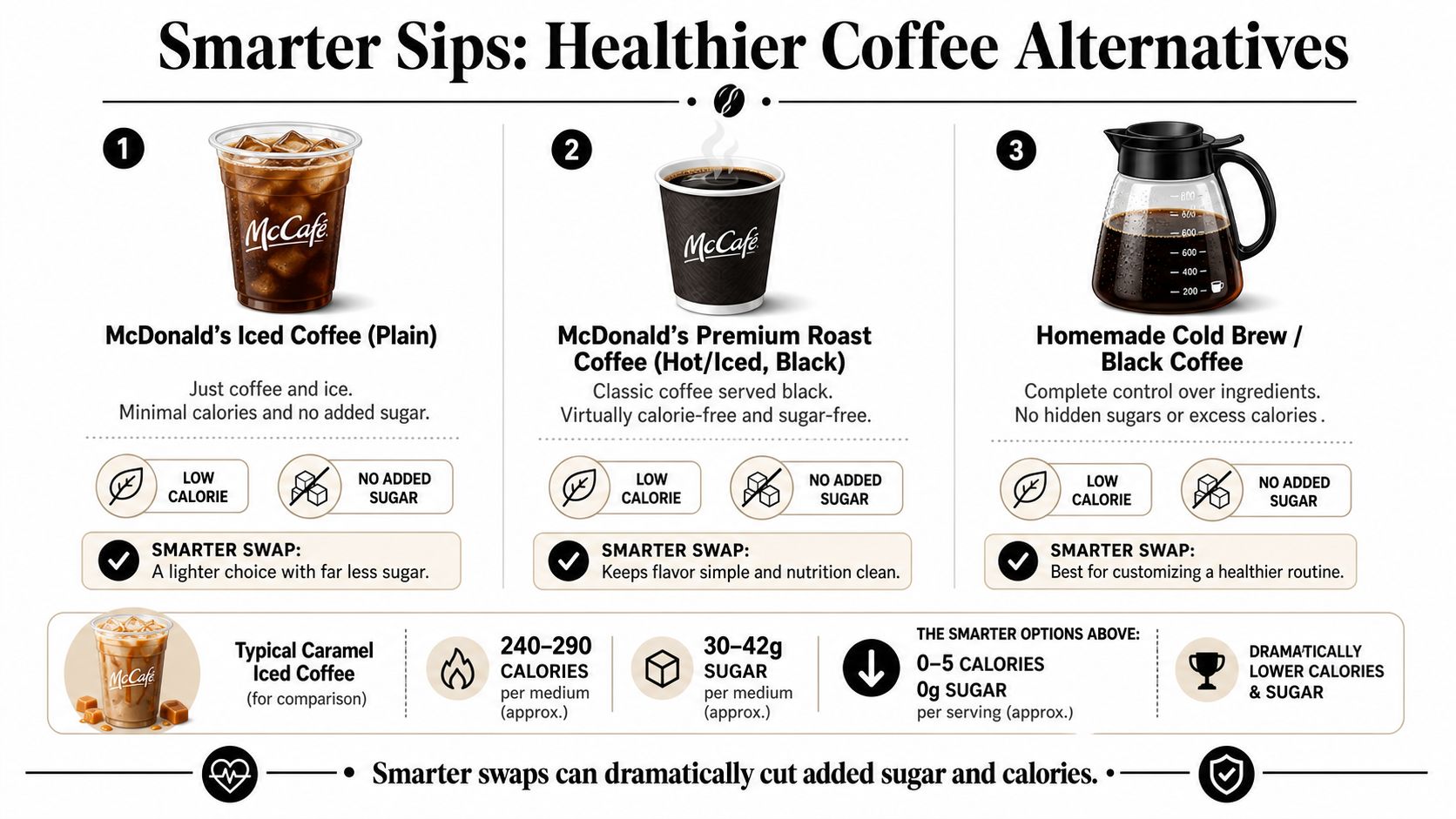
My answer is blunt. If you want coffee for energy and focus, choose something closer to actual coffee. If you want dessert, call it dessert and have it intentionally.
Better options inside and outside the drive-thru
- Plain iced coffee: You control what goes in it. This is the easiest upgrade.
- Black hot or iced coffee: Very low calorie, no added sugar, no confusion.
- Homemade cold brew: Best option if you want full control over ingredients and taste.
These swaps aren't exciting in the same way, but they work better for body composition, appetite control, and stable habits.
Clean-label matters
There's also a quality issue beyond calories. Many people don't just want “less.” They want cleaner ingredients and fewer sweeteners built into the routine. That's why a lot of health-conscious coffee drinkers move toward simpler options or alternatives designed around ingredient transparency.
If coffee upsets your stomach, a gentler route may help more than forcing another syrupy iced drink into your day. This guide to a coffee alternative for acid reflux is a good place to start if your current habit leaves you dealing with discomfort.
The healthiest coffee isn't the one with the best marketing. It's the one you can drink regularly without needing sugar and cream to make it tolerable.
That's the standard I'd use.
Fitting Your Iced Coffee into a Healthy Lifestyle
A McDonald's Caramel Iced Coffee can fit into a healthy diet. It just shouldn't get a free pass because it comes in a coffee cup.
A large 32 fl oz version with 270 calories represents 13.5% of a standard 2,000-calorie daily diet, while the small 140-calorie version represents 7%, as noted in the earlier nutrition benchmark for this drink. That's the clearest reality check. Size turns this from a manageable treat into a more meaningful chunk of your day.
The honest verdict
If you love caramel iced coffee, keep it in the “chosen treat” category. Don't let it become an automatic daily purchase that you stop noticing. The calories in McDonald's Caramel Iced Coffee are not extreme, but they're high enough to matter when repeated often.
Here's the simplest framework:
- Occasional treat: Medium is fine.
- Frequent habit: Small is the safer move.
- Weight-loss phase: Choose plain coffee more often and save flavored drinks for when you really want them.
Make the habit visible
People do better when they track patterns, not just isolated choices. If you're working on body composition or consistency, it helps to track weight loss visually on your phone so small daily choices, including drinks, don't disappear into the background.
You can also make your coffee routine work harder for you by leaning into options built around simpler nutrition goals, such as this guide to healthy coffee for weight loss.
The bottom line is easy. Order the caramel iced coffee because you want it, not because you forgot it counts.
If you want a cleaner daily beverage routine, explore Maximum Health Products for wellness-focused coffee, tea, protein, and nutrition options made without added sugars, artificial flavors, fillers, soy, or gluten.

