


Your coffee went cold because a meeting ran long, the dog barked, or you got distracted by one email too many. The mug is still there, the first sip still sounds promising, and dumping it feels wasteful. Coffee in the microwave is the fastest way to rescue that cup, as long as you treat it like a careful reheat, not a full boil.
That matters because microwaves became a normal household appliance long before reheating coffee became a daily ritual. A household study cited in the NIST-era research found microwaves were used about 1,000 times per year for 2.6 minutes per use, and another analysis found microwaves took over about 10% of servings and 9% of eatings from competing cooking devices historical microwave household study. In plain terms, the microwave became a standard kitchen tool, so coffee naturally became one of the easiest things to bring back to life.
For people who care about energy and daily routines, a coffee cup that's gone lukewarm doesn't need to become a sunk cost. A hot, usable cup can still fit into a busy morning without restarting the whole brew cycle, and that's especially relevant if you're trying to keep your caffeine habits deliberate. If you're also thinking about how coffee fits into a broader wellness routine, this guide to healthy coffee for weight loss adds useful context.
Featured Product
Maximum Slim Original Green Coffee
Science-backed formula to support metabolism, curb appetite, and help you reach your goals faster.
Shop Now →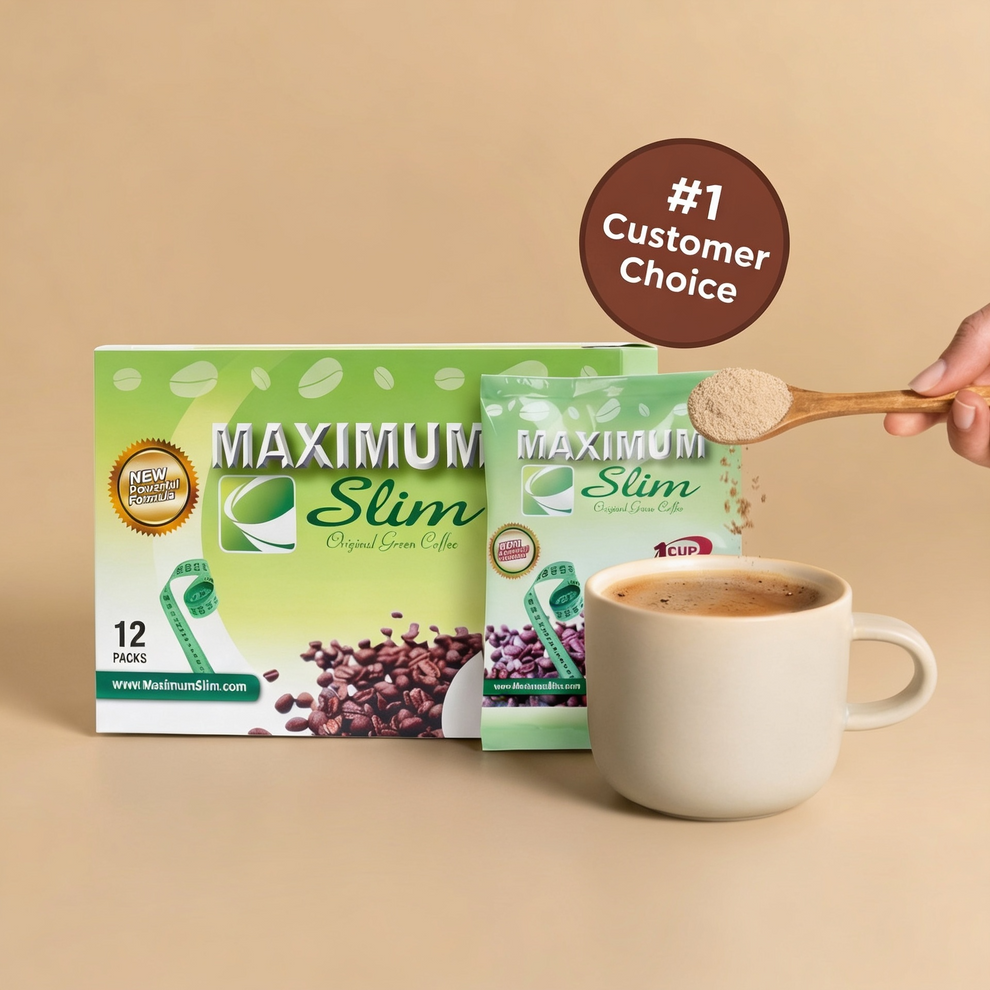
Why Your Cold Coffee Deserves a Second Chance
A half-finished mug does not turn from good coffee into bad coffee in one dramatic moment. It cools while you answer a call, refill water, or lose track of time. Reheating it is a practical choice, not a lazy one.
The practical choice is usually the fastest one
Pouring out a cup and brewing a fresh one takes more time, more cleanup, and more beans than many people want to spend on a mid-morning rescue. The microwave wins on speed because it puts heat back into the drink directly, and the energy use can be modest compared with keeping a pot warm. Research suggests microwaves are used roughly 1,000 times per year in many households, which helps explain why they have become a standard tool for small kitchen tasks, and the broader energy comparison for reheating coffee is laid out in this coffee reheating energy comparison.
That does not make microwaving perfect. It means the trade-off makes sense when the alternative is pouring out a cup that still has most of its value. Coffee is a daily drink for a lot of people, so a quick rescue method has real practical value.
Practical rule: If the cup is still basically fine, reheating it beats replacing it.
The usual blanket advice that microwaving “ruins coffee” skips the question of how you microwave it. Power level, interval length, and stirring matter more than the fact that the microwave is involved. A careful reheat will not recreate a fresh pour, but it can bring a cold mug back to something very drinkable. If you also want to keep that cup fitting into a broader routine, this guide to healthy coffee for weight loss gives useful context without changing the basic reheating decision.
The Exact Reheating Protocol for Any Cup Size
The best method is simple, repeatable, and boring in the best way. Use 50% to 70% power, heat in short bursts, stir between bursts, then let the cup sit briefly before sipping. That routine preserves more flavor than one long blast and lowers the chance of a scorching hot edge with a cooler center.
Start with the right heat pattern
A microwave heats unevenly, so the outer ring of the cup can run hotter than the middle. That's why 15 to 20 second intervals work better than a single long run. Stirring between intervals redistributes the heat, and that alone helps avoid the surprise of a cup that seems lukewarm until the last sip.
For a rough kitchen-ready routine, use this table as a starting point and adjust based on your microwave's strength and the mug's shape.
| Cup Volume | 700W Microwave | 1000W Microwave | 1200W Microwave |
|---|---|---|---|
| Small cup, about half full | 45 to 60 seconds total, in short bursts | 30 to 45 seconds total, in short bursts | 25 to 35 seconds total, in short bursts |
| Standard mug, about three-quarters full | 60 to 90 seconds total, in short bursts | 45 to 60 seconds total, in short bursts | 35 to 50 seconds total, in short bursts |
| Full mug | 75 to 105 seconds total, in short bursts | 60 to 75 seconds total, in short bursts | 45 to 60 seconds total, in short bursts |
Those are starting ranges, not laws. A wide mug, a thin ceramic mug, and a dense travel cup all behave differently, so the safest approach is to stop early, stir, then decide whether the coffee needs another burst. If you want a broader benchmark for drink temperature, this proper temperature for coffee guide can help you think about what “hot enough” feels like.
Use a short, repeatable routine
- Set the microwave to 50% to 70% power. Lower power reduces the chance of hot spots and gives you more control.
- Heat for 15 to 20 seconds. Start shorter than you think you need.
- Stir thoroughly. Move the spoon through the center and along the edges.
- Repeat if needed. Most cups need one or two cycles, not a long run.
- Let it rest for about 30 seconds. The temperature evens out, and you're less likely to burn your tongue.
The goal isn't maximum heat. The goal is a cup that drinks evenly.
A note on volume and feel
Half cups heat faster because there's less liquid mass to bring back up. A full mug usually needs more patience, but not more aggression. The microwave's job is to gently restore the drink, not force it into a rolling boil.
What Happens to Coffee When You Microwave It

Microwaving changes coffee mainly by shifting its aroma and flavor balance. The caffeine stays in the cup, but the drink can still taste flatter, more bitter, or less lively after reheating because volatile aroma compounds fade and the brew's original balance gets disturbed. That is a sensory loss, not a caffeine loss.
Flavor changes are the main issue
Coffee aroma carries a large share of what people read as flavor. Once the cup sits for a while, those volatile compounds start to escape, and reheating can make that drop more obvious. The coffee may seem harsher or more bitter because the flavor profile has changed, not because the liquid has gone bad.
A useful reference point comes from microwave roasting research on green coffee beans, where total phenol content dropped in one cited study under microwave roasting and also under oven roasting coffee reheating and chemistry context. Roasting and reheating are not the same process, so that result should not be treated as a direct rule for a mug on the counter. It does show that microwave heat can change coffee chemistry in measurable ways.
Caffeine is not the part you're losing
Daily advice about reheated coffee gets one important thing right, caffeine does not disappear just because the cup goes back into the microwave. The trade-off sits in aroma, taste, and mouthfeel. If the only goal is staying caffeinated, reheating is usually acceptable.
Temperature swings matter because coffee tastes best when the heat stays steady. A cup that cools, reheats, and cools again often feels less satisfying even when the caffeine level is unchanged. That is the same basic idea behind why temperature stability matters for coffee, and it helps explain why some reheated cups taste technically hot but still feel flat.
Takeaway
Microwaving coffee is a convenience trade, not a chemistry disaster. It saves time and keeps the cup usable, while costing some aroma and complexity. If the drink started as a delicate pour-over or a bright single-origin coffee, fresh is still the better cup. If it is an everyday brew and you want it warm again, reheating is often the practical choice.
Safety Precautions That Prevent Burns and Broken Mugs

The biggest hazard with coffee in the microwave isn't radiation panic, it's heat behavior. The FDA says microwave ovens use non-ionizing radiation, correctly used units are generally safe, and federal leakage limits are set at 5 mW/cm² at about 2 inches from the surface FDA microwave oven safety. The more practical risk is that coffee can overheat unevenly and surprise you when you move the mug.
Superheating is the risk people miss
Coffee can be heated above its boiling point without obvious bubbling, then erupt when disturbed. That's superheating, and it can cause burns fast. Stirring helps, because it breaks up hot spots and makes the liquid behave more predictably.
Heat in short intervals, then stir. That's the simplest way to reduce surprise boil-over.
The best defense is a combination of timing and container choice. Use a microwave-safe mug, avoid cracked ceramics, and skip anything with metal trim. A mug that's safe for hot coffee on the counter isn't automatically safe in a microwave if the material is damaged or the decoration contains metal.
If you want a practical container checklist, the microwavable food container guide is a useful reference point for thinking through material safety, even though coffee mugs aren't meal prep tubs. The same logic applies, choose containers made for microwave use, not just for holding hot liquid.
Handle the cup like it may be hotter than it looks
Even when the top surface seems calm, the bottom or rim can be hotter. That's why letting the cup stand for about 30 seconds after heating is smart. It gives the temperature a chance to equalize, and it makes the first sip safer.
Avoid adding a spoon right after a long blast if the cup has sat still for a while. The sudden disturbance can trigger a superheated pocket. Stir first, then sip slowly.
When to Choose Alternatives Over the Microwave

The microwave is the fastest fix, but it isn't always the best one. If you're reheating a larger amount, trying to preserve a more delicate flavor, or dealing with a shared office appliance that nobody cleans properly, another method can make more sense. For people trying to manage energy and caffeine as part of a broader routine, this coffee alternatives for energy resource can also be helpful.
Pick the method that fits the situation
A stovetop works better for batch reheating because you can warm a larger amount more evenly, though it takes longer and needs more attention. Hot water or milk is useful when the coffee has only cooled a little and you're fine with a gentler, slightly diluted drink. An insulated travel mug helps prevent the problem in the first place, which is usually smarter than trying to fix it later.
If flavor matters most, brew fresh. If time matters most, microwave carefully.
On-the-go situations change the decision. At home, you control the mug and the settings. In an office, a shared microwave might be unpredictable, and in transit you may have no reheating option at all. That's when prevention beats rescue, especially if you know you tend to leave coffee sitting while you work.
When the microwave loses
If the coffee is already far past its best and tastes flat or stale before reheating, the microwave won't fix that. It can make the cup warm, but it won't restore aroma. That's the point where a fresh brew or a different beverage is the better choice.
Some workplaces solve the problem with built-in hot water or coffee systems. If you're exploring that route for a break room, a Ring Hot Water installation guide offers a useful example of how offices think about reliable hot-water access. For a home setup, the same principle applies, make the easiest hot option the one you use.
Your Morning Coffee Rescue Decision Guide
If the coffee has been sitting for a short while, the mug is microwave-safe, and you've got about a minute, use the short-burst method. That means lower power, brief heating, stirring, then a short rest. If the coffee has been sitting much longer and already smells off, don't expect the microwave to restore freshness.
If the taste is sour, the problem is usually age and oxidation, not the microwave itself. If the cup tastes flat, that's the aroma loss you've already accepted by reheating. If it tastes burnt, you probably used too much power or too much time.
A simple rule works well in the morning. Reheat small amounts, stir often, and stop before the cup looks aggressive. That routine saves more coffee than it ruins.
If you keep running into cold cups, the fix is prevention. Brew smaller amounts more often, use a thermal carafe for larger batches, and choose mugs that don't make reheating a guessing game. A little setup saves a lot of waste.
If you want more practical wellness tools that fit into a real morning routine, visit Maximum Health Products for science-backed options that support energy, focus, and everyday habits. It's a simple place to find coffee-related products and other clean-label wellness essentials that work with the way you live.

