


Most advice about the proper temperature for coffee gets one thing wrong. It treats temperature like a single magic number.
But if you've ever brewed a cup that tasted flat when it was piping hot, then suddenly sweeter and more interesting a few minutes later, you've already seen the problem. The best temperature for brewing coffee and the best temperature for drinking coffee are not the same thing.
That small distinction changes everything. It explains why a technically well-brewed cup can still taste disappointing at first sip. It also gives you a simple way to improve your coffee without buying rare beans or learning complicated recipes.
More Than One 'Proper' Coffee Temperature
People often ask for the proper temperature for coffee as if there should be one exact answer. That's understandable. We like clean rules. Set the kettle to one number, pour, drink, done.
Coffee doesn't work that way.
When you brew, you're using hot water as a tool to extract flavor from the grounds. When you drink, you're using your senses to taste what that extraction produced. Those are two different jobs, so they call for two different temperatures.
One temperature extracts, another reveals
Think of coffee like cooking soup. You need enough heat to cook the ingredients properly, but you wouldn't judge the flavor while it's still boiling. When food is too hot, your tongue can't pick up subtle details. Coffee is similar.
A lot of confusion comes from mixing these two questions:
- How hot should the water be to brew well
- How warm should the coffee be to taste its best
Those are both valid questions. They just aren't the same question.
Simple rule: Brew hot enough to pull flavor from the grounds. Drink cool enough to actually notice that flavor.
Once you separate those ideas, the numbers start to make sense instead of feeling arbitrary. You stop chasing heat for its own sake and start using temperature with purpose.
Why this matters in daily life
This isn't just for café pros with thermometers and specialty kettles. It matters if you make coffee before work, reheat a mug during the afternoon, or wonder why one bag tastes better at a friend's house than in your kitchen.
The proper temperature for coffee isn't a rigid command. It's a practical framework. Brew in the right zone. Let the cup settle. Then adjust based on the roast, brew method, and what tastes good to you.
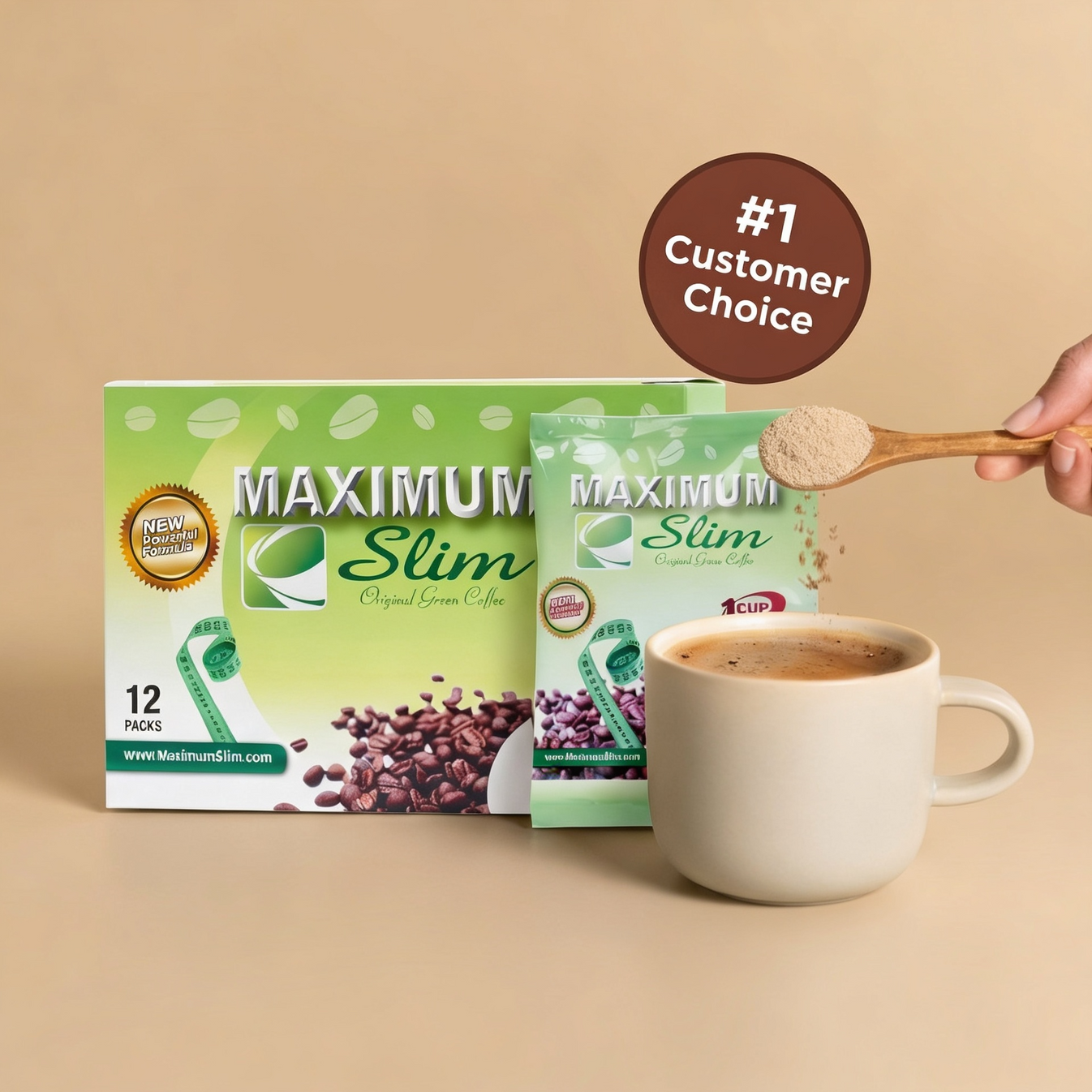
Featured Product
Maximum Slim Original Green Coffee | Premium Unroasted Arabica Blend (12 Ct)
Discover a delicious daily coffee crafted to complement your wellness routine. Enjoy one cup a day as part of a balanced lifestyle.
Shop Now →The Science of the Golden Brewing Range
Coffee grounds hold acids, sugars, oils, and aromatic compounds. Hot water dissolves and carries those compounds into your cup. If the water is too cool, it leaves too much behind. If it's too hot, it pulls out more harshness than you want.
That balance is why coffee people keep returning to a fairly tight brewing window. A widely used technical benchmark is 195°F to 205°F (90°C to 96°C), with around 200°F (93°C) often treated as a practical target. Water above that range can scald grounds and increase burnt notes, while cooler water tends to under-extract and reduce sweetness and body, as explained by Driftaway Coffee's brewing temperature guide.

Coffee brewing is a lot like cooking
If you've ever baked, you already understand extraction better than you think.
An oven that's too cool gives you undercooked food. The center never fully develops. Turn the heat too high and the outside burns before the inside has time to come together. Coffee behaves in a similar way.
With brewing:
- Too cool: water struggles to pull enough sweetness and body from the grounds
- In range: water extracts a balanced mix of pleasant flavor compounds
- Too hot: water can push the cup toward bitterness, burnt notes, and roughness
Temperature doesn't work alone, but it does set the stage. It affects how quickly the water interacts with the coffee and which flavors show up most clearly.
What under-extraction tastes like
Under-extracted coffee usually doesn't taste dramatic. It tastes unfinished.
You might notice:
- Sourness: not bright or lively, but sharp and awkward
- Thin body: the cup feels watery instead of rounded
- Muted sweetness: the coffee lacks the natural sweetness people often expect from a good brew
This is why "hot enough" matters. If the water never gets into the right brewing zone, the grounds don't give up enough of their best material.
What over-extraction tastes like
Over-extracted coffee often gets described as bitter, but that word can be too broad. The cup may taste drying, rough, or vaguely burnt. The finish can linger in an unpleasant way.
Coffee isn't better because it's hotter. It's better when the heat helps extraction and then gets out of the way.
A useful mindset is to stop treating temperature as a pass-fail rule. Think of it as a stove setting. You're trying to cook the coffee properly, not blast it.
Brewing Hot vs Drinking Warm The Flavor Secret
A cup can be brewed correctly and still be too hot to taste well.
That's the part many people miss. The water needs high heat for extraction, but your senses work better at a lower temperature. According to Verena Street's explanation of coffee temperature, the best tasting temperature is typically around 120–150°F, because sweetness and aroma become easier to perceive after the coffee cools a bit.

Why very hot coffee hides flavor
When coffee is extremely hot, the first thing you notice is heat itself. Your tongue and nose spend more energy dealing with temperature than exploring nuance. That can flatten the experience.
A coffee that seemed bitter or dull right after pouring may become more balanced after a short wait. As it cools, you may notice sweetness, gentle acidity, nutty notes, or floral aromas that were hard to detect before.
This is why two people can drink the same coffee and describe it differently if one takes a sip immediately and the other waits.
A better way to think about "ready to drink"
Instead of asking, "Is it still hot?" ask, "Can I taste it clearly yet?"
That tiny shift changes your routine. You're no longer racing to drink the cup at maximum heat. You're giving it a moment to land in a zone where flavor opens up.
Try this simple tasting exercise:
- Take one sip early when the coffee is still very hot.
- Wait a bit and sip again.
- Notice what changed in sweetness, aroma, and bitterness.
It is surprising how much the cup evolves.
A well-brewed coffee often tastes more expressive after it cools slightly. Warm can be more flavorful than hot.
Heat and habit aren't the same thing
Many of us learned to judge coffee by comfort or routine. If it feels hot, we assume it's at its best. But hot and best aren't synonyms.
The proper temperature for coffee depends on the decision you're making. If you're brewing, heat matters for extraction. If you're drinking, slightly lower warmth often matters more for enjoyment. Once you split those decisions apart, everyday coffee gets much easier to troubleshoot and much more satisfying to drink.
How to Adjust Temperature for Your Specific Coffee
The common brewing rule is helpful, but it's still only a starting line. Coffee isn't one ingredient. Different roasts and brew methods react differently, so the proper temperature for coffee depends on what you're making.
One of the most useful specialty coffee ideas is this: temperature is a control variable, not a universal optimum. Lighter roasts often respond well to hotter water, while darker roasts can benefit from slightly cooler water to reduce bitterness, as noted in Philly Fair Trade's guide to brew temperature.
Roast level changes the target
Light roasts are denser and can be harder to extract. They often need more help from heat to open up sweetness and clarity. If your light roast tastes grassy, sharp, or hollow, slightly hotter water may bring it to life.
Dark roasts are more fragile in flavor. They can turn harsh if you push them too hard. Slightly cooler water often helps keep the cup smoother and less smoky.
That's why a single number can mislead people. You may think the beans are the problem when the underlying issue is that you're treating every roast the same way.
Brew method also changes the feel
A French press, a pour-over dripper, and an AeroPress don't move water through coffee in the same way. The contact time, immersion, and flow all shift how extraction behaves.
Use this table as a practical starting point, not a law.
| Brew Method | Roast Level | Recommended Water Temperature (°F/°C) |
|---|---|---|
| Pour-over | Light | Near the hotter end of the common brewing range |
| Pour-over | Dark | Near the cooler end of the common brewing range |
| French press | Light | Mid to hotter side of the common brewing range |
| French press | Dark | Mid to cooler side of the common brewing range |
| AeroPress | Light | Start hot, then adjust by taste |
| AeroPress | Dark | Start a bit cooler, then adjust by taste |
If you're exploring drink styles beyond basic black coffee, a menu guide like mastering your café coffee menu helps connect brew style to the final cup experience.
A simple adjustment strategy
Don't change everything at once. Keep your beans, grind, and brew time steady, then move the water temperature slightly up or down.
Try this approach:
- For a sour cup: nudge hotter
- For a bitter cup: nudge cooler
- For a flat cup: taste whether it feels underdeveloped or overdone, then adjust accordingly
If you usually drink mild morning coffee, the roast matters too. A softer profile like breakfast blend coffee often rewards a balanced, not overly aggressive brew.
Treat temperature like a dial
Good brewing is less like following one secret number and more like using a stove with a responsive heat knob. You don't have to become obsessive. You just need to notice cause and effect.
That mindset makes experimentation less intimidating. You're not trying to find the one true temperature forever. You're tuning one variable so these beans taste better in this cup.
Practical Ways to Measure and Control Water Temperature
Home brewers don't need lab gear to brew better coffee. They just need a reliable way to avoid guessing.
A strong benchmark comes from home brewer standards. The Specialty Coffee Association certifies brewers that can heat and maintain water between 195°F and 205°F (92-96°C) during the full brewing cycle, which makes that band a meaningful quality target according to the Oregon State hot beverage temperature summary.

The easiest tools that actually help
A variable-temperature kettle is the cleanest solution. You set the target, the kettle does the work, and your results become easier to repeat. A gooseneck version also helps with controlled pouring for drippers.
A digital thermometer is a great low-cost option if you already own a basic kettle. Heat the water, check the reading, then brew when it lands where you want it.
Some kitchens also benefit from faster hot-water setups. If you're comparing convenience options for daily drinks, this overview of the benefits of instant hot water taps gives useful context on how people streamline access to hot water.
Low-tech methods still work
If you don't have any special equipment, you can still get close by building a repeatable habit.
- Boil, then wait: let freshly boiled water sit briefly before pouring
- Use the same kettle each time: familiar equipment makes timing easier
- Keep notes: "light roast tasted better when I waited a little less" is enough
This video gives a practical look at temperature control in action.
For quick coffee habits, consistency matters as much as precision. If instant coffee is part of your routine, this guide on how much instant coffee per cup can help you make the strength more predictable from mug to mug.
Good enough beats random. A repeatable process with simple tools usually improves coffee more than chasing perfection inconsistently.
Troubleshooting Common Coffee Flavor Problems
When coffee tastes off, people often blame the beans first. Sometimes the beans are fine. The water temperature just pushed the cup in the wrong direction.
If the coffee tastes sour and thin
This usually points toward under-extraction. The brew may have lacked enough heat to pull out sweetness and body, or the overall extraction may have been too gentle.
Try:
- Brewing a bit hotter: especially with lighter roasts
- Keeping other variables steady: don't change grind and temperature at the same time
- Tasting again after the cup cools: some sharpness is easier to judge once the heat drops
If the coffee tastes bitter or rough
This can happen when the brew gets pushed too hard. Darker roasts are especially sensitive to this.
Try a small correction:
- Let the water cool a little more before brewing.
- Brew again with the same coffee dose and timing.
- Compare the finish on your tongue. A smoother finish usually means you're moving in the right direction.
If bitterness also comes with digestive discomfort, you may want a broader look at how coffee habits affect your body. This article on does coffee cause bloating and gas offers useful context.
If the coffee tastes dull
Dull coffee is trickier because it can lean either direction. It may be under-extracted and lifeless, or over-extracted and flattened.
Ask yourself which description fits better:
- Feels empty and weak: try hotter
- Feels heavy and muddled: try cooler
When you troubleshoot coffee, taste the structure, not just the intensity. Strong and good aren't the same thing.
The key is restraint. Make one small temperature change, brew again, and judge the difference. That calm, measured approach teaches you more than constantly switching beans, grinders, and methods.
Your Key to a Consistently Better Cup
The proper temperature for coffee isn't one fixed number. It's a set of decisions.
Use higher heat to brew well. Let the cup cool to a warmer, more expressive drinking range. Then adjust slightly based on roast, brew method, and what your palate tells you. That's a better framework than memorizing one number and forcing every coffee to fit it.
Better coffee starts with better questions
Instead of asking, "What's the perfect coffee temperature?" ask:
- Am I brewing for proper extraction
- Am I drinking at a temperature where flavor is clear
- Does this roast want a little more or less heat
Those questions lead to better coffee fast.
If you want to go deeper into one side of the problem, Brewssels' guide to over extraction is a useful companion read for understanding how too much extraction changes the cup.
Coffee gets more enjoyable when you stop treating it like a test and start treating it like a daily craft. A few temperature tweaks can turn an ordinary routine into a calmer, more rewarding ritual.
If you're building a more intentional daily routine around energy, focus, and feel-good beverages, Maximum Health Products offers clean-label coffee, tea, cocoa, and wellness options designed to fit naturally into everyday habits.

