


You're at the coffee counter, half awake, scanning the menu. Espresso sounds like the efficient choice. Cappuccino sounds more comforting. Both start with coffee, both show up in nearly every café, and both get treated like simple menu variations.
They aren't.
The difference between cappuccino and espresso matters if you care about energy, calories, ingredients, and how “clean” your drink really is. One is a concentrated coffee shot with almost nothing added. The other is a mixed drink built from espresso plus milk and foam. That changes the texture, the drinking experience, and the nutrition profile.
If your goal is better focus, fewer unnecessary add-ins, or a coffee habit that fits a wellness routine, it helps to know exactly what separates them.
Espresso vs Cappuccino An Introduction
A lot of coffee confusion comes from one wrong assumption. People think espresso and cappuccino are two separate kinds of coffee beans or two unrelated drinks. In reality, espresso is the base, and cappuccino is one of the drinks made from that base.
That's why the choice often has less to do with “Which coffee is stronger?” and more to do with What do you want from this cup right now? If you want something small, direct, and low calorie, espresso usually fits. If you want something softer, creamier, and more filling, cappuccino often makes more sense.
Here's a quick side by side view.
| Feature | Espresso | Cappuccino |
|---|---|---|
| Core identity | Concentrated coffee shot | Espresso-based milk drink |
| Main ingredients | Coffee only | Espresso, steamed milk, foam |
| Typical serving style | Small shot | Larger cup |
| Texture | Dense, syrupy | Creamy, airy |
| Flavor impression | Bold and concentrated | Softer and more balanced |
| Wellness angle | Minimal ingredients, very low calorie | More substantial, but depends on milk and add-ins |
| Clean-label control | Usually easier to keep simple | Requires more attention to milk, powders, and flavorings |

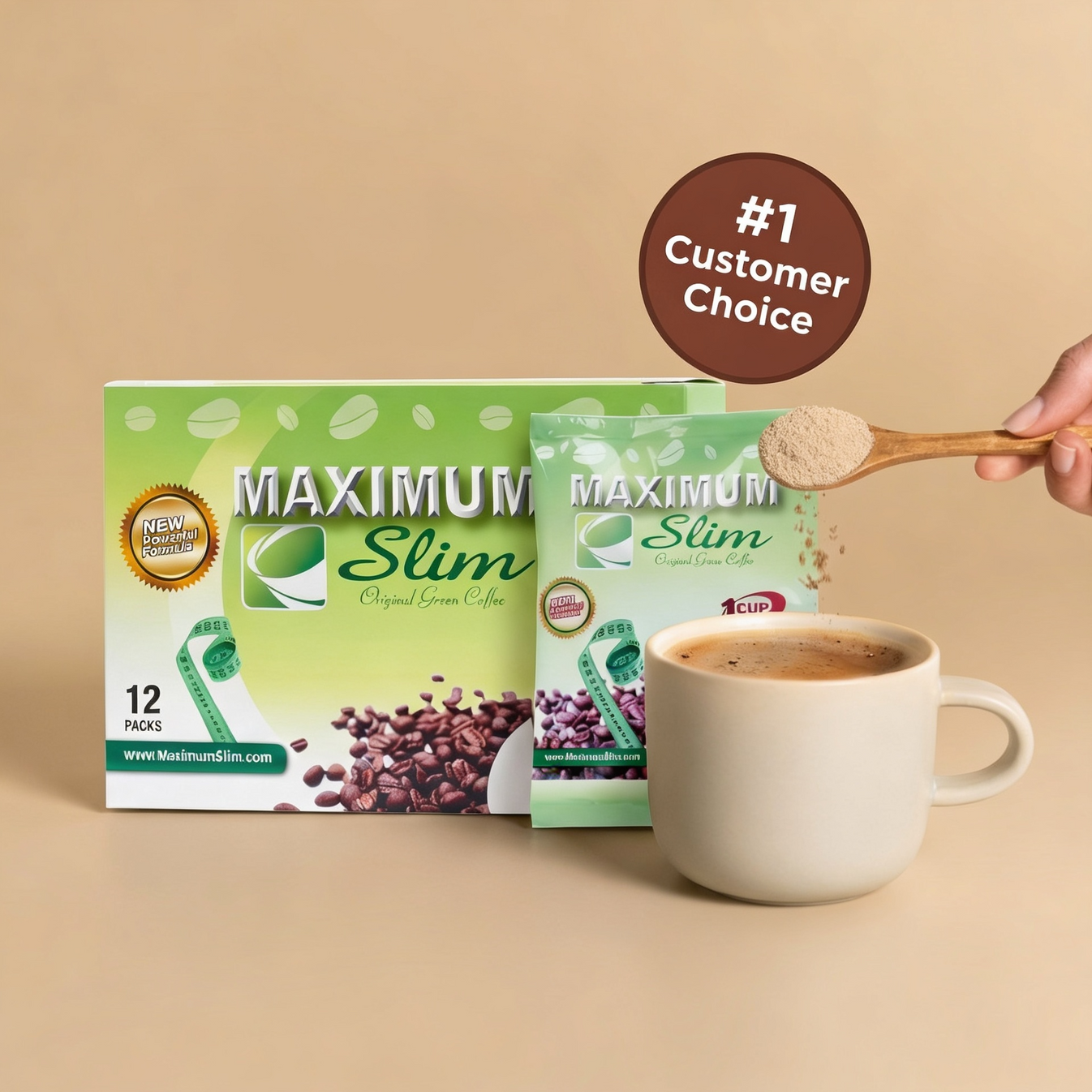
Featured Product
Maximum Slim Original Green Coffee | Premium Unroasted Arabica Blend (12 Ct)
Discover a delicious daily coffee crafted to complement your wellness routine. Enjoy one cup a day as part of a balanced lifestyle.
Shop Now →Why this choice matters for wellness
Coffee isn't just about taste. It can shape how you start your morning, how steady your energy feels, and how many extras slip into your routine without you noticing.
An espresso is often the cleaner choice because it's usually just coffee. A cappuccino can still fit a healthy lifestyle, but it brings milk into the equation, and sometimes café extras too. That's where people get caught off guard. They think they ordered coffee, but they also picked up sweeteners, dusting powders, or milk-based additives they never meant to include.
Practical rule: If you want the fewest moving parts, espresso is easier to control. If you want comfort and satiety, cappuccino can work well when you choose the ingredients carefully.
Where readers usually get mixed up
Three things tend to blur the difference between cappuccino and espresso:
- Serving size confusion: A bigger drink doesn't always mean more caffeine.
- Milk confusion: Milk changes calories, texture, and sweetness perception.
- Menu wording confusion: Cafés often make cappuccinos differently, especially in larger cups.
That's why it helps to strip both drinks back to basics first. Once you understand what each one is, ordering becomes much easier.
What Is Espresso and What Is Cappuccino
You step up to the café counter wanting a clean, simple coffee, then pause at the menu. Espresso looks small and intense. Cappuccino looks lighter and more comforting. The difference is simpler than the menu makes it seem. One is a concentrated coffee shot. The other starts with that same shot and adds milk and foam, which changes both the texture and the nutrition profile.
Espresso is made by forcing hot water through finely ground coffee under pressure. The result is a small serving with a concentrated flavor, fuller body, and a thin layer of crema on top. A useful way to picture it is as the coffee equivalent of reduction in cooking. You remove the extra water and keep more of the flavor in a smaller space.
That matters for wellness because espresso is usually a short ingredient list in its purest form. It is often just coffee and water. If your goal is a more clean-label choice with fewer variables, espresso is usually easier to evaluate and easier to order without accidental add-ins.
Espresso in plain language
An espresso is the most direct café expression of coffee. It is served in a small amount, but the flavor is concentrated. People often experience it as richer, more bitter, and more aromatic than drip coffee because there is less dilution.
It also gives you a very clear baseline. If you react poorly to sweeteners, flavored syrups, or certain dairy products, espresso helps you separate the coffee itself from everything that can be added around it.
Cappuccino in plain language
A cappuccino begins with espresso, then adds steamed milk and milk foam. Traditional versions aim for balance between those three parts, though cafés often vary in how much milk and foam they use. That variation is one reason cappuccinos can feel very different from shop to shop.
Milk changes more than flavor. It softens bitterness, adds natural sweetness from lactose, and creates a creamier mouthfeel. Foam changes how the drink lands on your tongue, so the coffee can taste gentler even when the espresso underneath is the same.
For someone focused on Maximum Health habits, that makes cappuccino a drink worth looking at closely. It can still be a reasonable choice, especially if you want more staying power than straight espresso, but the milk type and any extras matter. Whole milk, oat milk, sweetened almond milk, chocolate powder, and flavored syrups all shift the final drink in different ways.
The relationship between them
The easiest way to remember the difference is this. Espresso is the base. Cappuccino is one of the drinks built from that base.
A chef uses stock as a starting point, then turns it into very different soups by changing what gets added. Espresso works in a similar way in the coffee world. Once milk and foam enter the cup, the experience becomes softer, creamier, and usually more filling.
If you want a broader view of how one espresso shot branches into multiple café drinks, mastering coffee service for businesses shows that menu family clearly.
For a health-conscious reader, the practical distinction is straightforward. Espresso gives you more control and fewer ingredients to monitor. Cappuccino gives you a milder, more cushioned drink, but it asks you to pay closer attention to what the milk and toppings add.
A Detailed Comparison of Key Differences
You order coffee before a workout or between meetings. One option gives you a concentrated shot with almost nothing added. The other wraps that same coffee base in milk and foam. That difference sounds small, but it changes the drink's strength, texture, ingredient list, and how closely it fits a clean-label routine.

Ingredients
Espresso is the simpler drink. It is made from coffee and water, extracted under pressure. If you want the fewest variables in your cup, espresso usually gives you the clearest path.
Cappuccino starts with espresso, then adds steamed milk and foam. Those additions do more than soften flavor. They also introduce extra calories, natural milk sugars or sweeteners if a plant milk is used, and possible stabilizers or gums depending on what the café pours. For readers interested in healthy coffee choices for weight loss and cleaner ingredients, this is one of the biggest practical differences.
A good way to frame it is simple. Espresso is closer to a single-ingredient food. Cappuccino is closer to a prepared food with more moving parts.
Preparation and skill
Espresso depends on precision at the machine. Grind size, dose, pressure, and extraction time all shape the result.
Cappuccino requires that same espresso skill, plus milk steaming technique. The barista has to create microfoam that blends into the drink instead of sitting on top like a separate layer. That extra step is why cappuccino can vary more from café to café. The coffee may be solid, but the final drink still depends on milk texture, milk temperature, and the quality of the foam.
If you want a broader visual of how espresso branches into café drinks, this guide to mastering coffee service for businesses maps that drink family clearly.
Texture and concentration
Espresso feels dense, concentrated, and direct. A small volume carries a lot of flavor at once, so bitterness, roast notes, and acidity arrive quickly.
Cappuccino spreads that same espresso through milk and foam. The result is softer and more cushioned on the tongue. Yogurt and Greek yogurt offer a useful comparison. Both come from the same starting food, but one is denser and more concentrated, while the other feels lighter and more diluted. Espresso and cappuccino work in a similar way.
This is also where some readers get confused. A cappuccino can taste gentler without being weak in an absolute sense. It often feels milder because the coffee is buffered by milk, not because the espresso base suddenly became different.
Flavor clarity
If you want to notice the bean itself, espresso usually gives you the sharper picture. You can taste origin, roast level, and extraction quality with less interference.
Cappuccino shifts the experience toward balance and comfort. Milk smooths out bitter edges and can make a darker roast easier to enjoy. That can be helpful if plain espresso feels too aggressive on your stomach or palate. It can also hide some of the nuance that coffee-focused drinkers look for.
For a wellness-minded reader, this matters because flavor often drives add-ons. A harsh espresso may push someone toward sugar. A well-made cappuccino may feel naturally sweeter and reduce that urge. On the other hand, a cappuccino made with sweetened milk or topped with chocolate can turn into a dessert-like drink quickly.
Serving size and drinking context
Espresso is brief by design. You drink it in a few sips, and the experience is compact.
Cappuccino usually stays with you longer. The larger volume and creamy texture make it feel more like part of breakfast or a mid-morning pause. That longer drinking window can be pleasant, but it also means more ingredient exposure if your goal is to keep things simple and minimally processed.
So the key difference is not just taste. Espresso gives you concentration and tighter ingredient control. Cappuccino gives you a softer, more filling experience, but the health profile depends heavily on the milk, the portion, and whether the café keeps the recipe clean.
Analyzing the Health and Nutrition Profile
You order coffee before a workout, between meetings, or with breakfast. The better choice depends on what you want the drink to do in your body, not just how it tastes in the cup.

Caffeine, calories, and ingredient load
Espresso is usually the simpler option from a nutrition standpoint. It is coffee and water, served in a small volume, so there is very little room for extra calories or hidden ingredients.
Cappuccino starts with espresso but changes the nutrition profile as soon as milk enters the cup. Milk adds protein, natural sugar, and calories. Depending on the milk used, it can also add gums, oils, sweeteners, or fortification ingredients that matter to readers who prefer a clean-label routine.
That difference confuses people because cappuccino often tastes gentler. Gentler does not always mean lighter. The foam softens the sensory hit, but the espresso underneath still provides the coffee effect, and the milk changes how filling the drink feels.
Why cappuccino feels different
A useful way to understand this is to compare concentration with dilution.
Espresso works like a concentrated broth. Small volume, strong impact. Cappuccino is that same base mixed with milk and foam, which spreads the experience over a larger cup. You sip it more slowly, and many people find it easier on the palate. Nutritionally, though, the larger drink brings more variables.
If your goal is tight control over calories and ingredients, espresso is easier to read. If your goal is satiety or a softer coffee experience, cappuccino may serve you better, especially if it helps you skip a sugary side item.
The clean-label question
Health-conscious ordering gets more specific at this stage.
A plain espresso is usually straightforward. A cappuccino can still fit a Maximum Health lifestyle, but you need to know what the café is using. Unsweetened dairy milk may be a good fit for some people. Unsweetened almond or oat milk may work for others, but café versions sometimes contain stabilizers or added sugars. Flavored syrups, sweet dusting powders, and whipped toppings push the drink further away from a minimal-ingredient choice.
For readers focused on body composition and smarter coffee habits, this guide to healthy coffee for weight loss adds useful context.
Per shot versus per cup
This comparison helps clear up the biggest misunderstanding:
- Espresso: More concentrated per ounce, with very few calories on its own
- Cappuccino: Often built on a similar espresso base, but the full cup includes milk calories and a longer ingredient list
- Wellness fit: Espresso favors simplicity. Cappuccino favors fullness and comfort, if the milk choice stays clean
A café owner planning an optimized menu often has to think about these differences too. The RevMenue coffee food truck plan shows how drink format and ingredient choices affect what ends up on the menu and in the customer experience.
A practical way to judge each drink
Ask yourself three questions:
- Do I want the fewest ingredients possible?
- Do I want this coffee to keep me fuller for longer?
- Do I know what is in the milk or add-ons?
If ingredient simplicity leads, espresso usually comes out ahead. If satisfaction and a gentler drinking experience matter more, cappuccino can be a smart choice. The healthiest version is often the one that matches your goal and avoids unnecessary extras.
How to Choose and Order for Your Goals
The best coffee order depends on what the drink is doing in your day. A pre-workout coffee, a desk coffee, and a relaxed weekend coffee don't always need to be the same.
Choose espresso when simplicity matters
Espresso makes sense when you want a short, focused coffee break with as little added complexity as possible. It's often the most straightforward order for people who want fewer ingredients and more control.
Good moments for espresso include:
- Before a workout: You may prefer a lighter drink that doesn't feel heavy
- Mid-afternoon focus: A small serving can feel more efficient than a large milky drink
- Clean-label routines: Fewer components usually means fewer surprises
Choose cappuccino when you want more comfort
Cappuccino works well when the coffee itself is part of a slower moment. The milk and foam create a softer texture and a more rounded experience.
It may suit you better when:
- You want a breakfast companion: It pairs well with a meal and feels more substantial
- You dislike sharp coffee intensity: Milk can make the drink feel more approachable
- You want satisfaction, not just stimulation: The added body changes the experience
Watch for the clean-label gap
Many café orders drift away from your intentions at this point. Commercial cappuccinos can contain hidden additives not present in a simple espresso, such as stabilizers in milk, added sugars in flavorings or dusting powders, and emulsifiers. Freshly pulled espresso usually gives you more control because it's much closer to a single-ingredient beverage.
Ask clearly when ordering:
- Milk details: Is it plain milk, or a barista blend with added stabilizers?
- Toppings: Does the cocoa or cinnamon blend include sugar?
- Flavorings: Is anything added automatically?
- Sweetness: Can it be made with no syrup or sweetened powder?
If you're studying café operations or planning your own service concept, the RevMenue coffee food truck plan gives a useful look at how drink decisions, menu structure, and customer expectations intersect.
For anyone comparing coffee with other caffeinated options, this guide to matcha caffeine vs coffee can help you decide which type of energy curve fits your routine.
Ordering well is often less about the drink name and more about asking what's actually going into the cup.
Healthy Customizations and Home Brewing
Once you know the difference between cappuccino and espresso, the next step is making each one work for your routine instead of working against it.

Better choices at home
Home brewing gives you the biggest clean-label advantage. You control the beans, the milk, and everything that does or doesn't get added.
A simple approach works best:
- For espresso drinkers: Keep it plain if you enjoy the taste, or pair it with food instead of sweetening the shot
- For cappuccino drinkers: Use a milk you know and trust, then skip syrups and sweet dusting powders
- For sensitive drinkers: Decaf can still let you enjoy the ritual without the same caffeine intensity, if that's important for your day
Plant-based milks can work well in a cappuccino, but they vary a lot in flavor and foam quality. Some people like oat for its creamy feel. Others prefer almond or soy for a lighter finish. The healthiest choice depends on what ingredients are in the carton, not just the front label.
Focus on flavor, not cover-ups
A lot of coffee sugar use comes from trying to fix a drink that was poorly made. Better beans, a balanced shot, and properly textured milk reduce the need for extras.
If foam quality is your sticking point, these expert cappuccino foam tips can help you improve texture without turning to sweet toppings.
This video is also a helpful visual reference if you want to understand milk texture and drink building more clearly.
Keep your routine simple
The healthiest coffee habit is often the one you can repeat easily. Espresso works well if you want minimalism. Cappuccino works well if you want a more satisfying cup without turning it into dessert.
If you enjoy convenient coffee formats, this read on organic instant coffee offers another angle on keeping coffee routines simple and ingredient-aware.
A good rule is to treat sweetness and flavorings as optional, not automatic. Start with the cleanest version of the drink. Add only what you need.
If you want clean-label coffee, tea, protein, and wellness support that fits a simple daily routine, explore Maximum Health Products. Their approach centers on ingredients you can feel good about, with products designed for energy, metabolism, focus, and everyday well-being.

