


You're three paragraphs into an important report when the words start blurring together. It's mid-afternoon, your coffee was hours ago, and you need something that helps you feel awake without turning your thoughts into static. That's where an energy focus drink seems appealing, but the label often makes a simple question unnecessarily confusing: are you buying genuine support for attention, or just a fast stimulant rush?
The useful distinction is acute alertness versus sustained attention. Caffeine can make you feel more awake and can support vigilance, reaction time, and attention. That immediate lift isn't automatically the same as better working memory, calmer concentration, or productive focus that lasts through a demanding task.
The global category has also moved far beyond its original niche. Red Bull's launch in Austria in 1987 is widely treated as a modern starting point for the category, and independent 2026 estimates place the global market between about USD 83.31 billion and USD 92.0 billion, depending on the research firm and methodology (Fortune Business Insights market overview). The growth makes label literacy more important, not less.
What an Energy Focus Drink Is
You are heading into an early drive, a long study session, or a late meeting, and need to stay awake without feeling overstimulated. An energy focus drink is designed for that practical need: it combines a beverage format with ingredients intended to support wakefulness and cognitive performance.
Most formulas rely on caffeine as the main active ingredient, then add compounds such as L-theanine, taurine, amino acids, botanicals, or nootropic ingredients. A transparent label discloses the amount of each active ingredient. That makes it easier to connect the formula with a specific use, rather than treating every “focus” claim as proof of better thinking.
The category can look similar to several other products, but the intended use differs. A sugar-heavy, soda-style energy drink may provide stimulation while making its focus claims harder to assess. A pre-workout shot is usually built around training intensity, not desk-based concentration. A caffeine pill provides a measured stimulant without the flavor, hydration, or ingredient format of a beverage.
Alertness is only part of focus
Caffeine works best as an acute tool. A review of healthy adults found that 100 to 200 mg doses consistently improved sustained attention, vigilance, and reaction time, with stronger effects among people who habitually consume less caffeine (review of caffeine and cognitive performance). This supports a focused claim about alertness and attention. It does not show that every drink improves complex work, creativity, or long-term productivity.
The distinction matters in real life. During an early drive, support for vigilance may be the relevant outcome. Writing a difficult proposal also requires task planning, low distraction, adequate food, and enough sleep. A drink may help you remain engaged, while those foundations support the quality and duration of your work.
A practical way to assess the category
Ask four questions before choosing a product:
- What is the caffeine dose? A clear number is more useful than “extreme energy” or “brain power.”
- Which ingredients have a defined purpose? Taurine may be included for a possible cognitive interaction, while a botanical needs human evidence at a disclosed dose.
- What are you trying to do? Morning deep work, exercise, travel, and a late meeting may call for different choices.
- Could the drink interfere with sleep? Short-term alertness may be a poor trade if it disrupts the night.
For readers comparing formulas or building a broader supplement routine, find energy focus offers a starting point for viewing ingredients as a stack instead of treating every label claim as equally meaningful.
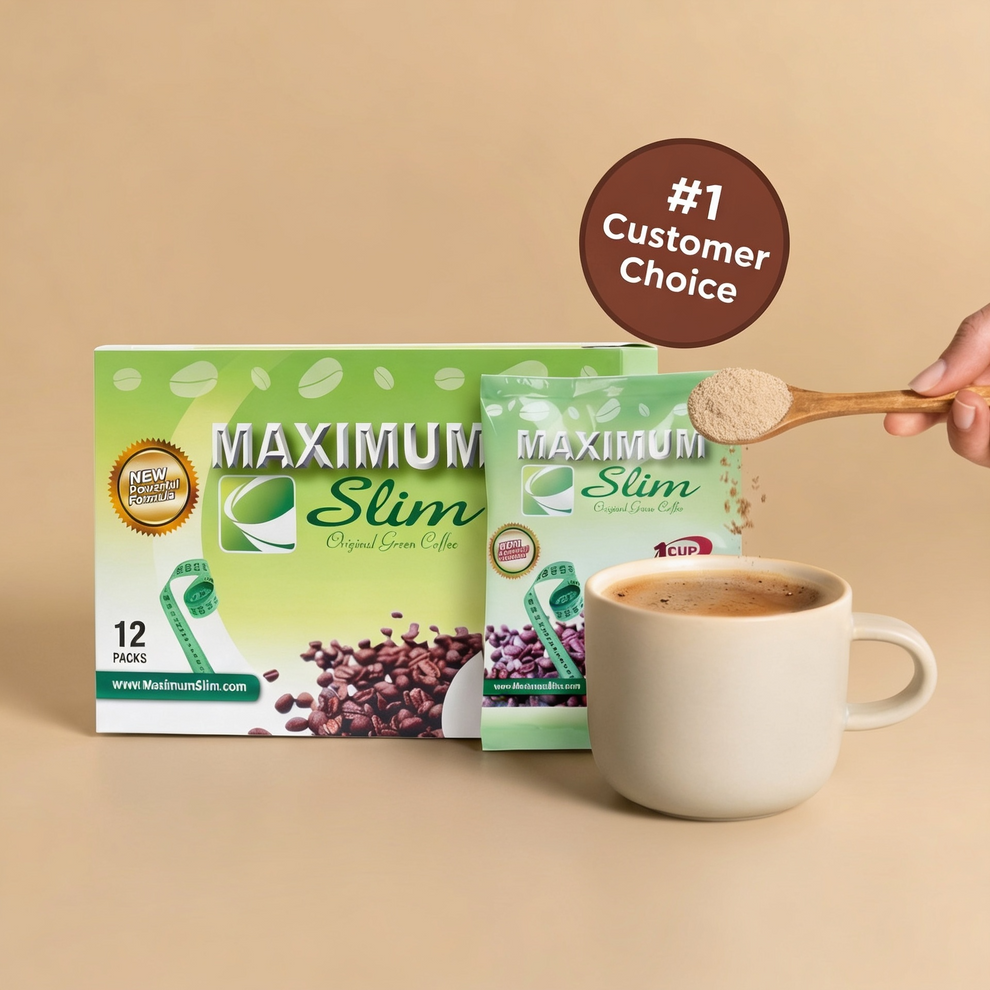
Featured Product
Maximum Slim Original Green Coffee
Made with green coffee and carefully selected herbal ingredients such as green tea leaf and ginseng root, this unique blend is designed to complement a balanced lifestyle.
Shop Now →Key Ingredients That Drive Real Focus
An energy focus drink becomes easier to judge when each ingredient has a defined job. Read the active dose first, then connect it to a real task: staying vigilant during a drive, reacting quickly in training, maintaining calm attention during a long meeting, or supporting memory over time. A label that blends all these outcomes into “brain power” is making comparison harder.
Caffeine
Caffeine is usually the main driver of an immediate alertness effect. Human evidence supports 100 to 200 mg as a low-to-moderate range associated with improved sustained attention, vigilance, and reaction time, particularly among people who consume less caffeine regularly. As noted earlier, that evidence supports feeling more awake and responsive. It does not establish deeper reasoning, better judgment, creativity, or lasting productivity.
The practical use case is acute alertness. Caffeine may help you stay engaged during early work, travel, or a demanding meeting, while sleep, food, task planning, and a low-distraction setting still shape the quality of the work.
L-theanine
L-theanine is often paired with caffeine to pursue alertness with a smoother subjective experience. That rationale is plausible, but results depend on the dose, study design, and outcome being measured. A transparent formula should disclose the amount rather than rely on “calm energy” wording.
Treat the pairing as a formulation choice, not proof of sustained attention. If the product does not show the dose, you cannot tell whether it meaningfully reflects the research.
Taurine
Taurine has a clearer potential role than many decorative label ingredients. A 2025 systematic review and meta-analysis found that caffeine combined with taurine produced a larger cognitive effect than either ingredient alone, including a credible positive effect on reaction time (caffeine and taurine meta-analysis). The finding does not guarantee the same result from every formula. It gives taurine a defensible place as a possible amplifier of an acute caffeine effect, especially when quick responses matter.
Adaptogens and nootropics
Rhodiola and ashwagandha are generally positioned around stress tolerance rather than an immediate stimulant effect. Their possible use is different from caffeine's. They may be more relevant when demanding or stressful conditions make it harder to stay on task, but they should not be treated as instant substitutes for caffeine.
Alpha GPC, citicoline, and bacopa monnieri are marketed for memory, processing, or longer-term cognitive support. Evidence varies across these ingredients, and outcomes depend heavily on dose and duration. Some non-caffeine compounds warrant cautious interpretation, while a separate analysis found no significant cognition benefit from chlorogenic-acid-based interventions. A longer ingredient list therefore does not establish a better focus drink.
Label-reading rule: If an ingredient drives the marketing but its dose is hidden inside a proprietary blend, you cannot compare the formula with the research.
For food, beverages, and supplements that may support attention without vague stimulant claims, review these natural focus strategies. Readers building a broader routine can also compare how targeted ingredients fit into a natural energy and focus supplement routine.
| Ingredient | Typical Dose | Best-Supported Effect | Evidence Strength |
|---|---|---|---|
| Caffeine | 100 to 200 mg | Vigilance, sustained attention, reaction time | Strongest acute support |
| L-theanine | Dose varies by formula | Often paired with caffeine for smoother attention | Context-dependent |
| Taurine | Dose varies by formula | Possible added reaction-time and cognitive support with caffeine | Promising combination evidence |
| Rhodiola | Dose varies by extract | Stress tolerance and fatigue-related support | Mixed and extract-specific |
| Ashwagandha | Dose varies by extract | Stress-related support | Mixed and context-dependent |
| Alpha GPC | Dose varies by formula | Memory and processing claims | Dose and population dependent |
| Citicoline | Dose varies by formula | Cognitive support claims | Context-dependent |
| Bacopa monnieri | Dose varies by extract | Longer-term memory support claims | More relevant to ongoing use than acute alertness |
Smart Dosing, Timing, and Safety
Suppose you have a report to finish in the morning, a workout later, and a meeting in the afternoon. One full-strength energy drink may help the first task, but repeating that serving can bring restlessness, disrupted sleep, or a racing heartbeat. The practical goal is to match the dose to the task, not chase the strongest sensation.
For a healthy adult, 100 to 200 mg of caffeine is a reasonable starting range. Earlier research reviewed caffeine's acute effects on attention, vigilance, and reaction time. Those benefits describe alertness in the short term, not guaranteed sustained concentration. More stimulation can feel stronger without making complex work better.
A morning deep-work session is the clearest use case. Take the drink early enough to observe whether it improves task engagement without causing jitters. Before exercise, caffeine may support alertness and perceived energy, but your total daily intake and personal tolerance still matter. Before an afternoon meeting, a smaller serving may provide enough alertness while reducing the chance of sleep problems.

Protect the night before chasing the afternoon
Caffeine can leave you feeling functional while still affecting sleep quality. The response varies, so a late-afternoon serving is a poor test if you already take a long time to fall asleep or wake without feeling restored. Use the infographic's conservative evening cutoff as a starting point, then move it earlier if you are sensitive to caffeine.
For healthy adults, the commonly cited daily ceiling is 400 mg of caffeine, according to Catholic Health's guidance on energy drinks and caffeine (energy drink health risks and caffeine guidance). Count coffee, tea, soda, pre-workout products, chocolate, supplements, and the focus drink itself.
Practical rule: Never stack a focus drink with another stimulant simply because each product looks moderate on its own.
Pregnant or breastfeeding people, teens, children, and people with heart conditions, high blood pressure, anxiety disorders, medication interactions, or strong caffeine sensitivity should consult a qualified healthcare professional before use. Stop and seek medical advice for chest pain, fainting, severe dizziness, or a racing or irregular heartbeat. Jitters, anxiety, nausea, headaches, and ongoing sleep trouble are reasons to reduce or stop use and reassess.
Cycling is not required for every ingredient, but planned breaks can limit automatic dose increases. Record the amount, time, task, mood, and sleep for a short period. Needing more caffeine to feel normal may point to tolerance, insufficient sleep, or an underlying health issue rather than an ineffective beverage.
How to Choose a Clean-Label Focus Drink
You can audit most labels in under a minute if you read them in the right order. Start with the front, but don't let the front make the decision.
First, look for vague promises such as “instant brain power” or “limitless focus” without a disclosed formula. Those phrases describe an aspiration, not a measurable ingredient effect. Then turn the container around and divide the ingredient panel into three groups: active functional ingredients, flavor and sweetener components, and carriers or preservatives.
Check the active ingredients
A useful label tells you exactly how much caffeine it contains and identifies added compounds such as L-theanine or taurine. If the product lists a proprietary blend without individual amounts, you can't compare it with the research or calculate your daily total. A clean formula doesn't need a long list, but every meaningful active should have a reason for being there.
Next, examine sugar and flavoring. Added sugar can turn a focus product into a sweet beverage with a stimulant attached. Artificial sweeteners aren't automatically harmful for every person, but people with specific preferences or sensitivities should know whether they're present rather than discovering them after purchase.

Use a strict skip rule
A transparent clean-label standard typically prioritizes no preservatives, no added sugars, clear allergen information, and no artificial colors or flavors. Look for certifications or statements relevant to gluten, dairy, and soy if those allergens matter to you. Third-party testing can add confidence, but it should complement, not replace, an understandable label.
Skip the product if it contains:
- More than 8 grams of added sugar: That makes the drink less suitable for people seeking a low-sugar focus routine.
- A proprietary blend hiding caffeine: You can't assess dose or total daily intake.
- Artificial dyes: There's no need to accept decorative color when the active formula should do the work.
For people managing gluten exposure, a clear gluten-free energy drink checklist can help separate a genuine allergen-free claim from a front-label assumption. Also check serving size. A bottle may contain multiple servings, and the caffeine number may apply to only one of them.
Energy Drinks Versus Coffee and Functional Cocoa
If your morning requires a familiar lift, brewed coffee may be enough. If you need a labeled dose before a demanding task, an energy focus drink offers more control. Functional cocoa fits a different moment, especially when you prefer a milder stimulant effect and a drink built around flavor.
An 8-ounce coffee is commonly discussed as containing about 100 mg of caffeine. Focus drinks often provide 100 to 200 mg, while cocoa blends may offer roughly 40 to 80 mg of caffeine alongside theobromine. These are category reference points, not promises. Brewing method, serving size, and formulation can change the amount in your cup.
| Option | Typical Caffeine | Alertness Window | Calories / Sugar | Best For |
|---|---|---|---|---|
| Brewed coffee | About 100 mg in 8 ounces | Familiar, noticeable lift | Depends on additions | Simple morning routine and value |
| Focus drink | 100 to 200 mg | Acute alertness with optional secondary ingredients | Depends on formula | Measured dosing and stacked ingredients |
| Functional cocoa | 40 to 80 mg plus theobromine | Gentler stimulation | Depends on blend and sweetener | Afternoon use when jitter avoidance matters |
Caffeine mainly changes acute alertness. It can make a tired person feel more awake for a work block, but that immediate lift is not the same as sustained attention. A focus drink may include ingredients such as L-theanine or Alpha GPC, yet those additions do not automatically create lasting concentration. Their value depends on the dose, the person, and the task.
Match the format to the moment
Coffee works well when availability, predictable preparation, and familiar taste matter. If you are choosing among a light roast, espresso-based drink, or another style, this guide to find your perfect coffee type can help you select by flavor and preparation rather than marketing.
A focus drink suits a planned work session when its caffeine amount is clearly stated and its secondary ingredients have disclosed doses. That information lets you connect the formula to a real use case, such as alertness for a deadline, instead of treating every ingredient as a general brain enhancer. For tea-based stimulation compared with coffee, this matcha caffeine versus coffee comparison provides useful context.
Choose coffee for a straightforward morning routine. Use a measured focus drink before a demanding task only if you already know your response. At a 3 p.m. deadline, functional cocoa or a non-caffeinated break may protect sleep better than pursuing the strongest possible alertness.
DIY Recipes and Timing Tips for Busy Lives
Making your own drink gives you control over dose, sweetness, and the number of active ingredients. It also removes the convenience advantage of a packaged product, so measure carefully and record what you add.
Cold brew calm-focus mix
For desk work, combine a 12-ounce cold brew containing a measured 150 mg caffeine equivalent with 100 mg L-theanine and ice. Stir thoroughly, then drink it before your most demanding work block rather than sipping it mindlessly throughout the day.
Take it early enough that you can observe its effect before your personal sleep cutoff. Pair it with a meal or snack containing protein, fiber-rich carbohydrates, and water so the drink isn't doing all the work of keeping you functional. If cold brew makes you tense or unsettled, reduce the caffeine rather than adding more calming ingredients to compensate.
Green tea training blend
For a training window lasting 60 to 90 minutes, prepare a drink with green tea extract, a small measured dose of Alpha GPC, water, and a pinch of sea salt. The supplied recipe visual also presents a matcha-style alternative with 80 mg natural caffeine, lemon, and light honey. Choose one caffeine source, not both.
Drink it before training only after checking the extract's caffeine amount. Keep the serving away from a heavy protein-rich meal if you find that combination delays digestion, and pair the broader routine with sufficient water and a balanced meal later. Don't treat salt as a substitute for hydration planning.

Adapt the routine to your day
Busy professionals can keep the routine simple: one measured serving before the main work block, preferably before early afternoon, and no automatic refill after a difficult meeting. If fatigue is constant, investigate sleep, food intake, hydration, workload, and health rather than escalating caffeine.
Students can pair a modest drink with a 20-minute study block, a defined task, and a distraction-free environment. The beverage may support alertness, but active recall, practice questions, and breaks determine whether study time becomes learning.
Fitness users should test the drink during ordinary training, not before an important event. Avoid combining it with coffee, a pre-workout, or another stimulant until you know the total caffeine and your response.
Building Your Personal Focus Routine
A useful routine begins with a goal, not a product. Choose the outcome you want, set the smallest sensible dose, and remove ingredients that don't serve that outcome.
Pick the job first
For deep work, a moderate caffeine serving with L-theanine may suit someone seeking alertness without a harsh subjective lift. For gym performance, caffeine may be the main relevant active. For study, a lighter serving can support vigilance while leaving room to protect sleep. For a calm afternoon lift, functional cocoa or tea may be more appropriate than a high-stimulation can.

Use this decision sequence:
- Name the task. Deep work, exercise, studying, travel, or a short meeting.
- Choose a conservative caffeine amount. Stay within the evidence-supported range discussed earlier and account for all other caffeine that day.
- Add only a purposeful ingredient. L-theanine may fit calm attention, taurine may fit a formula built around caffeine, and other nootropics require closer scrutiny.
- Check the label. Disclosed doses, low sugar, no artificial dyes, and clear allergen information matter more than dramatic front-label language.
- Set the cutoff. Don't use caffeine close to your normal sleep period, especially if you're sensitive or already sleeping poorly.
A morning routine might use coffee or a measured focus drink before deep work. A midday routine could use tea, cocoa, or a smaller serving if sleep remains protected. A pre-workout routine should avoid stacking products and should be tested when you can monitor your heart rate, mood, digestion, and recovery.
The category is moving toward more targeted formats, including microdosed nootropic blends, sugar-free functional cocoa, and caffeine alternatives designed for people with unusual schedules. Those developments may improve choice, but they won't eliminate the central question: does the dose, timing, and ingredient combination match your actual task?
Maximum Health Products offers clean-label options across Energy & Focus, coffee, cocoa, tea, and cognitive support, including products featuring ingredients such as Alpha GPC and citicoline. If you want to compare those formats with the framework in this guide, visit Maximum Health Products and choose a product based on your goal, disclosed ingredients, and preferred caffeine level.

