


Most advice about weight loss and fiber is too vague to be useful. “Take more fiber” sounds simple, but it leaves out the one detail that changes results: not all fiber supplements behave the same way in your body.
That gap explains a lot of frustration. Someone adds a powder to water, feels gassy, sees no change in appetite, and decides fiber supplements are overhyped. Another person uses a different type, takes it before meals, pairs it with a calorie-conscious eating plan, and notices better control over hunger. Both people are “taking fiber,” but they are not taking the same tool.
If you're considering a fiber supplement for weight loss, the smarter question isn't “Does fiber work?” It's which kind of fiber helps with fullness, when should you take it, and what can it realistically do. That's where the science gets much more practical.
Why Some Fiber Supplements Fail for Weight Loss
Fiber supplements often disappoint for a simple reason. People buy a product for “fiber,” but weight-loss results depend heavily on what kind of fiber is in the container.
That sounds like a small detail. It is not. Two supplements can both list fiber on the label and behave very differently once they hit your digestive tract.
Some fibers mostly add bulk to stool. Some are quickly fermented by gut bacteria. Some absorb water and become thick. For appetite control, that thickening effect is usually the feature that matters most.
The problem with generic fiber advice
“Take more fiber” is like telling someone to “eat more protein” without asking whether they chose Greek yogurt or candy bars with added protein. The category is too broad to be useful.
A better way to sort fiber supplements is by viscosity, which means how much they thicken when mixed with water.
- Viscous fiber absorbs water and forms a gel-like texture
- Non-viscous fiber does not create the same thickness in the stomach
- Viscous soluble fibers, such as psyllium and glucomannan, are more often chosen for fullness support
- Other fibers, such as some forms of inulin or bran-based products, may still help regularity or support the microbiome, but they do not usually affect appetite in the same way
That distinction explains a lot of mixed reviews. One person tries psyllium before meals and feels fuller. Another adds a non-viscous fiber to a smoothie and notices more gas than appetite control. Both experiences can be accurate because the supplements are doing different jobs.
Some products also get credit for benefits they were never designed to provide. A wheat bran supplement may help bowel regularity. An inulin powder may support beneficial gut bacteria. Those can be useful outcomes, especially if you are also working on better gut health habits that support weight loss. They are not the same as helping a meal stay satisfying for longer.
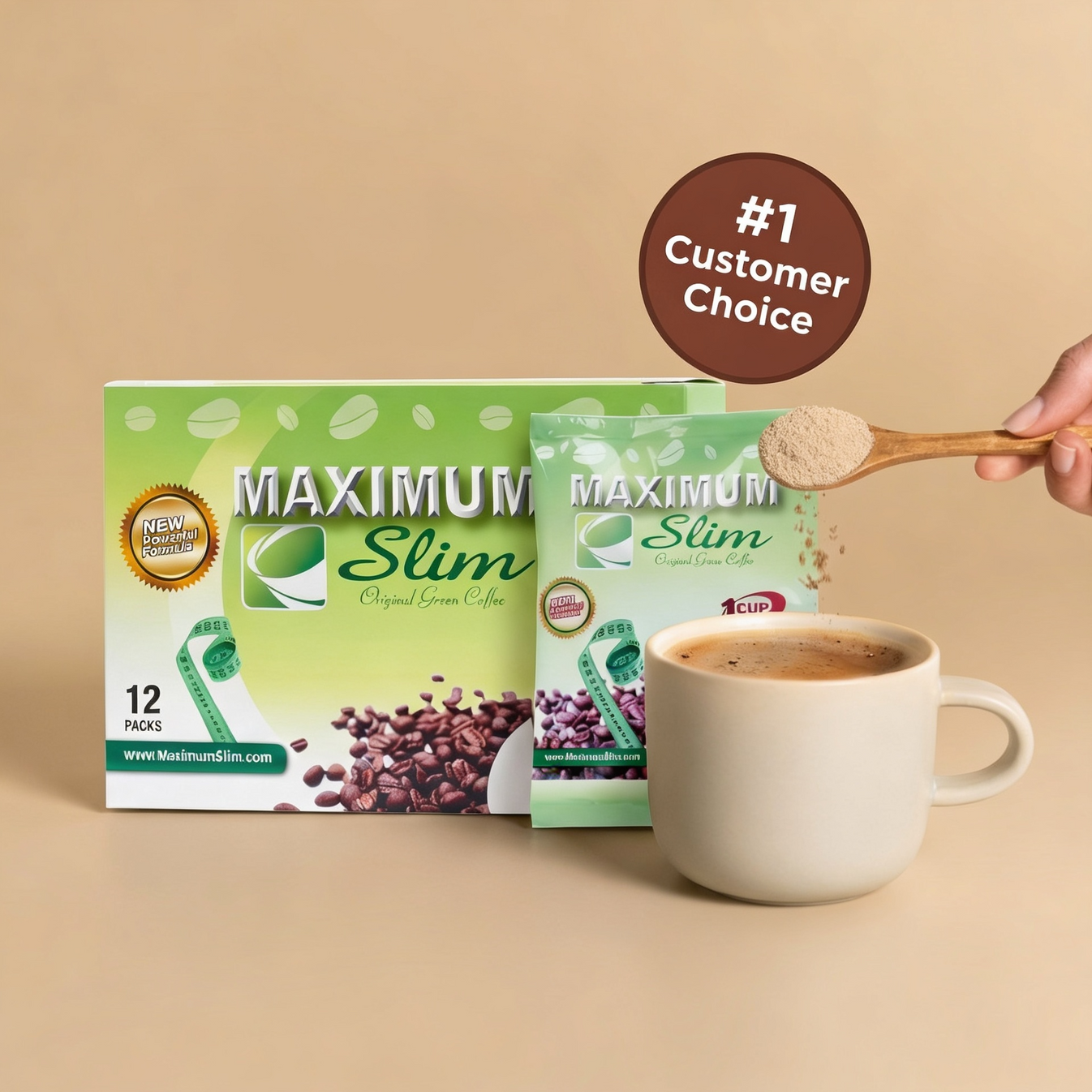
Featured Product
Maximum Slim Original Green Coffee | Premium Unroasted Arabica Blend (12 Ct)
Discover a delicious daily coffee crafted to complement your wellness routine. Enjoy one cup a day as part of a balanced lifestyle.
Shop Now →Why results feel inconsistent
People also run into trouble when they expect a fiber supplement to override the rest of the diet. It does not work that way.
A supplement can help put the brakes on hunger a bit. It cannot cancel out frequent liquid calories, oversized portions, constant snacking, or a pattern of eating that stays low in protein and low in whole foods. That is one reason results in practice vary so much.
Timing and use matter too. A person who takes a viscous fiber with enough water and uses it consistently may notice a difference. A person who sprinkles a small amount into food once in a while, or stops because of bloating during the first few days, may decide fiber “doesn't work.”
Product choice creates another layer of confusion. Some supplements are marketed for appetite support even though their main action is regularity. If you want a practical example of how one common product is discussed for hunger control, see Blue Haven RX's insights on Metamucil.
Bottom line: If a fiber supplement has not helped with weight loss, the issue is often the fiber type, the dose, the timing, or unrealistic expectations. Supplements can support a calorie-conscious routine. They do not replace one.
How Viscous Fiber Actually Supports Your Goals
The most effective fiber supplement for weight loss usually works through a physical effect, not a stimulant effect. Viscous soluble fiber absorbs water and turns into a gel-like mass in the digestive tract. That changes how quickly food leaves your stomach and how quickly nutrients move into your bloodstream.
A simple way to picture it is a sponge in a bowl of water. A dry sponge takes up space once it hydrates. Viscous fiber does something similar in your gut. It becomes thicker, slows things down, and can make meals feel more satisfying.

It helps fullness last longer
Viscous fibers such as psyllium and glucomannan hydrate and form a gel-like matrix in the gastrointestinal tract. That mechanism is the key reason these fibers are more useful for weight control than non-viscous options. A meta-analysis discussed in Healthline's review of how fiber can help with weight loss noted that about 7 grams per day of viscous fiber was associated with a statistically significant reduction in body weight, while non-viscous fibers like inulin did not produce additional weight loss in trials.
That doesn't mean the fiber “burns fat.” It means it can make it easier to eat less without feeling as hungry.
It slows digestion and smooths out appetite swings
A meal that empties from the stomach more slowly often feels more stable. You're less likely to get the sharp “I need something now” rebound that can happen after a fast-digesting meal.
Many readers get confused. They hear “blood sugar” and assume fiber is only relevant if they have diabetes. That's not the point here. Slower absorption can matter for anyone trying to reduce cravings and maintain steadier appetite between meals.
For a broader look at how digestive health connects to body weight, this guide on improving gut health for weight loss is a helpful companion read.
It works best as part of a meal strategy
People often get more out of viscous fiber when they use it intentionally. Take it before a meal, drink enough water, and pair it with a meal that already has structure, such as protein, produce, and minimally processed carbs.
If you want a practical example of how a common psyllium product is used for appetite support, Blue Haven RX's insights on Metamucil offer a plain-language look at how that approach is commonly framed.
A quick visual may help tie the mechanism together:
The best way to think about viscous fiber is as an appetite-support tool. It can create a better setup for portion control, but it doesn't replace good meals or a calorie deficit.
A Guide to The Most Effective Fiber Types
When you stand in the supplement aisle, the names on the front of the container don't tell you enough. You need to know what each fiber is likely to do.
The most useful question isn't “Which one has the most grams?” It's “Which one forms enough viscosity to help fullness?”
The short list that matters most
Psyllium husk is one of the most practical starting points. It's mostly soluble, highly viscous, and widely used for both regularity and appetite support. It mixes into water and thickens quickly, which is exactly why many people find it helpful before meals.
Glucomannan comes from konjac root and is also highly viscous. It absorbs a lot of water and is often included in blends aimed at satiety.
Inulin is different. It's often added to products because it's a fiber and can act as a prebiotic, but it is not the same kind of appetite-support tool as psyllium or glucomannan. For some people it may support gut comfort or feed beneficial bacteria, but its weight-loss effect appears less reliable when used for fullness.
Common Fiber Supplements Compared
| Fiber Type | Key Property | Primary Benefit | Best For |
|---|---|---|---|
| Psyllium | Soluble and viscous | Fullness and regularity | People who want a simple pre-meal fiber |
| Glucomannan | Highly viscous, absorbs water strongly | Appetite support | People focused on satiety |
| Inulin | Non-viscous, fermentable | Prebiotic support | People focused more on gut support than fullness |
| Apple fiber | Often used in blends | Complementary support in formulas | People choosing mixed-fiber products |
Why blends sometimes outperform single fibers
A 2023 study in overweight and obese adults tested several supplements alongside energy restriction. The combination containing glucomannan (4.3 g/day), inulin (2.5 g/day), psyllium (10 g/day), and apple fiber produced the strongest results, with significant reductions in body weight, BMI, fat mass, and visceral fat by 4 and 8 weeks. The most effective supplement arms lost about 5 kg and 4 kg over 8 weeks, and the best-performing formula was superior to placebo for both BMI and body weight (p = 0.018) (2023 study on fiber blends with energy restriction).
That finding matters because it moves the conversation beyond “good fiber” and “bad fiber.” A blend can work well when it combines fibers with different properties, but the success still seems tied to including viscous fibers and using them with calorie restriction, not expecting the supplement to act alone.
How to shop with this information
When you read a label, look for the actual fiber source, not just the total grams.
A simple screening approach:
- Look for psyllium or glucomannan first if your goal is fullness
- Treat inulin differently if your main goal is appetite control
- Check whether it's a blend that includes at least one viscous fiber
- Skip vague marketing language that promises “detox” or “fat burning”
If you're comparing product formats and want to see a straightforward example of a basic psyllium option, you can find organic psyllium husk in a plain powdered form that makes label reading easier.
Practical filter: Choose the fiber for the job. If you want help with appetite, viscosity matters more than clever packaging.
Proper Dosing and Timing for Maximum Results
A good fiber supplement can still disappoint if you take it the wrong way. Timing, dose, and hydration change the experience.
Many people make one of two mistakes. They either start with too much and get bloated, or they sprinkle a little into a smoothie after a meal and expect strong appetite effects. Neither approach sets you up well.
Timing matters more than most people realize
For psyllium husk, timing is a major part of the effect. Meta-analyses found that a daily intake of around 10.8 grams, typically in a 7 to 15 gram range, taken for an average of 4.8 months, led to a mean body weight reduction of 2.1 kg, a BMI decrease of 0.8 kg/m², and a waist circumference reduction of 2.2 cm. The same body of evidence noted that it was usually taken about 10 minutes before meals, which helps the gel form in the upper digestive tract before food is eaten (meta-analyses on psyllium timing and weight outcomes).
That pre-meal timing is easy to miss, but it's one of the most practical details in the whole conversation.

A routine that's easier to tolerate
Try this approach instead of jumping straight to a full dose:
-
Start small
Use a modest amount first, especially if you're not used to much fiber. This lowers the chance of gas, cramping, or an overly full feeling. -
Take it before meals
For viscous fibers, pre-meal use makes more sense than adding it randomly later in the day. -
Drink enough water
These fibers need fluid to form the texture that makes them useful. Too little water can make the experience unpleasant. -
Hold steady before increasing
Give your digestion time to adapt before raising the amount.
When to adjust your plan
If a fiber supplement makes you feel uncomfortably bloated for more than a short adjustment period, don't assume you're doing something wrong morally. It may be the dose, the product type, or your own tolerance.
Some people also do better when they combine fiber support with other non-stimulant appetite habits rather than relying on one tool alone. This article on non-stimulant appetite control offers practical strategies that fit well with pre-meal fiber use.
If you want a fiber supplement for weight loss to help with hunger, use it like a meal aid, not like a random add-on.
How to Choose a Clean and Safe Fiber Supplement
A fiber supplement can help with weight loss and still be a poor product.
The main reason is simple. The front label often sells a vague promise, while the ingredient panel tells you whether you are getting a useful viscous fiber or a mix of low-impact extras. That difference matters because people often blame "fiber" when the issue is that they bought the wrong type, in the wrong form, with a lot of unnecessary add-ons.

What to look for on the label
Start with the actual fiber source. If the label clearly says psyllium husk, glucomannan, or another specific ingredient, you can judge what the product is likely to do. If it says "fiber blend" or "proprietary formula," you are being asked to buy a black box.
After that, look at the supporting ingredients. A short ingredient list is usually easier to trust and easier to tolerate. Sweeteners, colors, thickening agents, and flavor systems are not always harmful, but they can make it harder to tell whether the product itself is working well for your appetite, digestion, or both.
A practical product usually has these traits:
-
The fiber is named clearly
You should be able to identify whether it is a viscous fiber or a non-viscous one. -
The formula is simple
Fewer added ingredients usually means fewer surprises. -
There is no added sugar unless there is a clear reason for it
A supplement meant to support weight loss does not need to taste like dessert. - You would realistically take it consistently Powder, capsules, and flavored drink mixes each have tradeoffs. The best option is the one you will use as directed.
For broader perspective on product quality and safety checks, clinicians often discuss dietary supplements for adults in a wider context than weight loss alone.
Clean matters, but the fiber type matters more
People often misunderstand this point: A product can be "clean" and still do very little for fullness if the fiber is not the kind that forms a thicker gel in the gut. In other words, purity is helpful, but mechanism matters more.
A good comparison is coffee. Buying organic beans says something about sourcing. It does not tell you how much caffeine is in the cup. Fiber works similarly. A clean label tells you about the extras. The fiber type tells you what effect to expect.
As noted earlier, research on viscous fiber shows modest average weight-related benefits, not dramatic ones. That is a realistic expectation to bring into the store or onto a product page. If a label promises rapid fat loss, detox, or effortless appetite control, treat that as marketing rather than evidence.
Signs a product may be less useful
You do not need to become a label detective, but a few red flags can save you time:
- The product hides the amount or type of fiber
- The serving is packed with flavoring systems and filler ingredients
- The claims sound bigger than the mechanism
- The company explains almost nothing about how to use it
That last point matters. Good supplements usually give clear directions, including how much to take and how much water to use. Viscous fibers are more like tools than shortcuts. Used correctly, they can support a plan. Used casually, they are easy to misjudge.
If you are comparing fiber with other support options, this guide to natural weight loss supplements can help you place it in the right category. Fiber is one of the more practical options, but it still works best alongside better meals, activity, and consistency.
Side effects do not always mean the product is bad
Some trial and error is normal. A clean formula can still cause bloating or stomach pressure if the texture is very thick, the dose is too aggressive, or your digestion is not used to it yet.
What you want is a product that is transparent, simple, and built around a fiber type that matches your goal. For weight loss support, that usually means asking one question before any other. Is this a viscous fiber that can help with fullness, or is it just another product using the word "fiber" as decoration?
Beyond the Supplement A Holistic Weight Loss Plan
A fiber supplement works best when it supports habits you were already trying to build. It can make those habits easier. It can't replace them.
That's the part many ads leave out. Hunger is only one piece of weight loss. Meal composition, hydration, sleep, stress, and activity all affect how easy or hard it feels to stay consistent.
Where fiber fits in real life
If you use a viscous fiber before a meal, you still need the meal to make sense. The best pairing is usually a plate built around protein, produce, and foods that digest at a steadier pace.
A practical setup might look like this:
- Before lunch take your chosen fiber with water
- At the meal include a clear protein source and a high-fiber whole food
- During the day keep water intake steady
- Across the week stay physically active and protect your sleep

Food still matters more than the bottle
Supplements can help fill gaps, but food gives you more than isolated fiber. Whole foods bring texture, chewing, volume, nutrients, and usually a more satisfying eating experience.
The baseline still matters. Adult fiber targets are typically around 25 grams per day on a 2,000-calorie diet, and AICR recommends at least 30 grams daily as part of a healthy pattern, as noted earlier in the article. A supplement can help bridge the gap, but it shouldn't become the entire strategy.
A good fiber routine should make healthy eating easier, not distract you from it.
Think support, not rescue
People tend to succeed when they stop looking for one dramatic lever and start building a set of repeatable actions. Fiber can be one of those actions.
Used well, it can help you arrive at meals less impulsive, less ravenous, and more able to eat the amount you intended. That's a useful advantage. It's just not magic.
Common Questions About Fiber for Weight Loss
Why isn't my fiber supplement working
The most common reason is that the supplement isn't the right type for the goal. If it isn't viscous, it may not help much with fullness. Timing also matters. Taking it after a meal or inconsistently usually won't create the same appetite effect as using it before meals.
Another reason is personal variability. Experts caution that fiber supplements are not a stand-alone fat-loss solution and tend to work best with diet changes. A 2022 Stanford report, discussed in GoodRx's review of whether fiber helps with weight loss, highlighted that responses vary widely and that some people appear to benefit much more than others.
Will fiber supplements make me bloated forever
Usually, no. Many people feel more gas or pressure when they increase fiber too quickly.
What often helps:
- Reduce the dose for a while
- Increase gradually instead of forcing a full serving
- Drink enough water so the fiber can work as intended
- Reassess the type if one formula clearly doesn't agree with you
Can I get all the fiber I need from food instead
Yes, many people can. In fact, whole-food fiber may be more effective overall because it comes packaged with volume, nutrients, and better meal quality.
A supplement is most useful when:
- your meals are still falling short on fiber,
- you want a pre-meal appetite tool,
- or you need a practical bridge while improving your diet.
Is psyllium better than inulin for weight loss
For appetite support, psyllium is usually the more logical choice because it is viscous. Inulin may still have value, especially for gut-focused goals, but it doesn't produce the same gel-forming effect that makes a fiber supplement more useful for fullness.
Should I expect fast results
No. A realistic view is that fiber can provide modest support. That may still be worthwhile if it helps you stick to better portions and a more structured eating pattern over time.
If you want clean-label wellness support that fits into a realistic routine, Maximum Health Products offers supplements and nutrition tools designed to support energy, metabolism, appetite awareness, and overall well-being without treating any single product like a magic fix.

