


You're probably here because you've seen the word mushroom on a supplement label and wondered what you're buying. Is it the whole mushroom. Is it the underground part. Does that difference matter if your goal is immune support, focus, resilience, or daily wellness?
It does matter. A lot.
The visible mushroom, the part that pops up after rain or appears in a capsule photo on a product page, is a familiar sight. But that familiar shape is only one part of a much larger fungal life. Once you understand the difference between a fruiting body and mycelium, supplement labels start making much more sense.
For a simple mental picture, think of an apple tree. The hidden network that feeds and supports the organism is like the root system. The visible, harvestable part is like the apple. With fungi, mycelium is the hidden network, and the fruiting body is the visible structure that emerges when conditions are right.
What Are Fungi Fruiting Bodies
You see a mushroom on a label and assume that is the fungus. For supplement shoppers, that is often the first point of confusion.
A fungal fruiting body is the visible reproductive structure a fungus produces. Its role is to form and release spores so the species can spread. That visible structure might be a classic cap-and-stem mushroom, a shelf-like bracket on a tree, a puffball, or a morel.
The rest of the organism usually lives out of sight. It grows through soil, wood, compost, or another food source as mycelium, a network of fine threadlike cells. Consumers often assume appearance is purely cosmetic, but it may not be. If a product says it contains mushroom, fruiting body, or mycelium, those words can point to different fungal parts.
Why the visible part matters
Fruiting bodies are the parts people usually recognize, harvest, cook, dry, and turn into powders or extracts. They can appear fast when moisture and temperature line up, which is one reason mushrooms seem to show up overnight after rain.
That visible growth is only one phase of fungal life, but it is the phase most tied to how a supplement is marketed.
Practical rule: If you can hold it in your hand and call it a mushroom, bracket fungus, puffball, or morel, you are looking at a fruiting body, not the entire fungus.
Featured Product
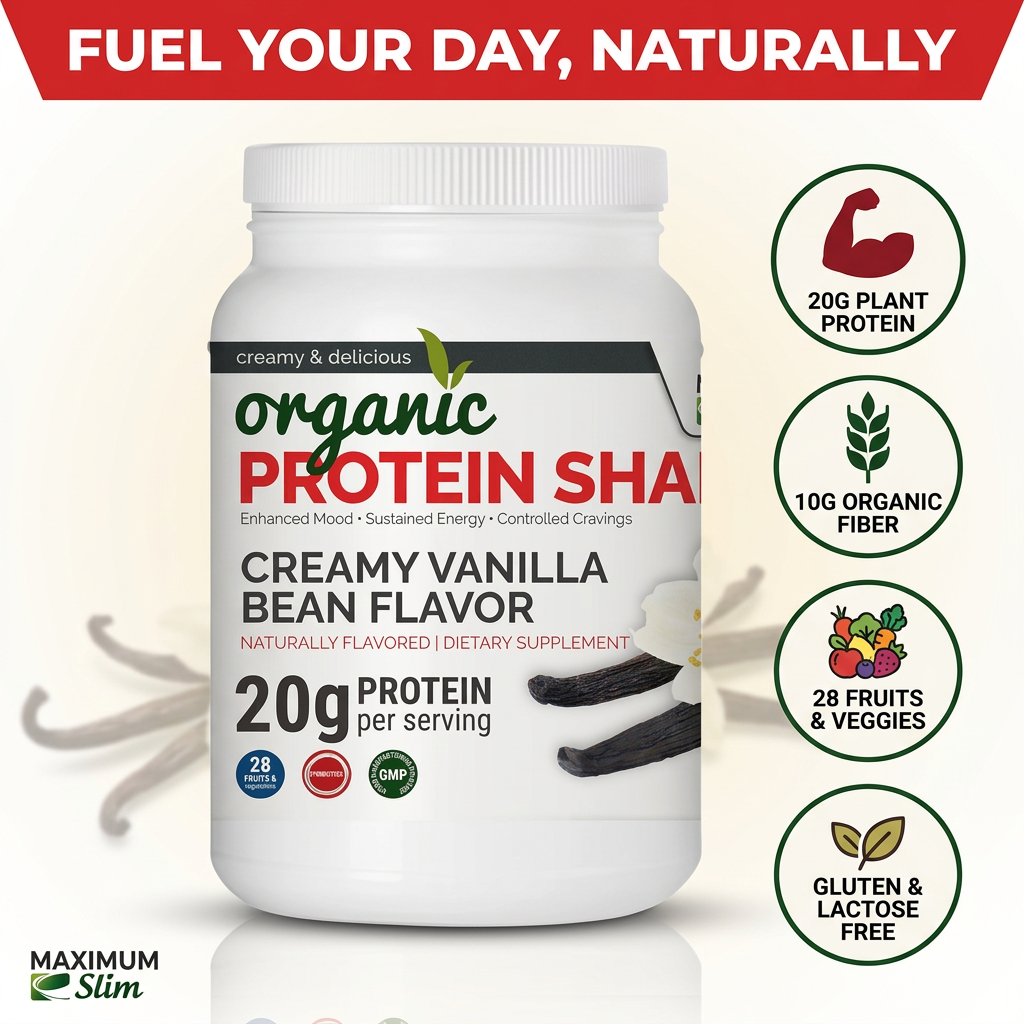
Organic Protein Shake - Maximum Slim | Nutrient Rich Drink for Muscle Recovery
This formula includes a blend of 28 fruits and vegetables and is made to fit a variety of dietary needs.
Shop Now →Why wellness consumers should care
This distinction shows up directly on supplement labels. Some products use the fruiting body. Others use mycelium grown on grain or another substrate. Some use both.
For someone comparing products for immune support, focus, or everyday wellness, that difference is worth checking before you buy. The label is not just describing shape or harvest style. It is telling you which part of the fungal organism ended up in the capsule, powder, coffee blend, or gummy.
Once you know that, product names become easier to read and quality claims become easier to judge.
The Fungal Lifecycle From Spore to Mushroom
A fungus starts small. Very small. A spore lands where moisture, food, and temperature are favorable, and the process begins.
Instead of growing into roots, stems, and leaves, the spore produces a tiny thread called a hypha. As more threads grow and branch, they weave together into a larger network called mycelium. This is the working body of the fungus. It explores, digests, absorbs, and expands through its environment.

The hidden phase
If you've ever lifted a damp log and seen white, threadlike growth underneath, you've seen something close to fungal infrastructure. Mycelium is easy to overlook because it usually stays tucked into wood, leaf litter, or soil.
That hidden phase is where most of the feeding happens. Mycelium releases enzymes into its surroundings, breaks material down, and draws nutrients back in. It can spread unseen for a long time before producing any visible mushroom at all.
The moment a fruiting body forms
A fruiting body doesn't appear at random. Environmental signals matter. A review on fruiting body development reports that humid conditions promote formation, and that substrate composition plus moisture are critical for yield. The same review notes that a high carbon-to-nitrogen ratio is important for early fruiting-body initiation, while later development shifts toward a lower carbon-to-nitrogen requirement, as described in this review of fruiting body development and cultivation factors.
That helps explain why experienced growers pay such close attention to air, water, and substrate. Fruiting isn't just “growth.” It's a change in developmental mode.
Here's the simplest way to picture the cycle:
- Spore lands in a suitable place.
- Hyphae grow and begin branching.
- Mycelium expands through its food source.
- Environmental cues trigger a fruiting body.
- The mature fruiting body releases spores and the cycle continues.
A mushroom is often the final visible event in a much longer hidden story.
For supplement shoppers, this life cycle clears up a common confusion. The mushroom you recognize is a stage in the fungus's life, not the whole organism from start to finish.
Anatomy and Diversity of Fruiting Bodies
The classic mushroom shape is familiar for a reason. It's easy to recognize, and it gives us a useful starting point for understanding fungi fruiting bodies.
A typical mushroom has a cap, a stalk (also called a stipe), and spore-producing surfaces under the cap. Depending on the species, those surfaces may be gills, pores, or other specialized structures. Together, these parts help the fungus lift and spread its spores into the surrounding air.

The familiar parts of a mushroom
If you turn over a grocery-store mushroom, you're seeing an efficient spore factory.
- Cap helps protect the spore-producing area.
- Gills or pores hold the tissue where spores develop.
- Stalk holds up the cap, which can help with spore dispersal.
- Mycelium remains out of sight below or within the substrate.
Many educational articles conclude here. But “mushroom shape” is only one design among many.
Fruiting bodies come in many forms
Fungi fruiting bodies can look nothing like the standard cap-and-stalk silhouette. In the fungal class Agaricomycetes, there are about 36,000 described species, and these fungi show major structural variety including cap-and-stalk mushrooms, puffballs, coral fungi, crust-like forms, polypores, and stinkhorn-like gasteroid forms, according to a large phylogenetic analysis published in PNAS on Agaricomycetes diversification and fruiting-body form.
That variety isn't just decorative. Structure appears to matter significantly in fungal evolution. The same analysis found that pileate-stipitate fruiting bodies, the classic cap-and-stalk form, were associated with increased diversification compared with other forms.
That's an important idea. The visible form of a fruiting body may have helped some fungal lineages generate new species more successfully over evolutionary time.
Form, color, and function
People often ask why mushrooms come in so many shapes and colors. The short answer is that we don't fully know. A review on fruit-body colors says their ecological and evolutionary role is still “mostly obscure,” while possible functions include attraction, camouflage, warning, mimicry, microbial defense, and dispersal, as discussed in this review of mushroom color and ecological function.
That uncertainty matters because consumers often assume appearance is purely cosmetic. It may not be. Shape and color could influence survival, spore movement, or interactions with animals and microbes.
If you're curious how one widely used mushroom is discussed in wellness circles, this overview of the benefits of reishi mushroom offers a helpful example of how fruiting body form connects to real-world use.
The Unseen Work and Ecological Roles of Fungi
A mushroom on a log can look small and temporary. The fungus behind it may be doing quiet work across a whole patch of soil, wood, or root zone.
That hidden work helps explain why fungi deserve more attention than they usually get. For anyone comparing mushroom supplements, it also adds useful context. The visible fruiting body is only one phase of a much larger organism with jobs that shape forests, gardens, and food webs.
Many fungi act as decomposers. They break down fallen branches, dead leaves, and other organic material that would otherwise build up. In the process, they help return nutrients to the environment so other organisms can use them again.
Other fungi form close partnerships with plants. A helpful comparison is an underground support network. Fungal threads can extend far beyond plant roots and help bring in water and minerals, while the plant shares sugars produced through photosynthesis. Even in places where no mushrooms are visible, fungal networks may already be supporting the health of the surrounding ecosystem.

A mushroom can be tiny while the fungus is enormous
This scale difference is easy to miss if you only notice the part above ground. As noted earlier, some fungal organisms can spread across strikingly large areas, while fruiting bodies appear only at certain times and in certain spots.
That is why the apple-tree comparison is so useful. If mycelium works like the roots and living infrastructure of an apple tree, the fruiting body works like the apple. The apple is real and important, but it is not the whole organism.
A person walking through the woods may spot a cluster of mushrooms after rain and assume that is the fungus. In reality, those mushrooms are more like a seasonal signal that a much larger system is active below the surface.
The mushroom is the visible structure. The fungus is the larger living network underneath.
Why this context is valuable for health-minded readers
People often meet fungi through a capsule, powder, coffee blend, or grocery-store mushroom. That is a practical starting point. But it helps to know that fungi are not just ingredients. They are organisms with distinct parts and roles, and those distinctions become especially relevant when you start reading supplement labels.
For a shopper, ecological context sharpens one key question. Are you buying the visible reproductive structure, the fruiting body, or are you buying mycelium, often grown on a substrate that may remain part of the final ingredient? If you want to make more informed choices across categories, this guide to science-backed wellness products offers a useful broader framework for evaluating claims and quality.
A few simple role labels can keep the picture clear:
- Decomposer role means fungi help break down complex natural material.
- Nutrient cycling role means they return usable building blocks to ecosystems.
- Symbiotic role means some fungi cooperate closely with plants.
- Reproductive role of fruiting bodies means the visible mushroom is one part of a larger fungal life cycle.
Fruiting Body vs Mycelium What Your Supplement Label Means
This is the label question most shoppers care about.
If a bottle says fruiting body, it refers to the visible mushroom structure. If it says mycelium, it refers to the threadlike fungal network. When a label says mycelium on grain, that usually means the fungus was grown through a grain substrate, then harvested with some amount of that material still part of the final ingredient.
For wellness buyers, this difference affects what you think you're getting.

The apple and roots analogy
Use the simplest analogy possible. If mycelium is like the roots and support system of an apple tree, the fruiting body is like the apple itself.
You can benefit from understanding both parts. But if a product is marketed around the recognizable mushroom people traditionally associate with use, many consumers specifically want the harvested fruiting body, not a mixture of fungal threads plus growing medium.
That's why label literacy matters more than front-label photos.
Here's a visual walk-through that helps clarify the distinction:
A simple comparison for shoppers
| Attribute | Fruiting Body | Mycelium (especially on grain) |
|---|---|---|
| What it is | The visible, mature fungal structure | The hidden network of hyphae |
| What shoppers recognize | The mushroom itself | The underground or substrate-bound growth phase |
| Label language | Often listed as mushroom or fruiting body | Often listed as mycelium or myceliated grain |
| Physical makeup | Distinct tissues such as cap, pores, gills, or stalk | Fine filamentous growth, often intertwined with substrate |
| Consumer concern | Often chosen when buyers want the mushroom portion itself | May include substantial non-fungal growing material if grown on grain |
What to look for on a label
You don't need a biology degree to read a mushroom supplement label well. You need a few smart questions.
- Check the ingredient wording. Does it say fruiting body, mycelium, or mycelium on grain?
- Look for the species name. “Mushroom blend” is vague. A clear species listing is more informative.
- Watch for substrate language. If grain is part of the production method, ask whether it remains in the final material.
- Notice extraction details. Some products state whether they're powders or extracts, which can help you compare like with like.
If a label doesn't clearly tell you which fungal part was used, you're missing information that could shape your buying decision.
For readers trying to sort through broader supplement quality questions, this guide to science-backed wellness products gives a useful framework for evaluating formulas beyond the mushroom category alone.
A Practical Guide to Common Fungi and Foraging Safely
People often move from supplements to foraging because curiosity grows fast once fungi start making sense. That curiosity is healthy. Carelessness isn't.
Wild mushroom identification can be rewarding, but it demands humility. Some edible fungi have toxic look-alikes, and visual similarity can fool beginners. If you can't identify a mushroom with complete confidence, don't eat it.
The safest rules are simple
Start with principles, not bravado.
- Be certain, not hopeful. “Looks close” isn't enough for wild mushrooms.
- Use multiple traits. Cap shape alone doesn't identify a species.
- Check habitat. Where it grows can matter as much as how it looks.
- Learn from real people. Local mycology clubs and guided walks are far safer than guessing from photos.
When in doubt, throw it out.
That advice sounds blunt because it needs to be.
Examples beginners often hear about
Certain mushrooms get repeated in beginner conversations because they have distinctive features. Morels are a common example. Their pitted, ridged structure makes them memorable. But even with well-known edibles, caution matters because people can confuse them with so-called false morels.
Another classic pair is chanterelles and Jack-o'-lantern mushrooms. New foragers may focus on color and miss more important details such as growth pattern, underside features, and overall structure. That's how mistakes happen.
A safer approach is to treat names as starting points, not green lights.
Better first steps than solo foraging
If you're drawn to fungi because of wellness, there are lower-risk ways to deepen your interest.
- Join a local fungal group and learn in person from experienced identifiers.
- Start with cultivation kits so you can observe growth without the danger of wild misidentification.
- Use field guides carefully, but never rely on one photo or one trait.
- Keep specimens separate if you're collecting for study. Mixing mushrooms creates confusion fast.
Some readers also assume cooking solves identification mistakes. It doesn't. Safe cooking begins after correct identification, not before.
Foraging can build respect for fungi fruiting bodies in a way no label ever will. But respect should lead your decisions, not confidence borrowed from a quick internet search.
Your Next Steps in Fungal Wellness
By now, the big distinction should feel clear. The fruiting body is the visible reproductive structure. The mycelium is the hidden network that feeds and supports the fungus. If you care about mushroom supplements, that isn't a technical footnote. It's one of the first things worth checking on a label.
A smart next step is to read products with more precision. Look for the fungal part used, the species listed, and whether the product explains how the material was grown or extracted. Clear labels usually signal a company that expects informed questions.
A simple label-reading checklist
- Fungal part used. Fruiting body, mycelium, or both.
- Species named clearly. Not just “mushroom blend.”
- Processing details. Powder, extract, or another format.
- Transparency. Enough information to understand what you're buying.
If you want a broader educational overview beyond this article, you can explore functional fungi for additional background on common mushroom categories and wellness uses. And if your interest overlaps with mushroom beverages, this guide on does mushroom coffee have caffeine can help you sort out another common point of confusion.
The best outcome isn't becoming a fungal expert overnight. It's becoming a more confident buyer who understands that not all mushroom products are describing the same part of the organism.
If you want clean-label wellness products from a brand focused on simple, research-minded nutrition, visit Maximum Health Products. Their range includes everyday support for energy, focus, metabolism, and overall well-being, with formulas designed for people who want straightforward ingredients and practical routines.

