


You wake up with good intentions, grab a breakfast that seems convenient, and by mid-afternoon you're tired, distracted, and looking for something sweet. That pattern is common. It doesn't mean you lack willpower. It usually means your meals aren't giving your body the kind of fuel that lasts.
A high protein low sugar approach can help break that cycle. Not by making food stressful, and not by banning every carb, but by shifting your meals toward foods that keep you steadier, fuller, and less vulnerable to energy swings. The bigger lesson is quality. A protein bar with a long ingredient list and a dessert-like flavor profile may look healthy, but it may not support the calm, consistent energy you're after.
The goal isn't perfection. It's learning how to choose foods that work with your metabolism instead of constantly pushing it into peaks and crashes.
What High Protein Low Sugar Means for Your Body
That afternoon slump often starts earlier than you think. A sugary coffee drink, pastry, sweet cereal, or snack bar can act like fast-burning kindling. It lights quickly, burns hot, and fades fast. Protein works more like slow-burning logs. It gives your body a steadier fuel source and usually helps you feel satisfied longer.
When people hear "low sugar," they sometimes assume it only matters for dessert. In practice, sugar shows up in yogurt, granola, sauces, smoothies, coffee creamers, cereal, and packaged snacks. When those foods dominate a meal, many people feel the result as fluctuating energy, more cravings, and less focus.

Why protein changes the feel of a meal
Protein does more than build muscle. It changes the structure of your day. A meal built around eggs, Greek yogurt, tofu, chicken, fish, cottage cheese, lentils, or a clean protein source tends to feel more stable than a meal built around refined sweets.
That matters for blood sugar. In people with type 2 diabetes, a protein-forward, carbohydrate-restricted eating pattern has been shown to lower glucose exposure over a full day and improve longer-term glycemic markers in a clinical study on a LoBAG diet, as reported in the Diabetes journal study on high-protein, low-carbohydrate eating.
Simple takeaway: If your meals leave you hungry again within an hour or two, the issue often isn't that you're eating too little. It's that you're not getting the right mix.
A practical plate might look like this:
- Protein first: Eggs, salmon, chicken breast, tofu, tempeh, cottage cheese, Greek yogurt, beans, or lentils.
- Low-sugar support foods: Non-starchy vegetables, berries, chia seeds, nuts, seeds, or plain unsweetened dairy alternatives.
- Smart extras: Olive oil, avocado, herbs, spices, salsa, or lemon instead of sugary sauces.
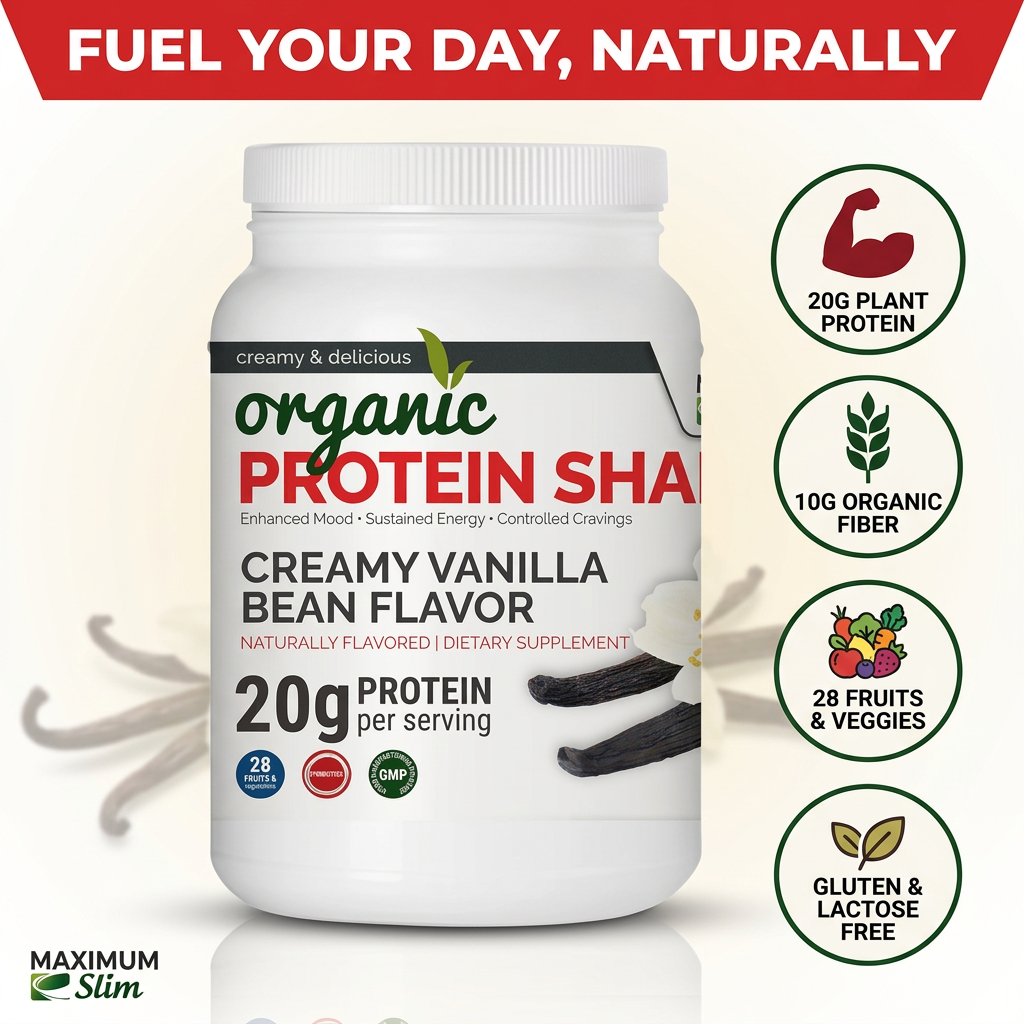
Featured Product
Organic Protein Shake - Maximum Slim | Nutrient Rich Drink for Muscle Recovery
This formula includes a blend of 28 fruits and vegetables and is made to fit a variety of dietary needs.
Shop Now →It isn't about being extreme
A high protein low sugar lifestyle doesn't require fear around fruit or obsessing over every gram. It's a pattern. You build meals around protein, keep added sugars in check, and choose foods that are closer to their natural form.
Some people also pair nutrition changes with movement and recovery strategies that support metabolic health. If you're interested in that broader picture, this overview of BionicGym for metabolic support is a useful companion resource.
The biggest shift is mental. Instead of asking, "How can I eat less?" start asking, "How can I build a meal that keeps me steady for the next few hours?"
Mastering Macros and Reading Nutrition Labels
Individuals don't need a complicated spreadsheet to eat better. They need a few clear rules and the ability to read a label without getting tricked by front-of-package marketing.
For sugar, there is a solid benchmark. The U.S. Dietary Guidelines recommend keeping added sugars below 10% of total daily calories, which equals about 50 grams on a 2,000-calorie diet, and the FDA says 5% Daily Value or less is considered low on the Nutrition Facts label, according to the FDA guide to lows and highs on the Nutrition Facts label.

What to look for on the label
Start with the Nutrition Facts panel, not the claims on the front. "Protein packed," "fit," "light," or "natural" doesn't tell you whether the product is low in added sugar.
Focus on these three lines first:
| Label item | Why it matters | What to notice |
|---|---|---|
| Protein | Helps anchor the meal or snack | More is useful only if the rest of the ingredient list makes sense |
| Added Sugars | Tells you how much sugar was put into the product | Lower is usually better for steady energy |
| % Daily Value | Gives quick context | 5% DV or less is considered low by the FDA |
Become a label detective
The ingredient list often reveals the truth. A yogurt may look healthy until you see sugar, cane syrup, fruit juice concentrate, or malt syrup near the top. A protein cereal may have added sweeteners in multiple forms. A snack bar may advertise protein while reading like a candy bar in disguise.
Watch for names such as:
- Dextrose: A sugar that can make a "healthy" snack more dessert-like than it appears.
- Fruit juice concentrate: People often assume this is harmless because it sounds fruit-based.
- Malt syrup or cane syrup: These can push a product away from the clean, stable-energy category.
- Sugar alcohols: These can lower sugar numbers on the label, but some people find them hard on digestion.
Front-of-package claims sell convenience. The ingredient list tells you what you're actually buying.
If tracking helps you notice patterns, Lila's guide to nutrition tracking can make the process less overwhelming. And if you want a clearer foundation for protein, carbs, and fat as a whole, this article on understanding macros for weight loss is a practical next read.
The skill you're building isn't restriction. It's discernment. Once you know how to read labels, a lot of "health foods" stop looking so impressive.
Your High Protein Low Sugar Shopping List
A good grocery trip makes healthy eating easier all week. If your cart is full of real protein sources, simple produce, and a few smart convenience foods, you won't need constant willpower. You'll just have better options within reach.
The encouraging part is that this pattern works with different eating styles. A 2024 clinical study found that people following low-calorie, high-protein diets lost substantial weight whether the protein came from animal or plant sources, with −8.05 ± 5.12 kg on the high-protein animal diet and −7.70 ± 5.47 kg on the high-protein plant diet, along with improvements in body composition, in the 2024 clinical study on high-protein diets and weight loss.
Whole food powerhouses
Start with foods that need very little marketing because they already do the job.
- Eggs and egg-based options: Useful for breakfast, lunch, or quick dinners.
- Fish and seafood: Salmon, tuna, sardines, shrimp, and cod can give you protein with minimal sugar concerns.
- Poultry and lean meats: Chicken breast, turkey, and other plainly prepared cuts are dependable staples.
- Plain Greek yogurt and cottage cheese: Strong choices when you pick unsweetened versions.
- Tofu, tempeh, edamame, beans, and lentils: Excellent for plant-forward households.
Produce and extras that support steady meals
Protein works best when it isn't standing alone. Pair it with foods that add fiber, texture, and staying power.
Think of your cart in combinations:
- Spinach + eggs + salsa
- Greek yogurt + berries + chia
- Chicken + broccoli + olive oil
- Tofu + peppers + mushrooms
- Cottage cheese + cucumber + pumpkin seeds
These combinations feel simple because they are. A high protein low sugar routine usually gets easier when meals are built from repeatable templates instead of endless recipe hunting.
Smart packaged picks
Packaged food isn't automatically a problem. The issue is whether it helps or complicates your goals.
Look for:
- Unsweetened yogurt cups rather than dessert-style fruit blends
- Nut butters with short ingredient lists
- Frozen plain protein options like shrimp, chicken, or edamame
- Simple hummus or bean dips without sugary add-ins
- Clean protein powders with recognizable ingredients
A useful shopping question is, "Would I recognize this food without the packaging?" The closer the answer is to yes, the easier it is to stay aligned with clean eating.
Animal and plant protein can both fit
You don't have to choose sides. Some people do best with eggs, fish, yogurt, and poultry. Others prefer tofu, legumes, and plant-based shakes. Many do well with a mix.
What matters most is consistency, digestibility, and ingredient quality. If a plant-based product is heavily sweetened and ultra-processed, it may not be a better choice than a simpler animal-based option. If an animal-based product is sugary, breaded, or coated in syrupy sauce, it can miss the point too.
A good shopping list doesn't chase trends. It gives you enough real food to build steady meals without a lot of friction.
Sample Meal Plan and Quick Recipes
A high protein low sugar day doesn't need to look rigid. It should feel normal, satisfying, and manageable on a workday. The easiest place to set the tone is breakfast.
That matters because meal composition in the morning can influence glucose control. In women with gestational diabetes, a breakfast that was higher in protein and lower in carbohydrate led to lower 2-hour post-meal blood glucose and lower insulin levels than a standard breakfast in the study on high-protein, lower-carbohydrate breakfast and glycemic control.
A simple day of eating
Here is one example of how that can look.
Breakfast
A veggie omelet with spinach and mushrooms, plus plain Greek yogurt with a few berries. This kind of breakfast is filling without leaning on sweet cereal, toast-heavy combinations, or pastries.
Lunch
Grilled chicken over a large salad with cucumber, tomatoes, olives, and avocado. Use olive oil and lemon or a simple vinaigrette without added sweetness.
Snack
Cottage cheese with cinnamon, or a small smoothie made with unsweetened milk and a clean protein powder.
Dinner
Sheet pan salmon or tofu with broccoli, cauliflower, and zucchini, seasoned with garlic, herbs, and olive oil.
Three quick recipes for busy days
Five-minute protein smoothie
Blend unsweetened almond milk or dairy milk, a clean protein powder, spinach, ice, and a small handful of berries. The berries add flavor without turning the drink into a sugar bomb.
Ten-minute loaded yogurt bowl
Use plain Greek yogurt as the base. Add chia seeds, walnuts, cinnamon, and sliced strawberries. If you need more crunch, sprinkle on pumpkin seeds instead of sweet granola.
Fifteen-minute sheet pan meal
Place salmon or cubed tofu on a tray with chopped broccoli and peppers. Drizzle with olive oil, season well, and roast until cooked through. Make enough for leftovers so tomorrow's lunch is easier.
Why this structure works
Notice the pattern. Each meal starts with protein. Sugar isn't the centerpiece. Carbs, when included, come from foods that bring more than sweetness.
That setup often helps with:
- Morning steadiness: Less of the up-and-down feeling that follows sugary breakfasts
- Better appetite control: Meals hold longer when protein leads
- Simpler decisions later: You're less likely to hunt for vending machine snacks when lunch and breakfast were built well
If breakfast is where you struggle, don't aim for fancy. Aim for repeatable.
Many people stick with this style more easily when they batch a few options ahead of time. If you'd like a system for that, this guide to create organized weekly menus can help you turn good intentions into an actual weekly plan.
The best meal plan is the one you can repeat when life gets busy. Start with one breakfast, one lunch, one snack, and two dinners that you like. Variety can come later.
Troubleshooting Common Challenges and Lifestyle Tips
The struggle isn't due to a lack of knowledge about chicken, yogurt, or eggs. It arises because real life intervenes. Cravings hit at work. Restaurant meals are oversized. Kids want snacks that come in bright boxes. Digestion feels different when protein intake goes up.
That doesn't mean the approach is wrong. It means it needs adjusting.
When sugar cravings keep showing up
Cravings often get stronger when meals are too light, too sweet, or too inconsistent. If breakfast is coffee and a muffin, a rough afternoon isn't surprising. If lunch is mostly carbs with very little protein, evening snacking can feel hard to control.
Try these fixes:
- Anchor your first meal: Build breakfast around protein instead of starting the day with sugar.
- Upgrade snacks: Choose yogurt, boiled eggs, edamame, cottage cheese, or nuts over pastries and candy.
- Check your routine: Skipping meals can make later choices more impulsive.
If cravings are your main roadblock, this resource on how to stop sugar cravings naturally offers practical ideas you can test right away.

If you feel bloated or heavy
More protein doesn't always mean more comfort. Sometimes the issue is the type of protein, the speed of the change, or all the extras that came with it.
Look at the full context:
- Very processed bars and shakes can bring gums, sweeteners, and fillers that don't sit well for everyone.
- Large portions can feel harder to digest than spreading protein across meals.
- Low fiber intake can make any new eating style feel off.
A steady transition usually works better than a sudden overhaul.
Different lives need different strategies
A generic food list won't fit everyone. Age, schedule, appetite, and family life matter. Older adults often need more protein to maintain muscle, with many expert groups recommending roughly 1.0 to 1.2 g/kg/day for healthy older adults, as discussed in this overview on protein needs in older adults.
For a busy professional:
- Keep desk-friendly options nearby: Nuts, roasted edamame, tuna packets, or plain yogurt cups.
- Repeat lunches on purpose: Decision fatigue is real.
- Order directly when dining out: Pick a protein and vegetables first, then adjust sides.
For families:
- Make protein visible: Put boiled eggs, cheese, hummus, or yogurt where they're easy to grab.
- Swap breakfast gradually: Move from sugary cereal to eggs, yogurt bowls, or protein oatmeal.
- Keep sweetness in perspective: A snack can still be enjoyable without making sugar the main event.
You don't need a perfect plan. You need one that survives Tuesday afternoon, school pickup, late meetings, and restaurant menus.
How to Choose a Clean Protein Supplement
Protein supplements can be useful. They can help after a workout, fill in a rushed breakfast, or make a light meal more balanced. But convenience can also hide a problem. Some products are closer to ultra-processed dessert powders than clean nutrition.
That matters because ultra-processed foods now make up about 55% of total energy intake in the U.S. and about 57% in the U.K., including many bars and shakes, as noted in this discussion of ultra-processed foods and high-protein products.

When a supplement makes sense
A supplement can help when whole food isn't practical. Think of the morning commute, a post-gym window, travel days, or a lunch that didn't include enough protein. It should support your diet, not replace real meals all day.
A good protein powder should make eating well easier. It shouldn't require you to ignore a long list of additives just because the protein number looks attractive.
Here is a short video that can help you think through the decision:
A clean label protein checklist
Use this list before buying anything:
- Read the ingredient list first: Shorter is usually better. You should recognize most of what you're seeing.
- Check sugar before flavor claims: "Cookies and cream" often tells you plenty before you even turn the tub around.
- Notice the sweeteners: Some people prefer naturally derived options over artificial ones.
- Match the protein source to your needs: Whey, pea, rice, hemp, or blended proteins can all fit depending on tolerance and goals.
- Watch for fillers and thickeners: A long list of extras may mean the powder is doing too much.
- Think about how you'll use it: In smoothies, oatmeal, yogurt, or baking, simplicity usually works best.
Clean protein should feel like an ingredient, not a chemistry project.
What quality looks like in practice
A useful supplement supports the same principles as the rest of your high protein low sugar routine. Low added sugar. Minimal unnecessary ingredients. A protein source you digest well. A flavor profile that doesn't train your palate to expect dessert at every meal.
If you want more guidance on product selection, this article on the best clean protein powder can help you compare options with a more critical eye.
The question isn't just, "How much protein is in it?" The better question is, "Does this product make my overall diet cleaner and easier, or more processed and confusing?"
Your Path to Stable Energy and Wellness
A high protein low sugar lifestyle works best when it feels calm, practical, and repeatable. You don't need to fear food. You need meals that give your body enough protein, keep added sugars in check, and rely more often on clean, minimally processed ingredients.
That shift can support steadier energy, better appetite control, and fewer of the crashes that push people toward constant snacking. It also gives you a more useful filter when you're shopping. You're no longer asking only whether a product is high in protein. You're asking whether it's worth eating at all.
Start small. Upgrade breakfast. Read one label more carefully. Build one dependable lunch. Keep one clean snack at work. Those steps may look modest, but they're often how lasting change starts.
If you're looking for clean-label wellness support that fits this approach, Maximum Health Products offers science-backed options designed around daily energy, metabolism, and simple ingredient standards. Their selection includes protein, weight management, greens, teas, and family wellness products for people who want practical nutrition without added sugars, artificial flavors, soy, gluten, or unnecessary fillers.

