


No, ground coffee isn't instant coffee. Ground coffee is unbrewed roasted-bean material, while instant coffee is pre-brewed coffee dehydrated into soluble powder or granules. Instant coffee usually takes roughly 30 seconds to prepare, while ground coffee commonly takes about 4–5 minutes to brew, and a cup of instant typically contains about 60–80 mg of caffeine compared with 80–120 mg for freshly brewed ground coffee, according to this consumer comparison of instant and ground coffee.
Have you ever stirred ground coffee into a mug of hot water, expecting it to disappear like instant, then wondered why the drink turned gritty and weak? The confusion makes sense because both products begin with roasted coffee beans, but they reach your cup in completely different states.
One product is waiting for water to extract its flavor. The other has already been brewed, then dried so its soluble coffee compounds can dissolve again. That difference explains the taste, caffeine, preparation time, residue, shelf behavior, and label clues that matter when you're choosing a coffee for a clean, health-focused routine.
Is Ground Coffee the Same as Instant Coffee
No. Ground coffee is roasted coffee beans crushed into particles. Those particles still contain the physical structure of the bean, so hot water must pass through them and extract the flavor compounds before you can drink the coffee.
Instant coffee has already taken that trip. Manufacturers brew roasted coffee, remove the water from the resulting extract, and leave behind a dry powder or granules that dissolve when you add water. This distinction is also explained in this guide to instant coffee versus ground coffee.
A simple analogy makes the difference easier to remember. Ground coffee is like flour waiting to become bread, while instant coffee is closer to a finished product that only needs rehydrating. The analogy isn't perfect, but it captures the important point: ground coffee is a starting material, while instant coffee is a prepared coffee extract.

What this means in daily use
Featured Product
Maximum Slim Original Green Coffee
Science-backed formula to support metabolism, curb appetite, and help you reach your goals faster.
Shop Now →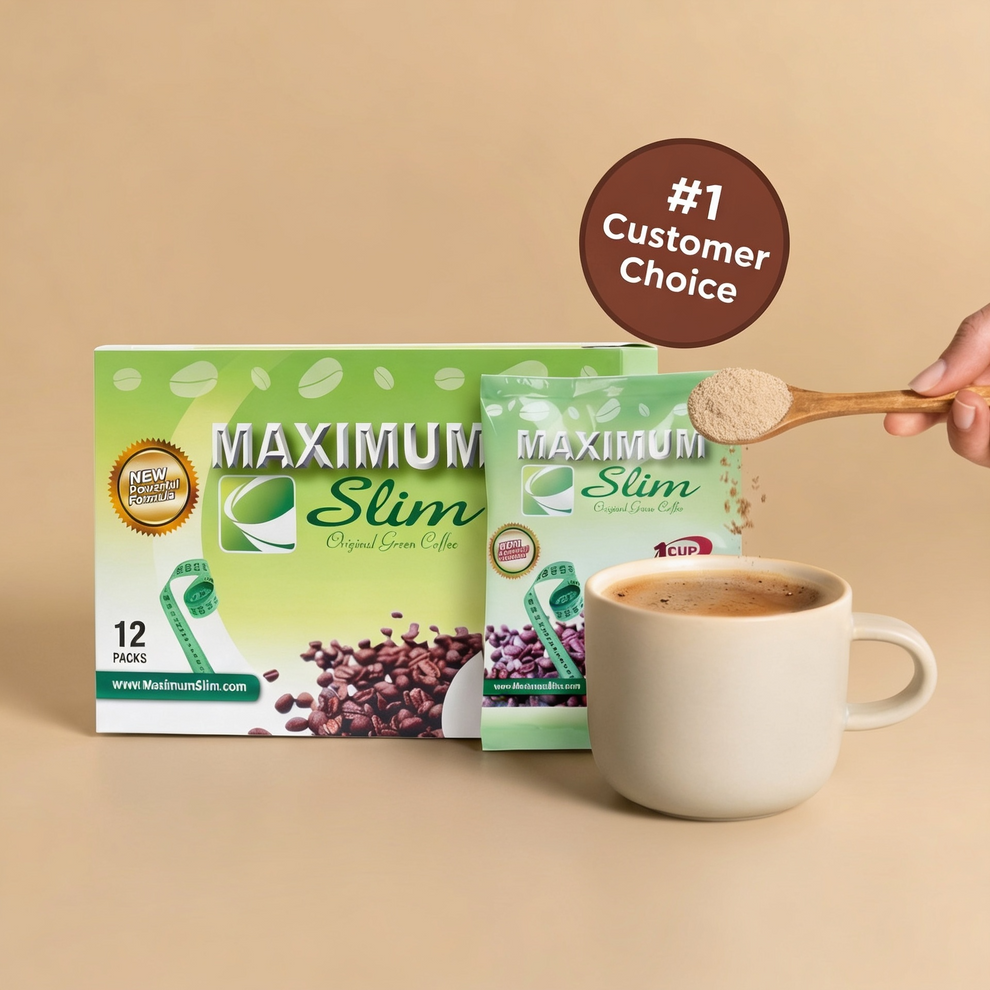
If you have ground coffee, you'll need a brewing method such as a drip machine, French press, pour-over, or another filter-based approach. The water needs enough contact with the grounds to pull out the desirable soluble compounds while leaving most of the solid material behind.
If you have instant coffee, you can add it directly to hot water and stir. No filter, grinder, brewer, or extraction time is required. That makes instant useful for offices, travel, camping, and rushed mornings, while ground coffee suits people who enjoy aroma, texture, and the brewing ritual.
The same distinction answers several common questions:
- Taste: Brewing ground coffee can create more aroma and body because the coffee is extracted at the moment you drink it.
- Caffeine: The amount varies by product and serving, but freshly brewed ground coffee commonly provides more caffeine than instant.
- Equipment: Ground coffee needs a brewing method. Instant coffee only needs water and a cup.
- Shelf identification: Words such as “ground,” “whole bean,” “instant,” and “soluble” usually tell you which type you're holding.
Ground coffee and instant coffee belong in the same broad coffee family, but they aren't interchangeable products.
How Each Coffee Is Actually Made
To understand why the two behave differently, follow each product from bean to cup.
Ground coffee has a relatively direct journey. Coffee begins as a green seed inside a coffee fruit. After processing and roasting, the roasted beans are crushed into particles. Those particles may be sold in a bag as ground coffee, or you may grind whole beans at home immediately before brewing.
Nothing about ordinary ground coffee turns it into a finished drink before it reaches your kitchen. The coffee hasn't been brewed, and its soluble compounds remain inside the ground bean material. Your brewing method supplies the water, contact time, and filtration needed to extract them.
Instant coffee follows a longer manufacturing route. The beans are roasted and ground, then brewed in an industrial process to create a concentrated coffee liquid. Manufacturers remove water from that liquid through spray-drying or freeze-drying, leaving a dry coffee extract that can dissolve when water is added again.

Why the historical timeline matters
Instant coffee isn't finely ground coffee with a clever name. It has its own manufacturing history. A British coffee compound patent appeared in 1771, and David Strang patented a widely cited successful soluble coffee powder in 1890 in Invercargill, New Zealand, under patent number 3518. Another milestone followed in 1901, when Japanese chemist Dr. Sartori Kato developed a stable soluble coffee powder in Chicago, as documented in this history of instant coffee.
Those milestones help explain why food labels treat instant coffee as a distinct product category. The manufacturer has transformed brewed coffee into a dry, soluble extract. Ground coffee, by contrast, remains crushed roasted bean material waiting for extraction.
For a clean-label shopper, this difference also affects what “coffee” means on an ingredient list. A plain ground coffee product contains roasted coffee in particle form. A plain instant product contains soluble coffee extract in powder or granule form. Flavored mixes may include additional ingredients, so the manufacturing format alone doesn't tell you whether a product is simple or highly formulated.
If you'd like to explore how instant coffee fits into a broader wellness routine, you can also review this organic instant coffee guide.
Taste, Strength, and Caffeine Differences
咖啡的製作方式,會直接反映在杯中。Ground coffee 在飲用前才完成萃取,因此只要咖啡豆、研磨粗細、水溫和沖煮方式配合得當,通常能呈現更完整的香氣、更有層次的風味,以及更明顯的口感。
Instant coffee 已經先被沖煮,再製成可溶解的咖啡萃取物,因此重點是速度與一致性。它可以順口,但風味通常較單純,有些產品也可能顯得較苦、較酸或較薄。品牌、烘焙程度、咖啡豆品質與沖泡比例都會改變結果,所以 instant 不代表難喝,只是呈現方式不同。
烘焙程度也會影響你對「濃」的感受。深烘焙常帶來較明顯的苦味、焦糖或烘烤氣息,容易讓人覺得味道更強,但這不等於咖啡因一定更多。淺烘焙可能保留較清楚的果香或酸質,ground coffee 透過沖煮能展現這些細節,instant coffee 則視產品的原料與製程而定,風味可能較集中或簡化。
咖啡因含量會隨品牌、份量與沖泡濃度改變。若咖啡因攝取時間對你很重要,能取得包裝標示時,應優先參考標示,不要只依靠「喝起來比較濃」來判斷。
Ground vs Instant Coffee at a Glance
| Attribute | Ground Coffee | Instant Coffee |
|---|---|---|
| What it is | Crushed roasted coffee beans | Brewed coffee extract that has been dehydrated |
| How it behaves in water | Needs extraction and won't dissolve completely | Dissolves directly in water |
| Preparation | Requires a brewer, filter, or another brewing method | Requires only water and stirring |
| Flavor experience | Often fuller-bodied and more aromatic when freshly brewed | Usually lighter and more straightforward, though quality varies |
| Best fit | Slow mornings, flavor-focused routines, brewing rituals | Travel, offices, rushed mornings, minimal equipment |
「強」可以指苦味明顯、味道集中、烘焙感突出,或咖啡因較高,這些感受並不相同。選擇時,先決定你要的是可調整的風味,還是快速完成的一杯。Ground coffee 提供更多萃取控制,instant coffee 則適合時間有限、設備簡單,或希望在忙碌日常中維持乾淨俐落流程的人。若想進一步比較兩者的咖啡因與沖泡差異,可參考這份 comparison of caffeine and preparation differences。
Why Ground Coffee Will Not Dissolve Like Instant
Stirring ground coffee into hot water doesn't recreate instant coffee because the grounds haven't been brewed and dried. They're still particles of roasted bean, including structural material that water can't make disappear.
Hot water can extract some flavor from grounds sitting in a mug, but it won't separate the drink cleanly from the solid material. The result is usually a mixture of weak extraction and floating or settled sediment. You may get some coffee flavor, but you'll also get grit at the bottom and a less predictable cup.
Instant coffee works differently because the manufacturer has already extracted the soluble coffee compounds. Drying removes the water while preserving a material designed to dissolve when water returns.

What happens in a mug
If you use ground coffee like instant, expect three practical problems:
- Sediment remains: The grounds settle at the bottom or float through the drink.
- Extraction is uneven: Water may contact some particles more than others, producing a weak or harsh taste.
- The cup lacks filtration: Without a paper filter, mesh filter, or press, the solid material stays in the mug.
Very fine grounds may appear to blend more easily, but appearance isn't the same as dissolution. The particles can remain suspended briefly and then settle, leaving residue behind.
A French press, pour-over cone, drip brewer, or reusable filter can make ground coffee practical with hot water, but each method still performs extraction and separation. None turns ground coffee into instant coffee. In a travel or emergency kit, pack instant if you need coffee that mixes directly into a cup. Pack ground coffee only if you also have a way to brew or filter it.
The same principle matters in recipes. Instant coffee can add soluble coffee flavor to a mixture without introducing gritty solids. Ground coffee may work when a recipe specifically accounts for brewing or straining, but it isn't a direct substitute.
For a visual explanation of why the two formats behave differently, watch the following short demonstration.
How to Identify Each Type on the Shelf
The front label usually answers the question before you open the package. Look for the product's intended state, not just the word “coffee.”
Start with the main product description
A bag marked “ground roasted coffee” contains crushed roasted beans that need brewing. A package marked “whole bean” contains roasted beans that need grinding before brewing. A jar or sachet labeled “instant coffee” or “soluble coffee” contains coffee designed to dissolve in water.
The texture provides a useful second check. Ground coffee looks like loose particles, with the exact coarseness depending on how it was prepared for brewing. Instant coffee may appear as a fine powder or as small, dry granules. Whole beans are visibly intact and need a grinder.

Read the ingredient list
For a clean-label routine, the ingredient list is more reliable than front-of-pack marketing language.
- Single-ingredient ground coffee: Look for roasted coffee or ground roasted coffee as the only ingredient.
- Single-ingredient instant coffee: Look for coffee extract or instant coffee as the only ingredient.
- Flavored sachets: Check for sweeteners, sugars, milk powders, creamers, flavorings, or other additions.
- Blended products: A product can combine instant coffee with finely ground coffee or other ingredients, so read the preparation instructions carefully.
“Barista-style” and similar marketing phrases don't automatically tell you whether the product is pure instant coffee. They describe an intended experience, not necessarily a simple ingredient list.
At home, keep the packaging after opening if the coffee format isn't obvious. A jar of granules that dissolve in water is instant. A bag of particles that require filtration or brewing is ground coffee. That small distinction prevents the most common preparation mistake.
Storage, Shelf Life, and Health Considerations
Ground coffee and instant coffee can both fit a balanced routine, but they behave differently after opening. Ground coffee exposes more coffee surface to air than whole beans, so its aroma and freshness can fade as it sits. Store it sealed in a cool, dry, dark place, and avoid repeatedly leaving the package open near heat or moisture.
Instant coffee has had much of its moisture removed during production. That makes it convenient to store for extended periods when the container stays sealed and dry. Once moisture enters the jar, granules may clump and the flavor can decline, so use a dry spoon and close the lid promptly.
Clean ingredients matter more than the format
Plain black coffee is a simple beverage whether it begins as brewed ground coffee or soluble instant coffee. The main label issue usually appears in flavored mixes, cappuccino sachets, and sweetened products, where sugar, creamer ingredients, or flavorings may be added.
If you follow a clean-label routine, compare the ingredient list rather than assuming one format is healthier. A plain instant coffee can be simpler than a flavored ground coffee product, while a plain ground coffee can offer a different sensory experience without needing added ingredients.
Coffee also contains naturally occurring plant compounds, including antioxidants, and consumer guidance commonly describes instant coffee as having similar antioxidant content to brewed coffee, as noted in this guide to instant coffee's everyday considerations. That doesn't make every coffee product identical, and it doesn't cancel out the importance of what you add to the cup.
Caffeine still deserves attention
The caffeine difference can matter if you experience jitters, sleep disruption, or sensitivity to stimulating drinks. People managing blood pressure or monitoring their caffeine intake should focus on their own response, serving habits, and healthcare guidance rather than treating instant or ground coffee as automatically suitable for everyone.
If coffee seems to cause digestive discomfort, preparation, acidity, milk, sweeteners, and individual tolerance may all be relevant. This discussion of coffee, bloating, and gas offers useful context, but persistent or severe symptoms deserve professional medical advice.
Choosing the Right Format for Your Routine
Which coffee format fits your routine better depends on the time, equipment, and control you want from each cup.
Choose instant for speed and portability
Instant coffee suits work drawers, hotel rooms, travel bags, and emergency kits because the soluble coffee mixes directly with water. No brewer, filter, or grounds remain behind. It works like a ready-to-use base: add water, then adjust the drink with milk or a sweetener if you choose.
Select plain instant coffee with a short ingredient list for a cleaner-label routine. A higher-quality soluble coffee can provide more flavor without requiring a sweetened sachet. Adding extras separately also lets you control what goes into the finished cup.
Choose ground for ritual and flavor control
Ground coffee fits a routine built around brewing. You can adjust grind size, water contact, brew strength, and mouthfeel, while methods such as a French press or pour-over create different cup profiles. The process takes more setup, but that extra control can matter when aroma and flavor are part of the morning.
A basic brewer is enough. You do not need elaborate equipment to make ground coffee part of a calm routine, provided the grind suits the brewing method.
Choose by ingredient list for wellness
A clean-label choice starts with the package, not the format name. Use this checklist:
- Identify whether the product is ground, whole bean, instant, or soluble.
- Read the ingredients for sugars, fillers, creamers, and flavorings.
- Match the format to your schedule and available equipment.
- Treat caffeine as a personal consideration rather than a health halo.
Serving habits matter, too. This guide to how much instant coffee to use per cup can help you approach preparation more deliberately. Consistency often makes the practical difference. A simple product prepared in a way that suits your routine is more useful than a complicated option you rarely use.
A Simple Way to Decide Between Ground and Instant
Use this one-line test:
Choose ground coffee when you want freshly brewed flavor and have time to extract it. Choose instant coffee when you want coffee quickly, with minimal equipment and cleanup.
Ground coffee is the better fit for a slow morning, a French press, a pour-over ritual, or anyone who enjoys adjusting the brewing process. Instant is the better fit for travel, office breaks, rushed starts, and situations where carrying a filter or brewer isn't realistic.
For a clean-label routine, the decision becomes even simpler. Look for plain products with a short ingredient list, whether the package contains grounds or soluble coffee. Avoid assuming that “instant” means unhealthy or that “ground” means automatically better. The product's ingredients, your caffeine tolerance, and the way you prepare it matter more than the format name alone.
Your practical decision: If it needs a filter, it isn't instant. If it dissolves directly in water, it is.
Ground coffee can't replace instant in a mug without leaving solid material behind, and instant can't reproduce every detail of a freshly extracted brew. Once you understand that difference, the coffee aisle becomes much easier to shop in. You're not choosing the universally correct product. You're choosing the form that matches your time, equipment, taste, and wellness priorities.
Maximum Health Products offers clean-label coffee and wellness options, including Original Green Coffee and Organic Espresso, for readers building a simple daily beverage routine. Visit Maximum Health Products to compare coffee, cocoa, tea, and nutrition products that fit your preferred approach.

