


You start the morning with good intentions: fruit, greens, and a blender. By midmorning, hunger returns, lunch becomes improvised, and the afternoon brings the familiar crash. The problem usually isn't that smoothies are unhealthy. It's that a drink gets treated as a complete meal without enough protein, fiber, fat, structure, or timing to make it satisfying.
A practical meal plan with smoothies uses the blender as a tool, not a diet loophole. The plan below focuses on balanced formulas, realistic meal windows, preparation, appetite control, and the mistakes that often lead to rebound eating.
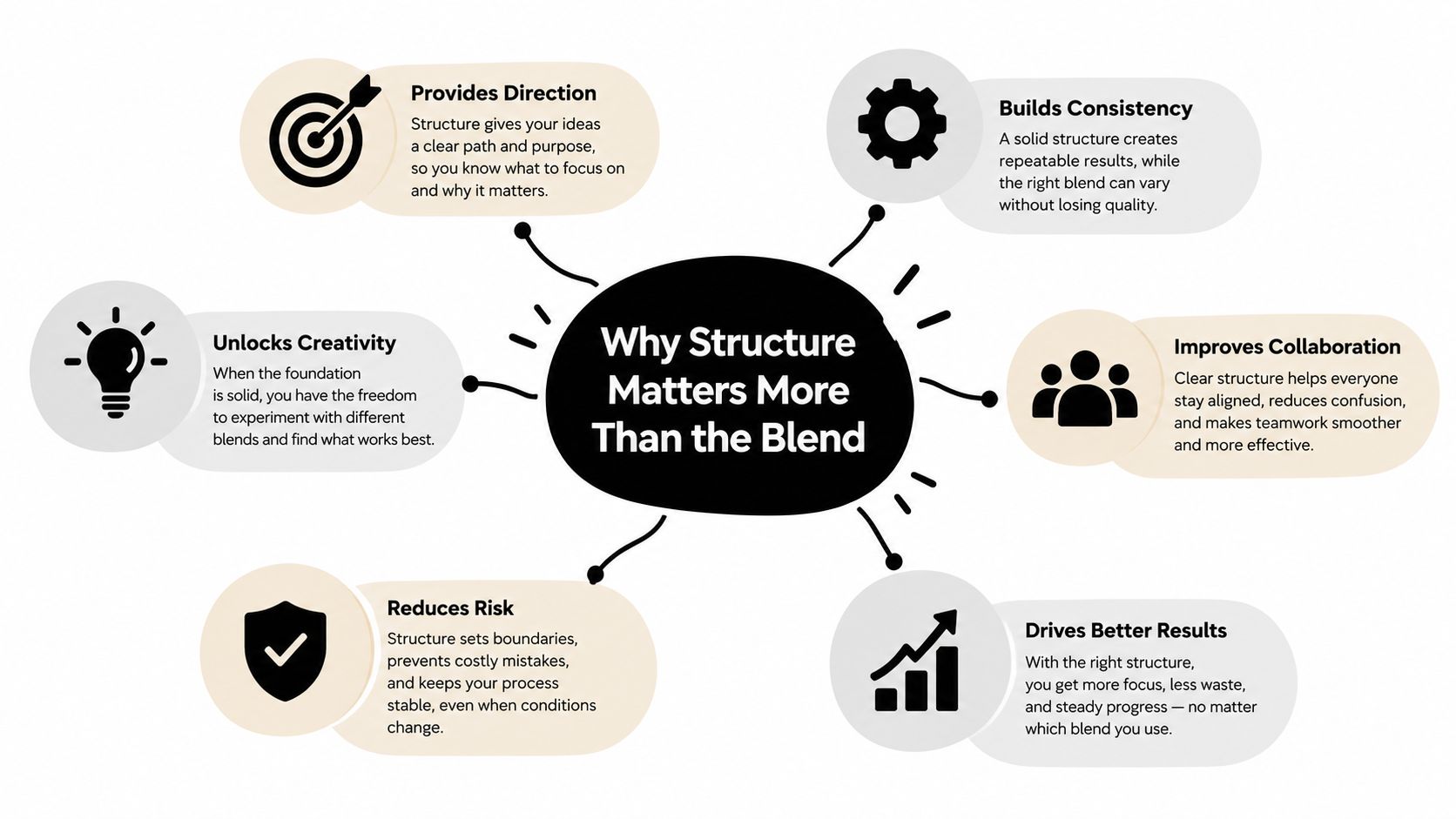
Why Structure Matters More Than the Blend
A smoothie can be a snack, a drink alongside breakfast, or a meal replacement. Those are different jobs. A snack smoothie might contain fruit and yogurt, while a meal replacement needs enough substance to stand in for a full meal. Confusing the two is one of the fastest ways to finish a large smoothie and still search for food soon afterward.
Start by assigning the smoothie to a consistent meal window. Breakfast works well for people who can blend before work. Lunch can suit anyone who needs a portable option. A post-exercise smoothie may be useful, but it shouldn't automatically replace a meal unless it contains a deliberate balance of nutrients.
Featured Product
Organic Protein Shake - Maximum Slim
is a delicious plant-based formula designed to support everyday nutrition and a balanced lifestyle. Each serving provides 20g of organic plant-based protein and 10g of organic fiber, making it a convenient option for smoothies, shakes, and meal replacement support.
Shop Now →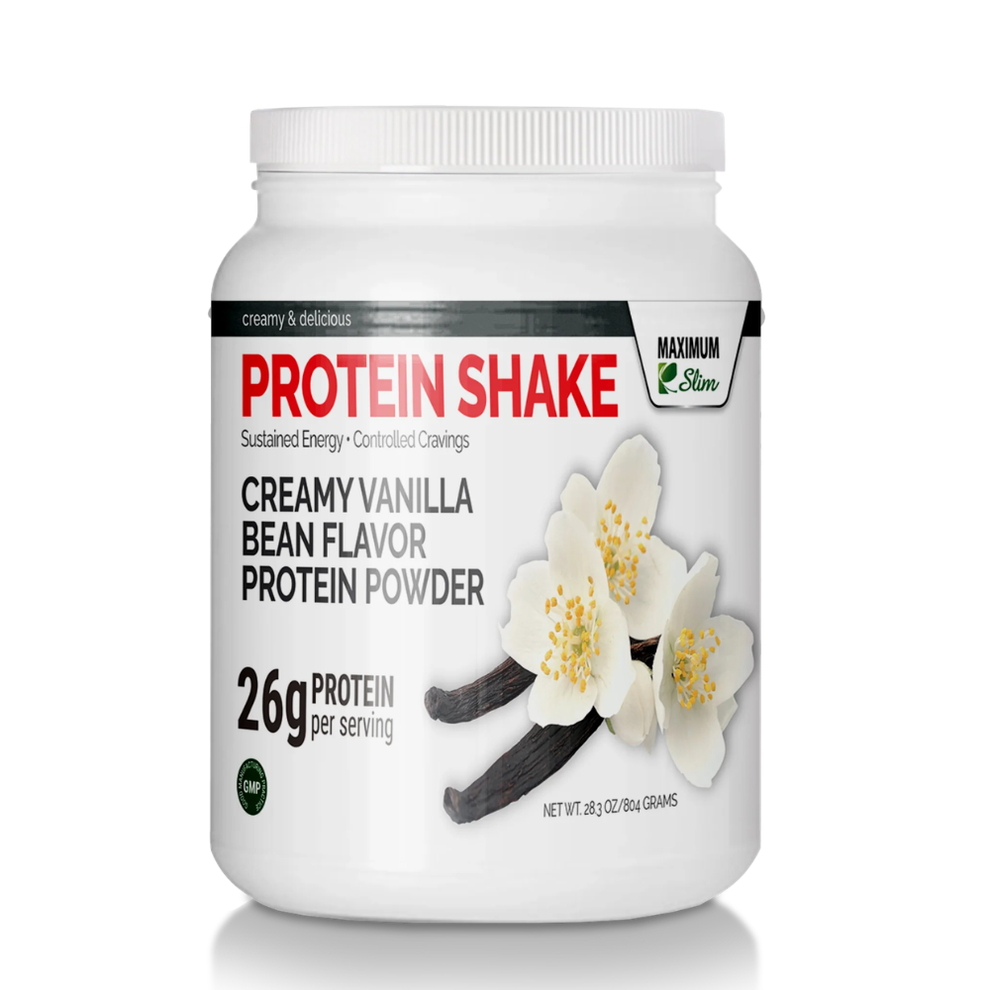
Your wider eating pattern matters too. Use a written weight-loss meal-planning framework to decide which meals are liquid, which remain solid, and where snacks fit. This prevents the common cycle of drinking a smoothie whenever hunger appears, then eating a second meal because the first one wasn't satisfying.
Use meal windows, not random blending
A simple daily rhythm might look like this:
- Breakfast window: A balanced smoothie with protein, fiber, and produce.
- Lunch window: Either a substantial smoothie or a solid meal, depending on hunger and schedule.
- Snack window: A smaller smoothie only when it fills a specific need.
- Evening meal: Usually solid food, with vegetables and a clear protein source.
Timing won't compensate for an unbalanced recipe, but it makes consistency easier. When you know which meal the smoothie replaces, you can prepare the right portion and avoid adding it on top of your usual intake.
Practical rule: A smoothie should replace a meal, not quietly become an extra meal.
Building a Balanced Smoothie Formula
Build every meal smoothie from four working parts: protein, produce, fiber-rich carbohydrates, and a modest source of fat. Liquid comes last because the amount determines whether the drink is spoon-thick and slow to consume or thin enough to disappear quickly.
Start with protein
Choose Greek yogurt, cottage cheese, unsweetened soy milk, tofu, or a protein powder that fits your dietary needs. Protein gives the smoothie a stronger meal identity and helps prevent a fruit-heavy drink from leaving you hungry. If you're using powder, review this guide to protein powder shakes for ideas on choosing and combining protein sources.
Add fiber and produce
Use leafy greens, cucumber, berries, an apple, or a modest amount of banana. Add oats, chia seeds, ground flaxseed, or a small portion of beans when appropriate for your digestion. The aim isn't to make the smoothie as large as possible. It's to combine ingredients that slow the meal down and give it texture.
Include fat deliberately
Nut butter, avocado, tahini, or seeds can improve flavor and make a smoothie more satisfying. Measure calorie-dense ingredients rather than pouring freely. A generous spoonful of nut butter can turn a sensible breakfast into a much larger drink without making it look different.
For liquid, use water, unsweetened dairy milk, unsweetened soy milk, or another unsweetened alternative. Fruit juice and sweetened plant milks add sweetness without improving the meal's structure. If you're working with apple and banana, these nutrition tips for apple banana smoothie recipes can help you keep the flavor balanced rather than relying on extra sweeteners.
A flexible formula looks like this:
| Component | Useful choices | Why it belongs |
|---|---|---|
| Protein | Yogurt, tofu, soy milk, protein powder | Supports meal-level fullness |
| Produce | Berries, spinach, cucumber, banana | Adds flavor and nutrients |
| Fiber | Oats, chia, flax, whole fruit | Gives texture and slows the drink |
| Fat | Nut butter, seeds, avocado | Adds staying power |
| Liquid | Water or unsweetened milk | Controls consistency and sweetness |
For exercise recovery, raise the protein contribution and include a carbohydrate source such as oats or banana. For a lighter breakfast, keep the portion moderate but don't remove protein. For sensitive digestion, blend thoroughly, use cooked ingredients where appropriate, and introduce higher-fiber additions gradually.
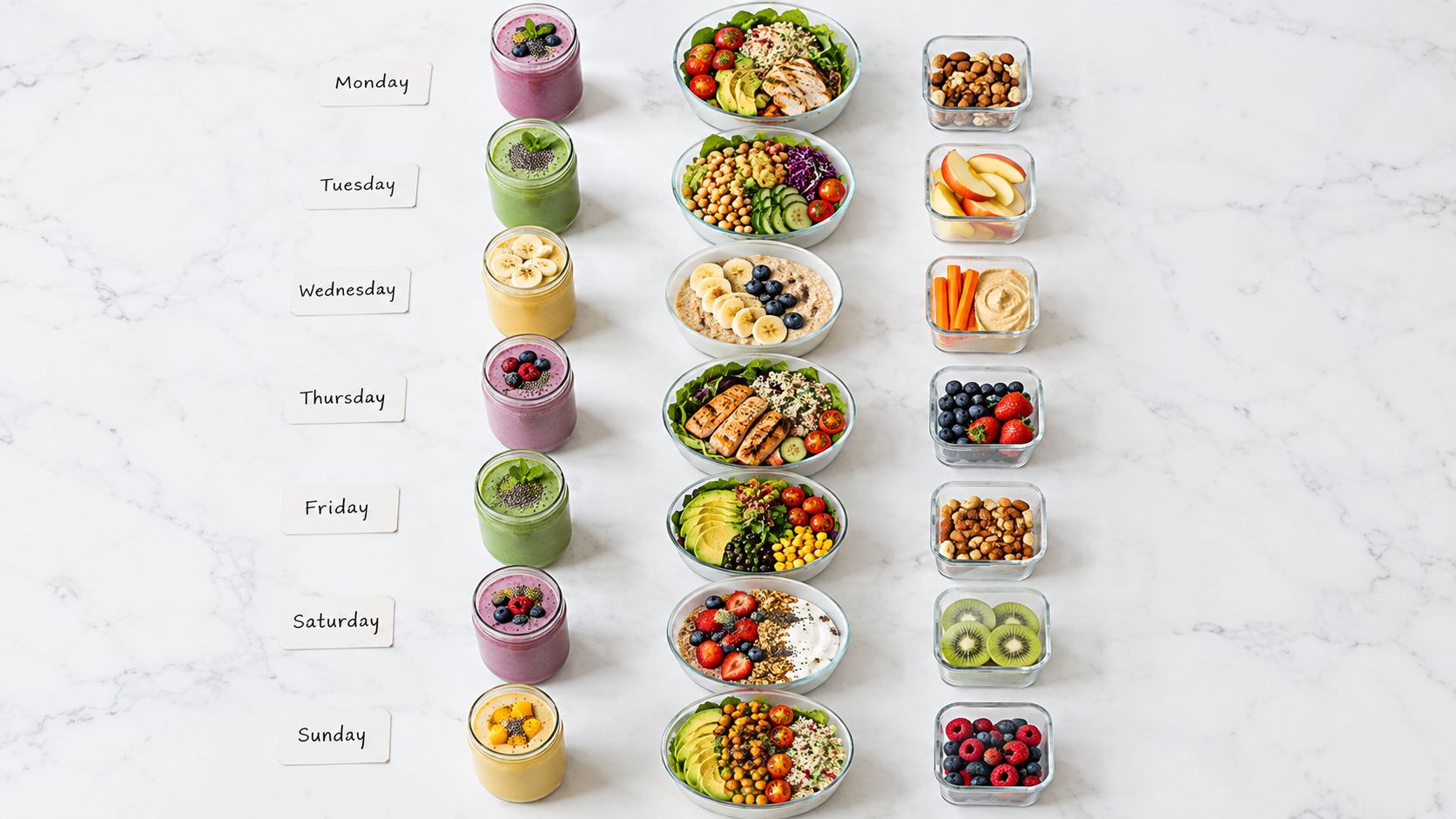
7-Day Meal Plan with Smoothies for Real Life
A usable week alternates liquid and solid meals rather than demanding a smoothie at every sitting. Prepare frozen fruit and greens in advance, then adjust the thickness and protein based on your hunger.
The weekly rhythm
- Day 1: Breakfast smoothie with spinach, berries, unsweetened soy milk, oats, and protein. Eat a solid lunch of chicken or tofu with vegetables and rice. Have fruit and yogurt only if an afternoon snack is needed.
- Day 2: Solid breakfast of eggs or tofu with whole-grain toast. Lunch smoothie with berries, yogurt, chia, and unsweetened milk. Eat a vegetable-based dinner with fish, potatoes, or legumes.
- Day 3: Banana, spinach, protein, flax, and cinnamon smoothie at breakfast. Have a lentil or chicken salad for lunch. Keep dinner solid and include a starchy carbohydrate.
- Day 4: Oat, berry, yogurt, and nut-butter smoothie after exercise or during the morning meal window. Eat a solid lunch with beans, vegetables, and a grain. Use a small fruit smoothie as an afternoon snack only if dinner is delayed.
- Day 5: Solid breakfast, then a substantial smoothie lunch with tofu or protein powder, cucumber, berries, oats, and seeds. Finish the day with a home-prepared dinner.
- Day 6: Smoothie bowl at breakfast, made thick enough to eat with a spoon and topped with seeds. Eat a solid lunch and dinner. This variation adds chewing and can feel more satisfying than a drink.
- Day 7: Use a simple breakfast smoothie with yogurt, berries, banana, and spinach. Make lunch a grain bowl with vegetables and a clear protein source. Keep dinner solid and review which meals kept you satisfied.
Blend the smoothie close to the time you'll drink it, especially when it contains dairy or a plant-based milk. For busy mornings, freeze individual packs of fruit and greens, store dry additions separately, and add the liquid and protein when blending.
If convenience matters more than blending every day, compare labels carefully when considering the best organic shakes for nutrition. Look for a product that functions as a meal rather than assuming every bottled shake has the same protein, fiber, or sugar profile.
A visual demonstration can help you refine texture and portioning. Use the video below as a practical reference, then adapt the ingredients to your own meal schedule.
What the Research Actually Says About Smoothie Plans
The strongest case for smoothies isn't that blended fruit has special weight-loss properties. It's that a structured meal replacement can make calorie control more predictable when it consistently replaces a meal.
In a 12-week clinical study, researchers enrolled 55 overweight or obese adults, with 28 completing the trial. Participants who completed the at-home calorie-restricted plan, which used a meal-replacement smoothie twice daily, lost an average of 13.81 pounds and reduced BMI by 2.22 kg/m². The modified intent-to-treat group lost 10.60 pounds and reduced BMI by 1.68 kg/m². These findings come from the clinical study of a smoothie-based meal-replacement plan, and they support consistent replacement, not unlimited smoothie drinking.
Appetite is more nuanced than liquid versus solid
A controlled comparison of a fruit smoothie and a cereal-based breakfast measured post-breakfast energy intake at 1,465 kJ versus 1,787 kJ, while the time to the next food or drink intake was 146 minutes versus 180 minutes. Neither difference was statistically significant, so the smoothie didn't worsen short-term hunger or clearly cause earlier eating. The smoothie breakfast research also discusses evidence that meal-replacement smoothies can be as filling as solid foods.
Longer-term evidence points in the same direction. A 2024 systematic review and meta-analysis found that meal-replacement programs reduced body weight by an average of 1.38 kg compared with conventional food-based weight-loss diets, with low between-study heterogeneity, I² = 4%. A review of 23 clinical trials found a 1.4 kg weight-loss advantage at one year, increasing to 2.2 kg when professional support was included and 3.9 kg against supported alternative diets. The meal-replacement review and meta-analysis makes the practical lesson clear: follow-up and coaching influence durability.
Smoothies work best when they simplify a calorie-controlled routine without weakening satiety or leaving the rest of the day unplanned.
Smart Grocery List and Prep System
A reliable smoothie routine starts with repeatable ingredients. Buy foods that can appear in several meals, not novelty powders and delicate produce that spoil before you use them.
Build the basket by function
- Protein: Greek yogurt, unsweetened soy milk, tofu, cottage cheese, and a suitable protein powder.
- Fiber and texture: Oats, chia, ground flaxseed, and nut or seed butter.
- Fruit: Frozen berries, apples, bananas, and other fruit you enjoy in controlled portions.
- Vegetables: Spinach, kale, cucumber, zucchini, and mild greens.
- Liquid bases: Water, unsweetened milk, or unsweetened plant-based alternatives.
- Flavor: Cinnamon, ginger, cocoa, lemon, vanilla, and fresh herbs.
Frozen berries and greens reduce waste and make weekday preparation easier. Fresh bananas, apples, and cucumbers are useful when you want more texture or plan to eat part of the produce outside the blender.
Prepare in a short cycle
Wash fresh produce as soon as you get home. Portion fruit and greens into freezer containers, label combinations by flavor, and keep protein and dry ingredients in a separate cupboard. In the morning, add one prepared pack, the liquid, the protein source, and the measured fiber or fat.
Keep a few solid meal components ready too. Cooked grains, boiled eggs, washed salad vegetables, tofu, canned fish, and plain yogurt give you alternatives when a smoothie doesn't suit your appetite. The smoothie meal-prep guide can help you turn this into a repeatable kitchen system rather than a daily decision.
Common Mistakes That Undermine Your Results
The most common failure is an oversized smoothie that looks nutritious but fails to replace a meal or a calorie target. Commercial drinks and oversized homemade versions can become calorie-dense, sometimes exceeding 1,000 calories, as noted in this smoothie nutrition guidance.
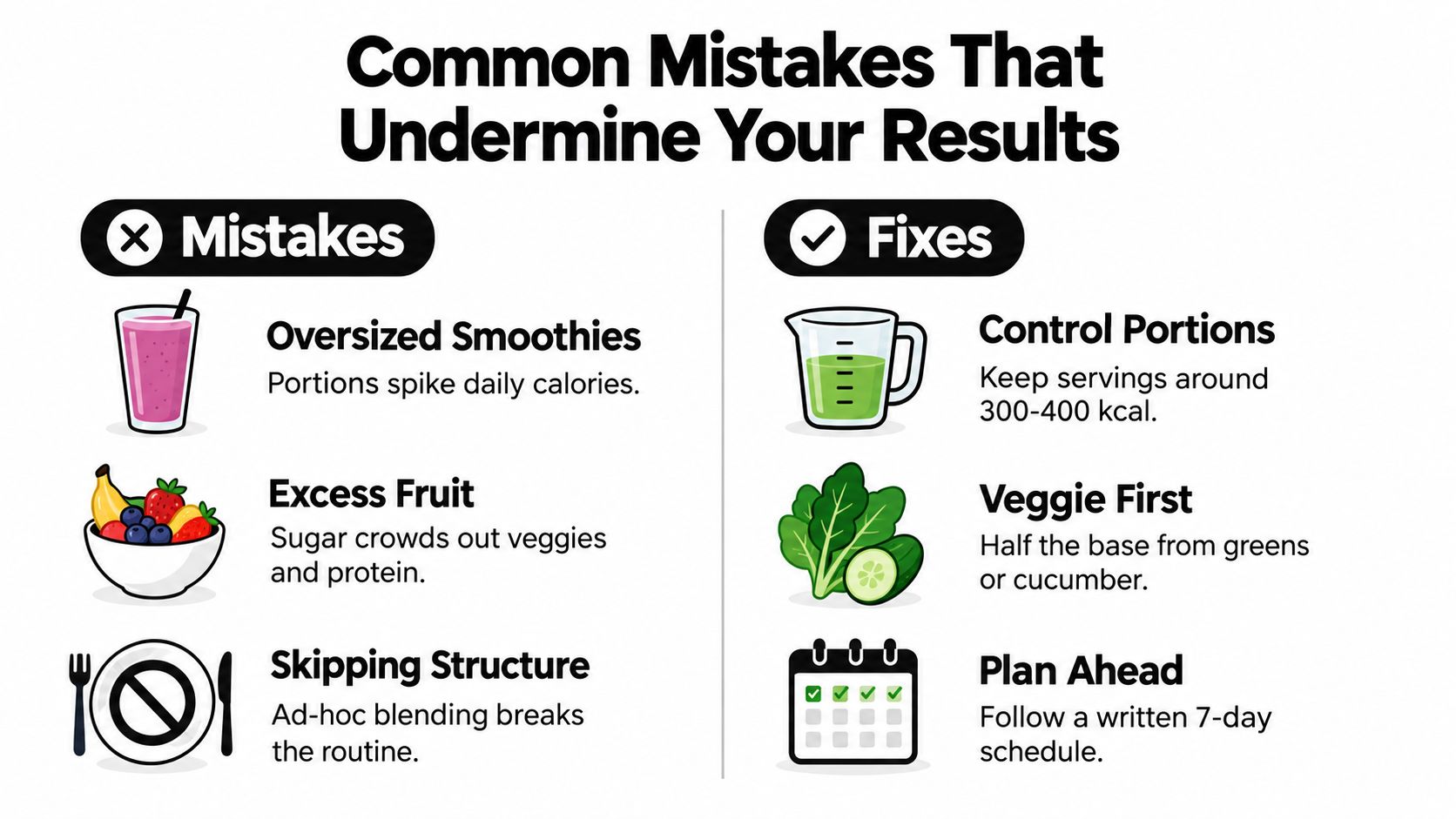
Correct the problem at its source:
- Too much fruit: Keep fruit as part of the formula, not the whole formula. Add greens, protein, and fiber before increasing sweetness.
- Liquid sugar: Skip juice, syrups, and sweetened milk. Use water or an unsweetened base, then adjust flavor with cinnamon or cocoa.
- Protein gets forgotten: A smoothie without a meaningful protein source often behaves like a drinkable snack. Add yogurt, tofu, soy milk, or protein powder.
- The smoothie gets added on top: Decide which meal it replaces. If it supplements a meal, make it smaller and count it as a snack.
- Constant sipping: Recent UK guidance recommends consuming smoothies at mealtimes to reduce dental risk. Finish the smoothie with the meal rather than carrying it around for prolonged sipping.
- No chewing anywhere: Keep at least some meals solid so your routine includes texture, variety, and foods that require a slower eating pace.
The plan also fails when hunger signals get ignored. If you consistently feel ravenous later, increase meal structure first, then review protein, fiber, portion size, and timing instead of blaming willpower.
Tailoring the Plan to Your Specific Goals
A smoothie plan should fit your work hours, training schedule, appetite, and digestion. An early-shift worker may need breakfast at home, while someone training in the evening may do better with a smoothie after exercise. The same high-fiber blend can also feel comfortable for one person and cause bloating for another.
For steadier energy
Build each smoothie around fruit plus protein, fiber, and fat. Choose berries and greens more often than juice, and use oats or seeds to add texture and staying power. Drink it during a defined meal window. If energy drops before lunch, make breakfast more substantial instead of adding another sweet drink.
For gradual weight loss
Replace one predictable meal first. Keep the rest of the day centered on satisfying solid foods, then assess whether the smoothie replaces food or just adds calories. If progress stalls, review the liquid base, nut butter, sweeteners, and serving size before removing nutritious ingredients. A prepared smoothie mix or protein shake from Maximum Health Products can serve as one convenient ingredient, provided it still meets the protein and sweetness targets above.
For easier digestion
Blend thoroughly, use fewer ingredients, and change one variable at a time. Cooked greens, peeled fruit, strained yogurt, or a simpler protein base may suit you better than a dense mix of raw produce, seeds, and powders. Persistent digestive symptoms, unexplained weight change, or a medical condition call for individualized advice from a qualified clinician.
Build the first week around one consistent smoothie meal, two or three repeatable recipes, and solid meals that keep you satisfied. Give the smoothie a defined role in the day, then adjust portion size, ingredients, or timing based on hunger and comfort. If it routinely leaves you ravenous later, strengthen the meal structure before blaming willpower.

