


Most advice about mushroom coffee for weight loss starts in the wrong place. It asks whether the mushrooms “burn fat,” as if the answer lives in one exotic ingredient.
A better question is simpler. Does this drink help you lower total calorie intake without making your routine harder to sustain? That's the standard that matters in practice.
The evidence points in that direction, not toward metabolic magic. Independent health reporting notes that mushroom coffee is usually very low in calories, and one example product had 2 calories per serving according to Lose It's review of mushroom coffee and weight loss. That makes it potentially useful if it replaces a sweet latte, flavored creamer-heavy coffee, or even a snack-driven afternoon slump. But major medical reviewers also stress that there's very little human research on medicinal mushrooms in coffee itself, and that claims about faster metabolism or direct fat burning aren't backed by well-designed human trials.
That changes how you should judge the product category. Mushroom coffee isn't best understood as a fat-loss supplement. It's better understood as a behavior tool. If it helps you swap a high-calorie habit for a low-calorie one, sleep better because it's gentler than your usual coffee, or avoid the jitter-crash-snack cycle, then it may support weight loss indirectly.
That idea lines up with the broader principle behind any guide to effective weight loss. The lasting drivers are usually calorie intake, habit design, and consistency, not one “superfood” claim.
The Real Story Behind Mushroom Coffee and Weight Loss
The strongest claim for mushroom coffee for weight loss is also the least glamorous. It may help because of what it replaces.
That's not marketing language. It's a practical nutrition point. If your usual order is sweet, creamy, or large enough to function like a small dessert, switching to a low-calorie mushroom coffee lowers the energy cost of that daily ritual. In nutrition science, that's often more meaningful than adding a trendy compound to an already calorie-dense routine.
The substitution effect matters more than the hype
Weight loss doesn't require every item in your diet to “boost metabolism.” It requires a pattern that lowers intake enough, often gently and repeatedly, to create progress over time.
Mushroom coffee fits that pattern best when it does one of these jobs:
- Replaces a sugary coffee drink that had become a daily calorie source
- Turns an afternoon craving into a beverage break rather than a snack run
- Makes caffeine easier to tolerate for people who overshoot with regular coffee and then compensate with food later
Practical rule: If a product only helps when you imagine special metabolic powers, it's probably overrated. If it helps by making a high-calorie habit easier to replace, that's a real mechanism.
Featured Product
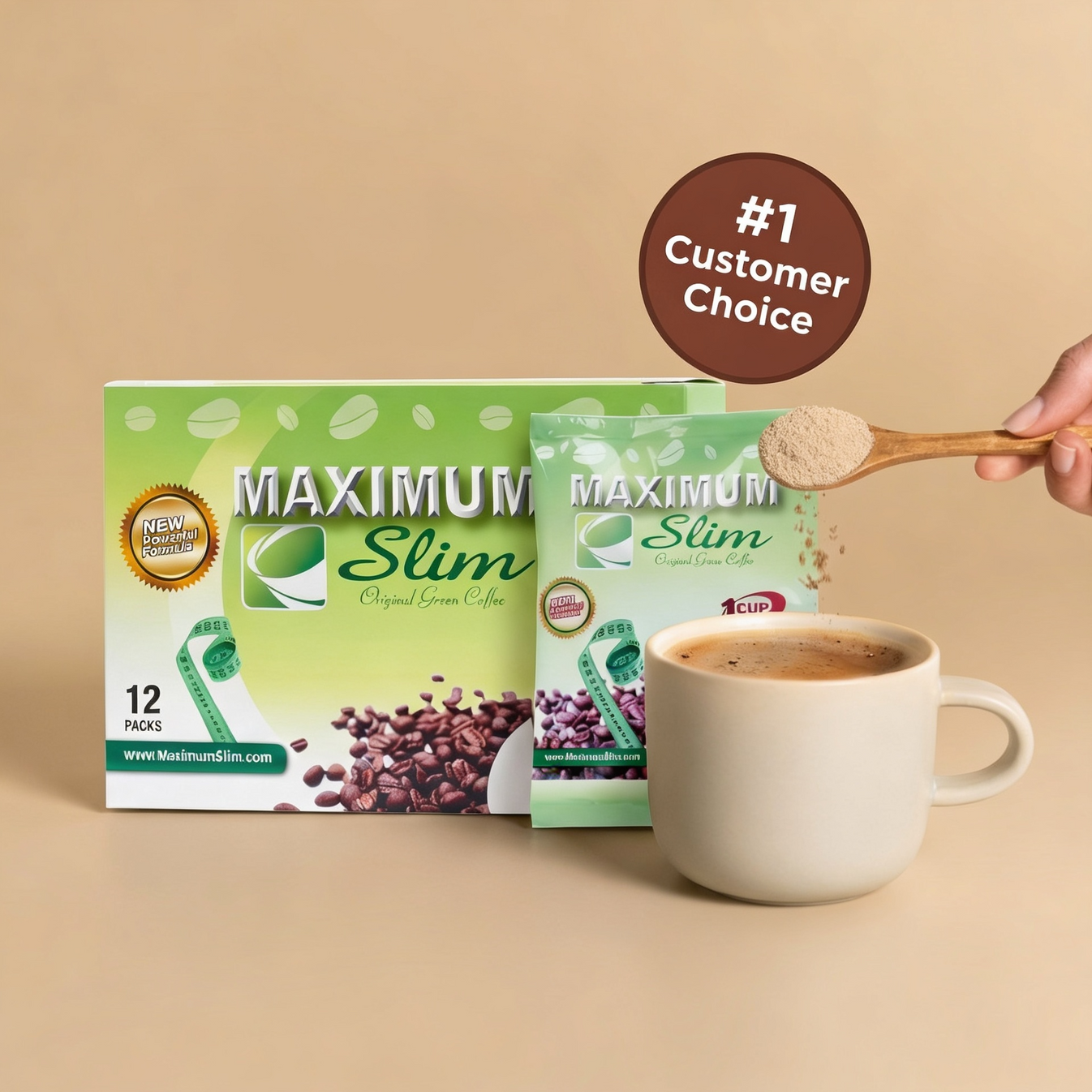
Maximum Slim Original Green Coffee | Premium Unroasted Arabica Blend (12 Ct)
Discover a delicious daily coffee crafted to complement your wellness routine. Enjoy one cup a day as part of a balanced lifestyle.
Shop Now →Why the fat-burning story is weak
The problem with much of the marketing is that it jumps from “mushrooms contain interesting compounds” to “this coffee helps you lose fat.” Those are not the same claim.
Medical reviewers have been fairly consistent on this point. The human evidence on mushroom coffee itself is limited. That means any confident claim that the beverage directly speeds fat loss goes beyond what the current research can support.
A useful analogy is swapping a padded office chair for a standing desk mat. The mat doesn't automatically make someone fit. But if it changes behavior in a way that reduces long stretches of sitting, it can still matter. Mushroom coffee works the same way. The useful effect is often structural, not biochemical.
What readers usually miss
Many people compare mushroom coffee to supplements. A better comparison is to habit architecture.
The question isn't, “Does it melt fat?” The sharper question is, “Can this become my default drink in moments where I'd otherwise consume more calories, more caffeine than I handle well, or both?” If the answer is yes, then mushroom coffee may earn a place in a weight-loss plan. If not, it's just another expensive pantry item.
What Exactly Is Mushroom Coffee
Despite the name, mushroom coffee isn't coffee brewed from portobellos or button mushrooms. It's typically regular coffee blended with extracts from medicinal mushrooms such as Lion's Mane, Reishi, or Chaga.
Think of it as regular coffee with a wellness add-on pack. The coffee still does much of the sensory work. The mushroom extracts are layered in for a different functional profile.

What's actually in the cup
Most blends include two broad parts:
-
Coffee component
This supplies the familiar roasted flavor and at least some caffeine. -
Mushroom extract component
This usually comes from concentrated extracts rather than chunks of whole mushrooms. Common names on labels include Lion's Mane, Reishi, Chaga, and sometimes Cordyceps.
The ingredient list matters because “mushroom coffee” can mean very different products. Some are mostly coffee with a small amount of mushroom extract. Others lean harder into the mushroom side and taste more earthy.
If you want a primer on the caffeine side of the category, this overview of whether mushroom coffee has caffeine is helpful because it frames the product as a blend rather than a separate beverage species.
Why people call these mushrooms functional
The term functional mushrooms means they're used for proposed benefits beyond basic nutrition. You'll often see them discussed in the same breath as “adaptogens,” a term people use for substances thought to help the body handle stress more smoothly.
That language can get fuzzy fast, so it helps to stay concrete:
- Lion's Mane is commonly marketed for focus and mental clarity.
- Reishi is often positioned around stress and calm.
- Chaga is usually presented as a wellness or resilience ingredient.
Those are category-level themes, not proof that a cup of mushroom coffee will produce measurable weight loss.
Mushroom coffee makes more sense when you think of it as a modified coffee experience, not a standalone weight-loss intervention.
Where the weight-loss interest really comes from
For body-weight goals, the most plausible appeal isn't hidden in the mushroom names. It's in the drink's overall profile. One product example had 2 calories per serving, and that's why substitution is the strongest practical explanation for any benefit according to Lose It's analysis of mushroom coffee for weight loss.
So if someone asks, “What is mushroom coffee?” the most useful answer is this: it's a lower-caffeine, usually low-calorie coffee blend with medicinal mushroom extracts, sold for function more than flavor novelty.
That distinction matters because it keeps expectations realistic. You're not buying a cup of fat loss. You're buying a version of coffee that may fit a more deliberate daily routine.
How Its Ingredients Are Linked to Weight Management
The ingredient story behind mushroom coffee for weight loss is appealing because it sounds mechanistic. One mushroom may be linked to focus. Another is framed around stress. Another is sold as an energy support ingredient. Put them together with coffee and you get a tidy wellness narrative.
The science is messier. Harvard Health notes that human clinical trials on medicinal mushrooms are scarce, and that findings from test tubes or animals may not translate to people drinking mushroom coffee because rigorous trials on the beverage itself are lacking in its review of whether mushroom coffee is worth trying.

The ingredient claims that sound strongest
Here's how the common mushrooms are usually linked to weight-management goals.
-
Lion's Mane and food decisions
Lion's Mane is often marketed for mental clarity. In theory, sharper focus could support more intentional eating. That's plausible as a behavior pathway, but it isn't the same as showing that mushroom coffee reduces calorie intake in humans. -
Reishi and stress-related eating
Reishi is often placed in the “calmer energy” category. The logic is that lower stress may reduce stress-driven eating. That's a reasonable hypothesis, especially for people whose caffeine habits worsen anxiety, but it remains indirect. -
Chaga and metabolic wellness narratives
Chaga often appears in product messaging that leans on wellness and resilience. For weight management, those claims stay speculative unless they translate into a measurable behavior change or clinical outcome.
Why this still attracts serious interest
Indirect pathways matter in nutrition. A food or drink doesn't need to “burn fat” to affect body weight. If it helps someone sleep more consistently, snack less under pressure, or stop chasing energy swings all afternoon, that can matter.
That's why adjacent topics like gut comfort, blood sugar steadiness, and satiety draw so much attention. If you're interested in those broader metabolic pathways, this article on unlocking metabolism with prebiotics is a useful companion because it shows how subtle, system-level effects can influence eating behavior without resorting to miracle claims.
The key scientific limitation
The biggest mistake is treating ingredient theory as proof of product performance.
A mushroom blend in a coffee sachet is not the same thing as a purified compound studied under controlled conditions. Dose, extraction method, companion ingredients, and even how often someone drinks it all matter. That's why you should separate possible mechanisms from demonstrated outcomes.
A similar caution applies to other coffee-adjacent products sold for body-weight goals. This overview of green coffee bean extract benefits is helpful because it shows how easily coffee-based products get marketed ahead of the evidence.
Ingredient stories are hypotheses. Weight-loss results require human outcomes, not just clever explanations.
A more rigorous way to think about the blend
If you're evaluating mushroom coffee as a scientist would, ask three questions:
| Question | Why it matters |
|---|---|
| Does the ingredient have a plausible behavioral pathway? | Focus, stress tolerance, and smoother energy could affect eating habits |
| Has that pathway been shown in humans drinking this beverage? | This is where the evidence is limited |
| Would the drink still help if the mushroom compounds did very little? | If the answer is yes because it replaces a higher-calorie habit, the product may still be useful |
That last question is the smartest filter. It keeps you from overpaying for a mechanism that may never have been the main reason the drink worked for you.
Mushroom Coffee vs Regular Coffee for Your Goals
For individuals, the practical decision isn't whether mushroom coffee is “good” in the abstract. It's whether it serves their goals better than regular coffee.
The main difference with the strongest relevance to appetite and body-weight habits is caffeine exposure. Medical reviews note that mushroom coffee typically contains less caffeine than regular coffee, which may mean fewer jitters and less sleep disruption, and those effects can indirectly shape appetite and eating behavior according to WebMD's review of mushroom coffee health benefits.

The meaningful differences
If you tolerate regular coffee well, drink it mostly black, and sleep fine, mushroom coffee may not change much. But if your usual pattern includes over-caffeination, afternoon shakiness, or a need to soften every cup with sweeteners and cream, the balance shifts.
Some readers also compare product categories before buying. If you're sorting through blend styles and positioning, this comparison of Everyday Dose vs RYZE gives a sense of how brands frame their coffee-plus-function pitch.
Mushroom Coffee vs. Regular Coffee Key Differences
| Feature | Mushroom Coffee (Typical) | Regular Coffee (Typical) |
|---|---|---|
| Caffeine | Usually lower | Usually higher |
| Calorie profile when prepared plain | Often very low | Also low when black |
| Likelihood of jitters for sensitive users | Often lower | Can be higher |
| Sleep disruption risk for sensitive users | Often lower | Can be higher |
| Weight-loss value | Best as a substitution tool | Best if you already drink it plain and tolerate it well |
Which drink fits which person
Choose mushroom coffee if these sound familiar:
- You snack after caffeine crashes and want a gentler drink routine
- You rely on sweet coffee drinks and need a lower-calorie replacement that still feels like a treat
- You're caffeine-sensitive and want to protect sleep without dropping coffee entirely
Regular coffee may be the better choice if:
- You already drink it black and don't struggle with jitters or poor sleep
- You want the stronger stimulant effect for alertness
- You don't enjoy earthy blends, which matters because compliance depends on taste more than marketing
The better coffee for weight loss is the one you'll actually drink in a lower-calorie form without triggering the habits that push intake back up later.
There's no universal winner. For some people, regular coffee is already a lean, effective routine. For others, mushroom coffee is a smarter format because it reduces friction around caffeine, cravings, or both.
How to Use Mushroom Coffee in a Weight Loss Plan
The most useful way to use mushroom coffee for weight loss is straightforward. Treat it as a low-calorie replacement for a higher-calorie habit, not as a stand-alone fat-loss strategy.
A serving can contain about 1 total carb, 0.4 g protein, and 0 g fat according to Virta Health's nutrition summary for mushroom coffee. That profile tells you what this beverage is good at. It doesn't add much nutritionally, but it can lower the calorie load of your routine if it displaces drinks or snacks that cost more.

The best use cases
Mushroom coffee works best when you assign it a job.
-
Morning swap
Replace a sweetened café-style drink with a plain or lightly customized mushroom coffee. -
Afternoon bridge
Use it in the time window when you'd normally drift toward grazing, vending-machine food, or energy-drink logic. -
Routine anchor
Build it into a repeatable cue. A consistent beverage ritual can reduce decision fatigue, and that matters more than people think.
How to keep the drink from defeating the goal
The biggest trap is turning a low-calorie beverage into a dessert in a mug. The more extras you pour in, the less useful the substitution becomes.
Use simple guardrails:
-
Keep the base plain first
Try the product on its own before adding anything. Many people never learn whether they like a blend because they immediately bury it under sweetener. -
Add flavor without stacking calories
Cinnamon, ice, or a small amount of unsweetened milk can help if the earthy note is too strong. -
Use it instead of something
The replacement is the mechanism. If you drink mushroom coffee and still order the pastry or sugary latte, you've added a ritual rather than improved one.
If mushroom coffee enters your day without displacing another source of calories, it may change your beverage lineup without changing your body-weight trajectory.
Timing matters less than context
People often ask whether mushroom coffee should be used pre-workout, during a fast, or in the afternoon. The answer depends less on a universal schedule and more on your weak points.
If late-day regular coffee disrupts sleep, a lower-caffeine option may fit better there. If mornings are where sweet drinks creep in, use it then. If your appetite gets messy after stress and fatigue build up, the afternoon may be the smart slot.
For another example of using beverages strategically rather than magically, this guide to the best green tea for fat loss results is useful because it emphasizes preparation and habit fit over fantasy claims.
A short visual walkthrough can help if you want ideas for using the drink consistently:
A practical weekly test
Instead of asking whether mushroom coffee “works,” test whether it improves one behavior for one week.
| Habit target | What to track |
|---|---|
| Replacing sweet coffee drinks | Whether you made the swap consistently |
| Reducing snack-driven afternoons | Whether cravings felt easier to manage |
| Protecting sleep from late caffeine | Whether evening restlessness dropped |
| Simplifying calorie control | Whether the routine felt easier, not harder |
That's a better experiment than stepping on the scale after a few days and expecting the beverage to reveal a hidden metabolic power.
Potential Side Effects and Who Should Be Cautious
A safety-first view is essential here because mushroom coffee is often marketed as if “natural” means broadly risk-free. It doesn't.
Some mushroom ingredients, including reishi and chaga, may lower blood pressure and blood sugar, which can create issues for people taking related medications according to GoodRx's review of mushroom coffee safety and benefits. That doesn't mean everyone should avoid the drink. It means the risk profile changes if you already manage those systems medically.
People who should pause before trying it
These groups deserve extra caution:
-
People on blood pressure or blood sugar medication
If a blend includes reishi or chaga, the interaction question is real enough to discuss with a clinician. -
People with IBS or FODMAP sensitivity
Mushroom extract can trigger gas or bloating in some users. If your gut is already reactive, a daily mushroom drink may not be the easy upgrade the label suggests. -
Pregnant or nursing individuals
Safety data are insufficient, so caution is the responsible default.
Tolerability matters for adherence
Even when a product is technically safe, it still has to be tolerable enough to become routine. A beverage that causes bloating, digestive discomfort, or low-grade nausea won't support weight loss for long because people stop using it, or they compensate by changing the rest of the diet in unhelpful ways.
That's one reason lower caffeine isn't automatically the whole story. Some people do feel better on gentler stimulant exposure. Others discover that the mushroom side of the blend, not the coffee side, is what bothers them.
A product can be promising on paper and still be wrong for your body. Tolerance decides whether a habit lasts.
If you want to try mushroom coffee, start gradually. Read the ingredient list, avoid stacking it with other “functional” supplements at the same time, and pay attention to digestion, lightheadedness, and how you feel around meals. Subtle effects are still effects.
Frequently Asked Questions About Mushroom Coffee
Will mushroom coffee break my fast
That depends on how strict your fasting approach is and what you add to the cup. Plain mushroom coffee is often very low in calories, so some people use it during fasting windows. But if your goal is a strict fast, even very low-calorie beverages may not fit your rules. If you add milk, sweetener, or creamers, the answer shifts further away from fasting.
Can I add milk or sweetener and still use it for weight loss
Yes, but the key is whether the drink stays clearly lower in calories than what it replaced. A small amount of unsweetened milk is very different from turning the cup into a flavored café-style beverage. The benefit comes from preserving the substitution effect.
What does mushroom coffee taste like
Most blends still taste more like coffee than like mushrooms. The usual difference is an earthier, softer flavor profile. Some people find that pleasant and smoother. Others miss the sharper edge of regular coffee.
How long does it take to see results
You probably won't “feel” fat loss from the drink itself. What you may notice first is a habit shift. Less reliance on sugary coffee drinks, fewer caffeine-related jitters, or a smoother afternoon routine can show up before body-weight changes do. The timeline depends on whether the drink changes your total routine, not on the beverage acting like a shortcut.
Is mushroom coffee better than black coffee
Not automatically. If you already drink black coffee, tolerate caffeine well, and sleep well, black coffee may already serve your goals. Mushroom coffee becomes more interesting when it helps solve a specific problem, such as overshooting caffeine, relying on sweet add-ins, or wanting a gentler ritual you can sustain.
If you're building a cleaner daily routine around energy, appetite, and weight support, Maximum Health Products offers science-backed wellness options across coffee, tea, metabolism support, protein, and supplements. Their approach is simple: clean-label formulas, targeted benefits, and practical products that can fit into real habits instead of hype.

