


It's 3 p.m. and the familiar slump hits. Your focus is fading, and that project deadline is looming. It's tempting to grab that brightly colored can promising wings, but you know the pattern. You get a short buzz, then the jittery dip, the sweet aftertaste, and the feeling that you've borrowed energy instead of built it.
If you're ready to break that loop, natural alternatives to energy drinks can do more than keep you awake. The right option can support steadier focus, cleaner ingredients, and a routine you can stick with. Some rely on naturally occurring caffeine. Others work better because they address hydration, nutrient gaps, or stress load, which are often part of the fatigue problem in the first place.
One overlooked point matters here. Some fatigue has less to do with needing more stimulant and more to do with basic recovery and hydration. If you want a broader strategy, this guide on effective fatigue management is a useful companion.
Let's get to the products worth considering.
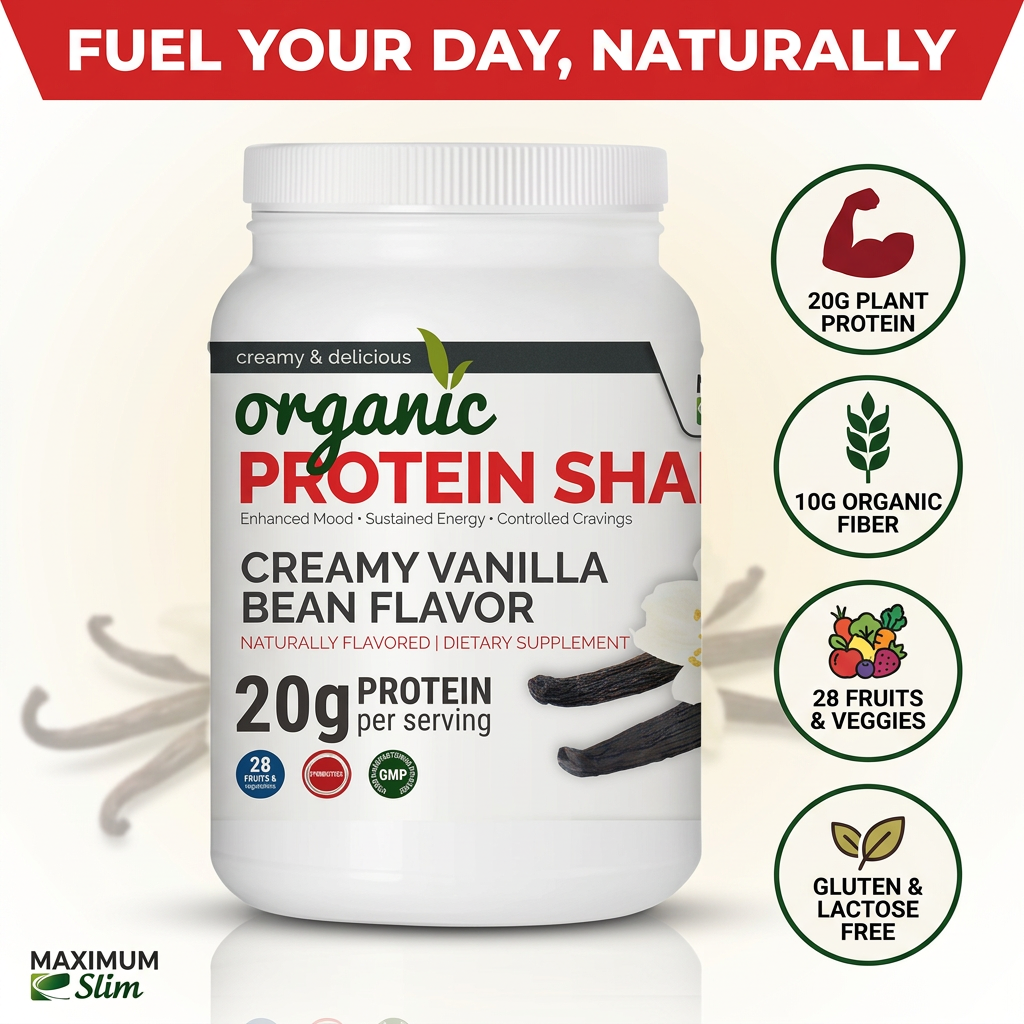
Featured Product
Maximum Slim Original Classic Cocoa (30 Ct)
Maximum Slim Organic Protein Powder delivers 20g of organic plant-based protein and 10g of organic fiber per serving to support balanced nutrition and everyday wellness. Perfect for smoothies, shakes, or meal replacement support.
Shop Now →1. Clean Energy & Focus collection
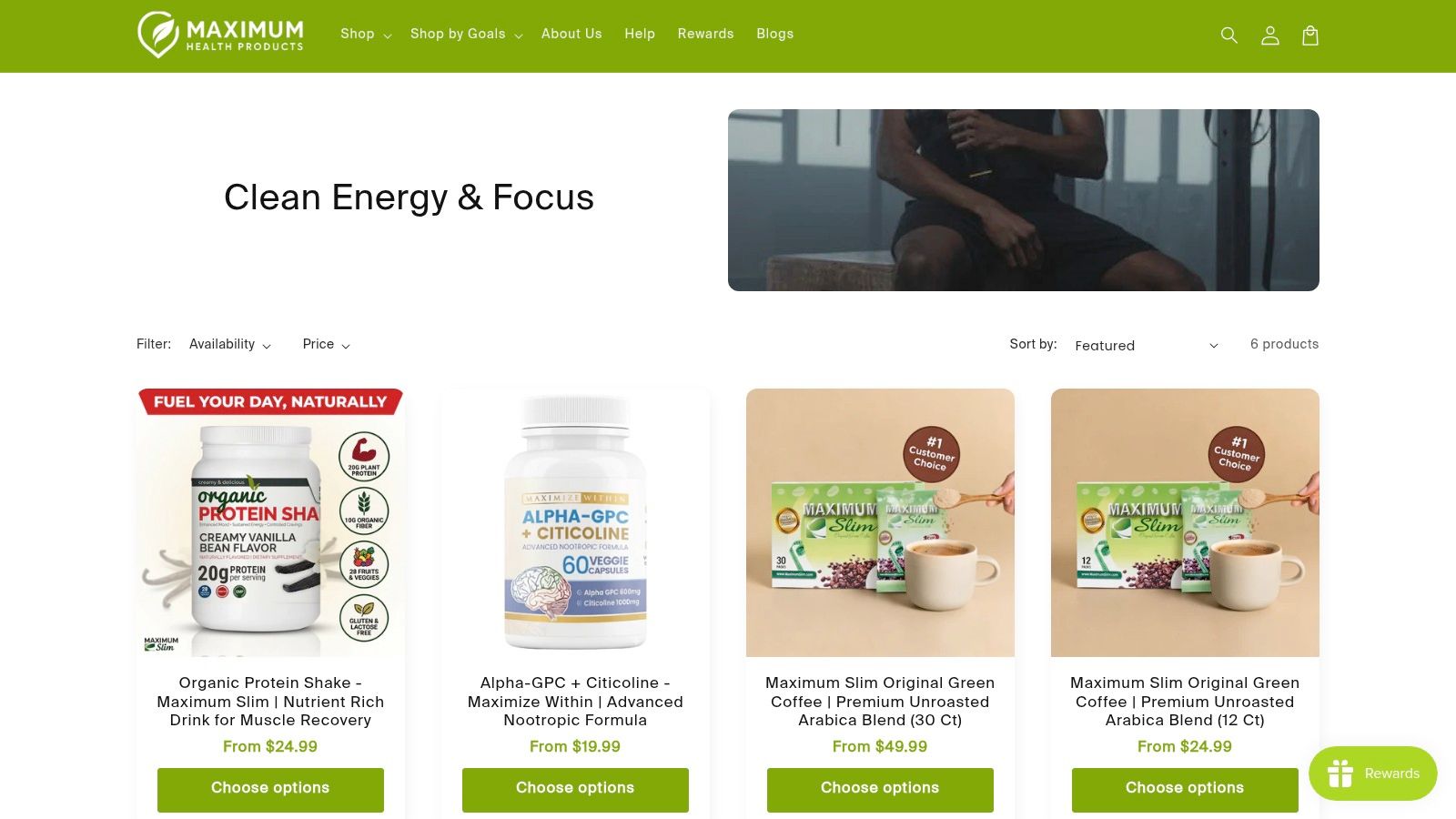
Maximum Health Products' Clean Energy & Focus collection makes the strongest case for people who don't want a single replacement drink. They want a system. This is the core advantage. Instead of forcing everyone into one format, the collection gives you teas, cocoa blends, powders, protein options, and targeted cognitive support so you can match the product to the moment.
That matters in practice. A pre-workout need is different from a 2 p.m. concentration dip, and both are different from wanting a morning ritual that won't leave you edgy. This collection is built for that kind of real-life rotation.
Why it works better than a one-size-fits-all swap
The formulas follow a strict clean-label standard. There are no preservatives, artificial colors or flavors, added sugars, soy, gluten, fillers, or animal products. If you've ever switched from energy drinks only to end up with a “health” product that still reads like a chemistry set, that's a meaningful difference.
The line also includes more targeted support than most beverage brands offer. If you want a broader view of how these kinds of ingredients fit into a daily stack, Maximum Health Products has a useful explainer on natural energy and focus supplements.
Practical rule: If your energy needs change through the day, buy a collection with different formats, not one giant tub you'll get tired of by week two.
A few shopper details also stand out. Maximum Health Products offers fast 2 to 3 day shipping, a 60-day money-back guarantee, and thousands of verified 4.9/5 reviews from over 100,000 customers. That doesn't tell you which formula you'll personally like best, but it does lower the risk of trying a cleaner routine.
Best fit and trade-offs
Here's where I'd place it:
- Best for flexible routines: You can stack a tea in the morning, use a cocoa blend later, and reserve a cognitive formula for heavy-focus work.
- Best for clean-label shoppers: Ingredient standards are tighter than what you'll usually see in mass-market “energy” products.
- Less ideal for instant-jolt seekers: If you want the aggressive kick of a sugary can, this won't mimic that experience.
The only real downside is the same one that comes with most premium wellness products. Clean formulations usually cost more per serving than convenience-store energy drinks. And some options are built for steady support, not a dramatic first-sip rush.
2. Yerba Madre

If you want something that still feels like grabbing a can, Yerba Madre is one of the easiest upgrades. It keeps the convenience of a ready-to-drink product but shifts the energy source toward yerba mate, which many people find smoother than standard energy drinks.
The lineup is broad. You can buy canned options in unsweetened, sweetened, lower-calorie, and sparkling styles, or skip the can entirely and brew loose-leaf or tea bags at home. That range matters because a lot of people don't want to quit the ritual of cracking open a cold drink. They just want a better version of it.
Where yerba mate stands out
This category has real consumer momentum. According to Nutritional Outlook's coverage of Innova Market Insights and Mintel, guarana appeared in 25% of new energy product launches as of October 2015, and Mintel estimated that 30% of energy drink users had transitioned to natural energy drinks and shots, reflecting a broader move toward plant-based alternatives reported in this natural botanicals market overview.
Yerba mate fits that shift well because it feels familiar enough for energy drink users, but less synthetic in character.
Some people do best with a product that feels like a lateral move, not a total lifestyle makeover. Yerba mate is often that bridge.
What to know before buying
- Best for convenience: The canned formats are easy to keep in a work fridge or gym bag.
- Best for gradual transition: It's a practical step if coffee feels too harsh and herbal drinks feel too light.
- Main downside: Cans cost more than brewing your own loose-leaf at home, and rebrands sometimes change flavor expectations.
If taste consistency is your top priority, sample a few flavors before committing to a larger order.
3. Tenzo
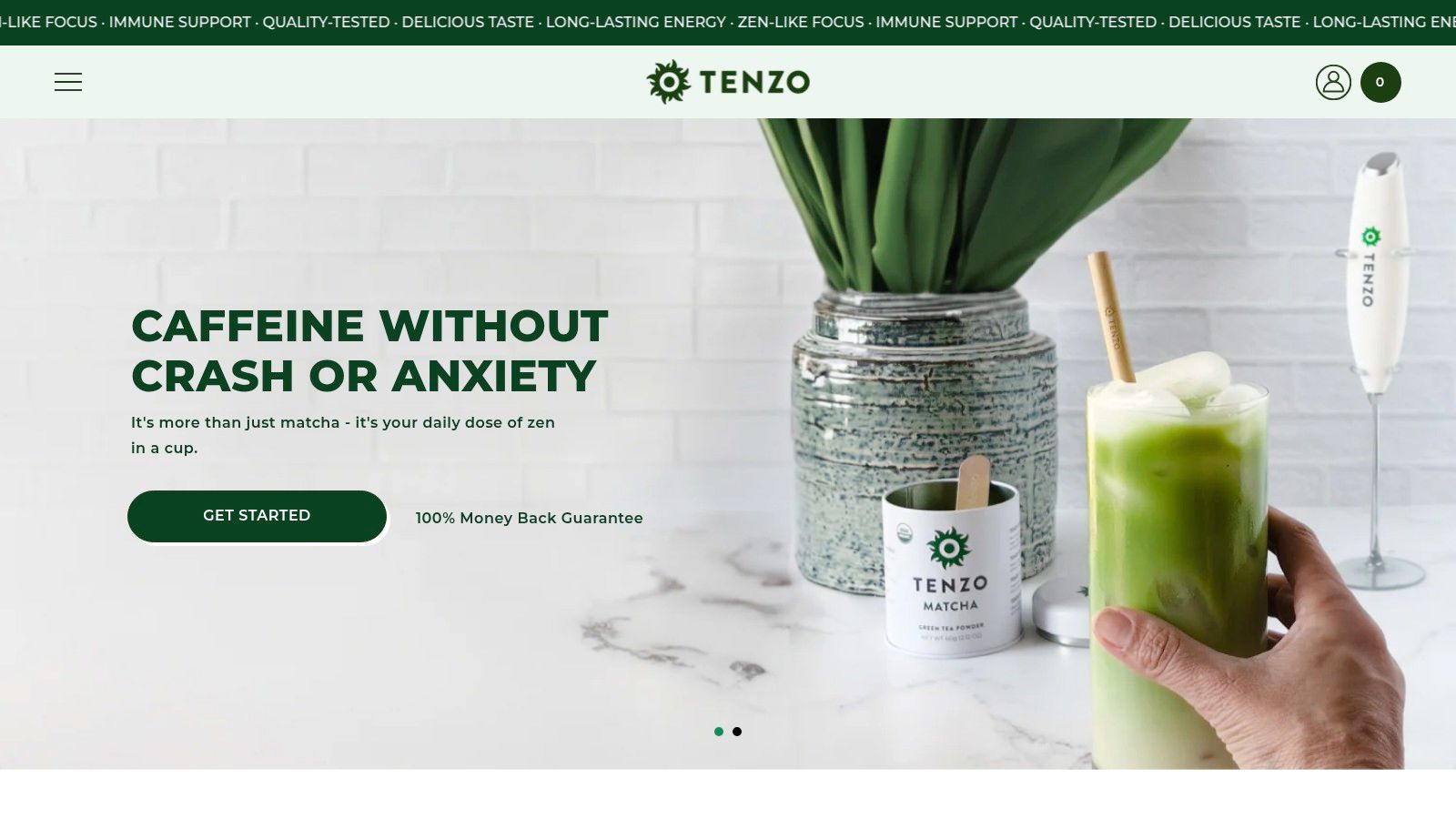
Matcha is one of the best natural alternatives to energy drinks if your main goal is calm concentration. Tenzo does a good job making matcha approachable instead of overly precious. That's important, because many people like the idea of matcha but never develop the habit once they hit confusing grades, gear, and tea jargon.
Tenzo keeps the entry point simple with single-serve sticks, bulk pouches, and starter kits. You can whisk it traditionally, shake it into iced water, or blend it into a latte. That flexibility gives it an edge over products that only work one way.
Best use case for matcha
I usually recommend matcha to people who are trying to work better, not just stay awake. The experience tends to feel more composed than a standard energy drink. It's also easy to control. You can make it light for a mid-morning lift or richer for the start of your workday.
If you're deciding between matcha and coffee, this guide on matcha caffeine vs coffee is worth reading before you buy.
Black tea is another useful comparison point. Frontier Co-op notes that black tea contains 64 to 112 mg of natural caffeine per 8-ounce serving and positions tea as a natural alternative to commercial energy beverages in its guide to alternatives to energy drinks. That's a reminder that tea-based energy can still be meaningful without feeling extreme.
Pros and limitations
- Strongest advantage: Matcha works hot, iced, plain, or in a latte, so it adapts well to different routines.
- Good for beginners: Single-serve sticks remove most of the friction.
- Trade-off: If you're chasing the deepest ceremonial flavor and texture, you may eventually want a pricier tin from a more specialized tea house.
For those making the switch, though, Tenzo hits the sweet spot between quality and usability.
4. Four Sigmatic
Four Sigmatic is the product I usually point to when someone says, “I still want coffee, I just want it to behave better.” It blends coffee with functional mushrooms like lion's mane and chaga, and it comes in grounds, instant mixes, and pods. That makes it easy to swap into an existing coffee setup without changing your whole kitchen routine.
This is a key distinction. Many “energy alternatives” fail because they demand too much behavior change all at once. Four Sigmatic succeeds when you want an upgrade, not a reinvention.
Who it's best for
Coffee drinkers who feel wired by their second cup often like this category. The flavor still reads as coffee first, which isn't true for every mushroom product on the market.
If you're wondering how much caffeine these blends usually contain compared with regular coffee, Maximum Health Products has a plain-language article on whether mushroom coffee has caffeine. And if lion's mane is the main appeal for you, these mycology insights on Lion's Mane offer a useful background read.
Reality check: Mushroom coffee isn't magic. The best versions help some people smooth out their coffee habit. They don't replace sleep, meals, or hydration.
The trade-offs
The biggest pro is convenience. You keep a familiar morning ritual and add ingredients aimed at focus support. The main caution is formula transparency. If you care about exact mushroom extract details, read labels closely because not every brand presents that information with the same clarity.
It also costs more than plain coffee. That doesn't make it a bad buy. It just means it works best for people who value the convenience of an all-in-one blend over building their own routine from separate products.
5. MUD/WTR
MUD/WTR takes a different route. It doesn't try to be coffee with a twist. It's a low-caffeine drink built around masala chai, cacao, and functional mushrooms, and it tastes like it. That honesty is part of its appeal.
If you've tried to quit energy drinks by switching straight to black coffee, you may have found the result too sharp and not much healthier for your nervous system. MUD/WTR works better for people who want a calmer ritual and are willing to let the flavor profile be its own thing.
What daily use actually looks like
This is one of the better options for afternoon work blocks. It's warm, grounding, and less likely to tip into overstimulation than a second coffee or a can from the vending machine. The brand also offers multiple blends, including an evening option, which helps if you like the ritual of a prepared drink even when caffeine isn't the goal.
That broader approach lines up with a useful but often missed point. Peak Performance argues that many people chasing “energy” are really dealing with root-cause issues like hydration, electrolyte imbalance, or broader metabolic fatigue in its discussion of natural alternatives to energy drinks. That's one reason lower-stimulus products can work surprisingly well.
The honest downside
- Best for ritual: Great if you want a morning or afternoon cup that feels slower and more intentional.
- Best for caffeine-sensitive users: The lower-caffeine positioning is the point.
- Main drawback: If you want it to taste like coffee, you'll probably be disappointed.
This is a category where expectation management matters more than hype. Treat it like a spiced cacao-chai alternative, not a coffee clone.
6. Clevr Blends
Clevr Blends sits in the convenience-first lane. Its SuperLattes are built for people who want a fast, flavored, café-style drink without pulling out multiple ingredients. You add water, stir, and you're done. For busy mornings, that's not a small benefit.
The formulas combine matcha, coffee, or chai with plant-based creamer and adaptogens. That built-in creamer makes the experience more complete than many powdered alternatives, especially if you don't want to keep milk or alt-milk around at work.
When it's worth the premium
Clevr makes the most sense for people who are replacing a purchased latte habit, not for people comparing it with a bare-bones homemade drink. In that context, the convenience is part of the value. It's also useful for travel, office drawers, and anyone who tends to skip better options because they require too much assembly.
The market trend supports why products like this keep expanding. Grand View Research says the global healthy energy drinks market reached $4.2 billion in 2023 and notes that canned healthy energy drinks held a 57.9% revenue share that year, reflecting demand for portable, convenient formats, while organic healthy energy drinks are projected to grow at a 7.0% CAGR through 2030 in its healthy energy drinks market report. Convenience still drives behavior. The cleaner brands that win usually make healthy choices easier, not harder.
What to watch for
- Biggest strength: Fast prep with a latte-like texture and taste.
- Good fit for: People who miss the comfort factor of creamy coffeehouse drinks.
- Weak point: Per serving, it's pricier than making your own matcha or coffee drink from scratch.
Some flavors also use non-sugar sweeteners, so ingredient-sensitive shoppers should check the label before ordering.
7. Nuun Energy
Late afternoon often looks the same. You feel flat, your water bottle is still half full, and a full-strength canned energy drink sounds like too much. Nuun Energy fits that exact gap better than many products in this category because it gives you a moderate caffeine lift in a format that also gets you to drink water.
Nuun Energy comes as an effervescent tablet you drop into water. The formula uses caffeine from organic green tea, along with electrolytes, B-vitamins, and Panax ginseng. For people trying to move away from oversized, very sweet energy drinks, that measured setup is often easier to use consistently.
I recommend this type of product most often for people whose energy dips are mixed with mild dehydration. That includes commuters who forget to drink water, gym-goers training in heat, and office workers who realize at 3 p.m. that they have had coffee but almost no fluids. In those cases, a hydration-first option can feel cleaner and more stable than chasing another high-caffeine can.
One practical advantage is dose control. A single tablet is moderate enough for many adults, and half a tablet can work if you are caffeine-sensitive or stacking it with a morning coffee. That flexibility matters. A lot of conventional energy drinks start strong and leave little room to adjust.
The trade-off is clear too. Nuun is more functional than indulgent. The flavor is lighter than a typical canned energy drink, which some people will appreciate and others will find underwhelming. Ingredient-conscious shoppers should also read the label closely, especially if they prefer to avoid dextrose or natural flavors.
Best use case and limitation
Nuun Energy makes the most sense on active days, during travel, in hot weather, or on afternoons when low fluids are probably part of the problem. It is also one of the easier swaps to keep in a desk drawer, backpack, or carry-on because the tablets take up almost no space.
Its limitation is that it does not deliver the big sensory hit some energy drink fans expect. If you want a bold taste, a creamy texture, or a ritual drink you sip slowly, one of the earlier options in this guide will likely be more satisfying. If you want portable, controlled energy that nudges you to hydrate, Nuun is a smart buy.
7 Natural Energy Alternatives Comparison
| Product | 🔄 Implementation complexity | ⚡ Resource requirements | ⭐ Key advantages | 📊 Expected outcomes | 💡 Ideal use cases |
|---|---|---|---|---|---|
| Clean Energy & Focus collection | Low–Medium: ready-to-use formats; some stacking/regular use | Moderate: premium per‑serving pricing; no special tools | Clean‑label, clinically informed formulas; sustained jitter‑free focus | Sustained mental energy and clarity with consistent use; reduced spike/crash | Pre‑workout boosts, mid‑afternoon productivity, long study/work sessions |
| Yerba Madre (formerly Guayakí) | Low: RTD cans or simple brewing | Low–Moderate: buy cans or loose leaf; widely retailed | Natural caffeine + L‑theanine and polyphenols; sustainable sourcing | Gentler, longer‑lasting stimulation versus typical energy drinks | On‑the‑go lift, tea ritual, retail availability for convenience |
| Tenzo (matcha) | Low: single‑serve sticks or bulk pouches; simple prep | Low: affordable organic matcha options; needs hot water/frother | Steady caffeine + L‑theanine profile; competitive pricing | Clean, sustained focus; versatile for lattes or plain tea | Daily matcha ritual, portable work/study boost, quick lattes |
| Four Sigmatic (mushroom coffee) | Low: brewed like coffee; instant and pod options | Moderate: higher cost than plain coffee; subscriptions available | Coffee + functional mushrooms (lion's mane/chaga) for steadier focus | Reduced jitters and potentially improved cognitive steadiness | Coffee drinkers seeking functional benefits at home or office |
| MUD/WTR | Low–Medium: powder ritual differs from coffee; simple prep | Moderate: DTC pricing and starter kits; repeat purchase model | Low‑caffeine base with mushrooms and spices; multiple blends incl. caffeine‑free | Calmer, sustained focus suitable for caffeine‑sensitive users | Afternoon focus, evening caffeine‑free options, community buyers |
| Clevr Blends (SuperLattes) | Very low: instant just‑add‑water latte powders | Moderate: higher per‑serving cost; includes plant‑based creamer | Fast barista‑style lattes with adaptogens and built‑in creamer | Quick, calmer energy and convenient latte experience at home | Busy mornings, travel, users wanting instant barista‑style drinks |
| Nuun Energy | Very low: dissolve tablet in water | Low: inexpensive tubes; customizable dosing (½–1 tablet) | Hydration + measured caffeine (80 mg) + electrolytes and B‑vitamins | Gentle, measured lift with hydration; low sugar vs energy drinks | Gym/training, travel, mild energy needs while maintaining hydration |
How to Choose Your Natural Energy Ritual
Switching from a high-sugar energy drink to a natural alternative isn't just a product swap. It's a routine upgrade. The best choice depends on what you're trying to fix. If you want a calmer morning lift, matcha is usually the cleanest place to start. If you need a coffee replacement, mushroom blends or low-caffeine chai-cacao products make more sense. If your slump often follows workouts, travel, or long stretches without water, an electrolyte-based option may help more than another stimulant.
The mistake I see most often is buying the “healthiest” product on paper instead of the one that fits daily life. A loose-leaf tea might be excellent, but if you'll never brew it on a busy Tuesday afternoon, it isn't your answer. Convenience matters. So does taste. So does whether you want your replacement to feel like a ritual, a can, a latte, or a hydration tool.
A simple way to test natural alternatives to energy drinks is to pick one category and use it consistently for a week. Don't change five things at once. If you start with Tenzo, use it at the same time each morning. If you choose Nuun Energy, reserve it for workouts or your usual afternoon dip. If you go with Maximum Health Products' collection, match one format to one use case and evaluate that specific fit.
Pay attention to three signals. First, how steady your energy feels two to three hours later. Second, whether your focus improves or just your stimulation. Third, whether you enjoy the product enough to keep buying it.
The best natural energy ritual is the one you'll repeat without effort. When that happens, you stop chasing a spike and start building a more reliable baseline. That's the win. Better focus, fewer crashes, and a routine that supports your health instead of taxing it.
If you want one place to build a cleaner energy routine, Maximum Health Products is a strong place to start. Its Energy & Focus options make it easier to replace sugary cans with teas, powders, cocoa blends, and targeted cognitive support that fit real daily use.

