


Most natural weight loss drinks are sold like shortcuts, but the evidence usually points somewhere far less dramatic. A drink can help you cut calories, feel fuller before a meal, or make a routine easier to keep, yet that is different from making fat disappear on command.
That distinction matters because marketing blurs it on purpose. A label may imply a beverage is a fat burner, while the clinical research behind many drink claims is much narrower, usually tied to beverage replacement, satiety, or a small metabolic nudge rather than rapid weight loss.
Why Most Weight Loss Drink Claims Miss the Mark
The biggest problem with drink marketing is that it treats every helpful beverage like a metabolism hack. That framing sounds exciting, but it skips the basic question, does the drink lower total intake, or is it only described that way because it contains a trendy ingredient?
Water is a good example. Its value comes mainly from replacing sugary beverages and helping people feel less hungry before meals, not from any flashy detox effect. CDC guidance notes that a 12-ounce sugary drink can carry a meaningful calorie load, and a major medical review reported that swapping sweetened soft drinks for water can cut enough calories each day to matter in routine weight management WebMD on drinks and weight management.
What the marketing leaves out
A lot of wellness copy also leans on ingredients that sound active, even when the direct weight-loss effect is limited. Green tea has real trial data, but the effect is modest, not dramatic. A review of 14 studies found that high-concentration green tea over 12 weeks led to an average additional loss of 0.44 to 7.7 pounds (0.2 to 3.5 kg) compared with non-drinkers, and later coverage of a network meta-analysis associated green tea with about 1.23 kg greater loss than placebo Healthline review of weight-loss drinks.
Practical rule: If a drink only works when it replaces a higher-calorie beverage, that is still useful, but it is not the same as a strong metabolic treatment.
That is why the better question is not “Which drink burns fat fastest?” It is “Which drink helps me eat and drink fewer calories without feeling deprived?” Once readers shift to that lens, the hype becomes much easier to ignore.
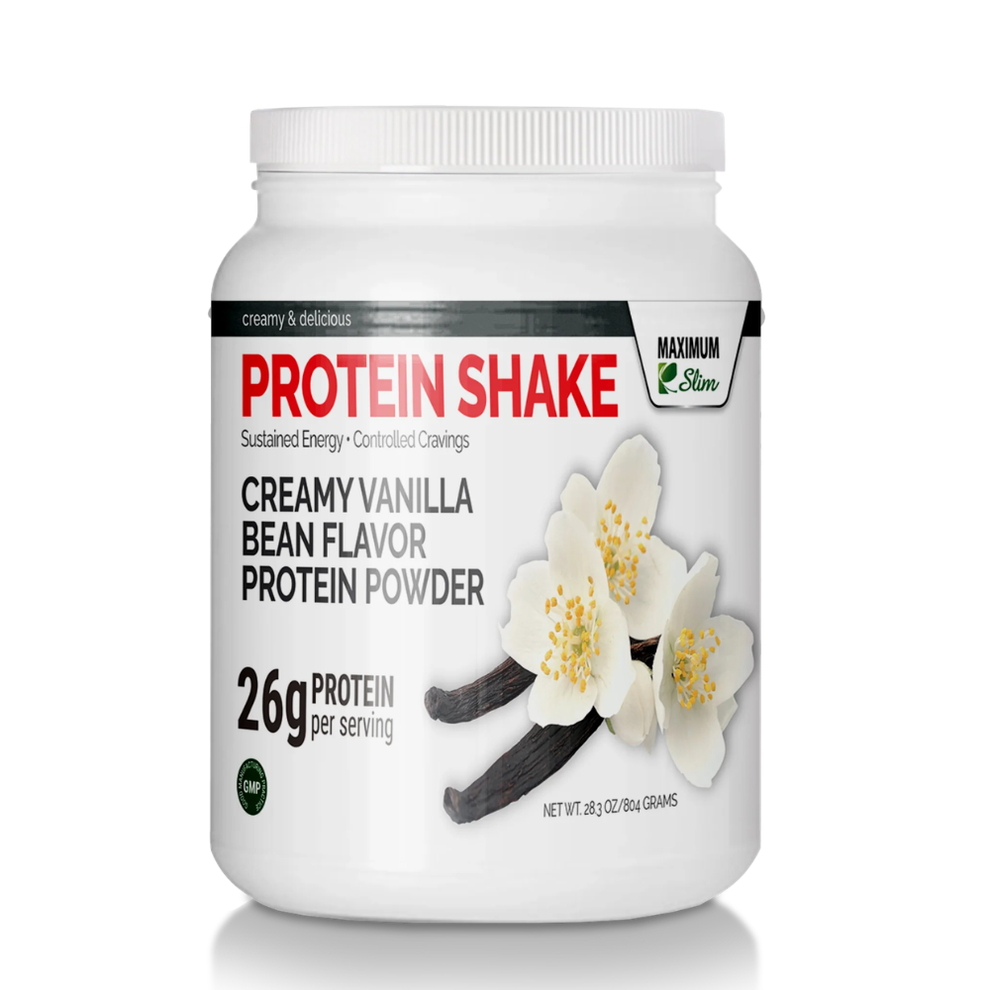
Featured Product
Organic Protein Shake - Maximum Slim
Each serving provides 20g of organic plant-based protein and 10g of organic fiber, making it a convenient option for smoothies, shakes, and meal replacement support.
Shop Now →How Natural Weight Loss Drinks Work
There are two broad paths here. The first is calorie displacement, which means a lower-calorie drink takes the place of a higher-calorie one. The second is metabolic support, where an ingredient may slightly affect energy expenditure, fat oxidation, or appetite.
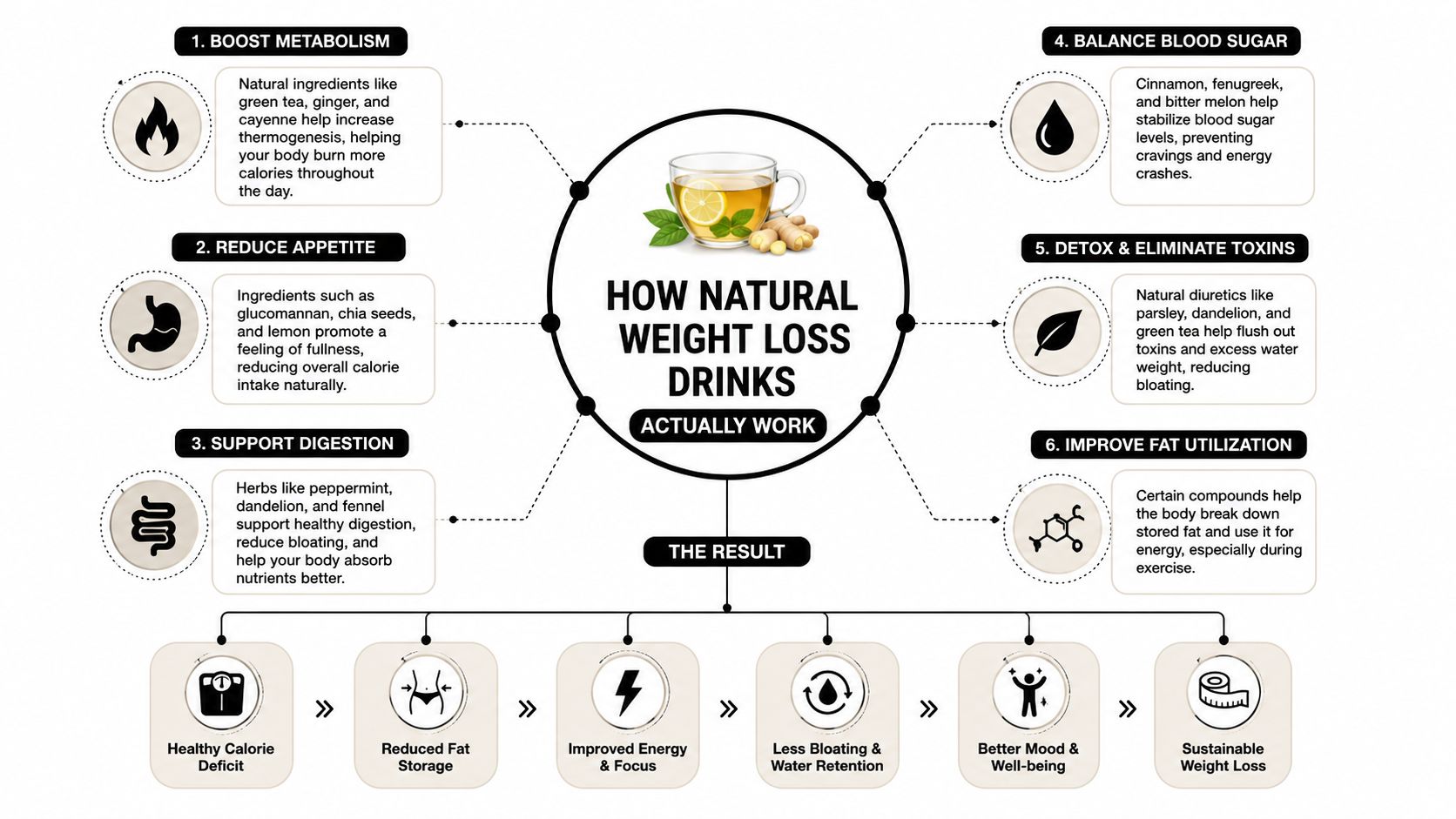
Calorie displacement does the heavy lifting
This is the more reliable mechanism. If someone swaps soda, sweet tea, or a sugar-heavy coffee drink for water, unsweetened tea, or another low-calorie option, intake drops without requiring willpower at every meal. A 2024 systematic review and network meta-analysis found that low/no-calorie sweetened beverages were associated with −0.79 kg vs water, −1.08 kg vs sugar-sweetened beverages, and −1.19 kg vs no intervention, though the certainty of evidence was rated low Nature paper on low/no-calorie sweetened beverages.
That does not mean sweetened zero-calorie drinks are magic. It means their practical value often comes from making a lower-calorie swap easier to keep doing. For many people, that steady replacement matters more than any headline claim about fat burning.
Metabolic support is real, but modest
Green tea is the clearest example. Its best-studied compounds are caffeine and catechins such as EGCG, which may slightly raise energy expenditure and fat oxidation. The effect is subtle, more like a light tap on the brakes or accelerator than a full system change. If you want a closer look at the ingredient itself, this overview of green coffee bean for weight loss shows how often beverage claims outpace the size of the actual effect.
Water also has a timing effect. In a randomized trial, drinking 500 mL before meals increased weight loss by 44% over 12 weeks in middle-aged and older adults, and another review found increased water intake was associated with an average 5.15% loss in body weight. Those findings matter because they show how much timing and replacement behavior can shape results.
The choice of sweetener can also affect whether a drink fits daily use. For example, eco-friendly stevia stick packaging can make it easier to keep a low-calorie routine on hand, especially for people who want a simple swap instead of a more complicated recipe. The point is not that the packaging causes weight loss. The point is that convenience can support the habit that does.
Evidence Review of Popular Weight Loss Drink Ingredients
The ingredient list on a bottle can look convincing even when the evidence is thin. Green tea and water have the cleanest support, while some internet favorites are better understood as comfort drinks or flavor strategies than weight-loss tools.
Side-by-side comparison
| Ingredient | Evidence Strength | Primary Mechanism | Realistic Expectation |
|---|---|---|---|
| Green tea | Moderate | Small metabolic support from caffeine and catechins | Supportive habit, not a stand-alone fix |
| Water | Strong | Calorie replacement and pre-meal satiety | Helps reduce liquid calories and can support routine-based weight control |
| Low/no-calorie sweetened beverages | Moderate | Calorie displacement | Useful when they replace sugary drinks consistently |
| Coffee | Limited here | Caffeine may slightly affect alertness and energy use | Can fit a plan, but claims often outrun the evidence |
| Apple cider vinegar | Weak to mixed | Possible appetite or blood sugar effects | Not a reliable long-term weight-loss drink |
| Ginger drinks | Weak | Digestive comfort and possible appetite effects | May feel pleasant, but weight-loss claims are uncertain |
| Protein shakes | Practical for satiety | Protein supports fullness and meal structure | Helpful when used as a meal or snack replacement |
| Detox teas | Weak | Often based on laxative or diuretic effects | Temporary scale changes, not lasting fat loss |
| SuperGreens powders | Product-dependent | Micronutrient support, convenience | Can support habit consistency, but not a fat-burning shortcut |
Green tea deserves its place in the conversation because the evidence is repeatable, even if the effect is small. If you want a deeper look at that category, this internal resource on green coffee bean for weight loss is a useful companion read because it helps separate caffeine-style marketing from actual outcomes.
Apple cider vinegar gets far more online credit than the data supports. Harvard Health notes there's little proof it reliably drives weight loss, and the ingredient is also known more for appetite or digestion claims than for durable fat loss Harvard Health on apple cider vinegar and weight loss. Ginger drinks and detox teas often sit in the same bucket, where a soothing ritual is real but the body-composition claims are exaggerated.
If you're trying to sweeten a drink without adding sugar, eco-friendly stevia stick packaging is a practical example of how people often keep the beverage experience simple while staying close to their calorie goals.
Matching Drinks to Your Schedule and Goals
The easiest way to use natural weight loss drinks well is to match the drink to the moment. A morning caffeine drink, a midday appetite check, and an evening wind-down beverage serve different purposes, and mixing them up usually creates disappointment.
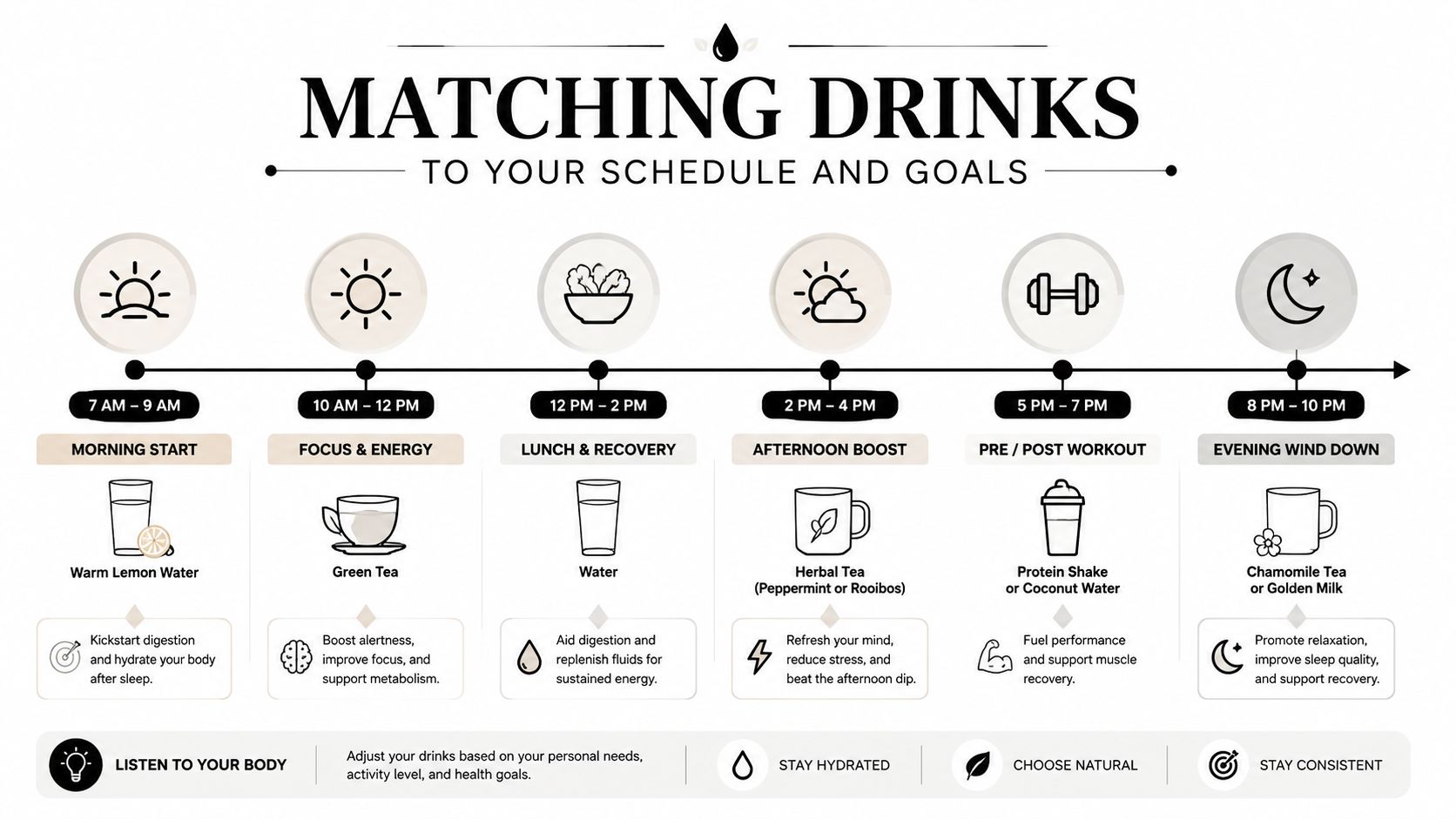
Morning, afternoon, and evening choices
For morning energy, green tea or coffee makes sense if you tolerate caffeine well. They fit best when your goal is alertness with a lighter beverage, not when you want a calming start. Yale's expert-approved routine ideas also place water on waking and green tea or black coffee in the morning, which matches how many people live.
For afternoon cravings, water or a protein shake usually solves a different problem than a metabolism drink. If hunger is the issue, the goal is satiety. If habit is the issue, the goal is replacing a snack that often sneaks in calories.
A beverage choice should solve the problem in front of you, not the problem you wish you had.
For workouts, a protein shake can be more useful than a tea or vinegar drink, especially when the goal is recovery or keeping hunger from rebounding later. A high-protein option like this high-protein low-carb shake fits that use case better than a so-called detox beverage.
A simple tolerance check
- If caffeine keeps you up: move tea and coffee earlier in the day.
- If hunger spikes late afternoon: use water first, then protein if you still need staying power.
- If you want a bedtime routine: choose something caffeine-free and non-acidic.
- If you chase sweet drinks: use low/no-calorie options strategically, especially when they replace sugar-heavy beverages.
Medical News Today has also pointed out that drinks like tea, apple cider vinegar, and ginger don't have strong evidence for meaningful weight loss on their own Medical News Today on natural weight-loss drinks. That's exactly why timing and use case matter more than headlines.
Clean-Label Products That Align with the Evidence
Clean formulations matter because the best beverage strategy can get undermined by hidden sugar, unnecessary additives, or a product that tastes good but doesn't match your actual goal. A drink mix should support the behavior you want, not sneak in the opposite of it.
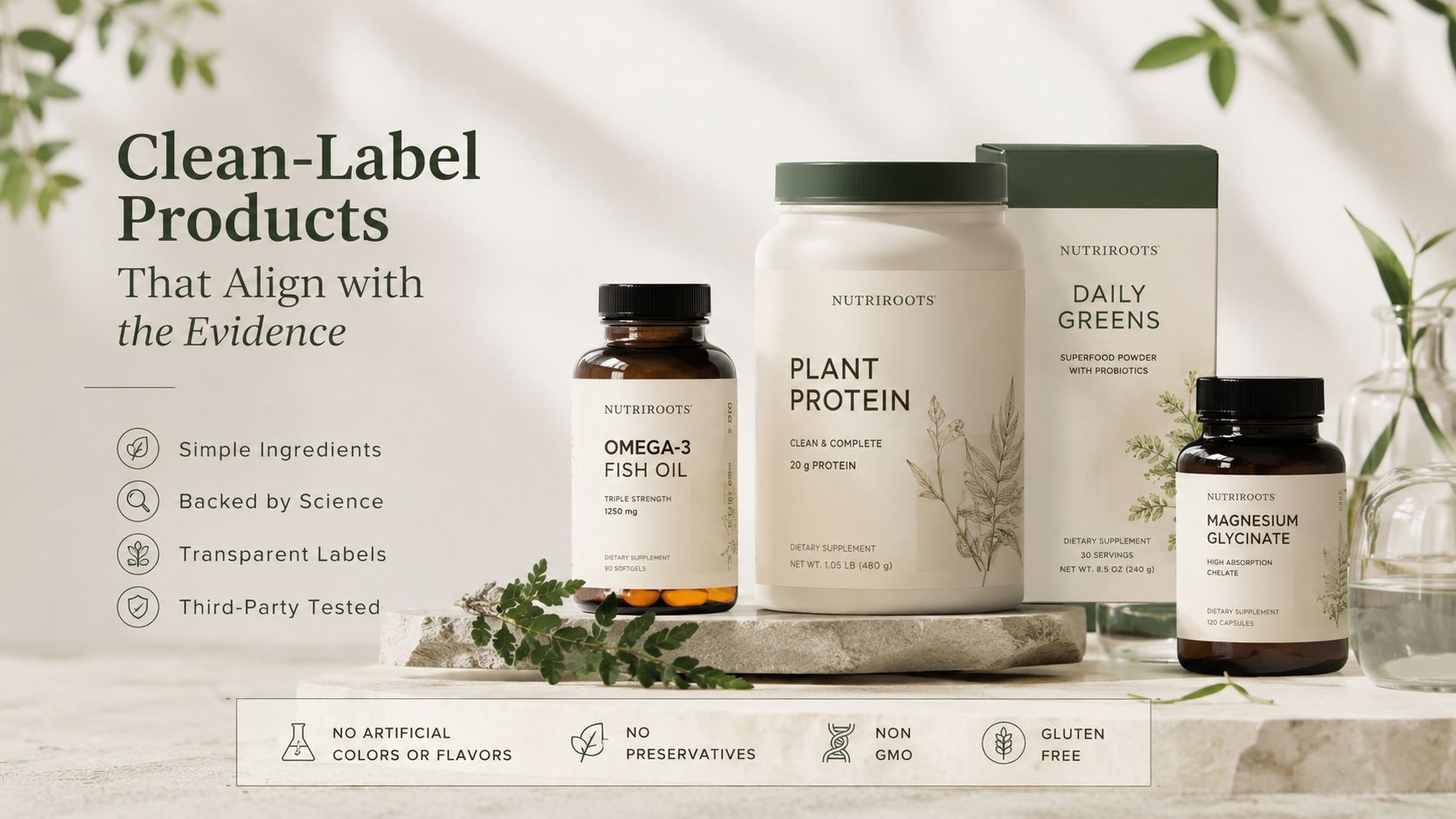
What clean-label actually means here
In practice, clean-label beverage products are easier to use consistently when they avoid added sugars, artificial colors, and filler-heavy formulas. That matters because the whole idea behind a weight-management drink is usually calorie control or routine support, not a long ingredient panel that makes the product harder to trust.
Maximum Health Products fits into that category with options such as Original Green Coffee, Organic Detox Tea, Functional Cocoa blends, SuperGreens powders, and Organic Protein shakes. Those products line up with the evidence in different ways, green coffee and tea for caffeine-based routine support, protein for satiety, and greens formulas for convenience and daily adherence.
For a closer look at ingredient standards, this clean-label ingredients resource gives a practical lens for evaluating what belongs in a beverage and what doesn't.
How to evaluate a product before buying
- Check the sweetener first, because hidden sugar can change the whole calorie picture.
- Look for a role, such as morning energy, pre-meal fullness, or post-workout recovery.
- Treat flavor claims cautiously, since taste alone doesn't tell you whether the product supports weight goals.
- Prefer simple formulas, because they're easier to fit into a routine without guesswork.
A clean-label product is not automatically a weight-loss product. It's less likely to fight the purpose of the drink. That distinction keeps expectations honest and makes daily use more realistic.
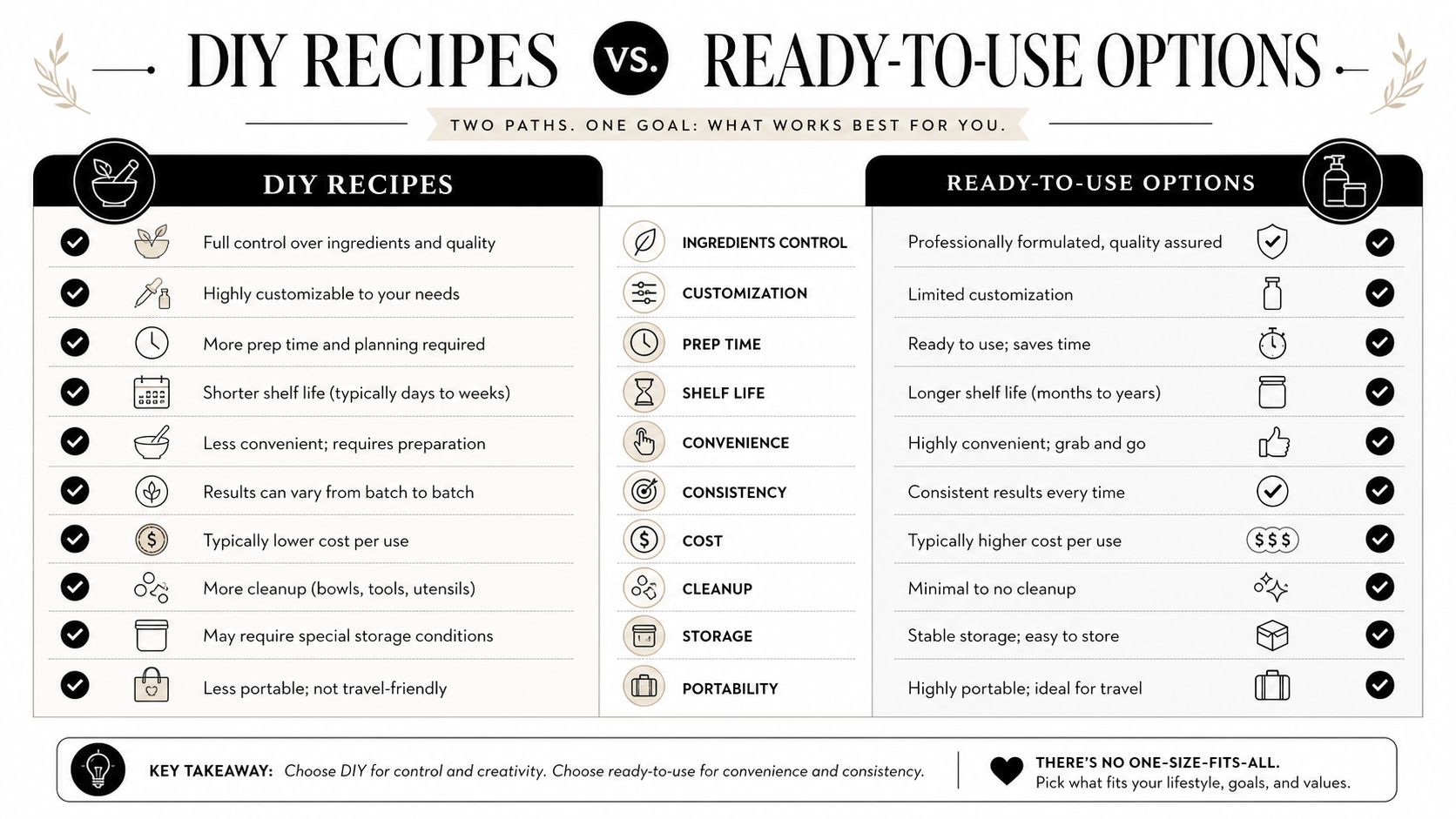
DIY Recipes and Ready-to-Use Options
Home recipes can work well when you want control. Ready-made products win when you want consistency without prep friction. The right choice depends less on ideology and more on whether you'll use it.
Simple ways to build a beverage at home
A basic morning drink can be as plain as warm water with ginger and lemon for flavor, or green tea if caffeine fits your schedule. Keep the recipe modest. The point is not to create a detox ritual, it's to build a drink you can repeat without turning it into a sugar drink in disguise.
If you prefer structured meal support, a protein shake is often more useful than a trendy beverage blend. Pairing protein with a low-carb meal plan can make the routine easier to follow, especially when you're trying to reduce decision fatigue. For a cooking companion that supports that kind of routine, the digital cookbook for quick meals can help you keep the rest of the day aligned.
What ready-to-use options are good for
Ready-to-use powders and shake mixes help when your schedule is crowded. They're especially useful on workdays, travel days, or after exercise, when the barrier isn't knowledge, it's time. The key is to choose products that stay close to the evidence, meaning low-calorie support drinks for replacement and protein-based options for fullness.
The best routine is the one you can repeat on an ordinary Tuesday.
Store mixes in a cool, dry place and follow the serving directions on the label. Freshness and consistency matter because stale powder or poorly mixed drinks often push people back toward convenience foods that add more calories.
Building Your Daily Weight Management Beverage Routine
A workable routine usually looks boring on paper, and that's a good sign. On a typical workday, someone might start with water, use green tea in the morning for alertness, choose a protein shake instead of a vending machine snack, and end the night with a caffeine-free drink if they want something warm.
A fitness-focused day looks a little different. That person may use coffee or tea before training, a protein shake after, and plain water through the rest of the day. The structure stays the same, though, because every drink has a job.
Sample routine patterns
- Busy professional: water on waking, green tea or coffee early, low-calorie drinks between meals, protein when lunch runs late.
- Fitness enthusiast: caffeine earlier in the day, protein after training, water throughout, no late caffeine if sleep suffers.
- Flexible schedule: build around hunger, not the clock, with a pre-meal drink when appetite tends to run high.
The biggest mistake is chasing novelty every week. People often switch from one drink to another before they've given any routine enough time to work. A better approach is to choose one morning anchor, one appetite-support tool, and one fallback option for travel or busy days.
Progress also needs a fair review. If your beverage routine helps you avoid sugary drinks, that matters even if the scale moves slowly. That's the pattern behind most natural weight loss drinks, they work best as part of a system that reduces calories and makes the healthier choice easier to repeat.
If you want practical support that stays close to this evidence-based approach, explore the beverage and nutrition options at Maximum Health Products. You'll find clean-label drinks and protein-focused products that can fit a realistic weight-management routine without relying on hype.

