


Have you ever assumed that green coffee bean extract is coffee in capsule form, perhaps with less roasting and fewer calories? That assumption misses the ingredient's central feature. Green coffee extract comes from unroasted beans, and its value lies primarily in the chlorogenic acids, or CGAs, that roasting substantially reduces.
The name also creates a second misconception. “Green coffee” doesn't automatically mean caffeine-free. Depending on how a product is processed, it may contain measurable caffeine, so anyone comparing it with coffee, tea, or an energy product needs to read the label carefully.
Featured Product
Maximum Slim Original Green Coffee
Science-backed formula to support metabolism, curb appetite, and help you reach your goals faster.
Shop Now →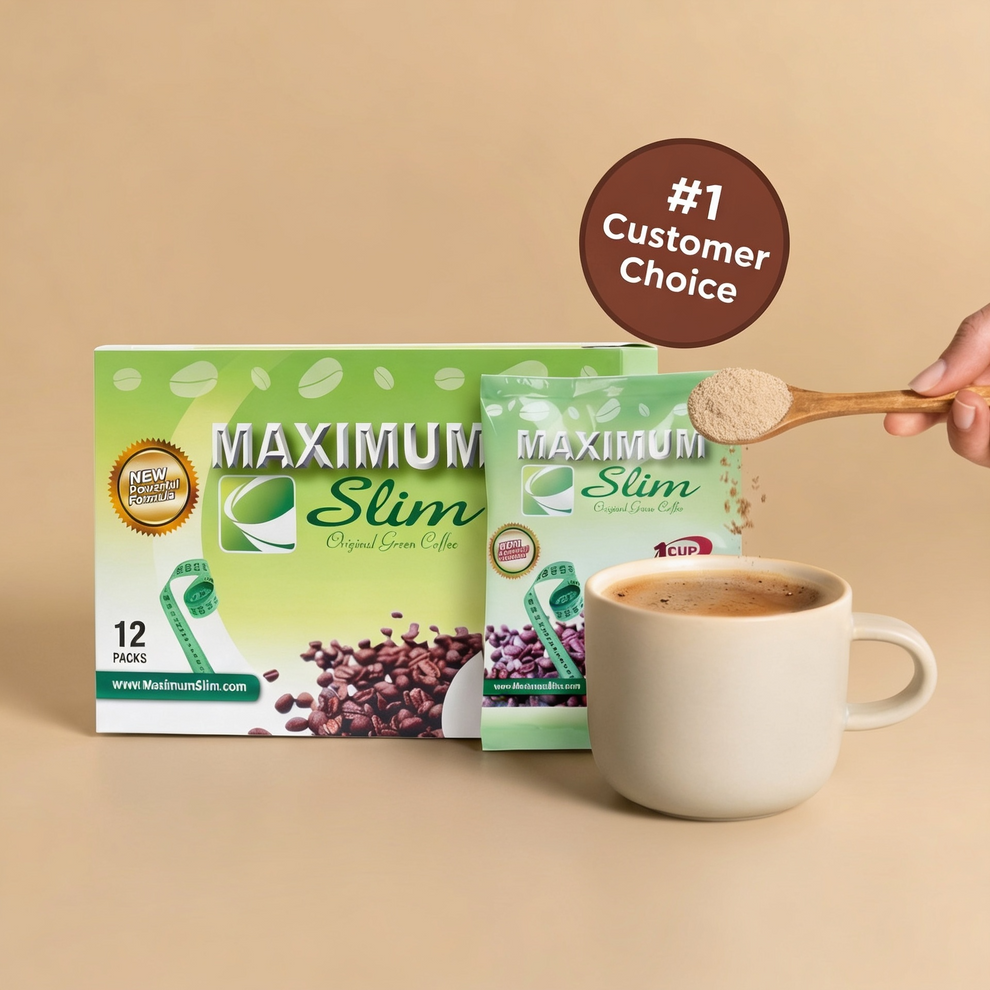
Understanding Green Coffee Bean Extract
A shopper sees “green coffee” on a supplement label and may picture a lighter version of the drink in a morning mug. The source plant is the same, but the product isn't. Green coffee bean extract is made from unroasted coffee beans, while ordinary coffee is brewed from beans that have undergone roasting.
Roasting changes the beans' chemistry, color, aroma, and flavor. Extraction changes the concentration of selected compounds. The result is better understood as a concentrated plant extract than as a replacement for brewed coffee. A useful comparison is concentrated vegetable juice versus eating whole vegetables. Both originate from the same food category, but the concentrated form delivers a more focused amount of selected constituents.
The defining constituents here are chlorogenic acids, a group of polyphenols retained in much greater amounts before roasting. Manufacturers may further process the raw-bean material and standardize it so that each serving contains a declared concentration of CGAs. That makes the supplement's intended composition different from the naturally variable chemistry of a cup of coffee.

What the label really describes
Look for three separate details:
- Source: Unroasted coffee beans.
- Active marker: Chlorogenic acids, usually listed as a percentage or milligram amount.
- Stimulant profile: Caffeine may still be present, even when the product isn't marketed as a coffee drink.
That distinction helps prevent a common mistake: treating green coffee extract as a convenient way to drink coffee without the taste. It's a supplement ingredient designed around concentrated compounds, not merely a different roast.
For readers building broader nutrition knowledge, a practical nutrition seminar playbook can help place supplements within a wider discussion of meals, habits, and sustainable health choices.
The Science Behind Chlorogenic Acids
Have you ever wondered why green coffee extract is chemically different from roasted coffee, even though both come from the same bean? Chlorogenic acids are the main reason. These polyphenols occur naturally in coffee beans, but unroasted beans retain much more than roasted beans.
Independent reviews report that green coffee beans typically contain about 5–14% CGAs by dry weight, compared with roughly 0.5–4% in roasted coffee. Roasting is associated with an estimated 70–90% loss of these compounds. Roasted coffee still contains CGAs and other coffee constituents, but the unroasted bean provides a richer starting material for an extract designed around CGA content. For a clearer explanation of the compounds themselves, see more on chlorogenic acid chemistry.
A HPLC-based study also shows why the words “green coffee” do not describe a complete product profile. In the tested beans, caffeine reached 7.89 mg/g, while chlorogenic acid reached 28.62 mg/g. Solvent choice, extraction time, and added water changed the resulting yield and composition, as reported in the research on green coffee extraction and composition. The caffeine misconception matters here: green coffee extract can contain caffeine, but its defining focus may be its standardized CGA content rather than its stimulant effect.
Why standardization matters
Raw beans vary in composition. A finished supplement therefore needs more detail than the ingredient name alone. Standardization indicates the amount of a selected active compound the manufacturer intends to provide in each serving.
Canadian monograph guidance has described supplement doses of 115–1000 mg per day, standardized to 45–50% chlorogenic acids, with caffeine up to 4%. These figures are formulation guidance, not a universal prescription. They show the difference between an unstandardized powder and an extract made for more consistent CGA delivery.
For quality comparison, check the CGA percentage or milligram amount, serving size, and stated caffeine level. A label that lists only “green coffee bean” leaves too much of the product's actual composition unclear.
How Green Coffee Extract Supports Metabolism
The body doesn't use green coffee extract as a single-purpose fat switch. Its proposed metabolic relevance comes from the interaction between chlorogenic acids, caffeine, digestion, and the way the body handles energy after a meal.
CGAs have been studied for their potential influence on carbohydrate digestion and glucose handling. In practical terms, researchers have explored whether these compounds can moderate the speed at which glucose enters circulation after food is consumed. That's different from claiming that the extract treats diabetes or eliminates the effects of a high-carbohydrate meal.
The caffeine component adds a separate pathway. Caffeine is a stimulant that can affect alertness and energy regulation, but its presence also explains why a “green coffee” supplement can feel different from a caffeine-free polyphenol product. The extract's metabolic profile therefore depends on both its CGA concentration and its stimulant content.

Absorption gives the chemistry practical relevance
A compound can look promising in a laboratory and still fail to matter after someone consumes it. A 2008 human bioavailability paper found that chlorogenic acids from green coffee extract were highly bioavailable, strengthening the rationale for studying an extract as a supplement rather than relying only on the traditional beverage form, as documented in the human bioavailability and green coffee research paper.
That finding supports a reasonable interpretation, but not an exaggerated one. Absorption shows that the body can encounter the compounds. It doesn't guarantee a particular change in weight, glucose, liver fat, or energy expenditure for every user.
This video offers a visual explanation of the cellular metabolism concepts associated with green coffee compounds:
The most responsible takeaway is that green coffee extract may support metabolic processes as part of a larger routine, while the size and consistency of real-world effects remain limited by the clinical evidence.
Clinical Evidence for Weight Management
The weight-management evidence is neither empty nor spectacular. It points toward modest, measurable changes, with important variation between products, doses, study designs, and participants.
A 2023 umbrella meta-analysis reported an average reduction of about 1.22 kg in body weight, 0.48 kg/m² in BMI, and 0.55 cm in waist circumference. The analysis found better results in interventions using doses of 600 mg per day or less and lasting more than 7 weeks, according to the 2023 umbrella meta-analysis of green coffee extract.
A separate 2020 meta-analysis reported similar changes in body weight, 1.23 kg, and BMI, 0.48 kg/m², alongside a waist-circumference reduction of 1.00 cm. It found no significant effect on body-fat percentage or waist-to-hip ratio, and it didn't identify a clear dose-response relationship for the amount of CGAs.

How to interpret those results
The findings support green coffee extract as an adjunct, not a standalone fat-loss agent. A supplement might contribute to a broader weight-management plan, but the available results don't justify promises of dramatic transformation.
The early human research also had a small foundation. One randomized, double-blind, placebo-controlled crossover study used a 22-week design and enrolled 16 overweight adults. Its small sample reflects the early evidence base that helped popularize the ingredient, rather than proving that the same outcome applies broadly.
Practical interpretation: A modest average result in a pooled analysis is a reason to set realistic expectations, not a reason to abandon nutrition, movement, sleep, or clinical care.
The most useful question isn't whether the extract “burns fat” in isolation. Ask whether a clearly standardized product, used responsibly, adds worthwhile support to the habits you can maintain.
Safety Considerations and Caffeine Reality
“Green” describes the bean's processing stage. It doesn't mean caffeine-free.
Green coffee bean extract can contain caffeine, although the amount depends on the product and its processing. That matters if you already drink coffee, tea, or energy products, or if stimulants affect your sleep, heart rate, anxiety, or digestion. A decaffeinated extract may reduce this concern, but shoppers should still verify the actual label rather than infer caffeine content from the word “green.”
A small human crossover study found no safety concerns at 60 mg of caffeine from green coffee bean extract, but that result doesn't settle every safety question. It doesn't address inconsistent supplement quality, stimulant sensitivity, pregnancy, interactions with diabetes medication, or long-term use.
Who should take extra care
Canadian monograph guidance states that products shouldn't exceed 1000 mg per day, should be standardized to 45–50% CGAs with up to 4% caffeine, and shouldn't be combined with other caffeine sources. It also says not to use these products during pregnancy, as outlined in the health guidance on green coffee bean extract.
Speak with a healthcare professional before using the supplement if you're pregnant, managing diabetes, taking prescription medication, or sensitive to caffeine. People with heart or blood-pressure concerns should also avoid treating a stimulant-containing supplement as automatically low risk.
For a broader look at stimulant choices in beverages, this matcha vs coffee comparison can help clarify how different drinks fit into an individual caffeine routine. Readers who want more detail on tolerability can also review green coffee extract side effects.
Choosing Quality Green Coffee Extract Supplements
A reliable product label should answer the questions a marketing phrase can't. Start with the chlorogenic acid percentage, then check the serving size and caffeine disclosure. Canadian monograph guidance describes standardization around 45–50% CGAs, so a product that omits its CGA amount makes meaningful comparison difficult.
Use this label-reading sequence:
- Find the extract amount. Confirm how many milligrams of green coffee extract appear in one serving.
- Find the CGA standardization. A percentage such as 45–50% tells you the intended concentration of the defining polyphenols.
- Check caffeine. “Green coffee” isn't a synonym for caffeine-free. Look for an explicit caffeine amount or a clear decaffeination statement.
- Review the full formula. Look for unnecessary fillers, added sugars, artificial colors, preservatives, soy, gluten, or animal-derived ingredients if those are important to your dietary needs.
- Ask about testing. A manufacturer should be able to explain how it verifies identity, potency, and contaminants.
Extraction method matters because solvent systems, extraction time, and water addition can change the final composition. That means two products with the same front-label wording may not deliver the same chemical profile.
Red flags worth taking seriously
- Vague potency claims: The label names green coffee but doesn't disclose CGAs.
- Unclear stimulant information: The product implies it's caffeine-free without showing testing or a caffeine amount.
- No quality documentation: The manufacturer can't explain batch testing or manufacturing controls.
- Overpromising: Marketing presents the extract as a replacement for diet, exercise, or medical treatment.
For context on evaluating supplements beyond a single ingredient, this longevity supplement guide offers a broader framework for assessing formulations and labels. You can also review why third-party testing matters when a concentrated extract is part of your routine.
Integrating Green Coffee Extract Into Your Wellness Routine
Green coffee extract makes the most sense when it fills a defined role in an already workable routine. It can't compensate for irregular meals, inadequate sleep, or an activity plan you can't sustain. The clinical findings support modest body-composition assistance, particularly in interventions lasting more than 7 weeks, but they don't support miracle-supplement expectations. That interpretation follows the evidence summarized earlier, rather than treating one study or one label claim as decisive.
Start with the basics you can repeat. Build meals around nutritious foods, include regular physical activity, protect sleep, and monitor how caffeine affects your day. If you're using the extract for weight management, track practical markers such as appetite, energy, digestion, and adherence to your routine instead of relying only on the scale.
A more careful decision process
Consider these questions before adding it:
- What outcome do you want? Metabolism support, a caffeine-containing energy aid, or a standardized CGA supplement are different goals.
- What caffeine do you already consume? Add the supplement's declared amount to your existing coffee, tea, and energy products.
- What does the label prove? Confirm extract quantity, CGA standardization, caffeine content, and manufacturing information.
- Could medication or a health condition change the risk? Ask a clinician before use if you take diabetes medication, are pregnant, or have stimulant sensitivity.
Raw-bean chemistry and extraction conditions can materially affect the finished product. Quality therefore deserves as much attention as the ingredient name. A transparent label won't guarantee a dramatic result, but it gives you a better basis for deciding whether the product fits your needs.
The informed approach is neither automatic enthusiasm nor automatic dismissal. Green coffee bean extract is a concentrated, CGA-focused ingredient with human absorption data and modest weight-management findings. Use that information to choose carefully, keep expectations grounded, and involve a healthcare professional when your medical history or medications make the decision more complex.
Maximum Health Products offers green coffee-based supplements within a broader range of clean-label wellness products for energy, metabolism, nutrition, and daily routines. Review the available formulas and ingredient information at Maximum Health Products, then compare the label's CGA and caffeine details with the criteria discussed here before choosing.

