


Most advice on post-workout recovery starts with the wrong question. It asks which supplement sounds most anabolic, then turns the answer into a shopping list of powders, pills, and marketing claims. The better question is simpler, what does your body need right after training, and what should keep working for the rest of the week?
That shift matters because recovery isn't one event. It's muscle repair, glycogen restoration, soreness management, and a return to normal performance, and different supplements influence different pieces of that puzzle. The best supplement for post workout recovery depends on whether you need an acute fix after hard training or a chronic support tool that changes how you tolerate repeated sessions.
Why Most Post Workout Recovery Advice Gets It Wrong
The biggest myth is the idea that recovery lives or dies inside a tiny anabolic window. That line sells products, but it blurs the issue. The evidence points to something more practical, getting enough protein soon after training matters more than chasing a single magic ingredient, and pairing that protein with carbohydrate can make the recovery response stronger, especially after strength sessions and glycogen-heavy workouts.
The second problem is category confusion. People lump together supplements that work immediately with supplements that build resilience over time, then judge everything by the same clock. Protein plus carbohydrate is an acute recovery strategy, while omega-3 fish oil and tart cherry are more about lowering the cost of training stress over days and weeks.
Featured Product
Organic Protein Shake - Maximum Slim
Each serving provides 20g of organic plant-based protein and 10g of organic fiber, making it a convenient option for smoothies, shakes, and meal replacement support.
Shop Now →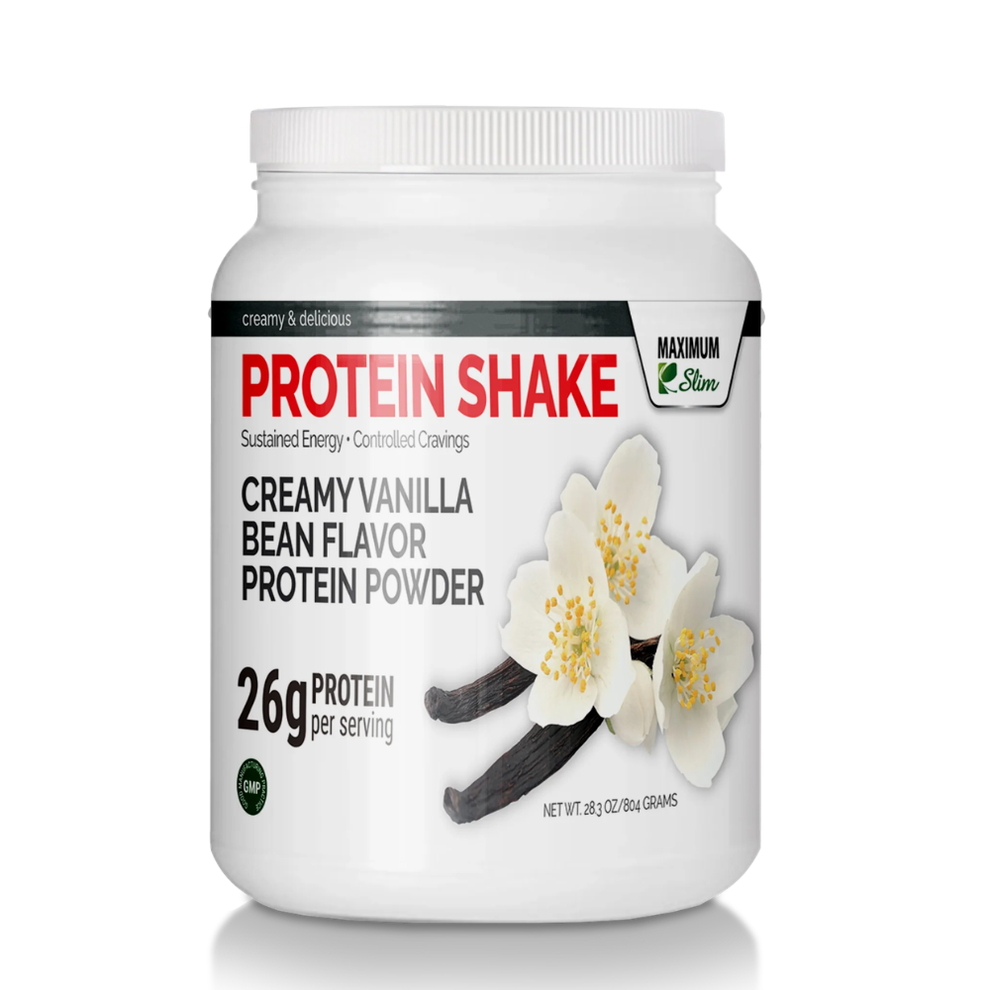
Acute recovery and chronic adaptation are not the same job
If you train once and want to refuel quickly, the goal is to flip the body out of a catabolic state and start repair. If you train hard several days a week, the goal also includes reducing how beat up you feel on day two or three, so you can hit the next session with less drag. Those are related, but they're not identical problems.
That's why so many “one scoop fixes everything” claims fall flat. The post-exercise anabolic window debate has moved toward a more sensible takeaway, the first meal or shake after training matters, but the ingredient quality and total daily intake matter too. A supplement only earns its place if it solves the actual problem in front of you.
Practical rule: If a product doesn't tell you what job it does, don't buy it for recovery.
The cleanest way to evaluate any claim is to ask whether it helps with repair, refueling, or soreness. Most of the hype collapses once you sort products into those three buckets. Once that framework is clear, the “best” supplement stops being a trend and starts being a tool.
The Two Recovery Mechanisms That Matter

After training, recovery comes down to two separate jobs. One is rebuilding muscle tissue, the other is restoring fuel. If you only address one, the next session usually exposes the gap.
Muscle protein synthesis needs a full amino acid signal
The first mechanism is muscle protein synthesis, or MPS. It repairs damaged tissue and supports the building of new muscle tissue. Protein after exercise matters because it supplies amino acids, which tell the body the raw material is available to start rebuilding.
That is why protein is the structural piece of recovery. It does not just feel helpful, it gives muscle tissue what it needs to move from damage toward repair. In the evidence base, whey protein stands out because it positively affected restoration of contractile function within 24 to 96 hours after exercise in a systematic review and meta-analysis of 13 randomized controlled trials (PMC review on whey protein recovery).
Glycogen resynthesis keeps the engine from stalling
The second mechanism is glycogen resynthesis. After hard training, especially high-volume lifting or endurance work, muscle glycogen gets depleted. Carbohydrate restores that stored fuel, and that matters because the next session does not happen in isolation, it lands on top of whatever you recovered from the session before.
Protein and carbohydrate cover different bottlenecks. A review found that protein supplements improved post-exercise recovery, and that protein-carbohydrate formulas enhanced glycogen resynthesis versus placebo, while pure protein also reduced fatigue (review on protein and carbohydrate recovery). For athletes who train early, train again later the same day, or need recovery to hold up under repeated stress, that split matters more than the hype around single-ingredient products.
A timing study in the evidence base also found that immediate protein-plus-carbohydrate intake outperformed delayed intake, with an overall effect value of 0.269, p = 0.022, and a 95% CI of 0.039 to 0.498. If you want to check how to build that into a real-world plan, the recovery protocol with AI resource is useful because it treats recovery as a system instead of a single supplement.
Recovery gets better when the supplement matches the bottleneck. Protein repairs, carbohydrate refuels, and timing matters most right after training.
For athletes who still want to go deeper on amino acid choices, this guide to amino acids for muscle recovery is a useful companion, especially when deciding whether a full protein powder or a narrower amino acid product fits the training goal.
Evidence-Backed Recovery Supplements Ranked by Strength of Research
Whey protein still sits at the top because the evidence is clearer than the marketing around it. The strongest support comes from rapid amino acid delivery after training, especially when the session was hard or left glycogen low. If one supplement category consistently earns a place in a recovery plan, this is the one.
Protein-carbohydrate blends come next because they handle two recovery jobs at once. They help repair tissue and restore glycogen, which makes them especially useful after lifting, interval work, or two-a-day training. Protein alone can still be helpful, but recovery is more complete when the fuel side is covered at the same time.
Omega-3 fish oil plays a different role. A review pooling studies on fish oil recovery found that it reduced soreness, lowered muscle-damage markers, and sped the return of strength, which makes it useful for athletes dealing with repeated stress rather than a single refuel window (fish oil recovery review). Tart cherry belongs in the same support category because it has meaningful research behind soreness control and recovery quality, which matters most during high-volume blocks and back-to-back sessions.
The lower end of the list is where gym marketing gets loud. BCAAs are not useless, but they are usually redundant when a person already eats enough complete protein. Creatine is excellent for strength, power, and repeated performance, but it is not an acute refueling product. Curcumin gets pushed hard for inflammation, yet the broader recovery literature gives it less support than omega-3s or tart cherry.
The table below separates what helps now from what helps over time.
| Supplement | Primary Mechanism | Evidence Strength | Best For | Timing |
|---|---|---|---|---|
| Whey protein | Supplies amino acids for MPS | Strong | Strength training, muscle gain, general recovery | Right after training |
| Protein plus carbohydrate | Repairs tissue and restores glycogen | Strong | Hard sessions, two-a-days, endurance blocks | Right after training |
| Omega-3 fish oil | Supports soreness reduction and strength recovery | Strong for chronic support | Repeated training stress, DOMS management | Daily with meals |
| Tart cherry | Helps soreness and recovery quality | Meaningful support | Sore athletes, high-volume blocks | Around training blocks |
| Creatine | Supports ATP recycling and training output | Strong, but not acute refuel | Strength and power goals | Daily, any time |
| BCAAs | Limited amino acid signaling | Weaker than whole protein | Only when protein intake is low | Around training, if used |
| Curcumin | Anti-inflammatory support | Weaker than top options | Niche use, not core recovery | Daily if tolerated |
For readers who want a closer look at amino acid products, the internal guide on amino acids for muscle recovery is a useful starting point, especially when comparing a full protein powder with a narrower amino acid product.
I would also compare this against a broader mineral strategy. The Aspen Falls Wellness magnesium guide is a good reminder that sleep and relaxation support can matter just as much as post-gym shakes when recovery starts to stall.
Goal-Specific Recovery Protocols for Real Training Scenarios
The right protocol depends on the goal, not the supplement aisle. A lifter trying to grow muscle, a runner trying to repeat sessions, and someone cutting fat all need different calorie and timing strategies. The mistake is using the same shake for every training style and hoping the body treats them the same way.
Muscle gain and strength focus
For muscle gain, the priority is rapid amino acid delivery plus enough carbohydrate to support recovery from hard lifting. A practical post-training target is 25 to 40 g of whey protein taken soon after the session, paired with fast-digesting carbs if the workout was high volume or glycogen-heavy. If the meal comes later, the shake still serves as the bridge that gets recovery moving.
Endurance and repeat-performance focus
Endurance athletes need more emphasis on glycogen replacement. That means the supplement choice should lean toward a protein-carbohydrate formula, not plain protein alone. Omega-3 fish oil can sit in the background as a daily support tool for soreness and recovery quality, especially during blocks with repeated long sessions or eccentric load.
Fat loss without recovery collapse
Fat loss changes the rules because calories are tighter. The goal is to recover without turning the post-workout drink into a surplus bomb. A cleaner protein shake with minimal extras is the best fit here, then whole-food carbs can be placed where they're needed most, usually around the hardest sessions rather than every workout.
Quick turnaround between sessions
Athletes training more than once per day need the most aggressive recovery window. That's where immediate protein plus carbohydrate matters most, because the body has to repair and refill fast enough to be ready again. Creatine belongs here as a chronic support supplement, not because it fixes soreness instantly, but because it helps sustain output over time.

A simple way to think about it is this.
- Muscle gain: use whey protein plus carbs after training, then keep daily protein high across meals.
- Endurance: prioritize carbs first, then add protein to support repair.
- Fat loss: keep the shake lean, avoid unnecessary calories, and use the smallest effective recovery stack.
- Quick recovery: combine immediate protein and carbohydrate with daily chronic support like creatine or omega-3s.
For a more product-focused example, the internal post-training shake guide at post-workout protein shake shows how this can look inside an actual routine.
Why Clean Label Standards Make or Break Your Recovery Results
The active ingredient matters, but the rest of the formula can still sabotage the result. A recovery shake loaded with fillers, artificial colors, or aggressive sweetness can sit badly after training, which is the opposite of what you want when digestion should stay calm and predictable. If a product upsets your stomach, delays your meal, or makes you skip the next feeding window, it is hurting recovery, not helping it.
Clean-label standards matter because they turn a supplement from a marketing claim into something you can use day after day. For this topic, I look for formulas that avoid preservatives, artificial colors or flavors, added sugars, soy, gluten, fillers, and animal products when the athlete wants a plant-forward option. A clean protein shake is easier to repeat consistently, and consistency is what turns a supplement into a real recovery habit. If you want a clear breakdown of what that standard should look like, this clean-label ingredient guide is a useful reference.
The same logic applies to omega-3s and other support products. You are not just buying the active ingredient, you are buying the delivery system, and that delivery system affects compliance, digestion, and whether the product gets used day after day. In practice, the cleaner option is often the one athletes can tolerate after a hard session without thinking twice, because it fits into the routine instead of fighting it.
One option in the market is Maximum Health Products, which offers clean-label protein and other wellness formulas with a focus on transparent ingredient lists. That matters here because recovery products work best when they are simple enough to use after every session, not just when motivation is high.
The broader lesson is straightforward. A recovery supplement should solve a training problem, not create a digestive one. If the label is crowded with extras, the formula may look impressive and still perform worse in actual practice.

The label matters as much as the scoop. A product can have the right protein source and still be poorly designed if it buries the useful ingredient under sweeteners and fillers. That is why I treat clean formulation as part of the performance equation, not an aesthetic preference.
How to Read a Supplement Label Like a Sports Nutritionist

A recovery label should answer three questions fast, what's inside, how much is inside, and whether the formula is built for absorption or just for shelf appeal. If any of those answers is vague, I move on. A product can sound polished and still be a poor fit for post-training use.
Start with the ingredient list
The first red flag is a proprietary blend that hides doses. If a recovery product won't tell you how much protein, carbohydrate, or key support ingredient it provides, you cannot judge whether it does the job. That matters even more with amino acid products, where underdosing is common.
Check for third-party testing and plain language
Third-party testing is not a guarantee of perfection, but it does show that the brand is willing to be checked. I also look for labels that use plain serving-size information instead of vague claims like “advanced recovery matrix.” Clear labeling is easier to trust because it gives you something concrete to compare with your training needs.
Watch for formulas that create friction
Artificial colors, unnecessary fillers, and excess sweetness can turn a solid product into one that is hard to use consistently. If the shake tastes like dessert but sits like a brick, it is a bad recovery tool. I would rather have a simpler formula I can take after training than a flashy one that stays in the cabinet.
A fast label check looks like this.
- Find the protein or active ingredient first. If it is buried, the formula is probably weak.
- Look at the serving size. If the scoop is tiny but the marketing is loud, be skeptical.
- Read the sweetener and additive line. Shorter usually works better for post-workout digestion.
- Look for consistency signals. A brand that labels clearly usually respects the user's recovery routine.
If a product clears those checks, it is usually worth considering. If it fails them, the safest move is to keep walking.
Putting It All Together With a Sample Recovery Week
A good recovery week is boring in the best possible way. On Monday after heavy lifting, the athlete takes a whey-based shake with carbohydrate right after training, then eats a normal meal later. Tuesday is a lighter session, so the same athlete may just use protein and whole food instead of a bigger carb hit.
By Wednesday, soreness starts to matter more than the workout itself. That's where daily omega-3 fish oil can make more sense than adding another acute shake, because the goal isn't refueling in the moment, it's lowering the cost of repeated sessions. Thursday after conditioning, the athlete again prioritizes protein plus carbohydrate, since the body needs both repair material and replenishment.
Rest days don't mean recovery stops. Daily support ingredients keep doing their work even when there's no workout to “trigger” them, which is why chronic adaptation supplements belong on the calendar, not just in the gym bag. If travel or a late shift makes timing messy, the rule is simple, get the protein in soon, keep the formula clean, and don't overcomplicate the day.
A sample week doesn't need a dozen products to work. It needs the right ones, used at the right time, with the fewest unnecessary ingredients possible. That's the version athletes can repeat for months without burning out.
If you want recovery support built around clean-label protein, simple formulas, and practical use after training, visit Maximum Health Products and look at the options that fit your training style. The goal is to keep recovery simple enough to repeat, because that's what moves performance forward.

