


You're standing in the supplement aisle, holding a tub that says “plant-based,” another that says “clean,” and a third that says “gluten-free” in giant letters. Flip them over, and the confidence disappears. One has a long ingredient list. One has sweeteners and gums you don't recognize. One looks simple, but there's no clue about how it was made or whether it was processed around wheat.
That confusion makes sense. Gluten free protein sounds simple until you try to buy it for a real goal like better digestion, safer celiac-friendly eating, muscle recovery, or weight management. Then the details matter. A lot.
The category is also getting much bigger, which means shoppers are seeing more options and more marketing at the same time. The global market for gluten-free protein bars is projected to grow from USD 4.85 billion in 2025 to USD 11.23 billion by 2035, with a projected 8.6% CAGR according to Mak Data Insights on the gluten-free protein bar market. More products can be helpful. More labels and claims can also make it harder to separate a safe, useful protein from an expensive snack dressed up as wellness.
Featured Product
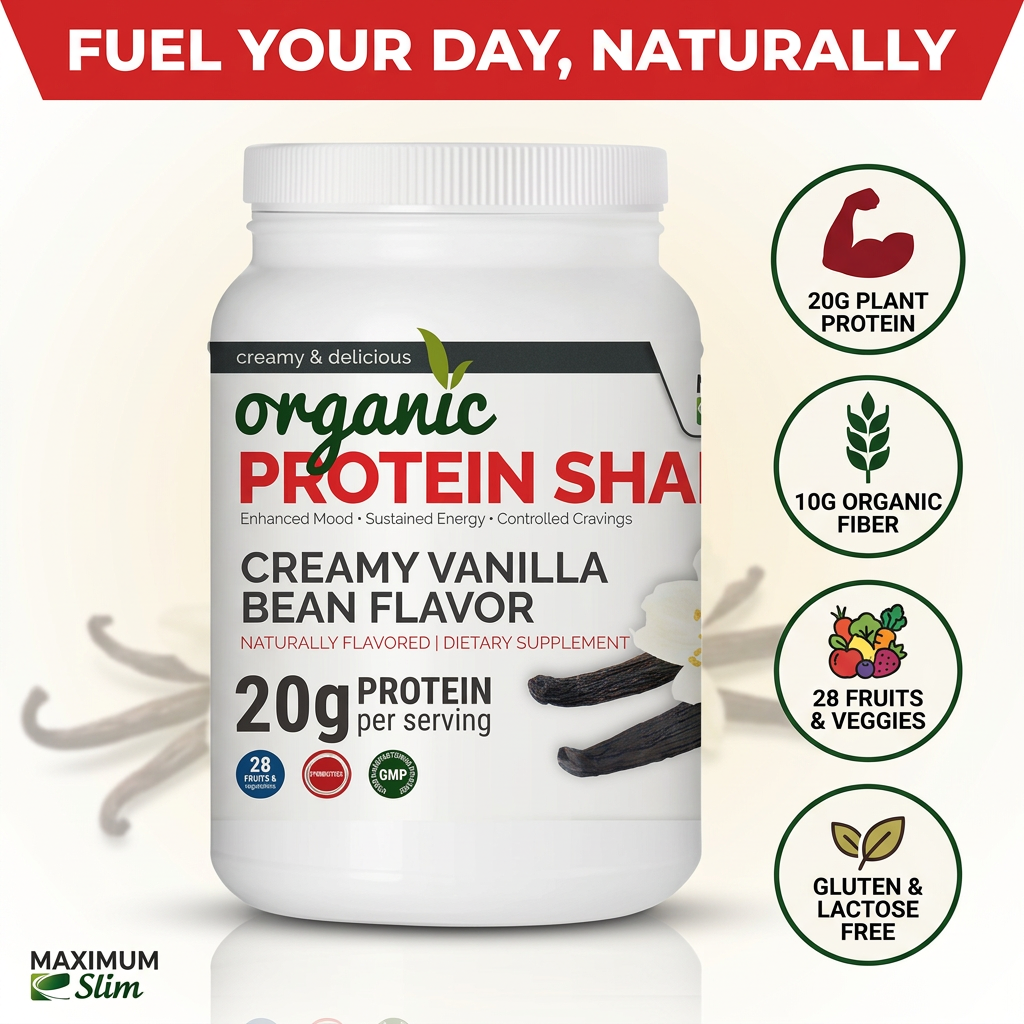
Maximum Slim Original Classic Cocoa (30 Ct)
Maximum Slim Organic Protein Powder delivers 20g of organic plant-based protein and 10g of organic fiber per serving to support balanced nutrition and everyday wellness. Perfect for smoothies, shakes, or meal replacement support.
Shop Now →The Gluten-Free Protein Puzzle in the Wellness Aisle
A client once brought me three protein powders and asked a very honest question: “Which one is healthy, and which one just has better packaging?” That's usually the right question.
The challenge isn't finding protein; it's finding protein that matches individual bodies and goals. If gluten is a medical issue or a digestive trigger requiring strict avoidance, “good enough” labeling isn't good enough. If weight management matters, a gluten-free badge still doesn't tell you whether the powder is loaded with sweeteners, starches, or calorie-heavy fillers.
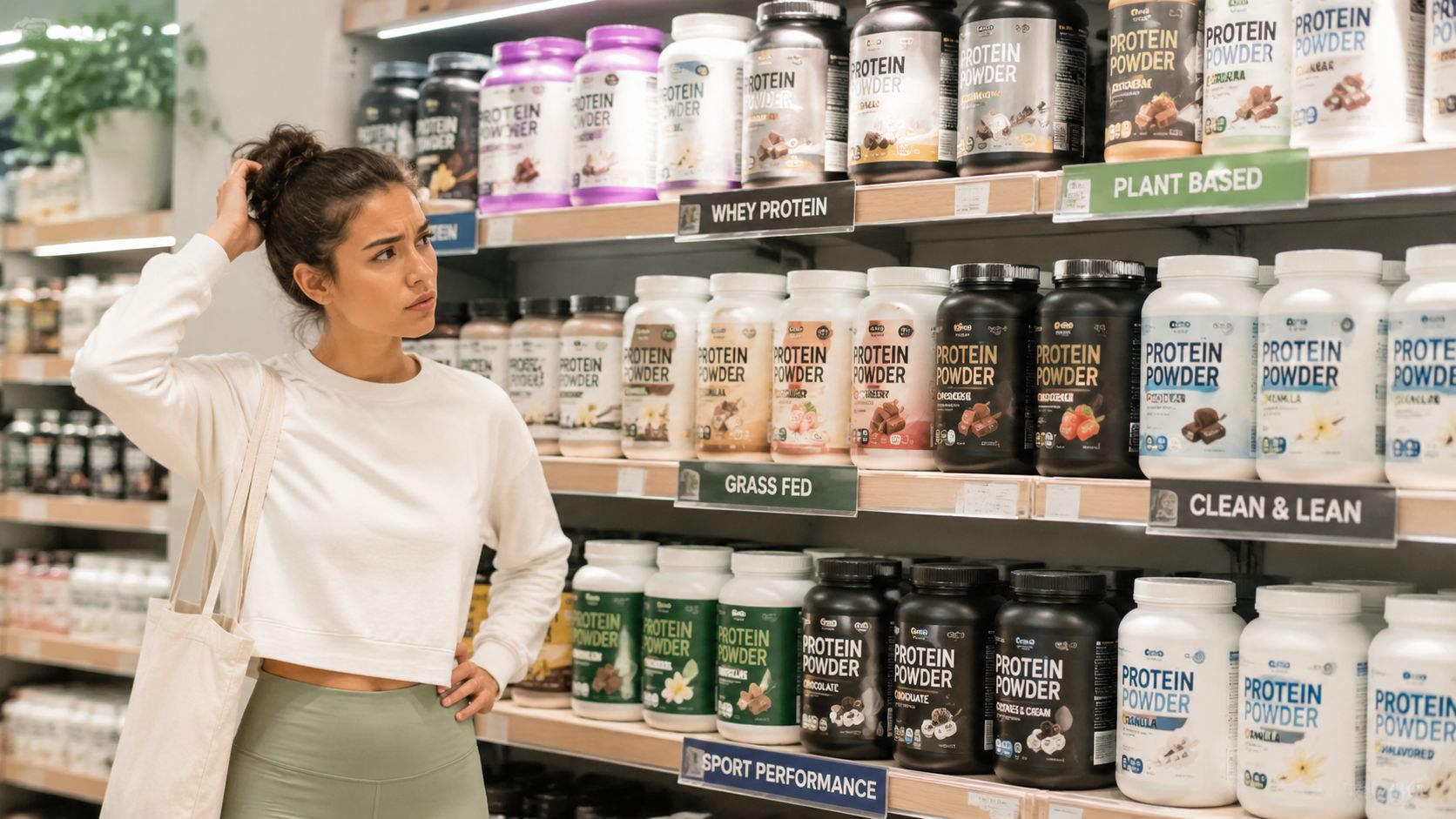
Why the aisle feels so crowded
Shoppers now face a mix of products that target very different needs:
- Medical avoidance: People with celiac disease or strong gluten sensitivity need strict gluten control.
- Fitness use: Athletes want protein quality, digestibility, and recovery support.
- Weight goals: Busy adults often need a protein that helps with fullness instead of adding extra sugar and calories.
- Lifestyle preference: Some buyers want a cleaner ingredient panel.
Those aren't the same problem, so they shouldn't be solved by the same label.
Gluten-free is a safety feature. It is not a guarantee of protein quality, metabolic support, or ingredient simplicity.
What actually works
Start with a different mindset. Don't ask only, “Is it gluten-free?” Ask four questions:
- Is it safe for my level of sensitivity?
- Is the protein itself high quality?
- Does the formula support my goal, or fight it?
- Can I understand the ingredient list without guessing?
That's where smart buying starts. The best gluten free protein products are not the loudest ones on the shelf. They're the ones that hold up under label scrutiny, fit your digestion, and contribute to your daily protein intake without creating new problems.
What Gluten-Free Actually Means for Your Protein
Gluten is a protein found in wheat, barley, and rye. In whole foods, the issue is often straightforward. Chicken breast doesn't contain gluten. Eggs don't contain gluten. Plain yogurt doesn't contain gluten. Pure whey protein is naturally gluten-free because it comes from milk, not grain.
The trouble usually starts during manufacturing.
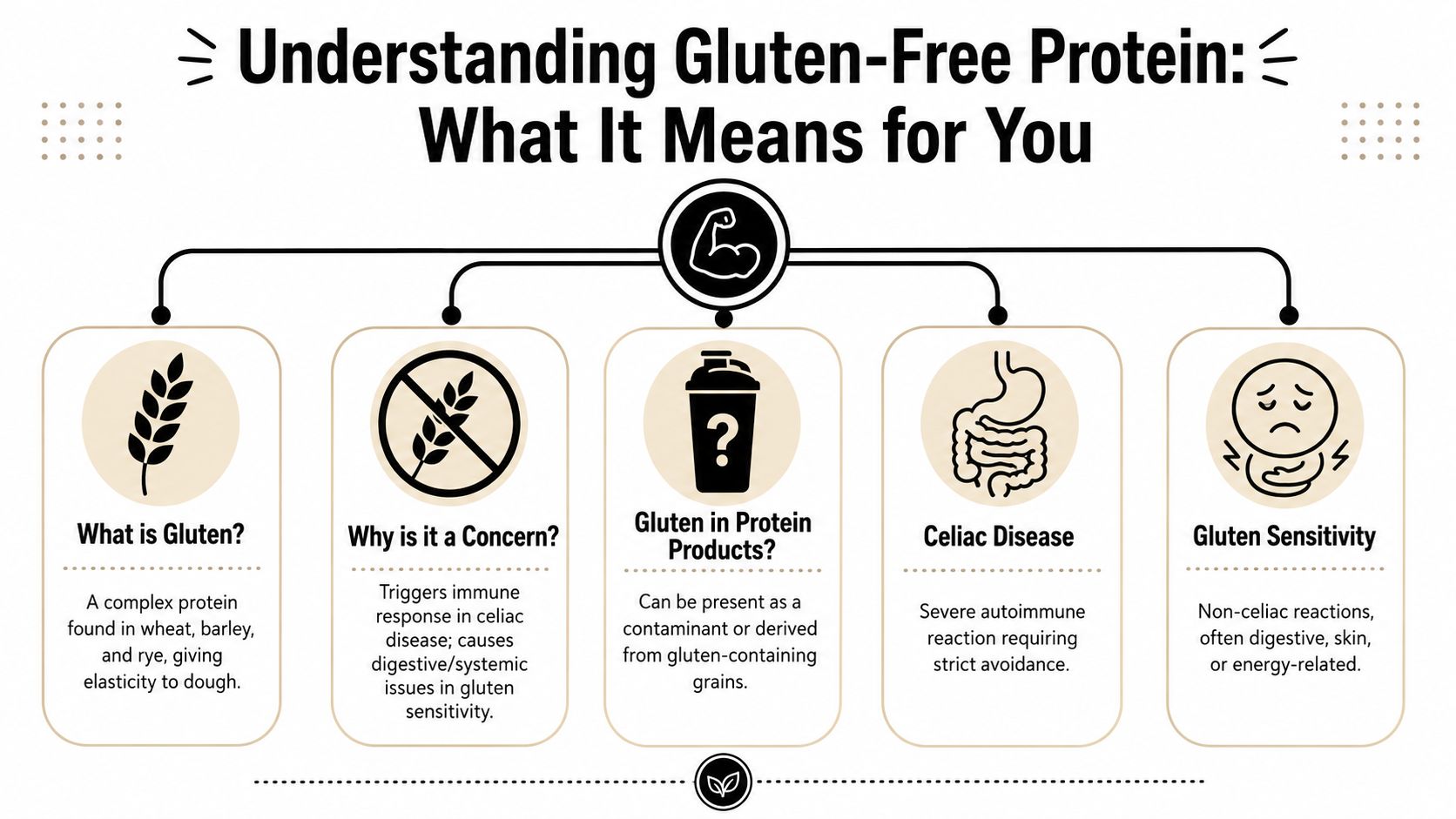
Why processing matters
Consider a bakery using the same equipment for regular bread and gluten-free bread. Even if the gluten-free loaf starts with safe ingredients, shared mixers, lines, scoops, or storage areas can introduce enough cross-contact to matter for a sensitive person.
Protein products have the same problem. A powder may begin with whey, pea, or rice protein, but gluten can show up through:
- Flavor systems: Chocolate cookie, malted, cereal, or dessert-style blends can introduce risk.
- Thickeners and carriers: Some starches or processed ingredients need closer review.
- Shared facilities: Manufacturers may run wheat-based products on the same equipment.
- Add-ins: Granola pieces, cookie bits, or bakery-style inclusions are common problem spots.
Why the label matters
A gluten-free label isn't just a trendy front-of-pack claim. It signals that the manufacturer is making a specific statement about gluten control, ingredients, and testing standards.
That matters most for people who can't rely on “probably safe.” If you're still figuring out your own reactions, keeping a food log can help connect symptoms with products, ingredients, and portions. A practical resource on understanding food intolerance can be useful if you're trying to sort out whether your issue is gluten, dairy, sweeteners, or a broader pattern.
Practical rule: If a protein powder has a short ingredient list but no clear gluten-free claim, don't assume safety from simplicity alone.
The useful distinction
There's a difference between naturally gluten-free and verified gluten-free.
Naturally gluten-free describes the ingredient itself. Verified gluten-free tells you more about how the product was handled before it reached your shaker bottle. For someone with celiac disease, that difference is decisive. For someone focused on digestive comfort, it can still make a major difference.
A Field Guide to Natural Gluten-Free Protein Sources
The best gluten free protein plan doesn't have to start with a powder. Whole foods make the foundation easier because they're less processed and easier to evaluate. Then powders and bars can fill practical gaps instead of carrying the whole job.
Animal-based options
Animal proteins are usually the simplest place to start if you tolerate them well. Eggs, fish, poultry, Greek yogurt, cottage cheese, and plain whey-based products all provide protein without the amino acid gaps common in many plant sources.
That “complete protein” point matters. Animal proteins naturally provide all essential amino acids in useful proportions, which makes them especially practical for muscle repair, appetite control, and everyday meal building.
A few practical notes:
- Eggs: Easy, portable, and useful at breakfast when people otherwise under-eat protein.
- Greek yogurt or cottage cheese: Good options for snacks or breakfast bowls, but flavored versions need label attention.
- Plain whey isolate: Often a clean choice when tolerated, though contamination control still matters.
- Fish and chicken: Reliable whole-food anchors for lunch and dinner.
Plant-based options
Plant proteins can work well, but they require more strategy. Pea, soy, rice, hemp, chia, pumpkin seed, quinoa, and buckwheat all have value. The mistake is assuming “plant-based” automatically means nutritionally complete.
One of the most overlooked issues is lysine balance. Replacing wheat protein with common gluten-free alternatives can lead to a 15% to 20% drop in available lysine per serving, which can affect protein synthesis, according to Clean Monday Meals on the gluten-free protein problem.
That doesn't mean plant proteins are poor. It means they work better when paired intelligently.
If you rely heavily on gluten-free grains and legumes, check whether your overall diet includes strong lysine sources such as soy or dairy, rather than assuming volume alone solves the problem.
Better pairings for completeness
Useful combinations include:
- Pea and rice protein: A common pairing because the amino acid patterns complement each other.
- Soy protein: A stronger stand-alone option for completeness if you tolerate soy.
- Dairy plus gluten-free grains: Yogurt with certified gluten-free oats or quinoa can be more balanced than grain alone.
- Seeds with legumes: Helpful in meals, though not always enough by themselves for a recovery-focused protein target.
If you want a broader look at common formats and trade-offs, this guide to different protein powders is a helpful companion when comparing whey, pea, rice, and blended options.
Gluten-Free Protein Source Comparison
| Source | Type | Protein per 100g | Amino Acid Profile |
|---|---|---|---|
| Chicken breast | Animal | High | Complete |
| Eggs | Animal | High | Complete |
| Greek yogurt | Animal | High | Complete |
| Whey isolate | Animal-derived | High | Complete |
| Pea protein | Plant | High | Lower in some essential amino acids if used alone |
| Rice protein | Plant | Moderate to high | Often paired to improve balance |
| Soy protein | Plant | High | Complete or near-complete practical profile |
| Quinoa | Plant | Moderate | Better than many grains, but not ideal as sole protein strategy |
| Buckwheat | Plant | Moderate | Useful food source, but not a stand-alone recovery solution |
| Hemp seeds | Plant | Moderate | Valuable addition, but usually part of a mix |
The exact gram values vary by product and preparation, so use the table as a planning tool, not a precision chart. The core takeaway is simple. Gluten-free and high-protein aren't the same as amino-acid complete.
How to Read Labels and Avoid Hidden Gluten
A good protein shopper acts like a label detective. Front-of-pack language can help, but the ingredient panel and certification marks are essential.
In the United States, a product labeled gluten-free must contain fewer than 20 parts per million of gluten. Third-party certification from GFCO is stricter, requiring products to test below 10 ppm. For someone highly sensitive, that extra margin can matter.
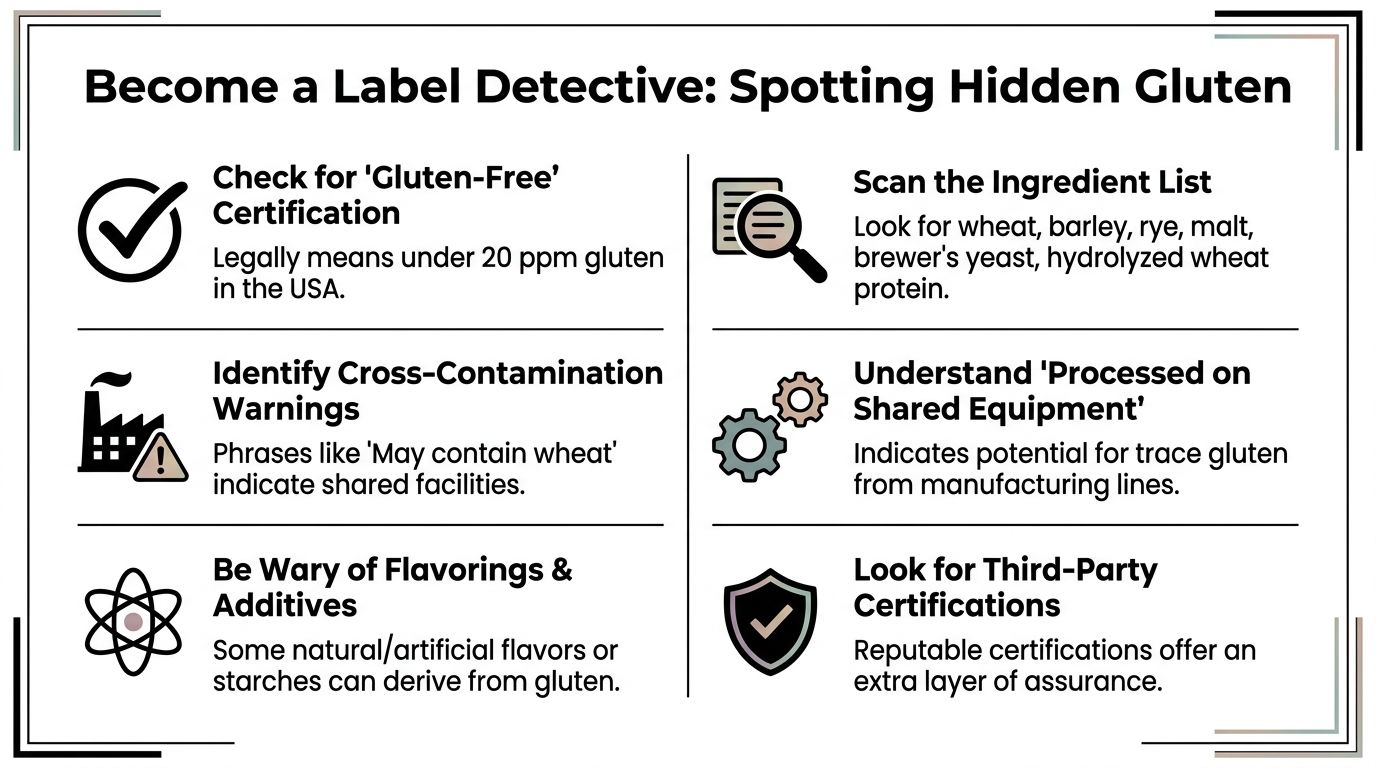
What to check first
When you pick up a powder, bar, or ready-to-drink shake, scan in this order:
- The gluten-free claim
- Any third-party certification
- The full ingredient list
- Shared facility or shared equipment statements
- The flavor name itself
The flavor name gets ignored too often. “Cookies and cream,” “malted chocolate,” and bakery-inspired products deserve extra caution before you even read the small print.
Hidden clues that deserve attention
Look closely for ingredients or terms such as:
- Barley malt or malt flavoring: A common red flag.
- Hydrolyzed wheat protein: Not appropriate for gluten avoidance.
- Brewer's yeast: Needs extra scrutiny depending on source and product context.
- Modified food starch: Requires context, especially in more processed products.
- Natural flavors: Not automatically unsafe, but worth checking if the product lacks strong gluten labeling.
Cross-contact language matters too. “May contain wheat” and “processed on shared equipment” aren't decorative phrases. They tell you the brand is flagging possible exposure risk.
Why this matters more with supplements
Powders are concentrated products. You may use them daily. You may blend them with the same ingredients every morning and assume they're routine-safe. That repetition means small label mistakes can become chronic exposure.
Some of the worst “healthy” choices are the ones people stop questioning because the tub looks clean and the routine feels disciplined.
If you also use functional drinks or pre-workout products, the same reading habits apply outside the protein aisle. This overview of gluten-free energy drinks is useful if you want to expand your label-checking skills beyond powders and bars.
Choosing a Truly Clean Gluten-Free Protein Powder
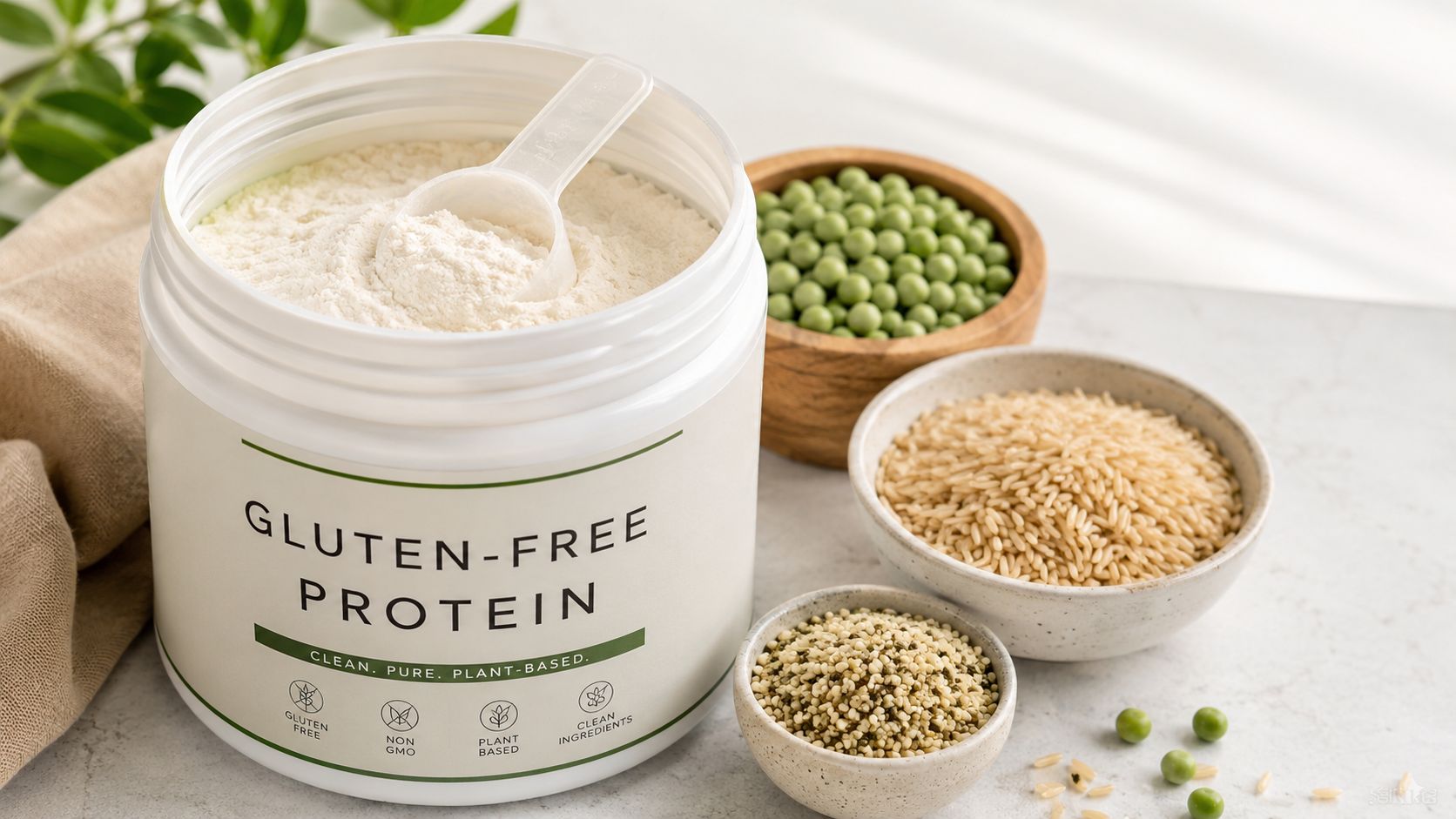
You pick up a tub labeled gluten-free, plant-based, and low carb. It sounds safe. Then you turn it around and find gums, starches, sweeteners, flavor systems, and a protein dose that looks better on the front than it performs in real life.
A gluten-free claim only answers one question. Clients who want better energy, easier digestion, muscle recovery, or appetite control need to ask several more. I tell people to judge a powder by what it does in the body, not by the halo on the label.
The real problem with many gluten-free powders
Many gluten-free products are formulated to taste pleasant first and support metabolic health second. That can show up as added sugars, maltodextrin, excessive “natural flavors,” or enough thickeners to make the shake feel rich while adding very little satiety.
That matters if your goal is weight management.
A powder that digests quickly, tastes like dessert, and leaves you hungry an hour later is not doing much practical work. A better product gives you enough protein per serving, keeps calories in a reasonable range, and avoids turning a simple shake into a disguised snack food. If you want a useful framework for optimizing weight loss with protein shakes, that guide fits well with a calorie-aware routine.
What I look for in a cleaner formula
A cleaner powder usually has a few clear strengths:
- A meaningful protein dose: Enough to support fullness and recovery, not a token amount padded by cheap fillers.
- A short ingredient list: You should be able to identify the protein source and the purpose of the other ingredients.
- Minimal added sugar: Daily shakes get expensive metabolically when sugar is doing the heavy lifting on taste.
- Third-party gluten-free verification or clear manufacturing standards: This matters more for people with celiac disease or high sensitivity.
- A protein source or blend that covers amino acid quality well: Gluten-free does not automatically mean nutritionally complete.
If you rely on shakes regularly, it helps to compare products against a practical standard instead of marketing claims. This breakdown of protein powder shakes for daily use and body composition goals can help you sort convenience products from effective ones.
Protein quality matters as much as gluten status
This is the step many shoppers skip. A powder can be free of gluten and still be weak on protein quality.
Whey isolate is often effective for people who tolerate dairy well because it is concentrated, complete, and easy to use after training. Plant-based powders need a closer look. Pea protein alone can work, but blends such as pea plus rice are often stronger from an amino acid standpoint. Some newer fermented plant proteins may also improve tolerance and digestibility, which can matter if regular shakes leave you bloated or heavy.
The right choice depends on the person. Someone focused on strength training may prioritize leucine content and total protein per scoop. Someone with digestive sensitivity may do better with fewer additives and a simpler base formula.
Red flags that usually predict disappointment
These patterns show up again and again:
- Dessert-style formulas with long ingredient panels
- Low protein per serving compared with the scoop size
- Multiple sweeteners layered together to mask a weak base
- Fiber additives and gums that cause bloating for sensitive users
- Vegan blends with no clear strategy for amino acid balance
A label can look clean from the front and still be poorly built.
Here's a short explainer that helps visualize what to look for in product design and ingredient quality.
Choose the powder that fits the job. For recovery, prioritize protein quality and digestibility. For appetite control, keep sugar low and protein meaningful. For strict gluten avoidance, verify sourcing and manufacturing, then make sure the nutrition profile still supports your actual goals.
Simple Ways to Integrate Gluten-Free Protein into Your Day
Repeatable habits are generally more beneficial than elaborate meal plans. A good gluten free protein routine should feel easy enough to keep on busy weekdays.
Breakfast that prevents the midmorning crash
If breakfast is mostly toast, fruit, or coffee, protein powder can fix the gap quickly.
Try one of these:
- Blend into a smoothie: Add protein first, then liquid, then fruit and ice. That order helps reduce clumping.
- Stir into yogurt: Plain Greek yogurt plus berries gives better staying power than a sweet breakfast pastry.
- Mix into oatmeal: Use certified gluten-free oats, then stir in protein after cooking so the texture stays smoother.
Midday and post-workout uses
Lunch is where many people under-eat protein if they're eating on the run. A shaker bottle can be useful, but it works better when it supports a meal pattern rather than replaces every meal.
For exercise recovery, timing matters less than consistency, but a convenient post-training shake can still help. Runners who want a practical recovery framework may like this guide to runner recovery nutrition, especially if training tends to suppress appetite right after a session.
Easy habits that stick
A few simple systems work well:
- Keep one default shake recipe: Fewer decisions means better consistency.
- Pair protein with fiber: Fruit, chia, or oats can make a shake more filling.
- Use it to bridge, not binge: A planned protein shake in the afternoon often works better than getting overly hungry and grabbing random snacks.
- Match the format to the moment: Smoothies at breakfast, yogurt bowls for snacks, and simple shakes after training.
If you want more practical serving ideas, these protein powder shake recipes and tips can help you build a few reliable options without overcomplicating things.
Your Gluten-Free Protein Questions Answered
Is gluten-free protein automatically good for weight loss?
No. Gluten-free only tells you one thing. The product does not contain gluten at the required threshold. It says nothing about sugar load, calorie density, protein quality, or how filling that product will be.
This is one of the biggest traps I see with clients. A gluten-free protein bar can still eat up a large share of your calories while giving you very little satiety. Some products rely on syrups, starches, and low-quality filler ingredients to improve texture and taste. If weight management is the goal, read past the gluten-free claim and check the full picture: protein per serving, added sugar, fiber, total calories, and ingredient quality.
Is whey protein gluten-free?
Whey itself is naturally gluten-free because it comes from milk. The problem is the finished product, not the whey.
Flavored powders, cookie mix-ins, thickening agents, and manufacturing cross-contact can all change the answer. For someone with celiac disease or a strong sensitivity, “probably fine” is not a safe standard. Look for a clear gluten-free claim and a product made with tight manufacturing controls.
Are plant-based gluten-free proteins enough on their own?
They can be, but the label needs a closer look. Many single-source plant proteins are lower in one or more amino acids that support muscle repair and fullness, so total grams alone do not tell the whole story.
A well-formulated blend usually works better than a weak single-source powder. Pea and rice together are a common example. Soy can also be a strong option for people who tolerate it. If you use plant protein daily for training, recovery, or appetite control, choose one that gives you a complete amino acid profile rather than assuming every plant-based powder performs the same.
What matters most when I'm buying one?
Start with your reason for using it.
If gluten exposure is the main concern, choose products with a clear gluten-free statement and simple ingredients. If body composition is the priority, compare protein calories against added sugars and starches. If digestion is the issue, shorter ingredient lists often work better than trendy blends packed with gums, sweeteners, and extras.
A good gluten-free protein product should do more than avoid gluten. It should help you meet your daily protein target, support stable appetite, and fit your routine without adding ingredients you do not need.
If you want a cleaner option that aligns with strict ingredient standards, weight-conscious nutrition, and everyday convenience, explore Maximum Health Products. Their wellness-focused lineup includes clean-label protein and supportive nutrition products designed for people who want simple formulas without gluten, added sugars, artificial ingredients, or unnecessary fillers.

