


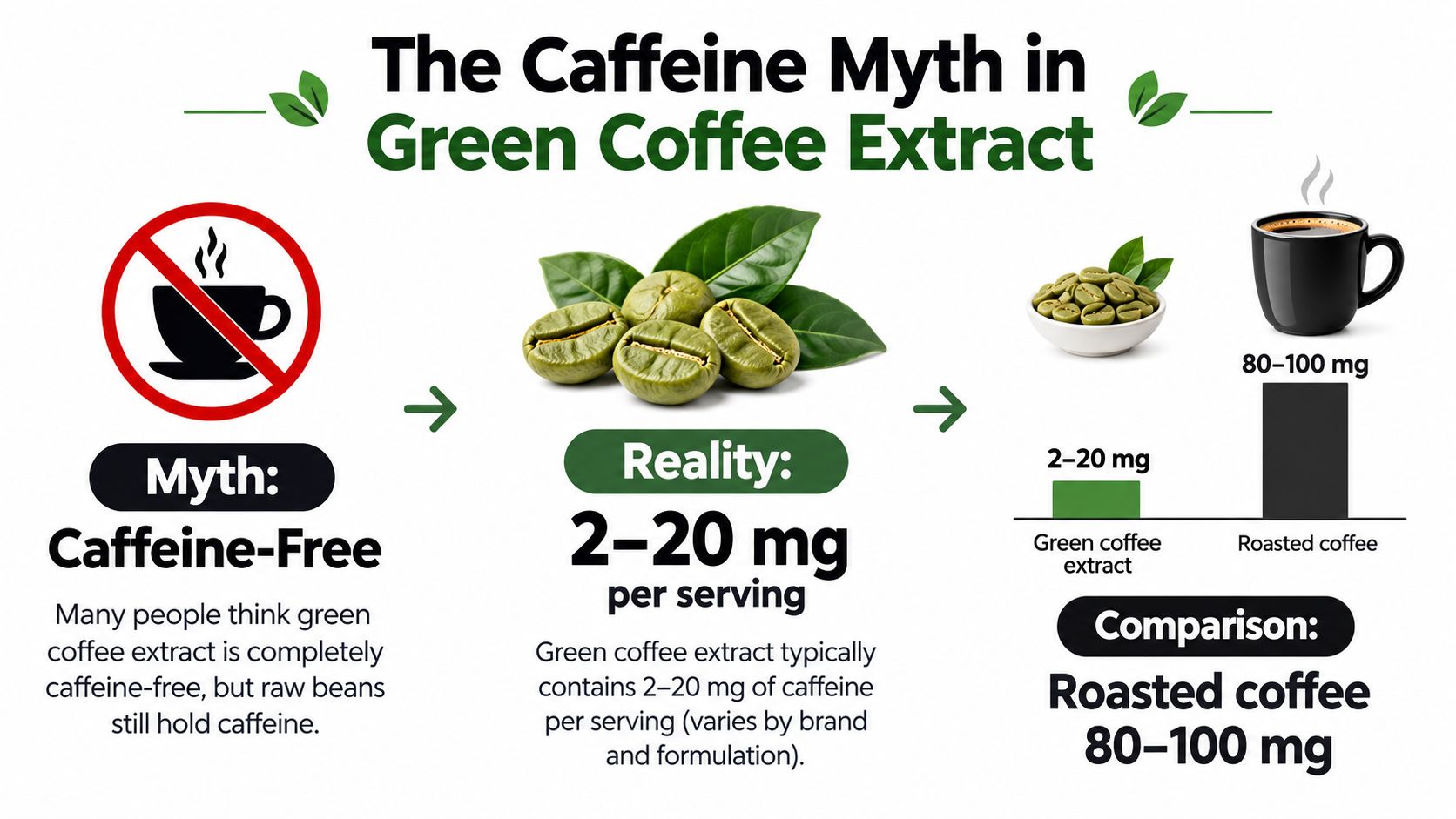
Green coffee extract contains caffeine, typically 20–50 mg per capsule, though total daily intake can reach 100–450 mg depending on the product. That range can approach or exceed the commonly cited 400 mg daily upper limit for adults, so green coffee extract isn't automatically a gentle alternative to roasted coffee.
The surprising part isn't that the unroasted bean contains caffeine. Coffee beans produce caffeine before roasting, and extraction can concentrate or preserve that stimulant alongside chlorogenic acids. The issue is dose uncertainty: two products marketed with the same green coffee claim can expose consumers to very different amounts of caffeine because bean species, origin, decaffeination, and processing all matter.
Most buyers ask whether green coffee extract caffeine exists. The more useful question is how much caffeine a particular serving contributes to the day's total, especially when capsules are combined with coffee, tea, energy drinks, pre-workout products, or medications that affect stimulation. The evidence points to a simple conclusion: treat green coffee extract as a meaningful caffeine source with variable potency, not as a caffeine-free botanical.
The Caffeine Myth in Green Coffee Extract
Green coffee extract isn't caffeine-free, and “green” doesn't mean non-stimulating. The extract is made from unroasted coffee beans, which retain their natural caffeine. A clinical summary describes roughly 20–50 mg of caffeine in a cup of green coffee, compared with about 100 mg in regular coffee, while supplement capsules may provide 20–50 mg each (Cleveland Clinic's review of green coffee bean extract).
That comparison can mislead consumers. A beverage has a visible serving size and a familiar preparation method. A capsule may contain a concentrated extract, and the label may emphasize chlorogenic acids without clearly stating the caffeine amount. Some products used as directed may supply 100–450 mg of caffeine per day, a range that approaches or exceeds the commonly cited adult upper limit of 400 mg per day (Cleveland Clinic's caffeine guidance).
Featured Product
Maximum Slim Original Green Coffee
Made with green coffee and carefully selected herbal ingredients such as green tea leaf and ginseng root, this unique blend is designed to complement a balanced lifestyle.
Shop Now →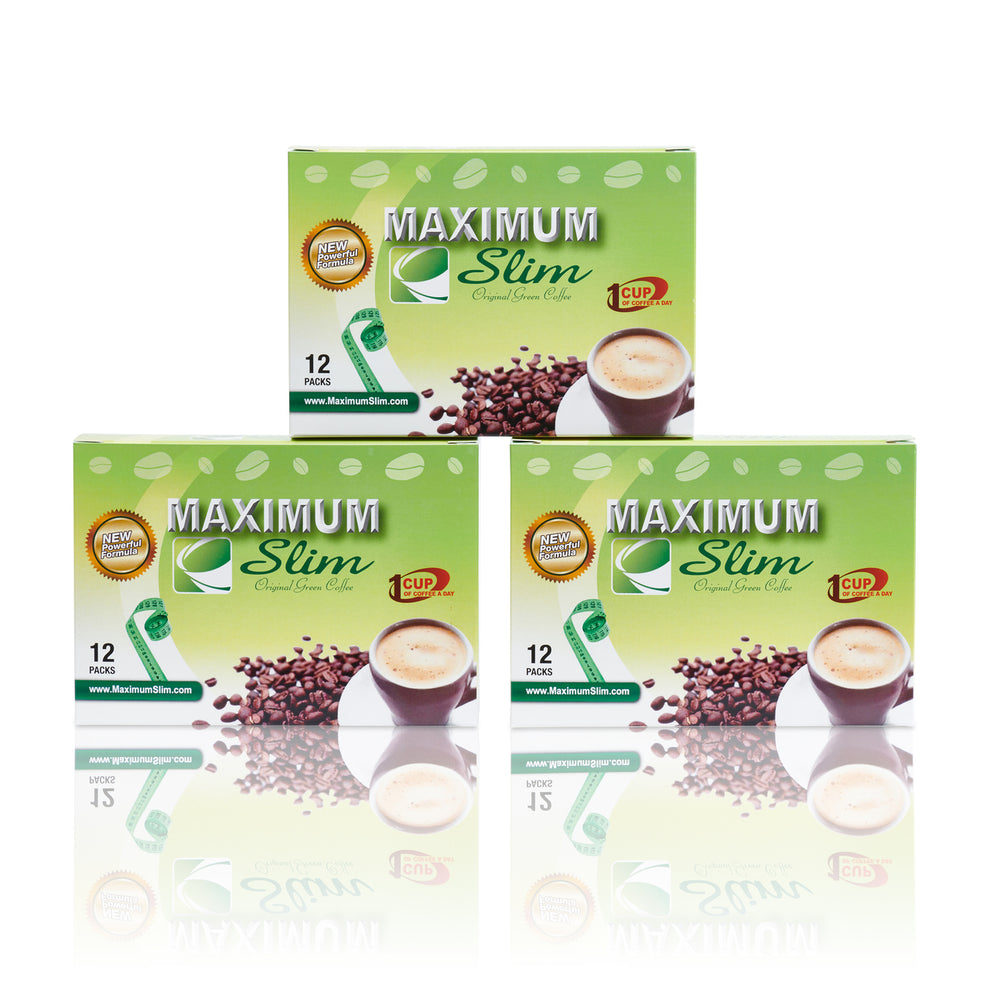
Why the label can hide the stimulant
The bean's most celebrated non-caffeine compounds are chlorogenic acids, often abbreviated as CGAs. Marketing tends to foreground CGA standardization because these compounds support the ingredient's weight-management identity. But a CGA-focused formula can still deliver caffeine, and the two measurements don't reliably tell you the same thing.
Standardized extracts are often reported at roughly 2%–4% caffeine by weight, but the final dose depends on how much extract a serving contains and how the manufacturer processes it (Cleveland Clinic's explanation of green coffee composition). That means “green coffee extract” is an ingredient category, not a single chemical profile.
Practical rule: If a label doesn't disclose caffeine per serving, assume the product may contribute caffeine and avoid treating it like a neutral antioxidant powder.
Consumers comparing green coffee extract with other coffee-based products may also benefit from understanding that “coffee” ingredients aren't interchangeable. This discussion of whether mushroom coffee has caffeine is useful because it reinforces the same label-reading principle: the product's actual formulation matters more than its front-of-pack category.
How Green Coffee Extract Works in Your Body
Green coffee extract has two separate biological identities. Caffeine acts mainly as a stimulant, while chlorogenic acids are the compounds associated with research on unroasted beans and weight management. Keeping those roles separate explains why a product marketed for metabolism can still produce a noticeable stimulant effect.
Caffeine acts on the central nervous system, increasing alertness and reducing perceived fatigue. It may also influence appetite and thermogenesis, but those effects do not establish meaningful fat loss. They do explain why an inaccurately labeled or highly concentrated capsule can cause jitters, restlessness, or sleep disruption.
Chlorogenic acids are chemically distinct from caffeine. Roasting changes coffee's chemistry, while unroasted beans retain more of these compounds. Green coffee products are concentrated preparations made from unroasted beans, and clinical studies have used doses reaching up to 1,000 mg per day for short periods (WebMD's overview of green coffee).
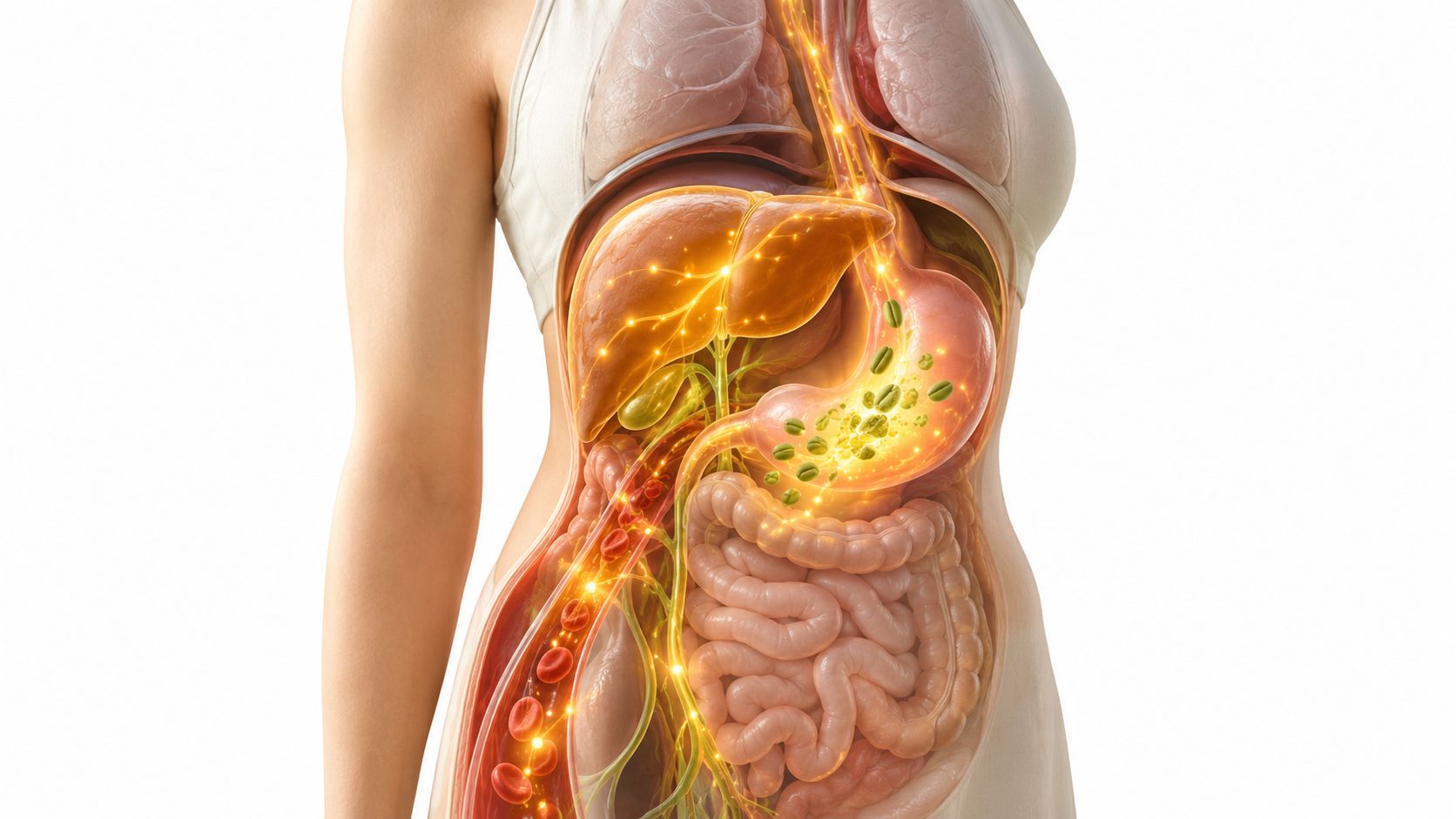
Why extraction changes the experience
The extract's mass does not reveal its caffeine dose. Bean origin and species can affect stimulant content before the manufacturer selects an extraction solvent, concentration method, or drying process. One comparative analysis reported caffeine concentrations from 34.1 to 81.6 g/kg of dry mass in green coffee extracts and found that extracts from the robusta species could contain about twice as much caffeine as arabica extracts.
Manufacturing can therefore produce materially different stimulant loads from products that use the same broad ingredient name. A standardized chlorogenic-acid claim does not by itself establish how much caffeine reaches the consumer.
Some commercial preparations have been studied at 200 mg five times daily for up to 12 weeks without major safety signals in published reviews. That observation describes a limited research period, not a universal personal recommendation. To understand green coffee beans more fully, distinguish the raw botanical from the concentrated extract. The extract may deliver a more concentrated chemical mixture, but the consistency depends on manufacturing specifications and caffeine testing.
The practical risk is misattribution. A consumer may interpret alertness as evidence of metabolism support when caffeine accounts for much of the immediate sensation. Any longer-term outcome depends on the complete formulation, actual dose, diet, sleep, and individual response.
Typical Dosages and Safety Windows
There isn't a well-established optimal dose for green coffee extract. Human research has tested preparations from 200 mg to 1,000 mg daily, generally over short periods, but a tested dose isn't the same as a proven ideal dose for everyday use (Healthline's review of green coffee).
The evidence boundary matters more than the headline dose. Safety information primarily covers periods such as up to 12 weeks, while strong evidence for long-term use remains limited. Research also doesn't establish a dependable safety profile for pregnancy, lactation, or people with liver or kidney disease (Healthline's discussion of dosing and safety).
A cautious way to assess a product
Before taking a serving, check four pieces of information:
- Caffeine per serving: Prefer a product that states the caffeine amount clearly, rather than relying only on a green coffee or CGA claim.
- Suggested daily use: Calculate the total from every capsule or scoop, not just one serving.
- Other stimulant sources: Add coffee, tea, energy drinks, pre-workout formulas, and other supplements to the same daily calculation.
- Personal risk factors: Ask a clinician before use if you're pregnant, breastfeeding, or managing liver, kidney, cardiovascular, anxiety, or sleep concerns.
Caffeine tolerance also varies. A dose that feels manageable to one adult can produce palpitations, nervousness, gastrointestinal discomfort, or poor sleep in another. The absence of immediate discomfort doesn't prove that a product is suitable for long-term use.
Safety boundary: Short-term study exposure cannot establish that daily green coffee extract is safe indefinitely.
The benefits themselves warrant restraint. Reviews describe modest effects on body weight and glycemic outcomes, while findings for blood lipids and liver markers remain inconsistent (Healthline's evidence review). For consumers, that makes caffeine exposure a central decision variable. If the expected metabolic benefit is uncertain and the stimulant dose is undisclosed, the risk-benefit calculation becomes unnecessarily vague. Readers comparing possible adverse effects can also consult this guide to green coffee extract side effects, while recognizing that individual medical advice requires a qualified professional.
Green Coffee Extract Versus Roasted Coffee
Green coffee extract and roasted coffee share the same botanical source, yet they deliver caffeine through different systems. Roasting changes the bean's chemistry. Extraction changes concentration and serving control. A brewed cup also provides a visible volume and repeatable preparation method, while a capsule can conceal how much stimulant reaches the user.
A clinical comparison places green coffee at about 20–50 mg of caffeine per cup and regular coffee at about 100 mg per cup (Cleveland Clinic's coffee comparison). Some supplement capsules contain 20–50 mg per capsule, but several servings can produce a much larger daily intake. The label's serving size therefore matters as much as the ingredient name.
The green-bean category has wide chemical variation. One analysis found arabica extracts with approximately 34.1–38.5 g/kg dry-mass caffeine. Samples from the other major coffee species ranged from 3.9 g/kg in a decaffeinated Vietnam sample to 68.6–81.6 g/kg. Species, origin, decaffeination, and extraction method can therefore change the stimulant load substantially (the study of caffeine in green coffee extracts).
| Source | Caffeine per serving | Chlorogenic acids | Typical use |
|---|---|---|---|
| Green coffee beverage | About 20–50 mg | Retained in the unroasted bean, amount varies | Beverage |
| Roasted coffee | About 100 mg | Roasting changes the profile | Beverage |
| Green coffee extract capsule | About 20–50 mg in some formulations | Often emphasized or standardized, but variable | Supplement |
| Concentrated green coffee extract | Product-dependent, potentially much higher | Depends on bean and extraction method | Weight-management or energy formula |
“Green” does not reliably mean low caffeine. A brewed beverage is usually easier to pace because its volume is apparent. An extract can provide concentrated chlorogenic acids and caffeine, but the actual stimulant dose depends on the bean and processing. Choose coffee for a familiar beverage, or choose an extract only when its assay and serving information make the caffeine exposure clear.
What the Evidence Says About Weight and Metabolism
Green coffee extract's reputation was built on weight-management research around chlorogenic acids, but the human evidence is less dramatic than supplement marketing often implies. Reviews describe modest benefits for body weight and glycemic outcomes, while results involving blood lipids and liver markers are inconsistent (Healthline's review of green coffee evidence).
That wording matters. “Modest” doesn't mean no effect, but it does rule out treating the extract as a reliable substitute for nutrition, physical activity, sleep, or medical care. It also makes product quality important, because a weak or mischaracterized extract may not resemble the preparation used in a study.
The caffeine question is more actionable
For daily use, the immediate issue may be less “Does this burn fat?” and more “How much stimulation am I adding?” Independent summaries describe green coffee extracts at roughly 3% to 4% caffeine by weight, with human studies using 200–1,000 mg daily for up to 12 weeks (WebMD's ingredient summary).
Cleveland Clinic advises keeping total caffeine below 400 mg per day for adults and notes that beverage caffeine can be preferable to capsule-based intake because the amount is easier to understand and regulate (Cleveland Clinic's caffeine guidance). The relevant calculation includes every source, not just the green coffee product.
An extract can therefore create a mismatch between expectation and experience. Someone seeking CGAs for metabolic support may unknowingly take a stimulant dose that affects sleep or combines poorly with morning coffee. Poor sleep can undermine weight-management behavior, making the product's intended purpose work against the user's broader routine.
The defensible conclusion is narrow. Green coffee extract may have biological activity, but the available evidence doesn't justify miracle claims. A skeptical consumer should evaluate the product's measured caffeine and CGA content before considering any possible metabolic effect.
Quality Control and Commercial Testing Reality
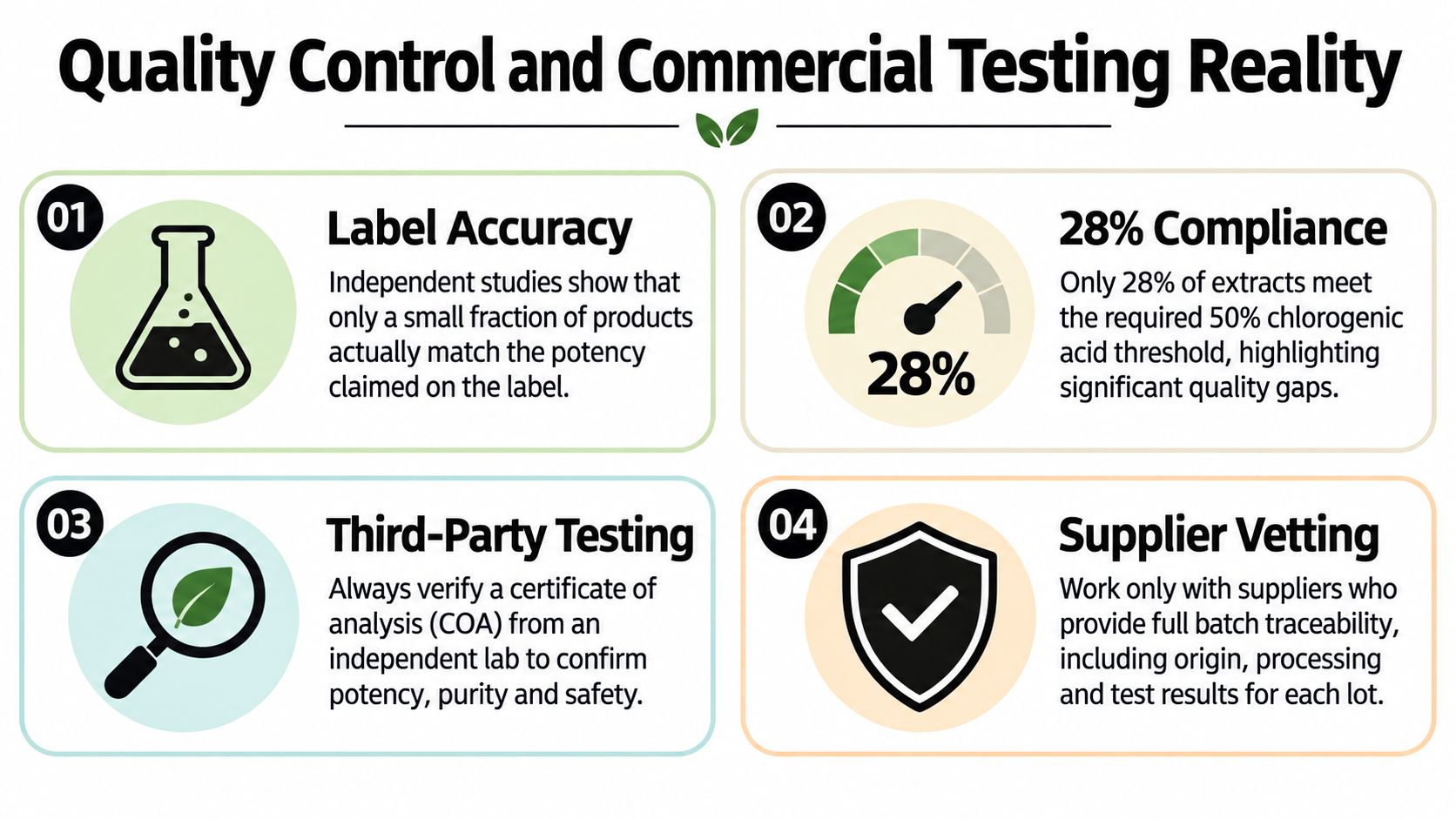
The most important marketplace problem may not be the ingredient's identity. It may be whether the capsule contains what the label suggests. A survey of 11 commercial extracts found an average labeled CGA dose of 233 mg, while HPLC testing measured 157 mg on average. Caffeine levels ranged from 0% to 17%, and only 28% of products met a benchmark representing half of the stated CGA potency (the commercial extract testing report).
Those findings change how consumers should read a label. “Green coffee extract” describes the source, not a guaranteed chemical outcome. Solvent choice, bean species, and processing can alter the caffeine-to-CGA ratio, so a product can be high in one compound and lower than expected in another.
What credible verification should address
A meaningful certificate of analysis should support more than a generic statement that the product passed testing. Look for documentation that identifies the batch and measures the compounds relevant to the product's intended use.
- Caffeine assay: The report should state how much caffeine was detected, ideally per serving or with enough information to calculate it.
- CGA assay: If chlorogenic acids are a selling point, the certificate should measure them rather than assume their presence.
- Batch traceability: The tested material should correspond to the product lot being sold.
- Independent laboratory work: HPLC or comparable analytical methods provide more useful information than visual inspection or a broad botanical identity test.
Buying principle: A product's source story can't replace a measured caffeine specification.
This is why third-party-tested supplements deserve closer attention during comparison. Third-party testing doesn't guarantee that a supplement will produce a desired health outcome, but it can reduce uncertainty about identity, contamination, and potency when the documentation is specific and current.
Real-World Examples of Product Variability
Two capsules can list green coffee extract and make similar CGA-focused claims while delivering very different caffeine exposure. One may use an arabica-derived extract with the lower caffeine range reported for arabica samples. Another may rely on robusta-derived material with a substantially higher measured concentration. Without a caffeine assay, the front label does not show which stimulant profile the buyer will receive.
The reverse situation also occurs. A sample from the decaffeinated strong coffee variety contained 3.9 g/kg dry mass caffeine, whereas extracts from other Robusta batches reached 68.6–81.6 g/kg in the comparative analysis. Processing and bean origin can therefore change the starting caffeine level dramatically, even when products share the same category.
For someone sensitive to caffeine, that variation changes daily-use decisions:
- A low-caffeine product: It may fit more comfortably alongside caffeinated beverages, if current testing supports the label.
- A concentrated product: Several servings can push total caffeine toward the adult upper limit, especially when coffee, tea, energy drinks, or pre-workout products are not counted.
- An undisclosed product: The buyer cannot reliably predict whether the capsule will feel neutral, mildly stimulating, or overstimulating.
The practical conclusion is direct: botanical labeling identifies the ingredient, not necessarily its stimulant dose. Consumers monitoring sleep, anxiety, heart symptoms, or cumulative caffeine need a measured caffeine value, not only a green coffee or CGA claim.
Making the Right Choice for Your Goals
Green coffee extract may make sense for an adult who wants a concentrated coffee-derived supplement and can verify its caffeine content. It makes less sense for someone seeking a caffeine-free ingredient, someone who already reacts strongly to stimulants, or anyone who plans to combine several stimulating products without tracking the total.
Use a simple decision process:
- Define the purpose. If the goal is energy, compare the product's disclosed caffeine with a beverage whose serving is easier to monitor. If the goal is weight management, keep expectations realistic because human findings are modest and variable.
- Read the full panel. Find caffeine per serving, extract quantity, CGA standardization, serving instructions, and any warnings.
- Check the evidence of testing. Favor products with batch-specific documentation that measures both caffeine and CGAs.
- Calculate the daily total. Include coffee, tea, energy drinks, pre-workout formulas, and other supplements. Don't assume a “natural” source is exempt from caffeine accounting.
- Protect the safety boundary. If you're pregnant, breastfeeding, managing liver or kidney disease, or taking medication that may interact with stimulants, consult a clinician before use.
The strongest product choice isn't necessarily the one with the largest extract claim. It's the one that gives you enough information to predict the stimulant exposure and decide whether that exposure fits your routine.
Maximum Health Products offers Maximum Slim Original Green Coffee, an unroasted Arabica green coffee product whose product information states approximately 95 mg of caffeine per serving, as well as a separate green coffee bean extract supplement. That distinction illustrates the central point of this analysis: the form, serving, and disclosed caffeine amount matter more than the broad phrase “green coffee.”
The verdict is practical. Green coffee extract isn't a caffeine-free coffee substitute, and its stimulant load can vary substantially with raw material and processing. Its metabolic evidence remains limited enough to reject miracle claims, while commercial testing shows that label potency can be unreliable. Choose only a product with transparent caffeine and CGA specifications, count it within your total daily intake, and avoid using it to compensate for poor sleep or an unsustainable diet.
If you want a green coffee product with clearly stated positioning alongside other wellness options, visit Maximum Health Products. Compare the serving information and ingredient details carefully, then choose a formula that fits your caffeine tolerance and broader health routine.

