


The loudest advice about weight loss supplements for women over 40 usually starts with fat burners, metabolism boosters, and appetite suppressants. That advice misses the core issue. After 40, the more useful question isn't “How do I rev up my metabolism?” It's “How do I protect muscle, support recovery, and make weight loss easier to sustain?”
That shift matters because weight management changes with age and sex. The NIH Office of Dietary Supplements reports that about 15% of U.S. adults have used a weight-loss dietary supplement at some point in their lives, and use is reported more often by women, 21% versus 10% for men. In adults seriously trying to lose weight, 33.9% reported ever using a weight-loss supplement, with use again higher in women, 44.9% versus 19.8% for men. Among adults with obesity, newer NHANES analysis found 6.6% of females used weight-loss supplements versus 4.6% of males, with the highest use in ages 20 to 39, then 40 to 59, then 60+ (NIH Office of Dietary Supplements).
For women over 40, that pattern points to a simple truth. The supplement strategy that makes the most sense is usually not about blasting calories. It's about keeping lean mass, improving satiety, and filling common nutrient gaps so the body can work better with the same food and exercise habits.
Why Traditional Fat Burners Fail Women Over 40
The main promise behind most fat burners is simple. Take a capsule, increase metabolism, lose fat faster. That pitch sounds efficient, but it ignores what often changes after 40. The body is not just “slower,” it's operating under different hormonal and tissue conditions, especially during perimenopause and menopause.
Why the marketing feels convincing
A lot of these products lean on caffeine, stimulant blends, or vague “thermogenic” claims. That can make someone feel more alert, but alertness isn't the same as durable fat loss. Independent reviews note that protein is one of the few supplements with consistent body-composition benefits, while most weight-loss supplements show only small, non-durable effects or no convincing efficacy on their own (review on supplement efficacy).
For women over 40, that matters because lean mass starts to matter even more. Perimenopause and menopause increase the risk of losing muscle, and higher protein intake paired with resistance exercise helps preserve or increase fat-free mass, which supports resting energy expenditure. In plain English, if muscle is part of what keeps your daily calorie burn higher, then protecting muscle becomes a smarter target than trying to “hack” metabolism.
Practical rule: if a supplement doesn't help you keep muscle, eat enough protein, sleep better, or train harder, it's usually working around the problem instead of solving it.
What works better than a fat burner
The more evidence-backed strategy focuses on protein, fiber, and a few targeted nutrients. Protein supports muscle retention. Fiber helps with fullness and blood sugar control. Some women also benefit from nutrients that support sleep, recovery, and deficiency correction, because poor sleep and low nutrient status make weight management feel harder than it needs to be.
That's why the one-size-fits-all supplement aisle is so misleading. Women over 40 don't usually need louder promises. They need better support for the systems that control body composition. That's a very different goal, and it leads to a very different shopping list.
Featured Product
Organic Protein Shake - Maximum Slim
Each serving provides 20g of organic plant-based protein and 10g of organic fiber, making it a convenient option for smoothies, shakes, and meal replacement support.
Shop Now →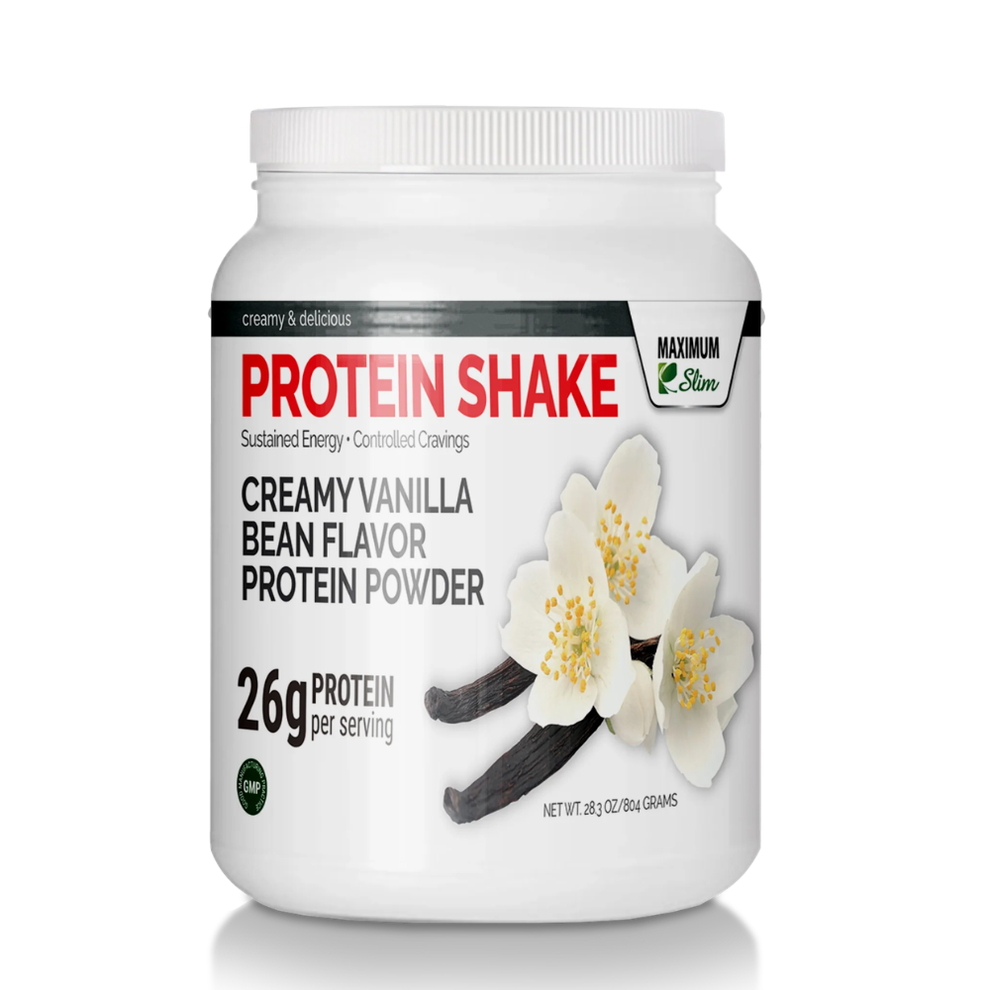
Understanding Metabolic Changes After 40
Weight gain after 40 rarely comes from one dramatic cause. It usually reflects several small changes that build on each other. Estrogen shifts can change where fat is stored and how hunger feels. Muscle loss can lower the energy you burn at rest. Stress and sleep changes can make appetite and cravings harder to manage.
The body is adapting, not failing
A useful way to understand this is to treat metabolism as an adaptive system that responds to inputs. If muscle drops, sleep is poor, protein intake is low, and activity is limited, the body adjusts in that direction. If muscle is preserved, resistance training stays in the routine, and the body gets enough building blocks, the direction of change is different.
That is why supplement choices need to match physiology. The most useful products tend to support one of three things, muscle retention, satiety, or nutrient status. That framing is more useful than asking whether a product “burns fat,” because shrinking body weight without supporting muscle can leave you smaller, but not stronger, and sometimes not in a better metabolic position.
Why younger-adult advice often falls short
A supplement that seems helpful in your 20s may not fit the needs of your 40s. Appetite-control products can be tempting, but they often miss the deeper issue. When muscle mass declines, resting energy expenditure can drop. When sleep is poor, cravings become louder. When protein intake is too low, recovery slows.
The better approach is to support lean-tissue needs first. That is why protein augmentation sits at the center of the most evidence-backed strategy for women over 40. As noted earlier, protein is one of the few supplements with consistent body-composition benefits.
A simple rule helps here. If a supplement only makes weight loss feel more aggressive, be cautious. If it helps you keep strength, manage hunger, or recover from workouts, it is probably addressing the underlying issue.

For a broader physiology overview, this guide on how to speed up metabolism after 40 is a useful companion read.
Evidence-Backed Supplements for Women Over 40
The most useful options for women over 40 are often the least flashy. They support the body's current needs instead of promising a rapid fix. In practice, that usually means starting with protein, then adding a few targeted nutrients based on diet, training load, sleep, and symptoms.
The core categories
Protein powder is often the most practical first step when meals do not provide enough protein. Whey and plant-based powders can help close the gap between what you eat and what your body needs to maintain lean mass. That matters because preserving muscle helps support energy use, strength, and day-to-day function. A helpful way to think about it is that protein fills the raw-material gap, while resistance training gives the body a reason to keep that tissue.
Vitamin D is usually discussed for bone health, but muscle and metabolic support matter too. If sun exposure is limited or dietary intake is low, correcting a deficiency can help more than one system at the same time. Omega-3 fatty acids are often used to support inflammation balance and may fit well when fish intake is low. Fiber supplements can help with fullness and steadier blood sugar, especially when meals are low in plants or appetite tends to rise later in the day.
Magnesium is another quiet option that can matter more than it gets credit for, especially when sleep is poor, cramps are common, or diet quality is uneven. An AARP-related guide suggests magnesium may be more useful in people who are deficient or who have obesity, diabetes, or high blood pressure than in the general population (AARP-related guide). That is a good reminder that magnesium is not a universal fat-loss shortcut.
Simple takeaway: the most useful supplements for this age group usually support muscle, fullness, sleep, or deficiency correction, not rapid fat burning.
How to think about results
Results should feel modest and practical. Better workout recovery. Fewer protein gaps across the day. Less evening snacking because meals keep you full longer. More stable energy because a deficiency is being addressed. That is more realistic than chasing stimulant-driven appetite suppression.
Stacking can also make sense when the pieces serve different jobs. For example, protein can support muscle retention while fiber helps with fullness and magnesium supports sleep quality. If you want a cleaner way to combine products without piling on extras, the guide on supplement stacking for weight loss is useful background.

| Supplement | Evidence Strength | Primary Benefits | Typical Dose | Safety Notes |
|---|---|---|---|---|
| Protein powder | Strong for body composition support | Helps preserve muscle and improve satiety | Use to meet daily protein needs | Check tolerance, especially with dairy |
| Vitamin D | Good for deficiency correction | Supports bone and muscle health | Best guided by lab work | Too much is not helpful |
| Omega-3s | Moderate | Supports inflammation balance and diet quality | Depends on product label | May interact with blood-thinning medication |
| Fiber supplements | Moderate | Improves fullness and digestion | Start low and increase gradually | Drink enough water |
| Magnesium | Situational | May support sleep and deficiency correction | Often taken in the evening | Can cause digestive upset in some forms |
| B12 and iron | Strong when deficient | Support energy and oxygen transport | Based on labs and clinician guidance | Do not self-dose blindly |
A broader product browser can help too, and if you are comparing options, it is worth checking the cost of weight loss tablets in Britain so you can separate price from real value.
One consumer-facing example in this space is Maximum Health Products, which sells Maximum Slim Nighttime Weight Support as a weight-management supplement. As with any product, the label and ingredient list matter more than the branding.
Comparing Supplement Options and Making Smart Choices
A smart supplement choice starts with one question. Does this product solve a real problem, or does it just sound helpful? That filter matters because many products overlap, and some are only slightly different versions of the same idea.
Compare by job, not by hype
If your problem is poor protein intake, a protein powder beats a fat burner. If your problem is low satiety, fiber is more relevant than a stimulant blend. If your problem is suspected deficiency, the right nutrient beats a trendy “metabolism booster” every time. That's why comparison should focus on evidence strength, safety, and fit with daily life.
A few rules make the choice easier. Use food first when you can. Use supplements to fill gaps, not create new routines you can't maintain. And avoid products that promise dramatic change without clear ingredient amounts. The more the marketing leans on “melt fat,” “detox,” or “reset,” the more carefully you should read the label.
What to compare side by side
| Supplement | Evidence Strength | Primary Benefits | Typical Dose | Safety Notes |
|---|---|---|---|---|
| Protein powder | Strong | Supports muscle retention and fullness | Use as needed to meet protein goals | Choose a form you digest well |
| Fiber supplement | Moderate | Helps satiety and digestion | Begin with small servings | Increase water intake |
| Vitamin D | Good when low | Supports bone and muscle status | Follow product or clinician guidance | Best guided by labs |
| Omega-3s | Moderate | Supports diet quality and inflammation balance | Follow label directions | Check medication interactions |
| Magnesium | Situational | May support sleep and deficiency correction | Often taken at night | Can upset digestion |
| Probiotic | Mixed | May support gut comfort in some people | Product-specific | Effects are strain dependent |
The right stack is usually simple. A few products used consistently will beat a crowded cabinet used randomly. If you're tempted to buy a dozen items, pause and ask which one would still make sense if you removed all the marketing claims.
Think about cost and consistency
Budget matters because supplements only help when you take them. A cheaper product that fits your routine can beat a premium product that sits unopened. That same logic is why label quality is worth learning before you buy.
For a more structured approach to combining products without creating clutter, the guide on supplement stacking for weight loss is a useful reference point.
Reading Supplement Labels Like an Expert
A front label can be polished, but the facts panel tells the truth. That's where you check whether a product contains useful amounts of useful ingredients, or whether it's mostly packaging and noise.
Start with the serving size
Serving size is the first place people get tricked. A bottle might look generous, but the label may require two or three capsules for one serving. That matters because the ingredient amount per serving is what you're really paying for. It also matters for safety, especially when several products overlap.
Proprietary blends deserve extra caution. They can hide exact amounts, which makes it hard to know whether the product is effective or just sprinkled with a few headline ingredients. If the formula won't tell you how much of each ingredient it contains, it's harder to trust the dose.
Check quality signals, not just claims
Third-party certifications help, especially when you want reassurance that a product matches its label. Look for USP, NSF, or ConsumerLab testing when available. Those marks don't guarantee that a supplement will work for weight loss, but they do help with quality control.
A useful external primer on label reading is AloeCure's supplement label guide, especially if you want a plain-language walk-through of the panel itself. The internal guide on what third-party testing means is also helpful if you're deciding whether a certification is meaningful.
Read the back of the bottle before you believe the front of the bottle.
Red flags to avoid
Watch for added sugars in products that are supposed to support weight management. Be careful with big proprietary “metabolic complexes” that don't disclose the full dose. And stay skeptical of structure-function claims that sound scientific but never explain the mechanism in a clear way.
A simple habit helps. Compare the ingredient list against your actual goal. If your goal is protein intake, the label should clearly tell you the grams of protein per serving. If your goal is sleep support, it should name the ingredient and amount without hiding behind a blend.

Integrating Supplements Into a Sustainable Routine
Supplements work best when they fit into a routine that already supports health. Meals, movement, sleep, and stress management still do the main work. The supplement should make the plan easier to follow, not try to do everything on its own.
Build the routine around the meal and workout rhythm
Protein powders fit naturally after training or on busy mornings when breakfast would otherwise be too light. Fiber often works best with meals, because fullness depends on timing as much as ingredient choice. Magnesium usually fits in the evening, especially if sleep quality is part of the goal.
The key is consistency. A routine that looks perfect on paper but gets used only a few days a week will not help much. A simpler routine that you repeat is more useful than an ambitious stack you abandon after two weeks.
Match the supplement to the job
If the goal is muscle support, use protein and keep resistance training in the plan. If the goal is fullness, use fiber and build meals that include enough protein and produce. If the goal is recovery, focus on sleep, hydration, and targeted nutrients before adding more pills.
A good routine also respects budget and attention. Too many products create decision fatigue, and decision fatigue makes people quit. One or two well-chosen supplements, used consistently, usually make more sense than a shelf full of partially used bottles.
The video below is useful if you want a visual reminder that the routine works best as a cycle, not a one-time fix.
A realistic weekly pattern
You do not need a perfect schedule. You need one you can repeat. Protein can follow workouts or act as a bridge meal on hectic days, while sleep-supportive habits and strength training reinforce the same goal from different angles. That kind of coordination is what makes a supplement useful instead of decorative.
If you are comparing self-care approaches with clinician-guided support, medical weight loss options can help you see where supplements fit in that broader picture.
When to Consult a Healthcare Provider
Some situations call for medical guidance before you start a supplement. If you take prescription medications, have a chronic condition, are planning surgery, or notice weight changes that feel sudden or unexplained, speak with a clinician first. Supplements can interact with medications, and symptoms that seem like normal aging can sometimes point to a separate issue.
Bring a short list to the appointment. Include the supplements you already take, the symptoms you want to address, and any recent diet or activity changes. That gives the provider a clearer starting point and helps them decide whether tests like thyroid panels, vitamin D levels, or iron studies might be appropriate.
A simple protein-support plan and a clinic-based approach do not serve the same purpose. The first can fit into an everyday routine, while the second can be better when medication timing, hormone changes, or other health concerns need closer review. Women over 40 often need muscle retention and metabolic support more than another stimulant, so the question is not which product looks strongest on a label. It is which option fits your health picture and avoids adding risk where the body is already under strain.
If you want to compare self-care approaches with clinician-guided support, medical weight loss options can help you see where supplements fit in that broader picture.
Maximum Health Products offers science-backed nutrition products and wellness guides that can fit into a simpler, more realistic supplement routine for women over 40. If you want to compare weight-management support, protein options, and clean-label supplements in one place, visit Maximum Health Products and review the products with your own goals in mind.

